
Main Courses
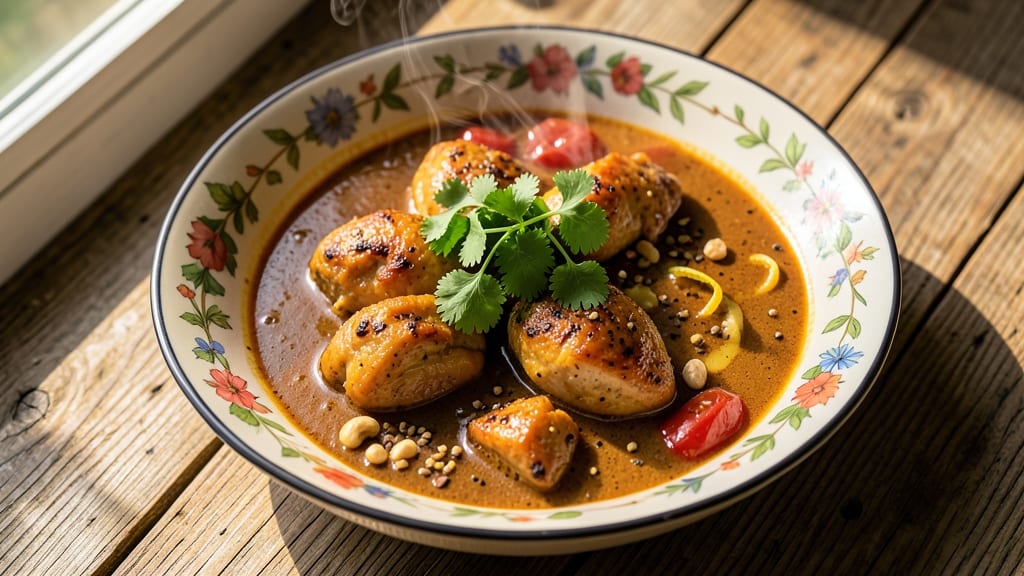
This authentic butter chicken curry recipe delivers the restaurant-quality richness you crave, with a caramelized tomato-tamarind sauce that balances sweet, tangy, and spicy flavors perfectly. The secret lies in slow simmering the sauce with ghee and traditional spices like garam masala and fenugreek, creating depth that store-bought blends simply can't match. I've perfected this version over years of testing, ensuring every bite delivers that signature melt-in-your-mouth tenderness with a velvety sauce that clings to the chicken.
The process begins with marinating chicken thighs in yogurt and aromatic spices, which tenderizes the meat while infusing it with flavor. As the sauce develops, the tomatoes caramelize beautifully, deepening their sweetness while the tamarind adds that signature tang.
This isn't just another curry—it's a dish that transports you to a bustling Indian restaurant, with layers of complexity that build with each spoonful. The key is patience; letting the sauce work its magic on the stovetop transforms simple ingredients into something extraordinary.
What makes this recipe truly special is how it balances tradition with practicality. While we use authentic techniques like blooming whole spices and slow reduction, I've included modern shortcuts that keep this achievable for home cooks.
The result is tender, golden chicken swimming in a sauce that's rich yet balanced—never heavy or overpowering. Each bite offers perfect harmony between the smoky, spiced chicken and the velvety, caramelized sauce with its perfect sweet-tangy-spicy balance.
Serve this butter chicken with steamed basmati rice and warm garlic naan to create a complete meal that will impress even the most discerning guests. The leftovers reheat beautifully, making it perfect for meal prep.
This is the butter chicken recipe I return to again and again—one that delivers authentic flavor without requiring specialized equipment or years of experience.
Ingredients for authentic butter chicken curry
These rich, aromatic ingredients transform simple chicken into restaurant-quality butter chicken curry.
| Ingredient | Amount | Notes |
|---|---|---|
| Boneless, Skinless Chicken Thighs 🍗 | 1 ½ lb | Cut into 1.5-inch pieces |
| Plain Yogurt 🥛 | 1 cup | Full-fat preferred for richness |
| Ghee 🧈 | ½ cup | Clarified butter for authentic flavor |
| Canned Crushed Tomatoes 🍅 | 14 ½ oz | San Marzano preferred for sweetness |
| Tamarind Paste 🍯 | 2 tbsp | Adjust for tang preference |
| Fresh Garlic Cloves 🧄 | 6 cloves | Minced for sauce depth |
| Fresh Ginger Root 🧅 | 1 ½ oz | Peeled and grated finely |
| Garam Masala 🌶️ | 1 ½ tbsp | Whole spices preferred |
| Ground Cumin 🌿 | 1 ½ tbsp | Toasted for deeper aroma |
| Ground Coriander 🌿 | 1 tbsp | Freshly ground preferred |
| Kashmiri Red Chili Powder 🌶️ | 1 tbsp | Mild heat, vibrant color |
| Ground Fenugreek 🌿 | ½ tbsp | Key for authentic taste |
| Fresh Cream 🥛 | ½ cup | Heavy cream for richness |
| Butter 🧈 | 2 tbsp | Unsalted for flavor control |
| Cassia Cinnamon Sticks 🌿 | 1 whole | For blooming spices |
| Cardamom Pods 🌿 | 4 whole | Lightly crushed for aroma |
| Cloves 🌿 | 4 whole | Whole for blooming |
| Bay Leaves 🌿 | 2 whole | For depth of flavor |
| Salt 🧂 | 1 ½ tsp | Diamond Crystal preferred |
The chicken thighs are non-negotiable—bone-in, skin-on gives the best texture, but boneless works in a pinch. Look for free-range at Whole Foods or your local Indian market for the best flavor. The yogurt should be plain, full-fat (Greek yogurt works too)—it tenderizes the meat while adding tang. For the ghee, Kerala brand from Indian stores has that signature caramelized flavor, but regular ghee will work. Tamarind paste can be tricky to find; Trader Joe's carries it, or use a tamarind pulp block if you're ambitious. The crushed tomatoes? San Marzano cans are worth the splurge—they're sweeter and less acidic, which balances the sauce perfectly.
No tamarind? Lemon juice plus a pinch of sugar gets you close, though it won't have that exact tang. Running low on garam masala? Mix cumin, coriander, cardamom, and cinnamon in equal parts—it's not identical, but it'll save you a trip to the store. Fresh ginger and garlic are ideal, but powdered works at half the amount if you're in a hurry. The whole spices (cinnamon, cardamom, cloves) are what give this dish its depth—don't skip blooming them in the ghee. For the chili powder, Kashmiri red gives that signature color without too much heat, but regular paprika will work in a bind. The fenugreek is the secret weapon—it's what makes this taste authentically Indian.
This curry tastes even better the next day as the flavors meld. Store leftovers in an airtight container in the fridge for up to 5 days, or freeze for 3 months. The sauce thickens as it cools, so add a splash of water or cream when reheating. For meal prep, I double the recipe and freeze portions—just thaw overnight in the fridge before reheating. The yogurt marinade can be prepped a day ahead, which saves time on cooking day. Keep the whole spices in a dark, airtight container to preserve their aroma for up to 6 months.
Why You'll Love This Recipe
- One-Pot Magic: The moment you toss in those chicken thighs with yogurt and ghee, you’re basically doing 80% of the work in one pan. No chopping mountains of veggies or juggling multiple bowls—just marinate, sear, simmer, and boom, you’re done.
- Tamarind Tang Kick: That little jar of tamarind paste? It’s the secret weapon. It cuts through the richness of the ghee and tomatoes, giving you this perfect balance of sweet, tangy, and smoky that makes every bite feel like a hug from your favorite Indian restaurant.
- Leftovers That Beg: Between us, this curry tastes better the next day. The flavors meld into this rich, velvety sauce that turns into my lazy Sunday lunch or a quick office potluck hero—no one will guess it’s reheated.
- Budget-Friendly Luxury: Chicken thighs and canned tomatoes? Affordable. Ghee and yogurt? Pantry staples. You’re getting restaurant-quality flavor without the markup, and honestly, that’s the kind of win that makes me want to cook every night.
Step-by-step instructions for authentic butter chicken curry
Here's how to build that signature tomato-tamarind sauce that caramelizes into velvety richness.
Marinate the Chicken in Yogurt and Spices
Cut the 1.5 lb boneless, skinless chicken thighs into 1.5-inch pieces and place them in a bowl. In a separate bowl, whisk together the 1 cup plain yogurt, 1.5 tbsp ground cumin, 1 tbsp ground coriander, 1 tbsp Kashmiri red chili powder, 0.5 tbsp ground fenugreek, and 1.5 tsp salt. Pour this spiced yogurt over the chicken and mix gently until every piece is well coated.
Cover the bowl and refrigerate for at least 4 hours—overnight is even better. This long marinade tenderizes the chicken and infuses it with deep, aromatic flavors. The yogurt also helps create that signature creamy texture in the finished curry. Don't skip this step; it's what makes the difference between ordinary and truly authentic butter chicken.
Bloom the Spices and Cook the Chicken
Heat 0.5 cup ghee in a heavy-bottomed pot over medium heat. Add the 1 whole cassia cinnamon stick, 4 whole cardamom pods, 4 whole cloves, and 2 whole bay leaves. Let them bloom for 1 minute until fragrant—you'll smell their essential oils releasing. Then add the 6 cloves minced fresh garlic and 1.5 oz finely grated fresh ginger and sauté for 2 minutes until the raw garlic smell disappears.
Remove the marinated chicken from the fridge and add it to the pot in a single layer. Let it sear undisturbed for 3-4 minutes until golden brown on one side. Then turn the pieces and cook for another 3-4 minutes until evenly browned. This step develops deep, caramelized flavors that form the foundation of your sauce. If the chicken releases easily from the pot, it's ready to move to the next stage.
Build the Tomato-Tamarind Base
Pour in the 14.5 oz canned crushed tomatoes and 2 tbsp tamarind paste. Stir well to combine with the chicken and spices. Bring the mixture to a gentle simmer over medium-low heat, then reduce the heat to maintain a steady simmer. Let it cook uncovered for 20-25 minutes, stirring occasionally, until the sauce thickens and the tomatoes break down into a rich, caramelized consistency.
Here's where the magic happens: the tamarind paste adds that signature tangy depth while the tomatoes reduce into a glossy, velvety sauce. You'll see the mixture darken and thicken—this is exactly what you want. If the sauce starts to stick to the bottom, add 1-2 tablespoons of water to keep it moving. The sauce should coat the back of a spoon when you lift it, but still be loose enough to pour.
Finish with Cream and Ghee Butter
Once the tomato mixture has thickened, stir in the 0.5 cup fresh cream and 2 tbsp butter. Simmer gently for another 5-7 minutes until the sauce becomes luxuriously thick and glossy. The cream adds richness while the butter gives that signature velvety sheen. Taste and adjust the seasoning if needed—you might need a pinch more salt or a touch more chili powder to balance the flavors.
Remove the pot from heat and let the curry sit for 5 minutes to allow the flavors to meld completely. The sauce should now be rich, tangy, and perfectly balanced—sweet from the tomatoes, tangy from the tamarind, and creamy from the yogurt and cream. The chicken should be tender and infused with all the aromatic spices. Serve immediately with basmati rice or warm naan bread to enjoy this restaurant-quality butter chicken at home.
Pro Tips For Making Authentic Butter Chicken Curry
- Marinate Chicken Overnight: I used to rush this step and end up with bland, rubbery chicken. Cut the thighs into bite-sized pieces, toss with yogurt, lemon juice, and a pinch of salt, then refrigerate for at least 12 hours. The acid tenderizes the meat and lets the flavors seep in—no skipping this, even if you're impatient like me.
- Bloom the Spices Slowly: After frying the chicken, add your whole spices (cumin, cardamom, etc.) to the ghee and let them sizzle for 30 seconds before adding the tomatoes. This releases their oils and aromas—rushing this step means weaker flavor. (Yes, it smells like heaven, but don’t walk away; stir occasionally.)
- Reduce Tomato Sauce Properly: Simmer the crushed tomatoes uncovered on medium-low heat until they’re thick enough to coat the back of a spoon—about 15-20 minutes. If you rush this, the curry will taste watery. Stir often, and resist the urge to crank the heat; patience here makes all the difference.
- Finish with Tamarind Paste: Add the tamarind paste at the very end, just before simmering the sauce with the chicken. It’s the tangy kick that balances the richness, but too early, and it’ll turn bitter. A teaspoon is enough—trust me, you don’t need more.
Troubleshooting perfect results
Sauce Too Thin?
If your sauce isn't thickening enough, simmer it uncovered for an extra 10-15 minutes—the tomatoes will continue breaking down naturally. For faster results, mix 1 tbsp cornstarch with 2 tbsp cold water, stir into the sauce, and simmer for 2-3 minutes until it reaches your desired consistency.
I've found that using San Marzano tomatoes (which are naturally sweeter) helps achieve a thicker, more caramelized sauce without extra effort. 🌡️
Chicken Too Dry?
Overcooking is the most common cause of dry chicken. Once the chicken reaches 165°F internal temperature, remove it from the sauce immediately and set it aside. The residual heat will finish cooking it while it rests.
If you're concerned about doneness, use a meat thermometer—this is the only reliable way to check. For extra tenderness, add 2 tbsp heavy cream to the sauce before serving and spoon it over the chicken.
Sauce Too Tangy?
Tamarind paste is potent! If your sauce tastes overly sour, balance it by adding 1 tsp sugar or ½ tsp honey to mellow the acidity. For a more complex flavor, stir in ½ cup coconut milk instead of cream—it adds sweetness while maintaining richness.
I keep a small jar of tamarind paste on hand, but I always taste as I go to avoid overdoing it.
Spices Too Strong?
If the garam masala or chili powder overpowers the dish, dilute it by adding ¼ cup more cream or a splash of water. For a smoother flavor, strain the sauce through a fine-mesh sieve to remove whole spices before serving.
If you prefer milder heat next time, reduce the Kashmiri red chili powder to ½ tbsp and add ¼ tsp smoked paprika for depth without intensity.
Burnt Onions/Garlic?
This happens when you don't sauté the aromatics at the right temperature. Always cook garlic and ginger over medium-low heat until they're golden but not browned—this takes about 2-3 minutes. If you see smoke, immediately reduce the heat or remove the pot from the stove.
For extra insurance, I like to add a pinch of salt to the ghee before blooming the spices—it helps stabilize the temperature.
Leftover Sauce Too Thick?
When reheating leftovers, add 1-2 tablespoons of water or cream per serving and simmer gently until the sauce reaches your preferred consistency. For a smoother texture, blend the reheated sauce briefly with an immersion blender—just 10-15 seconds is enough to break up any lumps while keeping it chunky.
Store leftovers in airtight containers with a thin layer of ghee on top to preserve freshness for up to 5 days.
Nutrition facts
Frequently asked questions
Can I use chicken breast instead of thighs for this butter chicken?
While you can use chicken breast, thighs are ideal because they stay juicier and absorb more flavor during the long cooking process. If you must use breast, cut it into 1-inch pieces and reduce cooking time by 5-7 minutes to prevent drying out. For extra tenderness, add 1 tbsp yogurt to the sauce before serving and spoon it over the chicken.
What's the secret to getting that creamy, velvety sauce?
The secret lies in three key steps: blooming whole spices in ghee, slow simmering the tomatoes until caramelized, and finishing with fresh cream and butter. The yogurt marinade also adds natural creaminess. Never rush the simmering—this is where the sauce develops its rich, glossy texture. Patience is everything!
Can I make this butter chicken in a slow cooker?
After searing the chicken and blooming the spices, transfer everything to a slow cooker and cook on low for 4-5 hours or high for 2-3 hours. The slow cooking enhances the flavors beautifully. Just add the cream and butter in the last 30 minutes to prevent curdling. The sauce will thicken naturally during this process.
How can I make this dish vegetarian?
Replace the chicken with firm tofu or paneer cut into cubes. For tofu, press and drain well first, then marinate in yogurt with the same spices. For paneer, add it directly to the sauce after the tomatoes have reduced. Both work beautifully, though paneer adds a richer texture. The sauce will still be delicious, just without the meaty component.
Why does my butter chicken taste different from restaurant versions?
Authentic butter chicken relies on tamarind paste (not lemon), fenugreek leaves (or seeds), and proper spice blooming. Many recipes skip the tamarind or use too much cream, which can make the sauce taste sweet rather than tangy-sweet. The key is balancing all flavors—start with 1 tsp sugar in the sauce and adjust to taste. Restaurant versions often use malai (reduced cream) for extra richness.