Why I started Chicken Recipes Nook
I was twenty-two, cooking my grandmother’s chicken and dumplings for the first time on my own, and it turned out like a science experiment gone wrong—the broth was thin, the dumplings dissolved into the pot, and the chicken tasted like it had been boiled for three days instead of one.
My grandmother, who had watched me fail silently from the kitchen chair, finally said, *‘You’re missing the smoke.’* Not the kind from a fire, but the slow, quiet smoke of a low oven, the way the skin crisps just enough to hold the moisture inside.
That’s when I realised recipes aren’t just instructions; they’re stories with missing chapters.
This site is for anyone who’s ever stood in the kitchen wondering why their dish didn’t turn out right—not because they messed up, but because the recipe didn’t tell them *how* to listen.
Here, you’ll find recipes that are tested until they work, tweaked until they taste like something you’d serve to the people you love, and written so you can actually follow them. No shortcuts. No assumptions. Just the kind of dishes that make the first bite feel like coming home.
Meet the founder

My grandmother’s kitchen was where I learned that food isn’t just about taste—it’s about memory. She’d stand beside me, her hands steady on the counter, and say, *‘Watch the skin first.
That’s where the magic starts.’* The first time I tried to make her recipe on my own, I burned the chicken because I didn’t know when to turn the heat down. She didn’t scold me.
She just handed me the thermometer and said, *‘Next time, you’ll see.’* That’s the kind of teaching I try to do here: not perfection, but patience.
The only tool I’ve kept from her kitchen is a cast-iron skillet with a handle so warped it’s nearly useless.
She gave it to me the year she stopped cooking, and now it sits on my stove—always oiled, always waiting—because it’s the one thing that still connects me to those afternoons.
It’s heavy, the rim is chipped, and no matter how many times I try to fix it, it never quite sits level. But that’s the point. The best recipes aren’t about flawless tools; they’re about what you do with the ones you’ve got.
The failure that changed everything was a batch of fried chicken so greasy it could’ve powered a car. I’d followed the recipe exactly—double-dredging, frying at 375°F, all of it—but the oil splattered everywhere, and the chicken came out soggy.
That’s when I realised the real work isn’t in the steps; it’s in the *in-between*. How long you let the flour cling. How you adjust the heat when the first piece browns. How you *listen*.
Now, I test every recipe until I can tell you not just what to do, but when to stop doing it.
I have a habit of tasting everything raw. Not the onions or the garlic—those are obvious—but the chicken, the spices, even the broth before it simmers. My flatmate once walked in and found me licking a spoonful of cumin like it was the last thing on Earth.
I swear it’s a chef’s trick, but really, it’s just me being stubborn. If a recipe says *‘add salt,’* I need to know *how* it’s supposed to taste before it gets there. It’s weird, I know, but it’s how I figure out what’s missing.
Meet the mascot
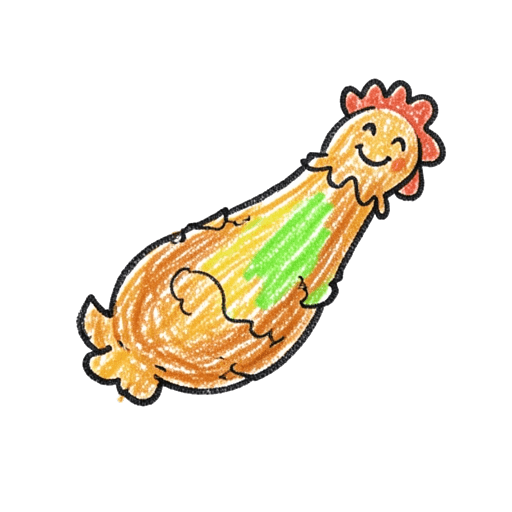
The drawing started on a napkin at a diner in Savannah, Georgia, where I’d gone to track down a recipe for buttermilk-fried chicken. The first scribble was just a chicken wing, but it looked like a sad, overcooked drumstick—all sharp angles and no personality.
I crumpled it up and tried again, this time focusing on the way the skin puckers when it’s done right. That’s when the wing started to curl, just slightly, like it was holding something in.
The proper drawn version took three tries. The first was too cartoony, the second too realistic—it looked like a butcher’s cut, not a dish you’d want to eat. The third was a compromise: the wing still had weight, but the curl was softer, like it was *almost* falling apart.
I added a single drop of oil on the paper to make it look like it was just out of the fryer, and suddenly it felt alive. The eyes were the last thing I drew, two tiny dots that made it look like it was watching you.
When it came time to simplify it for the browser tab, I had to let go of half of it. The oil drop went first—too easy to miss at that size—and the curl had to flatten into a suggestion. The eyes stayed, but they became just a hint of shading.
The final version is just a wing, a little charred at the tip, with enough detail to tell you it’s been handled with care.
I named it *Cluck*—not because it’s clever, but because it’s what my grandmother used to call the best pieces: *‘the ones that cluck when you cut them.’*
What I promise you
This site exists to give you recipes that work the first time—and if they don’t, to tell you exactly why. Here’s what you can count on:
What you can hold me to
- Every recipe has been tested in a real kitchen, not just copied from another site.
- No step is left out, and no timing is a guess—even if it means saying *‘22 minutes, give or take 2.’*
- If a recipe fails, we’ll tell you how to fix it before you even try.
- The focus isn’t just on the dish, but on the *process*—why this cut of meat, why this spice blend, why the rest time matters.
How I create a recipe
A recipe here starts with a question: *‘What’s the one thing that makes this dish unforgettable?’* For my grandmother’s chicken, it was the smoke from the low oven. For a spicy Thai curry, it’s the way the coconut milk clings to the chicken.
I don’t begin with a list of ingredients—I begin with that single moment, that one detail that turns a good dish into something you’d drive across town for. The rest is just figuring out how to make sure it doesn’t disappear.
The first cut: skin and temperature
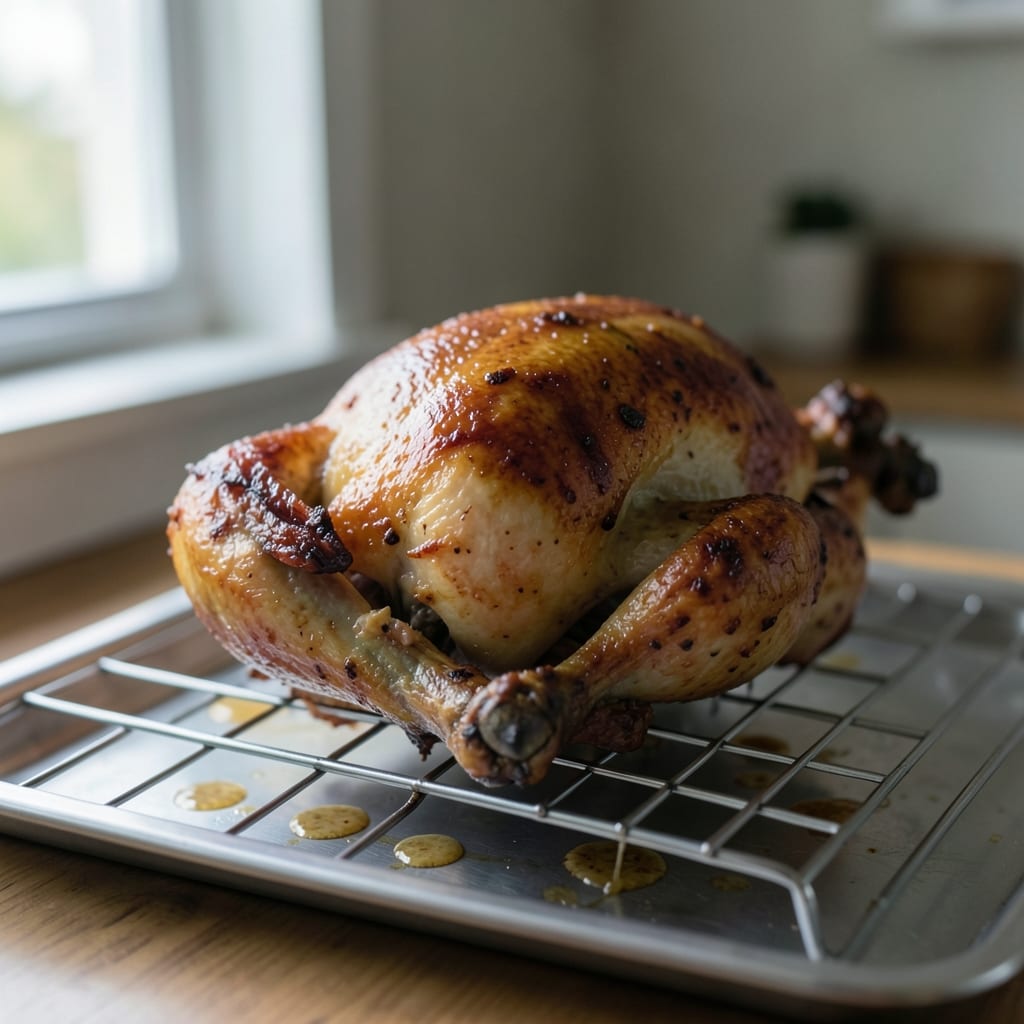
The first stage is always about the skin. Whether it’s fried, roasted, or grilled, the goal is the same: a crust that’s crisp but not burnt, a color that’s golden, not gray. I start with the chicken at room temperature—never straight from the fridge—because cold meat steams instead of sears.
The pan goes over medium heat, and I wait until it’s *smoking hot* before I add the oil. Too little, and the chicken sticks. Too much, and it splatters everywhere. The test? A drop of water should sizzle violently when it hits the pan.
I never move the chicken until the skin is set—usually 6 to 8 minutes for a thigh, 4 to 5 for a breast. If it’s not golden by then, I lower the heat slightly and give it more time.
The worst mistake is rushing: a pale spot means the fat under the skin hasn’t rendered, and the meat will end up dry.
I watch for the edges to pull away from the pan, and when they do, I know it’s time to flip—or, if it’s a whole bird, to rotate it. The smell is the last check: if the kitchen smells like burning, I pull it out.
If it smells like *chicken*, I keep going.
The fix: moisture and rest
No matter how perfect the skin, the real test is inside. For fried chicken, that means a dark meat so juicy it falls apart at the touch. For roasted thighs, it’s the way the juices pool under the skin. The fix is always the same: time and temperature control.
If the chicken comes out dry, it’s because it cooked too fast. If it’s greasy, it’s because the oil wasn’t hot enough. I adjust by either lowering the heat slightly or giving it more time—never by adding more oil midway, because that’s how you end up with soggy skin.
The rest is just as important. A roasted chicken needs 15 minutes off the heat before you cut into it. Fried chicken? At least 10, so the juices redistribute. I’ve ruined more meals by slicing too soon than by anything else.
The rule is simple: if you can’t wait, you’re doing it wrong. That’s when I pull out the thermometer—165°F for dark meat, 175°F for white—and trust the numbers over my instincts. Because sometimes, the best dishes need a little patience.
How a page gets onto this site
A recipe stays on the desk—literally, a wooden cutting board covered in scribbled notes—until it’s been tested twice. The first draft is always messy: I’ll write down every little adjustment, even the ones that didn’t work. The second time, I focus on clarity.
If a step feels unclear, I rewrite it. If a timing is a guess, I measure it. The notes get cut on the second read—no one needs to know about the three failed attempts to get the spice blend right—but the *why* always stays.
And if a recipe sits for months without being rewritten? That’s how I know it’s good.
Write to me
I love hearing about the recipes you’ve tried, the ones you’ve fixed, and the disasters you’ve turned into something better. Did a dish here work the first time? Did you tweak it in a way that surprised you?
Or did you walk away from the stove and wonder, *‘What did I do wrong?’The contact page is where you’ll find me, waiting for your story.
The recipes are grouped by category: Appetizers, Beverages, Desserts, Main Courses, Salads and Sauces & Condiments.