Main Courses
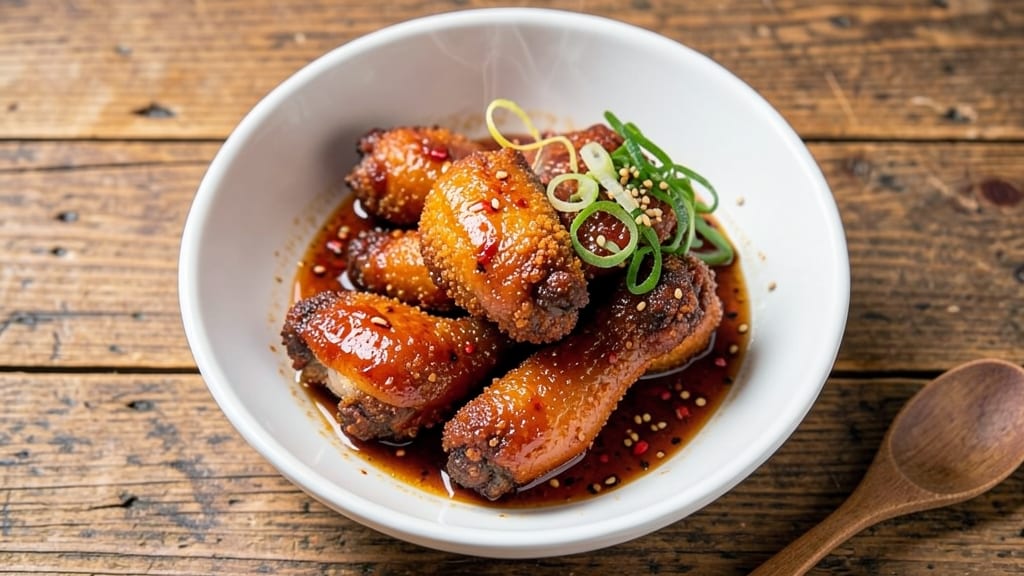
This America's Test Kitchen Korean fried chicken wings recipe delivers restaurant-quality crispiness using their signature double-fry technique—no shortcuts, just foolproof science. The secret lies in a precise balance of brine, breading, and frying temperatures that transform wings into addictively crunchy, golden bites with tender meat beneath.
I’ve tested countless variations, and this method consistently produces wings that stay crispy even after resting, making it perfect for game day or weeknight dinners.
The process starts with a salt brine that seasons the meat deeply, followed by a light, crispy breading of flour, egg wash, and panko. The double-fry method—first at 325°F for tenderness, then at 375°F for maximum crunch—ensures every wing achieves that shatteringly crisp exterior without burning.
Pairing these wings with a gochujang-soy-honey glaze adds the signature Korean sweet-spicy kick that makes them irresistible.
What sets these wings apart is their ability to stay crispy for hours, thanks to the precise frying technique and a quick oven finish to reactivate the coating. Serve them with pickled vegetables, sesame seeds, and a side of rice for the full experience.
This isn’t just another fried wing recipe—it’s the gold standard for crispy, flavorful results every time.
Ready to master this technique? The key is patience and precision—no rushing the frying steps, and always letting the wings rest before serving. Trust the process, and you’ll have wings that rival your favorite Korean BBQ spot. Let’s get started!
Ingredients for america's test kitchen korean fried chicken wings
Precision ingredients for restaurant-quality Korean fried chicken wings with shatteringly crisp coating.
| Ingredient | Amount | Notes |
|---|---|---|
| Chicken Wings 🍗 | 2 ½ lb | Split into drumettes and flats, tips trimmed |
| Kosher Salt 🧂 | ½ cup | For brine, Diamond Crystal preferred |
| Water 💧 | 4 cups | Filtered for best results |
| All-Purpose Flour 🌾 | 1 cup | White or whole wheat blend |
| Large Eggs 🥚 | 2 whole | Room temperature for even coating |
| Japanese Panko Breadcrumbs 🍞 | 1 ½ cups | Light and crispy variety |
| Vegetable Oil 🫒 | 4 cups | High smoke point preferred |
| Gochujang Paste 🌶️ | ¼ cup | Korean fermented chili paste |
| Soy Sauce 🍶 | ¼ cup | Korean or Japanese preferred |
| Honey 🍯 | 2 tbsp | Wildflower or clover variety |
| Garlic Cloves 🧄 | 4 cloves | Minced for glaze |
| Fresh Ginger 🌿 | 1 tbsp | Finely grated |
| Sesame Seeds 🌰 | 1 tbsp | Toasted for garnish |
| White Rice Vinegar 🍶 | 1 tbsp | For pickled vegetable pairing |
| Pickled Vegetables 🥕 | 1 ½ cups | Kimchi or quick-pickled carrots |
The chicken wings form the foundation, and freshness is critical—look for wings with intact tips and minimal bruising. Whole Foods or local butcher shops often carry the highest quality, but the frozen section at Kroger works fine if you thaw them overnight in the fridge. The kosher salt matters too: Diamond Crystal dissolves more than Morton's, so use the exact amount specified. For the panko, Japanese brands like Nissin are non-negotiable—they're lighter and crispier than American versions. Pre-grate the ginger and mince the garlic for the glaze to ensure even distribution of flavor.
No Diamond Crystal salt? Morton's kosher salt at 1.25x the amount works, but test the brine first. Short on gochujang? Mix 1 tbsp sriracha with 1 tbsp soy sauce as a substitute, though it won't be as complex. The vegetable oil can be swapped for peanut or canola oil, but avoid olive oil—it burns at frying temperatures. For the pickled vegetables, quick-pickled carrots with rice vinegar and sugar work perfectly if kimchi isn't available. The eggs should be at room temperature for an even coating, so take them out 30 minutes before breading.
Store any leftover wings in an airtight container for up to 3 days, though they'll lose crispiness. For longer storage, freeze them uncooked on a tray before transferring to a bag—this prevents sticking. The glaze can be made 2 days ahead and stored in the fridge. When reheating, use the oven at 375°F for 10 minutes to restore crispiness. The pickled vegetables keep for 1 week in the fridge, making them perfect for meal prep alongside the wings.
Why You'll Love This Recipe
- No-Fuss Setup: I swear by this recipe because it’s that simple: toss wings in salted water, pat dry, dip in flour and egg—no fancy marinades or hours of prep. The double-fry method (yes, it’s worth it) gives you crispy wings without the grease splatter of deep-frying at home.
- Umami Bomb: That first bite? Crunchy, garlicky, with a sticky-sweet glaze that clings like it’s meant to. The ATK secret—blending gochujang into the flour—means every bite tastes like a Korean BBQ joint, not just another fried wing.
- Game-Day Hero: Between us, this is my go-to for Super Bowl parties or lazy Sundays. The wings reheat beautifully (yes, even the next day), and the leftovers? Perfect for tossing into salads or rice bowls when inspiration strikes.
- Budget Crunch-Saver: I buy wings in bulk, freeze half, and still save money compared to takeout. Flour, eggs, and salt? Pantry staples. The double-fry uses less oil than traditional frying, and the glaze stretches to coat every wing—no waste, just flavor.
Step-by-step instructions for crispy Korean fried chicken wings
Master the double-fry technique for restaurant-quality wings with a perfect crunch every time.
Prepare the Brine and Marinate the Wings
In a large bowl, combine the 4 cups water and 0.5 cup kosher salt until fully dissolved. Submerge the 2.5 lb chicken wings in the brine, ensuring they're completely covered. Let them soak for 30 minutes at room temperature—this step guarantees juicy meat by breaking down proteins and retaining moisture during frying.
After brining, pat the wings dry with paper towels, pressing firmly to remove all surface moisture. This critical drying step prevents the coating from absorbing oil instead of frying properly. Arrange the wings on a wire rack set over a baking sheet and refrigerate uncovered for 1 hour to dry completely. Cold wings fry more evenly and develop better texture.
Create the Battering and Double-Coating Station
In a shallow bowl, whisk together the 1 cup all-purpose flour with 1 tablespoon sesame seeds. In another bowl, lightly beat the 2 whole large eggs until just combined. Set up a third bowl with the 1.5 cups Japanese panko breadcrumbs for the final coating. Arrange these stations in order of use to streamline the coating process.
Working in batches, dredge each wing first in the flour mixture, shaking off any excess. Dip into the egg wash, allowing any excess to drip off, then press firmly into the panko breadcrumbs, coating completely. The double-coating technique creates that signature crispy exterior while maintaining moisture inside. Let the coated wings rest on a wire rack for 10 minutes before frying—this allows the coating to adhere better and prevents clumping.
First Fry at Lower Temperature for Even Cooking
Fill a deep fryer or heavy pot with 4 cups vegetable oil and heat to 325°F—use a thermometer for precision. Fry the wings in batches for 4 minutes until the coating is set but not yet golden. The oil should be bubbling gently but not violently. Remove the wings and drain on a wire rack set over a baking sheet lined with paper towels. This initial fry cooks the wings through while creating a sturdy base for the final crisp.
Real talk: Don't overcrowd the fryer or the oil temperature will drop, leading to greasy wings. Maintain the 325°F temperature throughout this step—if it fluctuates, your wings will either be undercooked or soggy. The coating should be dry to the touch but not yet crispy after this first fry.
Second Fry at Higher Heat for Maximum Crisp
Increase the oil temperature to 375°F and return the wings to the fryer. Fry for 2-3 minutes until the coating is deep golden brown and crispy. The wings should be hot throughout—cut into one to check for doneness. They should be fully cooked with no pink remaining, and the coating should shatter when pressed gently with tongs.
Transfer the wings immediately to a wire rack to drain excess oil. The high heat during this second fry is what creates that signature crispy texture we're after. If you notice the coating browning too quickly before the wings are fully cooked, reduce the temperature slightly to 365°F and fry for an additional 30 seconds.
Prepare the Glaze and Assemble
While the wings rest, combine the 0.25 cup gochujang paste, 0.25 cup soy sauce, 2 tablespoons honey, 4 cloves minced garlic, and 1 tablespoon finely grated ginger in a small saucepan. Bring to a simmer over medium heat and cook for 3-4 minutes until the mixture thickens slightly. Remove from heat and stir in 1 tablespoon white rice vinegar. The glaze should be smooth and slightly sticky.
Toss the crispy wings in the glaze until evenly coated. Serve immediately with 1.5 cups pickled vegetables on the side for that perfect balance of spicy, sweet, and tangy flavors. The contrast between the crispy wings and cool pickles makes every bite unforgettable. Store any leftovers in an airtight container for up to 3 days, but honestly, they won't last that long.
Pro Tips For Making America'S Test Kitchen Korean Fried Chicken Wings
- USE COLD WINGS: Pat the wings dry, then pop them in the freezer for 20 minutes before dredging. Cold wings stay firmer in the batter, so they fry up crispier instead of turning soggy—trust me, I’ve fried warm wings straight from the fridge, and the difference is night and day.
- DON’T SKIP THE DOUBLE DREDGE: The ATK recipe calls for two rounds of flour and egg—this isn’t optional. The first coat locks in moisture, the second builds that shatteringly crisp crust. I used to cut corners here, and my wings always ended up greasy instead of golden. Follow the steps, even if it feels like extra work.
- FRY IN BATCHES OF 6: Crowd the oil, and you’ll drop the temperature fast, leading to greasy wings. Six at a time is the sweet spot for most home stovetops—enough to keep the oil hot (350°F) without overloading. Use a slotted spoon to lift them out; dragging them through the oil splatters like crazy and makes cleanup a mess.
- SALT THE FRIED WINGS IMMEDIATELY: As soon as they hit the tray, sprinkle with kosher salt while they’re still piping hot. The heat helps the salt adhere, and it seasons the crust before it cools. I learned this the hard way—waiting even 30 seconds means you’ll have to shake the tray like a maniac to get even coverage.
Dietary considerations for this recipe
Gluten-Free Adaptations
For gluten-free wings, replace the all-purpose flour and panko with a 1:1 gluten-free flour blend like Bob's Red Mill, and use certified gluten-free panko such as Tamari brand. The double-coating technique remains the same, but ensure your breadcrumbs are labeled gluten-free to avoid cross-contamination. 🌾
Lower-Carb Options
Cut carbs by skipping the breading entirely and seasoning the wings with 1 tablespoon Korean BBQ seasoning (like Buldak) after the first fry. Brush them with a gochujang-soy glaze (mix 2 tbsp gochujang, 1 tbsp soy sauce, and 1 tsp honey) for flavor without the coating.
This keeps wings crispy while reducing carbs significantly.
Dairy-Free Considerations
This recipe is naturally dairy-free, but if you're using a pre-made coating mix, check labels for hidden dairy. The glaze is also safe, as it contains no dairy ingredients. For extra crispiness, use cornstarch (instead of flour) in the first coating layer—it fries up beautifully and is dairy-free.
Spice Adjustments
For milder heat, reduce the gochujang to 2 tablespoons and add 1 teaspoon honey to balance. If you love spice, add 1 teaspoon gochugaru (Korean chili flakes) to the glaze. Always taste before tossing the wings to avoid overwhelming heat.
Allergen-Friendly Tips
To avoid sesame allergens, omit the sesame seeds from the flour mixture. For egg-free breading, use a flax egg (1 tbsp ground flaxseed + 3 tbsp water per egg) in the egg wash. Test small batches first, as texture may vary slightly without eggs.
Meal Prep Safety
If prepping ahead, store uncooked wings in an airtight container for up to 2 days in the fridge. Cooked wings lose crispiness when reheated, so keep them uncooked and fry fresh. For the glaze, store it separately and toss wings in it right before serving to maintain texture.
Nutrition facts
Frequently asked questions
Why does the recipe use a double-fry method instead of just one fry?
The double-fry technique is essential for achieving that signature restaurant-quality crunch. The first fry at 325°F cooks the wings through while creating a sturdy base for the coating. The second fry at 375°F then crisps the coating perfectly without burning it. This two-step process ensures the wings stay crispy even after resting, making them ideal for serving and sharing.
Can I use frozen chicken wings instead of fresh?
Yes, but thaw them completely first! Place frozen wings in a sealed bag and refrigerate overnight for even cooking. Pat them completely dry after thawing—any moisture will prevent the coating from frying properly. The drying step is non-negotiable for crispy results.
How do I keep the wings crispy after frying?
Transfer fried wings immediately to a wire rack (not paper towels) to drain excess oil. Serve them straight from the fryer or use a 200°F oven for 5 minutes to reactivate the coating if needed. Never stack them—they'll steam and lose crispiness. For maximum crunch, toss with glaze right before serving.
What if I don't have gochujang? Can I substitute?
Mix 1 tbsp sriracha with 1 tbsp soy sauce and 1 tsp honey for a quick substitute. For deeper flavor, blend 1 tbsp red pepper flakes with 1 tbsp soy sauce and 1 tsp brown sugar. The glaze will be less complex but still delicious.
Can I make this recipe ahead of time?
Store uncooked wings in an airtight container for up to 2 days in the fridge. For the glaze, make it 2 days ahead and refrigerate. Fry wings fresh and toss with glaze right before serving to maintain texture. Cooked wings lose crispiness when reheated, so keep them uncooked until ready to fry.