
Sauces & Condiments
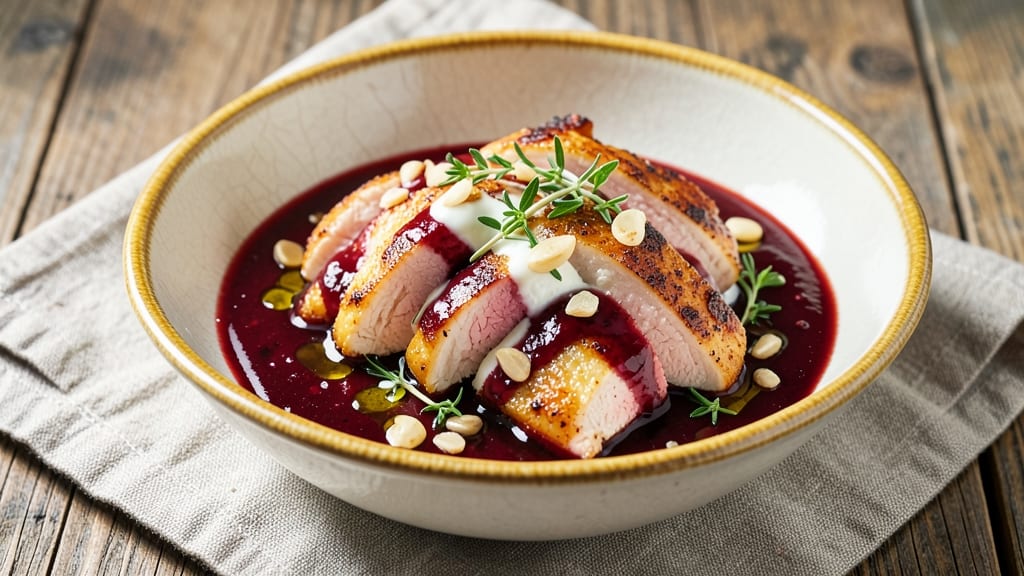
This balsamic chicken sauce delivers restaurant-quality depth with just five ingredients—tangy balsamic vinegar, rich chicken broth, butter, and aromatic herbs. The secret lies in slow reduction, where caramelized balsamic transforms into a glossy, velvety sauce with layers of umami and sweetness that clings perfectly to grilled chicken or roasted vegetables.
The process is straightforward yet transformative: simmering chicken broth with butter and herbs creates a fragrant base, while balsamic vinegar adds complexity as it reduces into a glossy, syrupy consistency. This sauce isn’t just a finishing touch—it’s the star, elevating simple proteins into something extraordinary with minimal effort.
Perfect for drizzling over grilled chicken, tossing with pasta, or enhancing roasted vegetables, this sauce keeps beautifully in the refrigerator for up to a week. The balance of tangy, sweet, and savory flavors makes it incredibly versatile, turning everyday meals into something special without the fuss.
What sets this recipe apart is its ability to transform ordinary dishes into gourmet experiences. The slow reduction process concentrates flavors, ensuring every drizzle delivers bold, caramelized notes that linger. Whether you're preparing a weeknight dinner or a weekend feast, this sauce will become a staple in your culinary repertoire.
Ingredients for balsamic chicken sauce
Five ingredients transform into a restaurant-worthy sauce with just patience and heat.
| Ingredient | Amount | Notes |
|---|---|---|
| Extra-Virgin Olive Oil 🫒 | ¼ cup | High-quality, fruity variety preferred |
| Balsamic Vinegar 🍷 | ½ cup | Aged 25+ years for depth |
| Chicken Broth 🍲 | 2 cups | Low-sodium, homemade preferred |
| Unsalted Butter 🧈 | 3 tbsp | Cold, cubed for slow melting |
| Fresh Thyme Leaves 🌿 | ¼ cup | Stems removed, finely chopped |
| Garlic Cloves 🧄 | 3 cloves | Minced, not pre-minced jarred |
| Diamond Crystal Kosher Salt 🧂 | ½ tsp | Adjust to taste after reduction |
| Black Peppercorns 🌶️ | ¼ tsp | Freshly cracked, not ground |
The balsamic vinegar is the star—aged 25+ years delivers the deepest caramelized notes. Balzanello or Giovanni Rinaldi are premium choices, but any aged balsamic works. Fresh thyme and garlic should be minced just before use—pre-minced garlic loses flavor fast. For the broth, homemade is ideal, but Kirkland Signature or Pacific Foods low-sodium versions work well. The butter adds richness, so use European-style if available—it has higher fat content for better sauce body.
No aged balsamic? Red wine vinegar plus 1 tbsp brown sugar mimics the depth. Fresh thyme unavailable? Dried thyme at one-third the amount suffices, but fresh is non-negotiable for true flavor. Pre-minced garlic? Fresh cloves minced yourself are worth the effort—they release more aroma. For a quicker version, reduce the broth first, then add vinegar and butter at the end. The sauce should coat the back of a spoon—if too thin, reduce uncovered for 5 more minutes.
Store in an airtight container in the fridge for up to 1 week, covered with a thin layer of olive oil to preserve freshness. Reheat gently over low heat, stirring occasionally. For longer storage, freeze in ice cube trays—perfect for single-use portions. The sauce's flavor actually improves after 24 hours as the vinegar's acidity mellows and caramelizes further.
Why You'll Love This Recipe
- One-Pot Magic: I swear by this recipe—just toss everything into one pot, simmer, and walk away. No chopping, no fussing, just that rich balsamic reduction clinging to tender chicken like a hug from a good friend.
- Sweet-Savory Balance: That balsamic vinegar isn’t just for salad—it caramelizes into a glossy, tangy-sweet sauce that cuts through the richness of the butter. The thyme? Little floral bursts that make every bite feel like a little celebration.
- Weeknight to Dinner Party: Same sauce, endless uses. Drizzle it over pasta, spoon it onto grilled chicken, or even slather it on toast with a sprinkle of Parmesan. Honestly, I’ve served it at both my "I’m too tired to cook" nights and my "let’s impress the in-laws" dinners—no judgment either way.
- Leftovers That Don’t Suck: Between us, most sauces turn into sad, watery glue after day two. Not this one. The butter keeps it velvety, the broth adds depth, and the balsamic holds up for days. I’ve reheated this sauce three mornings in a row for breakfast hash—yes, really—and no one’s complained.
Step-by-step instructions for balsamic chicken sauce
This method delivers a velvety, caramelized reduction with deep umami complexity—perfect for drizzling over grilled chicken or pasta.
Bloom the Aromatics in Olive Oil
Heat the 0.25 cup extra-virgin olive oil in a medium saucepan over medium-low heat until shimmering. Add the 3 minced garlic cloves and 0.25 cup finely chopped fresh thyme leaves, stirring constantly for 1-2 minutes until the garlic becomes translucent and fragrant—not browned.
This gentle cooking prevents bitterness in the garlic while allowing the thyme to release its piney aroma. If the oil smells acrid or the garlic darkens, reduce the heat immediately. The thyme should soften slightly but retain its vibrant green color.
Deglaze with Balsamic Vinegar
Increase heat to medium-high and carefully pour in the 0.5 cup aged balsamic vinegar. Stir vigorously as it bubbles, scraping up any browned bits from the pan's bottom. Let the mixture reduce by half—about 3-4 minutes—until it thickens slightly and develops a glossy sheen.
Watch closely here: the balsamic should darken to a deep amber color, indicating proper reduction. If it reduces too quickly, lower the heat slightly to maintain control. The aroma should evolve from sharp vinegar to complex, caramelized sweetness.
Build the Sauce with Butter and Broth
Reduce heat to low and add the 3 tablespoons cold cubed unsalted butter, stirring constantly until fully melted and emulsified into the balsamic reduction. Pour in the 2 cups chicken broth all at once, then bring to a gentle simmer.
Simmer uncovered for 8-10 minutes until the sauce reduces by about one-third and coats the back of a spoon. The butter should create a satin finish, and the sauce should thicken enough to lightly cling to the pan's sides when tilted.
Season and Finish the Reduction
Remove from heat and stir in the 0.5 teaspoon Diamond Crystal kosher salt and 0.25 teaspoon freshly cracked black peppercorns. Taste and adjust seasoning—this sauce should balance sweet, tangy, and savory notes with a subtle herbal brightness.
For maximum depth, let the sauce rest off heat for 5 minutes to allow flavors to meld. If using immediately, return to low heat for 1 minute to reheat gently. The finished sauce should coat a spoon with a velvety texture and glossy sheen.
Pro Tips For Making Balsamic Chicken Sauce
- Simmer Slow and Low: I learned this the hard way—boiling balsamic vinegar ruins its depth. Keep the heat at a gentle simmer (tiny bubbles, not rolling) once the broth and vinegar hit the pan. If it starts splattering, you’re too hot, and that sharp acid flavor will turn bitter instead of caramelizing into something rich.
- Bloom the Thyme First: Toss the fresh thyme leaves into the olive oil and butter before adding any liquid. Let them sizzle for 20 seconds until the oil turns fragrant—this releases their oils and makes the whole sauce smell like a Tuscan market. Skip this, and you’re just sprinkling dried herbs on top.
- Deglaze with Broth, Not Water: After browning your chicken (if you are), don’t grab the water. Use the chicken broth first to scrape up the fond stuck to the pan—it’s packed with flavor. Water’s fine in a pinch, but broth adds instant depth that turns a good sauce into a great one.
- Finish with Cold Butter: Stir in a pat of chilled unsalted butter at the very end, off the heat. It coats the sauce, mellows the acidity, and gives it that silky finish. I used to add it while hot, and the sauce would break—now it’s always velvety. (Yes, even if you’re impatient like me.)
Wine and beer pairings for balsamic chicken sauce
Red Wine Pairings
A medium-bodied Chianti Classico from Tuscany is my go-to pairing—its bright acidity and cherry notes mirror the sauce's tangy-sweet balance. Look for a Sangiovese-based wine with 12-14% ABV to stand up to the rich balsamic without overpowering it.
Serve slightly chilled (55-60°F) to enhance both the wine's freshness and the sauce's caramelized depth. 🍷
Italian White Options
For a lighter approach, try a crisp Vermentino from Sardinia or a Pinot Grigio from Alto Adige. These whites offer citrusy brightness that cuts through the sauce's richness while complementing its herbal thyme notes.
Aim for wines with 12.5% ABV or less to maintain balance. I find Santa Margherita Pinot Grigio consistently delivers the perfect contrast.
Beer Pairings
A Belgian witbier like Hoegaarden or Stella Artois works surprisingly well—its coriander and orange peel notes echo the sauce's herbal complexity. For a malty option, choose a German Helles Lager with subtle caramel undertones that harmonize with the balsamic's sweetness.
Serve beer at 45-50°F to let its crispness shine alongside the sauce's velvety texture.
Unexpected Cocktail Twist
Transform your sauce into a signature cocktail by reducing it further and mixing 2 oz with 1 oz bourbon and a splash of tonic water. Strain into a chilled coupe glass and garnish with a thyme sprig.
The balsamic's depth pairs beautifully with the bourbon's caramel notes, creating a sophisticated aperitif. 🍸
Non-Alcoholic Alternatives
For a refreshing non-alcoholic match, try sparkling San Pellegrino Aranciata or Fever-Tree Blood Orange Soda. The citrus notes enhance the sauce's herbal brightness, while the effervescence cleanses the palate. For a richer option, serve with chilled hibiscus iced tea—its tartness complements the balsamic's sweetness beautifully.
Nutrition facts
Frequently asked questions
Can I substitute regular balsamic vinegar for aged balsamic?
While you can use regular balsamic vinegar, the flavor will be sharper and less complex. For a similar depth, mix 0.5 cup regular balsamic vinegar with 1 tbsp brown sugar or 1 tbsp honey before reducing. The caramelization process will still create a glossy finish, but aged balsamic delivers that signature rich, velvety texture that's hard to replicate.
How do I know when the sauce is reduced enough?
The sauce is ready when it coats the back of a spoon smoothly and reduces by about one-third of its original volume. It should also develop a glossy sheen and cling lightly to the pan's sides when tilted. If it's still too thin, simmer uncovered for another 2-3 minutes—just watch closely to prevent burning. The perfect consistency is velvety, not syrupy.
Can I make this sauce ahead of time?
This sauce actually tastes better after 24 hours as the flavors meld and the acidity mellows. Store it in an airtight container in the fridge for up to 1 week, covered with a thin layer of olive oil to preserve freshness. For longer storage, freeze in ice cube trays—perfect for single-use portions. Reheat gently over low heat, stirring occasionally.
What are the best ways to use this sauce?
This versatile sauce works beautifully drizzled over grilled or roasted chicken, tossed with pasta, or spooned over roasted vegetables like Brussels sprouts or asparagus. It also elevates simple dishes like mashed potatoes or polenta. For extra flair, use it as a dipping sauce for crusty bread or as a glaze for seared scallops. The key is to drizzle it generously—it's rich but not overpowering.
Why did my sauce turn out too thin?
If your sauce is too thin, it likely didn't reduce enough. Always simmer uncovered to allow moisture to evaporate properly. For a quicker fix, return the sauce to low heat and reduce it for another 5-10 minutes, stirring occasionally. If it's still too thin, stir in 1 tsp cornstarch mixed with 1 tbsp cold water and simmer for 1-2 minutes until thickened. Avoid high heat, which can break the sauce's delicate emulsion.