
Soups & Stews
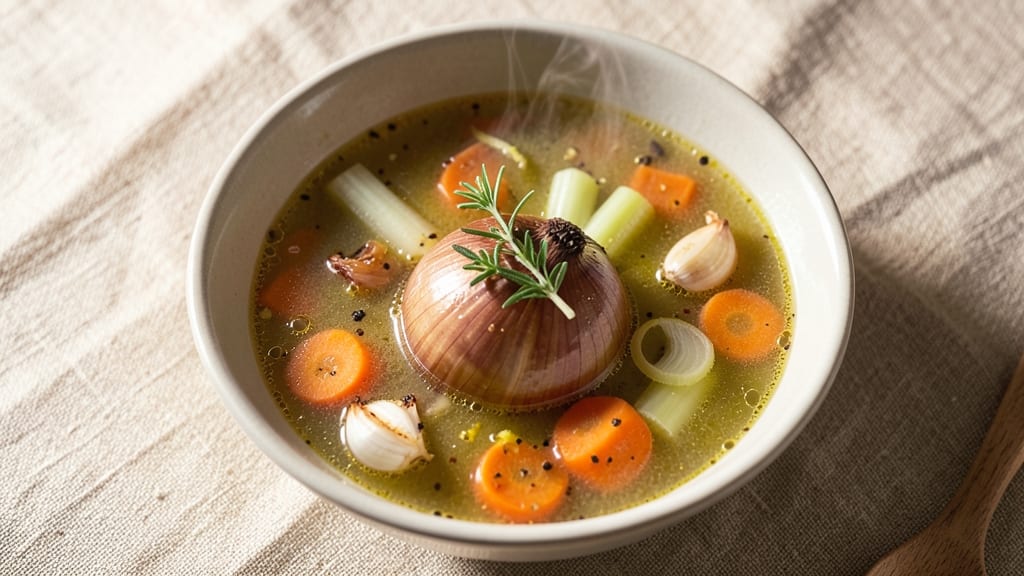
A warm bowl of basic chicken stock soup transforms simple ingredients into comforting, restaurant-quality flavor with minimal effort. The secret lies in building layers of umami through slow-simmered aromatics and rich stock—no fancy techniques required.
This recipe delivers deep, savory satisfaction in under an hour, perfect for chilly evenings or when you need nourishment fast.
Start with a proper chicken stock base (homemade or high-quality store-bought) as the foundation, then layer in sautéed onions, carrots, and celery for classic "holy trinity" flavor.
Fresh herbs like thyme and bay leaves infuse the broth with aromatic depth, while a splash of lemon juice at the end brightens the richness. The beauty of this soup is its flexibility—add chicken, noodles, or vegetables based on what you have.
What you'll end up with is a velvety, comforting soup that's lighter than stew but packed with flavor—every spoonful delivers tender vegetables, savory broth, and subtle herbal notes.
The texture is perfectly balanced: silky broth with slight body, vegetables that stay crisp-tender, and a finish that's neither too heavy nor too light. It's the kind of meal that feels like a hug in a bowl.
Serve with crusty bread for dipping or a sprinkle of fresh parsley for color. This soup reheats beautifully, making it ideal for meal prep. Let's get started with the recipe—your taste buds will thank you.
Ingredients for basic chicken stock soup
Start with rich chicken stock and aromatic vegetables for restaurant-quality comfort in one pot.
| Ingredient | Amount | Notes |
|---|---|---|
| Chicken Stock 🍗 | 6 cups | Homemade or high-quality store-bought |
| Yellow Onion 🧅 | 1 whole | Diced, medium size |
| Carrots 🥕 | 2 medium | Peeled, sliced into rounds |
| Celery Stalks 🧅 | 2 whole | Diced, including leaves |
| Garlic Cloves 🧄 | 3 cloves | Minced, fresh preferred |
| Fresh Thyme 🌿 | ¼ cup | Leaves only, chopped |
| Bay Leaves 🌿 | 2 whole | Dried, standard size |
| Salt 🧂 | 1 tsp | Diamond Crystal kosher |
| Black Peppercorns 🌶️ | ½ tsp | Freshly cracked |
| Lemon Juice 🍋 | 1 tbsp | Freshly squeezed |
| Fresh Parsley 🌿 | 0.1 cup | Chopped, for garnish |
| Cooked Chicken Breast 🍗 | 1 cup | Shredded, optional |
| Olive Oil 🫒 | 1 tbsp | Extra-virgin for sautéing |
The stock is non-negotiable here—homemade is ideal, but Pacific Foods or Swanson's work in a pinch. Look for clear broth with no added MSG. The holy trinity of onion, carrot, and celery builds the flavor base, so don't skimp. Organic produce from the grocery store's fresh section keeps the soup vibrant. For the thyme, I always grab fresh from the farmers market—it's worth the extra few bucks for that herbal punch. Bay leaves? Grab a box at Trader Joe's—they're cheap and potent.
No fresh thyme? Dried works at one-third the amount, but fresh is worth it. Running low on chicken stock? Vegetable stock with a splash of soy sauce adds umami depth. Want more body? Add a spoonful of cornstarch slurry at the end. The lemon juice brightens everything—freshly squeezed is a must. No lemon? Apple cider vinegar at half the amount works in a bind. For the chicken, rotisserie chicken from the deli is the easiest way to add protein without extra effort.
This soup tastes even better the next day—make extra portions for leftovers. Store in airtight containers for 4-5 days in the fridge or 3 months frozen. The vegetables stay crisp-tender if you freeze it before adding them back in. Garnish with parsley just before serving—it wilts fast—and serve with crusty bread. The broth reduces slightly when reheated, so add a splash of water if it gets too thick.
Why You'll Love This Recipe
- Soup in Minutes: I swear, this is the kind of recipe where you can chop while watching a show—no fancy skills needed. Diced onion, carrots, celery, and garlic go in the pot, simmer in stock, and boom. Done. My lazy Sundays just got a whole lot cozier.
- Umami Bomb: That garlic and onion base? It builds flavor like magic. The stock gets rich and deep, while the carrots add natural sweetness—no salt bombs or weird seasoning packets required. Honestly, the first time I tasted it, I thought, "Wait, this is too good to be basic."
- Pantry Staple Power: Between us, this recipe costs next to nothing. You’re using ingredients you probably already have, and the stock? You can make it from scraps or buy it cheap. It’s the kind of dish that makes me feel like I’m feeding my family well without breaking the bank. (Yes, even on a Tuesday night.)
Step-by-step instructions for savory chicken stock soup
Here's how to build a rich, aromatic broth into a comforting soup with layers of umami flavor.
Sauté the Vegetable Base
Heat the 1 tablespoon olive oil in a large pot over medium heat. Add the 1 whole yellow onion, 2 medium carrots, and 2 whole celery stalks, stirring occasionally for 5-6 minutes until the vegetables soften and the onion becomes translucent. This foundational step develops the soup's depth by caramelizing natural sugars in the vegetables.
Next, add the 3 cloves garlic and cook for 30 seconds until fragrant. The garlic should sizzle gently without browning—this ensures its flavor infuses without bitterness. I like to press the garlic cloves with the back of a spoon to release their oils more effectively. Stir in the 0.25 cup fresh thyme and 2 whole bay leaves, letting them toast briefly for 30 seconds to release their aromatic compounds.
Build the Broth Foundation
Pour in the 6 cups chicken stock, bringing the mixture to a gentle simmer over medium-low heat. Add the 1 teaspoon salt and 0.5 teaspoon black peppercorns, stirring to dissolve completely. The broth should bubble softly—not vigorously, as this prevents the vegetables from breaking down too quickly.
Let the soup simmer uncovered for 15 minutes, allowing the flavors to meld. You'll notice the vegetables soften further and the broth takes on a deeper golden hue. This is where the magic happens—the vegetables release their sweetness and the herbs infuse the stock with their earthy notes. Skim off any foam that rises to the surface to keep the broth clear.
Finish with Brightness and Protein
After 15 minutes, remove the pot from heat and stir in the 1 tablespoon lemon juice. This bright citrus note cuts through the richness of the broth, adding a refreshing contrast that elevates the entire dish. Add the 1 cup cooked chicken breast, shredding it directly into the pot for even distribution. The chicken will absorb the broth's flavors while keeping the soup light and protein-rich.
Return the soup to low heat and let it warm through for 2-3 minutes, just until the chicken is heated through. The soup should be steaming gently—not boiling, as this prevents the vegetables from becoming mushy. Taste and adjust seasoning if needed, adding a pinch more salt or a splash of lemon juice as desired.
Garnish and Serve
Ladle the soup into bowls and garnish each serving with 0.1 cup fresh parsley. The parsley adds a pop of color and freshness, balancing the soup's savory depth. Serve immediately while hot, as the flavors continue to develop as the soup sits. The broth should coat the back of a spoon with a velvety texture, and each bite should deliver a harmonious blend of umami, sweetness, and brightness.
For extra richness, drizzle a bit of the reserved chicken fat over the top or serve with crusty bread to soak up every last drop of that flavorful broth. This soup is the perfect canvas for customization—feel free to add other vegetables like mushrooms or spinach at the end, or swap in different herbs like rosemary or sage for a unique twist.
Pro Tips For Making Basic Chicken Stock Soup
- Sweat the Veggies First: Don’t just toss chopped onion, carrots, and celery into the stock. Sauté them in a dry pot over medium-high heat for 5-7 minutes until the onion turns translucent and the carrots release their sweetness. This builds flavor—trust me, skipping this step makes the soup taste like it’s missing something.
- Cut Celery Small: I used to leave celery stalks in big chunks, thinking they’d soften nicely. Wrong. Dice them into ¼-inch pieces so they dissolve into the stock instead of turning to mush. Same goes for carrots—smaller pieces cook faster and infuse more flavor.
- Don’t Boil the Garlic: Once you add minced garlic to the pot, keep the heat at a simmer, not a boil. Garlic burns fast and turns bitter—like someone put soap in your soup. A gentle simmer for 2-3 minutes is all it needs to perfume the stock without ruining it.
- Use Homemade Stock: Store-bought stock is fine in a pinch, but homemade—even just simmering chicken bones with a few veggies—adds depth. If you’re short on time, at least reduce the stock by half on the stove first to concentrate the flavor. Your soup will taste richer without extra salt.
Storing and reheating this recipe
Fridge Storage Tips
Let your soup cool to room temperature for no more than 2 hours before storing—this prevents bacterial growth. Transfer to airtight glass containers (I love Pyrex with snap lids) and refrigerate for up to 4-5 days.
The flavors actually deepen overnight as the broth absorbs the vegetables' essence. Label containers with the date to track freshness. 🥫
Freezer Magic
For long-term storage, freeze soup in quart-sized freezer bags with 1-inch headspace to prevent expansion cracks. Lay bags flat for efficient stacking. This soup freezes beautifully for 3 months—just thaw overnight in the fridge before reheating.
Pro tip: Freeze portions without the chicken to reheat separately and add fresh protein later. ❄️
Stovetop Reheating
My preferred method is stovetop reheating over medium-low heat. Add ¼ cup water or stock to prevent sticking, then heat for 10-15 minutes, stirring occasionally. The soup should reach 165°F internal temperature. Taste and adjust seasoning—it often needs a pinch more salt after reheating. 🔥
Microwave Shortcuts
For quick reheating, use 70% power in 2-minute intervals, stirring between each. Cover with a microwave-safe lid or damp paper towel to retain moisture. Add 1 tablespoon water if the soup appears too thick. Never reheat past 165°F to maintain food safety. 💫
Vegetable Preservation
To keep vegetables crisp-tender after reheating, add them fresh when serving. Store broth and chicken separately in the freezer, then combine when ready to eat. This method preserves texture better than reheating everything together. For extra freshness, add 1 tablespoon lemon juice before serving. 🥕
Garnish Refresh
Always add fresh parsley or herbs after reheating—they wilt quickly when heated. I keep a small jar of chopped parsley in the fridge for quick garnishing. A drizzle of extra-virgin olive oil or a sprinkle of Parmesan cheese adds restaurant-quality finishing touches. 🌿
Nutrition facts
Frequently asked questions
Can I use store-bought chicken stock instead of homemade?
Yes! High-quality store-bought chicken stock works perfectly—just choose brands without added MSG or preservatives. Look for clear, unseasoned broth like Pacific Foods or Swanson's. For extra depth, add a splash of soy sauce or a pinch of miso paste to boost umami flavor.
How do I adjust the recipe for a quicker version?
Swap the 15-minute simmer for a 10-minute pressure cooker cycle (high pressure) or 5 minutes in an Instant Pot. Use pre-diced veggies and skip the long sauté—just toss everything in raw with the stock. For freshness, add lemon juice and herbs at the very end.
What if my soup tastes too bland?
Start with a pinch more salt, then boost umami by adding 1 teaspoon soy sauce or ½ teaspoon fish sauce (Asian markets carry this). For depth, stir in 1 tablespoon tomato paste or a splash of Worcestershire sauce. Fresh herbs like tarragon or a sprinkle of smoked paprika can also elevate flavors.
Can I make this soup vegetarian?
Replace the chicken stock with vegetable stock and skip the chicken. Add ½ cup cooked lentils or 1 cup chopped mushrooms for protein. For extra richness, stir in 1 tablespoon nutritional yeast or a splash of white wine. The same aromatic veggies and herbs work beautifully.
Why did my vegetables turn mushy?
Overcooking is the most likely culprit—keep the simmer gentle (medium-low heat). For crisp-tender veggies, add carrots and celery only 5 minutes before serving. If using potatoes, cut them small and add them last. For extra texture, blanch veggies first (boil 3 minutes, then shock in ice water) before adding to the soup.