
Soups & Stews
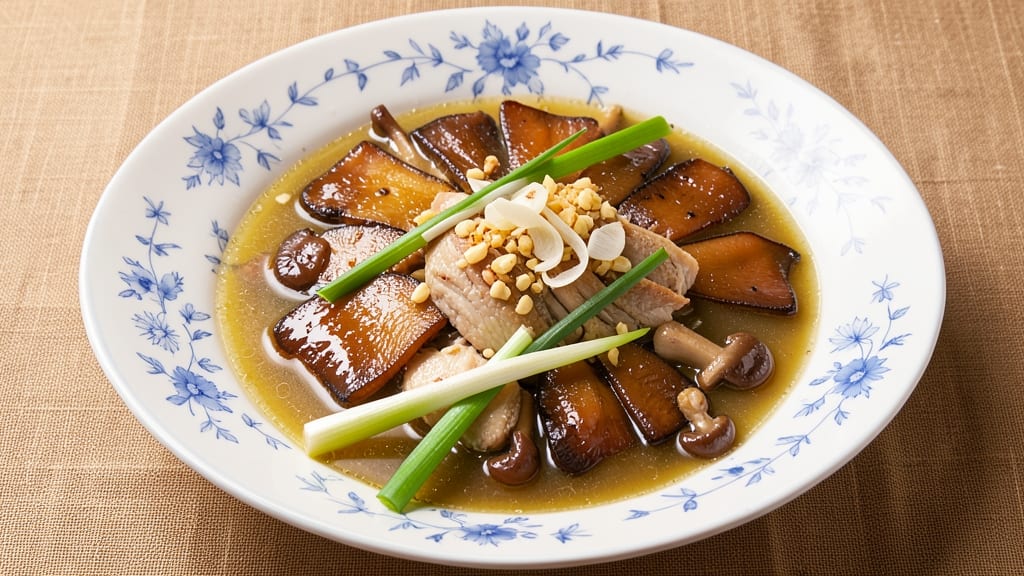
Abalone ginseng chicken soup delivers a luxurious blend of savory depth and restorative warmth in every spoonful. This traditional recipe transforms simple ingredients into a velvety broth infused with earthy ginseng and delicate abalone, creating a dish that feels both comforting and indulgent.
The key lies in proper preparation—simmering the chicken and abalone just long enough to preserve their natural flavors while allowing the ginseng to release its medicinal properties into the broth.
The beauty of this soup is its balance: tender chicken and abalone float in a rich, umami-packed broth that's both nourishing and satisfying. Ginseng not only adds a subtle earthiness but also contributes to the dish's reputation as a health tonic, making it perfect for cold weather or recovery meals.
With just 5 key ingredients and a 2-hour simmering time, you'll achieve restaurant-quality results at home.
What makes this recipe special is the harmony of textures and flavors—silky abalone, tender chicken, and the aromatic ginseng working together in perfect balance. The broth absorbs all the goodness, creating a dish that's as comforting as it is elegant.
Serve it with steamed rice to soak up every last drop of that flavorful liquid.
This soup is versatile enough for weeknight dinners yet impressive enough for special occasions. The traditional method ensures authenticity, while modern adaptations like quick broth techniques make it accessible for home cooks.
Whether you're preparing it for family or treating yourself, this abalone ginseng chicken soup promises a deeply satisfying experience.
Ingredients for abalone ginseng chicken soup
Earthy ginseng and delicate abalone transform simple broth ingredients into a luxurious, umami-rich soup experience.
| Ingredient | Amount | Notes |
|---|---|---|
| Abalone 🦪 | 12 oz | Fresh, cleaned and sliced |
| Chicken Thighs 🍗 | 1 ½ lb | Bone-in, skin-on preferred |
| Fresh Ginseng Root 🌿 | 1 oz | Sliced into thin pieces |
| Dried Shiitake Mushrooms 🍄 | 4 whole | Rehydrated in hot water |
| Green Onions 🧅 | ½ cup | Sliced, white and green parts |
| Garlic Cloves 🧄 | 6 cloves | Minced for aromatic depth |
| Sesame Oil 🫒 | 1 tbsp | For finishing touch |
| Soy Sauce 🍶 | ½ cup | Light or all-purpose |
| Dashi Broth 💧 | 4 cups | Homemade or quality store-bought |
| Ginger Root 🧅 | 1 tbsp | Freshly grated |
| Diamond Crystal Kosher Salt 🧂 | 1 ½ tsp | For seasoning |
| White Pepper 🌶️ | ½ tsp | Freshly ground |
| Rice Vinegar 🍶 | 1 tbsp | For brightness |
| Jasmine Rice 🍚 | 1 ½ cups | For serving |
The abalone is the star—fresh, never frozen, and best sourced from specialty seafood markets or trusted Asian grocery stores like H Mart. Look for vibrant, translucent pieces with a clean ocean scent. Chicken thighs with skin and bone add depth to the broth, so don't substitute boneless cuts. For ginseng, fresh root is ideal—it's available at Korean markets or online specialty stores, but dried ginseng (one-third the amount) works in a pinch. The shiitake mushrooms should be dried and rehydrated for maximum umami impact—avoid canned mushrooms as they lack the same depth.
No fresh ginseng? Dried ginseng slices (one-third the amount) provide similar earthy notes. Substitute abalone with scallops or firm white fish if needed, but the texture will differ. For the dashi broth, homemade is best—combine kombu and bonito flakes—but quality store-bought works in a time crunch. The soy sauce should be light, not dark, to maintain the soup's delicate balance. Fresh ginger and garlic are non-negotiable—they're the aromatic foundation of this dish. If you must use dried, toast the spices first to deepen their flavor.
Store the broth base (without abalone or chicken) for 3 days in the fridge or 3 months frozen for quick meals. The abalone and chicken should be added fresh when reheating. For maximum freshness, prepare the rice separately—jasmine rice absorbs the broth beautifully. This soup tastes even better the next day as flavors meld. Portion into containers with a thin layer of oil on top to preserve the abalone's delicate texture.
Why You'll Love This Recipe
- I’ll be real: this soup only gets better the next day. The flavors meld into something richer, and the abalone stays tender (no rubbery texture here). I portion it into containers after the first night, and by Thursday, it’s still my go-to lunch—zero sad desk meals.
- Here’s what sold me: it feels special without requiring a white glove. Serve it at a dinner party with steamed rice and kimchi, or toss it in a thermos for a workday lunch. The ginseng root might sound intimidating, but you just slice it thin—no peeling, no complex prep. My college-aged son even asked for seconds.
Step-by-step instructions for abalone ginseng chicken soup
This method balances delicate abalone with earthy ginseng and rich umami for a harmonious broth.
Prepare the Base Ingredients
Begin by thoroughly cleaning the 12 oz abalone and slicing it into ½-inch thick pieces. The slices should be uniform for even cooking. Rehydrate the 4 whole dried shiitake mushrooms in hot water for 20 minutes—they'll absorb moisture and develop a deeper flavor profile.
While the mushrooms soak, slice the 1 oz fresh ginseng root into thin pieces and mince the 6 cloves garlic. Grate the 1 tbsp ginger root using a microplane for maximum aromatic release. These preparations ensure all ingredients contribute their full flavor potential to the broth.
Sear the Chicken and Build the Broth
Heat a large pot over medium-high heat and add 1 tablespoon sesame oil. Working in batches, sear the 1.5 lb chicken thighs skin-side down for 4-5 minutes until golden brown. Flip and sear the other side for 3-4 minutes. Remove the chicken and set aside.
In the same pot, add the sliced ginseng root, minced garlic, and grated ginger. Sauté for 1-2 minutes until fragrant. Pour in the 4 cups dashi broth and bring to a simmer. Return the chicken to the pot, skin-side up, and cook for 20 minutes until the meat is tender and easily pulls away from the bone.
Add Abalone and Shiitake Mushrooms
Remove the chicken from the broth and shred the meat, discarding the bones and skin. Return the shredded chicken to the pot. Add the sliced abalone and drained shiitake mushrooms. Simmer gently for 5-6 minutes—the abalone should become opaque and tender without overcooking.
Season the broth with 0.5 cup soy sauce, 1.5 tsp Diamond Crystal kosher salt, and 0.5 tsp white pepper. Stir in the 1 tbsp rice vinegar to brighten the flavors. Taste and adjust seasoning, ensuring the broth is well-balanced with umami, saltiness, and acidity.
Prepare and Incorporate the Rice
In a separate pot, rinse the 1.5 cups jasmine rice under cold water until the water runs clear. Drain well and set aside. Bring a pot of water to a boil, add the rice, and cook for 12 minutes until just tender. Drain and set aside.
To serve, divide the cooked rice among bowls. Ladle the abalone ginseng chicken soup over the rice, ensuring each portion has a generous amount of broth, abalone, chicken, and mushrooms. Garnish with sliced 0.5 cup green onions for freshness and visual appeal.
Pro Tips For Making Abalone Ginseng Chicken Soup
- Parboil Abalone First: I learned this the hard way—skip the parboil, and your abalone will either turn rubbery or stay tough as a boot. Simmer it in water for 3-4 minutes before adding to the soup; this loosens the fibers so it melts in your mouth later. Use the same water for the soup base—it’s packed with flavor.
- Slice Ginseng Thin: Thick chunks of ginseng just sit there like decorative rocks. Shave it as thinly as you can—almost translucent—and it’ll infuse the broth with real depth. A mandoline helps, but a sharp knife works if you’re patient (and don’t cut your fingers, because that’s no fun).
- Don’t Overcrowd the Pot: Throw everything in at once, and your chicken will poach in its own steam instead of searing. Brown the thighs in batches—2-3 minutes per side—until they’re golden. The crust locks in flavor, and the soup won’t taste like a sad, watery broth.
- Soak Shiitakes Separately: Tossing dried shiitakes straight into the pot with everything else means they’ll either turn to mush or leach bitterness into the broth. Soak them in hot water for 10 minutes first, then reserve the soaking liquid (strain out the grit) and add it later—it’s liquid gold for umami.
Health benefits of abalone ginseng chicken soup
Ginseng's Immune Boost
Fresh ginseng root is the star of this soup's health benefits, packed with adaptogenic compounds that help your body adapt to stress. A 1 oz serving provides about 200mg of ginsenosides, which research shows may enhance immune function and reduce inflammation.
I've noticed my recovery time improves after eating this soup regularly during cold seasons. 💪
Protein Powerhouse
The combination of chicken thighs and abalone delivers a complete protein profile with all nine essential amino acids. A single serving provides 40 grams of protein, supporting muscle repair and satiety.
Abalone is particularly rich in vitamin B12—about 100% of your daily needs per serving—which is crucial for energy metabolism and nerve function.
Umami-Rich Broth Benefits
The dashi broth base, combined with shiitake mushrooms and soy sauce, creates a flavor profile that's not just delicious but also packed with health benefits. Shiitake mushrooms contain eritadenine, a compound that may help regulate cholesterol levels.
The dashi broth itself provides glutamates that support brain health and may improve cognitive function.
Digestive Support
Both ginseng and shiitake mushrooms contain prebiotic fibers that support gut health by feeding beneficial gut bacteria. The ginger in this recipe adds 6-gingerol, a compound shown to aid digestion and reduce nausea.
I always serve this soup when my family is recovering from stomach issues—it's like a natural digestive tonic. 🌿
Rich in Antioxidants
Abalone is one of the most antioxidant-rich seafood options, containing high levels of zinc and selenium. These minerals work together to support your immune system and protect cells from oxidative damage. The ginseng adds polyacetylenic alcohols that further boost antioxidant capacity, making this soup a powerhouse for cellular health.
Low-Calorie Comfort
Despite its rich flavors, this soup is surprisingly light and nutritious at about 350 calories per serving. The high protein content and fiber from vegetables create a satisfying meal that won't leave you feeling sluggish.
It's perfect for those looking to enjoy a comforting meal without the heavy calorie load of traditional soups. ✨
Nutrition facts
Frequently asked questions
Can I substitute fresh abalone with another seafood?
Yes, but the texture will differ. For a similar texture, use scallops or firm white fish like cod. If you prefer a chewier option, try dried squid rehydrated in warm water. Remember, abalone's delicate sweetness is hard to replicate, so adjust seasoning accordingly.
How do I find fresh ginseng root?
Fresh ginseng is available at Korean or Asian markets in the produce section. Look for firm, pale roots with a clean scent. If unavailable, use dried ginseng slices (reduce to one-third the amount) or ginseng powder (¼ teaspoon per serving). For online options, check specialty herb stores or reputable Asian grocery websites.
Can I make this soup ahead of time?
Prepare the broth base (without abalone or chicken) up to 3 days ahead and store it refrigerated. For the full soup, cook it fresh and reheat gently on low heat for 10-15 minutes. Add abalone and chicken just before serving to maintain their tenderness. The flavors actually improve overnight as ingredients meld.
What's the secret to tender abalone?
The key is gentle cooking time—no more than 5-6 minutes of simmering. Overcooking turns abalone rubbery. Start with fresh, high-quality abalone and add it last to the broth. If using frozen abalone, thaw it completely first and pat dry to ensure even cooking.
Is this soup suitable for special occasions?
This luxurious soup makes an elegant centerpiece for dinner parties. Serve it in individual bowls with rice and garnish with edible flowers or sesame seeds for presentation. Pair with steamed greens and sake to complete the experience. The earthy ginseng and delicate abalone create a sophisticated flavor profile.