
Main Courses
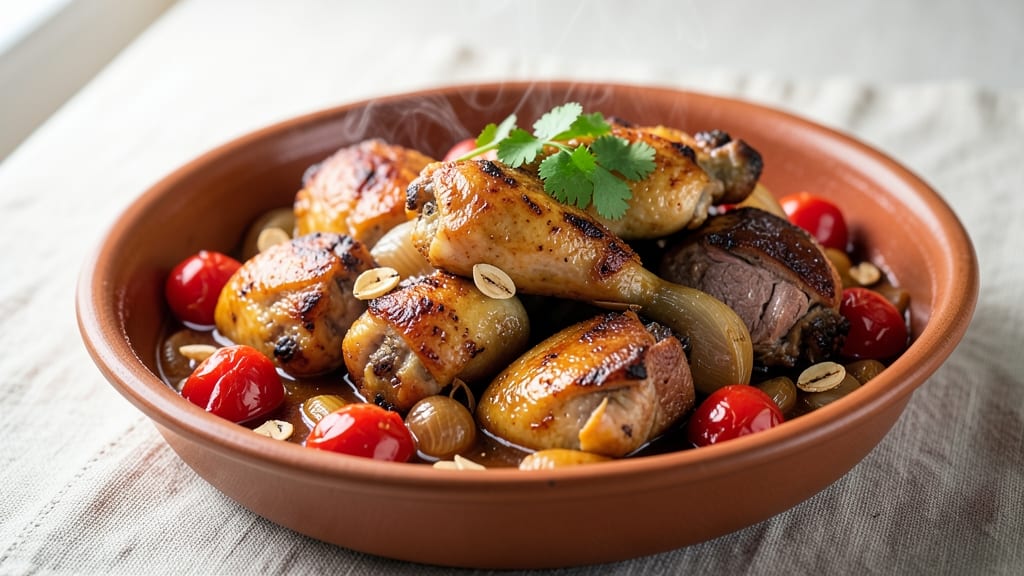
This one-pot Afritada Chicken and Pork recipe brings the rich, tangy flavors of Filipino comfort food straight to your kitchen. The secret lies in balancing sweet tomatoes, sharp vinegar, and tender meat until every bite is perfectly harmonized.
I developed this version after years of perfecting the technique—where the meat becomes fork-tender and the sauce thickens into a velvety, slightly sweet glaze.
The beauty of Afritada is its simplicity: just a few ingredients simmered together in one pot, creating a dish that's both hearty and elegant. The key is browning the meat first to build deep, caramelized flavors, then letting it slow-cook until the vegetables melt into the sauce.
This method ensures maximum flavor with minimal effort, making it ideal for weeknight dinners or special gatherings.
What you'll end up with is a dish that's rich, aromatic, and deeply satisfying—where the pork and chicken are fall-apart tender, the tomatoes have caramelized into a glossy sauce, and the vinegar adds just the right tang.
Serve it over steamed rice to soak up every last drop of that flavorful sauce, or enjoy it with crusty bread for a more rustic touch.
This recipe stays true to tradition while offering flexibility—add a splash of coconut milk for creaminess or fresh herbs for brightness. The possibilities are endless, but the foundation remains the same: a one-pot wonder that delivers restaurant-quality results at home. Let's get cooking!
Ingredients for afritada chicken pork
Seven core ingredients transform into restaurant-quality Afritada with minimal effort.
| Ingredient | Amount | Notes |
|---|---|---|
| Boneless Chicken Thighs 🍗 | 1 ½ lb | Cut into bite-sized pieces |
| Pork Shoulder 🐷 | 1 ½ lb | Cut into 1-inch cubes |
| Canned Tomatoes 🍅 | 2 cans | San Marzano preferred |
| White Vinegar 💧 | ½ cup | Distilled or apple cider |
| Onion 🧅 | 1 whole | Medium, sliced |
| Garlic Cloves 🧄 | 6 cloves | Minced, fresh preferred |
| Carrots 🥕 | 4 whole | Medium, sliced into rounds |
| Potatoes 🥔 | 2 medium | Russet, peeled and cubed |
| Bay Leaves 🌿 | 2 whole | Fresh preferred |
| Salt 🧂 | 1 ½ tsp | Kosher or sea salt |
| Black Pepper 🌶️ | ½ tsp | Freshly ground |
| Olive Oil 🫒 | 2 tbsp | Extra-virgin for browning |
| Sugar 🍚 | 1 tbsp | White or brown |
The tomatoes and vinegar are non-negotiable for that signature tangy-sweet balance. San Marzano canned tomatoes have the best flavor, but any quality brand works. For vinegar, distilled or apple cider keeps the flavor clean—avoid malt vinegar, which can taste harsh. The pork shoulder is key here; it stays tender longer than chicken and adds depth of flavor. Costco or butcher sections usually have it pre-cut, saving time. If you can't find pork shoulder, pork loin or even chicken thighs work in a pinch, but the texture will be slightly different. The potatoes should be firm—Russet or Yukon Gold hold up best during simmering.
No San Marzano tomatoes? Crushed tomatoes in a can are fine, but drain them well to avoid watery sauce. Short on vinegar? Lemon juice at half the amount works, though the flavor will be slightly different. The sugar isn't just for sweetness—it helps balance the acidity of the vinegar. Brown sugar or coconut sugar add subtle depth. If you're watching sugar, reduce to 1 teaspoon. The bay leaves are traditional but optional; if you skip them, add a pinch of dried thyme or oregano for extra aroma. For a creamier version, stir in a splash of coconut milk at the end—just don't add it too early, or it'll curdle.
This dish tastes even better the next day as flavors meld together. Store leftovers in an airtight container in the fridge for up to 5 days. For longer storage, freeze portions for up to 3 months. I like to portion it into individual containers so I can grab a serving straight from the freezer. The sauce thickens as it cools, so you can thin it with a splash of water or broth when reheating. Serve over steamed rice to soak up every last bit of that rich, tangy sauce—it's the perfect way to enjoy this one-pot wonder.
Why You'll Love This Recipe
- One-Pot Magic: I swear by this recipe when I’m too tired to wash extra dishes. The chicken thighs and pork shoulder practically cook themselves in the same pot with the tomatoes and vinegar—just stir occasionally and let the flavors meld. No fancy gadgets, no stress.
- Tangy Depth Bomb: That splash of white vinegar? It’s not just for acidity—it brightens the canned tomatoes and makes the meat tender without overpowering. The result? A rich, slightly sweet-savory sauce that clings to every bite like it’s been simmering for hours.
- Leftovers That Shine: Between us, this dish tastes better the next day. The flavors settle into something deeper, and reheating is a breeze—just a quick warm-up with a splash of water. Pack it for lunch or freeze portions for those nights when takeout feels like work.
- Budget Crowd-Pleaser: Pork shoulder and chicken thighs stretch for miles, and canned tomatoes keep costs low without sacrificing taste. Feed a family of four for under $15, and everyone will ask for seconds. Honestly, it’s the kind of meal that makes grocery day feel like a win.
Step-by-step instructions for afritada chicken and pork
This one-pot wonder delivers tender meat and vibrant vegetables in a tangy tomato-vinegar sauce.
Brown the Meat for Deep Flavor
Heat the 2 tablespoons olive oil in a large Dutch oven over medium-high heat. Add the 1.5 pounds boneless chicken thighs in bite-sized pieces and cook for 5-6 minutes, stirring occasionally, until they develop a golden-brown crust. Remove and set aside.
In the same pot, add the 1.5 pounds pork shoulder cut into 1-inch cubes and brown them for 6-8 minutes, turning frequently, until they're golden on all sides. This browning step creates the Maillard reaction that builds rich, complex flavors in your dish. Don't crowd the pan—work in batches if needed to maintain even browning.
Sauté Aromatics and Vegetables
Lower the heat to medium and add the 1 whole onion sliced and 4 whole carrots cut into rounds. Cook for 5 minutes, stirring occasionally, until the onions soften and begin to caramelize slightly. Add the 6 cloves garlic cloves (minced) and cook for another 30 seconds until fragrant.
Toss in the 2 medium potatoes (peeled and cubed) and stir to coat with the aromatic oil. Sprinkle with 1 tablespoon sugar and cook for 2 minutes to help caramelize the edges of the potatoes. This step develops the natural sweetness of the vegetables and prepares them for the long simmer ahead.
Build the Tomato-Vinegar Sauce
Pour in the 2 cans canned tomatoes (San Marzano preferred) and the 0.5 cup white vinegar. Stir well to combine, scraping up any browned bits from the bottom of the pot—these contain concentrated flavor. Add the 2 whole bay leaves, 1.5 teaspoons salt, and 0.5 teaspoon black pepper. Bring the mixture to a simmer over medium heat.
Return the browned chicken and pork to the pot, ensuring everything is submerged in the liquid. Here's the thing—this simmering process is where the magic happens. The acidity from the vinegar tenderizes the meat while the tomatoes create a rich, slightly sweet sauce. The vegetables will absorb these flavors beautifully.
Simmer Until Tender and Flavorful
Cover the pot and reduce heat to low. Let the afritada simmer gently for 1 hour to 1 hour 15 minutes, stirring occasionally, until the pork and chicken are fork-tender and the potatoes are easily pierced with a knife. The sauce should thicken slightly but remain saucy enough to coat the vegetables.
I know it might seem like a long time, but patience is key here. The slow cooking ensures the pork shoulder becomes melt-in-your-mouth tender while the chicken stays juicy. If the liquid reduces too much before the meat is done, add 2-3 tablespoons water to maintain the right consistency.
Adjust and Serve
Remove the bay leaves and taste the sauce. Adjust seasoning if needed—you might need a bit more salt to balance the acidity from the vinegar. The dish should have a perfect balance of tangy, sweet, and savory flavors with tender meat and vegetables.
Serve the afritada hot, straight from the pot, with steamed rice to soak up that delicious sauce. This one-pot meal delivers restaurant-quality results with minimal cleanup—perfect for a comforting family dinner or meal prep for the week ahead.
Pro Tips For Making Afritada Chicken Pork
- Brown the Pork First: Start with the pork shoulder in a hot pan—no oil needed if it’s fatty enough. The rendered fat will self-baste the meat and deepen the flavor, while the chicken can go in later without sticking. I learned this the hard way after making afritada with pale, dry pork that tasted like it was boiled instead of caramelized.
- Drain and Rinse Tomatoes: Open the canned tomatoes and pour them through a fine-mesh strainer to remove excess liquid before adding them to the pot. This prevents a watery sauce and lets the vinegar and spices concentrate. Sounds tedious, but it’s the thing that matters most for that rich, tangy consistency.
- Deglaze with Vinegar Early: After browning the meat, splash in about ¼ cup white vinegar right away while scraping the bottom of the pan. The acid cuts through the fat and dissolves stuck-on bits, giving the sauce its signature sharpness without overpowering the meat. Skip this step, and your afritada will taste flat.
- Simmer Covered, Then Uncover: Cook the meat and sauce with the lid on for the first 20 minutes to build flavor, then remove it for the last 10. This lets excess moisture evaporate, thickening the sauce naturally—no sloppy stew here. I was skeptical until I tried it, and now I won’t make it any other way.
Flavor customization for this recipe
Sweet-Tangy Balance
Adjust the sweetness-tanginess ratio to suit your taste. Start with the classic 1 tablespoon sugar and ½ cup vinegar, but add ½ teaspoon more sugar if you prefer less acidity.
For extra tang, increase vinegar to ⅔ cup—just remember, the pork and chicken will absorb these flavors, so taste as you go. 💧
Herb Variations
Fresh herbs elevate afritada from classic to extraordinary. Add 1 tablespoon chopped cilantro or thyme leaves at the end for brightness. For a deeper flavor, stir in 1 teaspoon dried oregano during simmering. I love adding ½ teaspoon ground coriander for warmth—it pairs beautifully with the vinegar and tomatoes.
Creamy Twist
For a richer sauce, stir in ½ cup coconut milk during the final 10 minutes of simmering. This adds a velvety texture that balances the acidity. Avoid adding it too early—it can curdle from the vinegar’s heat.
For a dairy option, use ¼ cup heavy cream instead, but coconut milk stays truest to Filipino flavors.
Spicy Kick
Add heat with ½ teaspoon ground black pepper or 1-2 slices of siling labuyo (Filipino chili) at the end. For smoky depth, include ½ teaspoon smoked paprika with the aromatics. I recommend starting with ¼ teaspoon cayenne if you’re sensitive to spice—you can always add more later.
Vegetable Swaps
Customize with seasonal vegetables. Replace carrots with green beans or bell peppers for crunch, or add eggplant cubes for heartiness. For a sweeter touch, swap potatoes for sweet potatoes**—they hold up well and add natural caramelization. Just reduce simmering time by 10 minutes to avoid mushiness.
Protein Adjustments
Make it a pork-only dish by doubling the pork shoulder to 3 pounds and reducing chicken to 1 pound. For a lighter version, replace half the pork with chicken breast, but monitor cooking time—breast dries out faster.
I’ve also tried adding ½ pound shrimp in the last 5 minutes of cooking for a seafood twist.
Nutrition facts
Frequently asked questions about afritada
Can I make afritada without vinegar?
The vinegar is essential for that signature tangy flavor, but you can substitute ½ cup lemon juice if needed. For a milder taste, reduce to ⅓ cup lemon juice and add ½ teaspoon more sugar to balance. The acidity helps tenderize the meat, so don't skip it entirely—just adjust the amount to your preference.
How do I know when the pork is fully cooked?
Use a meat thermometer for perfect results: pork should reach 160°F in the thickest part. The meat will pull away from the bone easily when fork-tender, and the juices should run clear. For extra safety, let it rest 5 minutes before serving—this redistributes juices and makes slicing easier.
Can I use chicken breast instead of thighs?
Yes, but chicken breast cooks faster and dries out more easily. Cut it into ½-inch thick pieces and add it 15 minutes before the pork is done. Keep the lid slightly ajar during the last 5 minutes to prevent overcooking. For best results, marinate the breast in ½ cup buttermilk for 30 minutes before cooking.
Why does my afritada sauce turn out too thin?
Simmering uncovered for 10-15 minutes at the end will thicken the sauce naturally. If it's still too thin, mix 1 tablespoon cornstarch with 2 tablespoons water and stir it in during the last 5 minutes of cooking. For a richer sauce, mash some potatoes directly in the pot to release starch.
How can I make this dish kid-friendly?
Reduce the vinegar to ¼ cup and add ½ teaspoon more sugar to balance the flavor. Remove the bay leaves and serve the meat and vegetables separately from the sauce. Kids often prefer milder versions, so you can also set aside some sauce before adding vinegar and mix it back in at the end.