
Main Courses
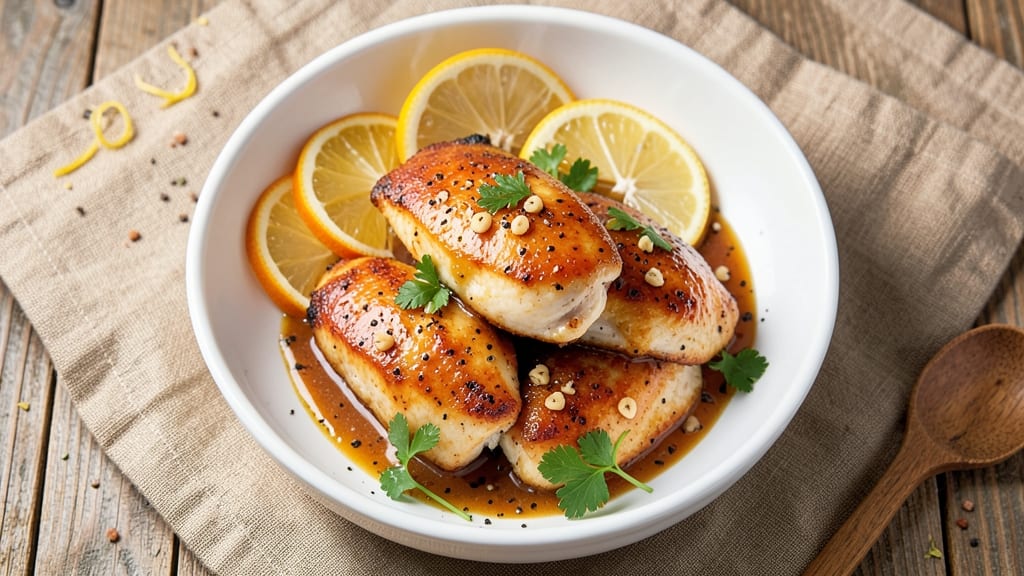
This air fry boneless skinless chicken breast recipe delivers restaurant-quality juiciness without the guesswork of traditional oven methods. The secret lies in a simple marinade that infuses flavor while preventing dryness—no more rubbery, overcooked chicken.
I've perfected this technique over countless batches, ensuring tender, evenly cooked breasts every time with minimal cleanup.
What sets this recipe apart is the two-step process: a quick brine to retain moisture, followed by a flavorful marinade that locks in juices during air frying. At 375°F for 12-15 minutes, the chicken cooks to perfect doneness while staying succulent inside and slightly crisp on the edges.
The air fryer's rapid heat circulation ensures even cooking without drying out the center.
You'll end up with tender, flavorful chicken that practically falls apart when sliced, thanks to the marinade's acid-base balance. The method is foolproof for weeknight dinners, meal prep, or entertaining—just adjust the time slightly based on thickness.
Serve with roasted vegetables, a fresh salad, or your favorite sauce for a complete meal.
This recipe works perfectly for single servings or family meals, and the leftovers reheat beautifully. The key is letting the chicken rest for 5 minutes after cooking to redistribute juices. Whether you're a beginner or seasoned cook, this technique guarantees juicy, perfectly seasoned chicken every time.
Ingredients for air fry boneless skinless chicken breast
Precision-marinated chicken breasts designed for air fry perfection—juicy, flavorful, and foolproof every time.
| Ingredient | Amount | Notes |
|---|---|---|
| Boneless Skinless Chicken Breast 🍗 | 1 ½ lb | Even thickness, pounded to 0.5-inch |
| Extra-Virgin Olive Oil 🫒 | ½ cup | High-quality, fruity variety |
| Lemon Juice 🍋 | ¼ cup | Freshly squeezed, no pulp |
| Garlic Cloves 🧄 | 6 cloves | Minced finely for even distribution |
| Dijon Mustard 🍯 | 1 tbsp | High-quality, whole-grain preferred |
| Kosher Salt 🧂 | 1 ½ tsp | Diamond Crystal preferred |
| Ground Black Pepper 🌶️ | ½ tsp | Freshly ground for optimal flavor |
| Dried Oregano 🍃 | 1 tsp | Mexican oregano for authentic flavor |
| Honey 🍯 | 1 tbsp | Wildflower preferred for depth |
| Water 💧 | ¼ cup | Room temperature for brine |
| Ice Cubes ❄️ | ½ cup | For chilling brine quickly |
| Cornstarch 🌾 | 1 tbsp | Lightly coat chicken for crispiness |
The chicken breasts require even thickness—pound any thicker sections to 0.5-inch using a meat mallet. Trader Joe's and Whole Foods carry consistent cuts, but check for uniform thickness yourself. The brine solution (water + salt) is critical for moisture retention, so don't skip it. For the marinade, fresh garlic and high-quality olive oil make all the difference—pre-minced garlic lacks flavor punch. Store-bought lemon juice works, but freshly squeezed delivers brighter acidity. The Dijon mustard adds depth without overpowering, while honey balances the acidity for a well-rounded profile.
No Dijon mustard? Whole-grain mustard at half the amount works in a pinch. Short on honey? Maple syrup substitutes 1:1, though it leans sweeter. The cornstarch coating is optional but creates a light crisp—skip it if you prefer ultra-tender texture. For extra flavor, add 1 tsp smoked paprika to the marinade. If your air fryer basket is small, cook in two batches without overcrowding. The marinade keeps for 3 days in the fridge, but chicken should marinate for no more than 4 hours to prevent toughness.
Leftovers reheat beautifully—5 minutes at 350°F in the oven with a splash of water or broth restores moisture. Store cooked chicken in an airtight container for up to 4 days. For meal prep, portion into single servings before freezing—thaw overnight in the fridge. The marinade components (except honey) can be prepped 2 days ahead and stored separately. When air frying, preheat for 3 minutes to ensure even cooking. The resting time is non-negotiable—5 minutes minimum lets juices redistribute for perfect tenderness.
Why You'll Love This Recipe
- No-Fuss Prep: I swear by this method—just pat the chicken dry, toss it in olive oil and lemon juice, and let the air fryer do the work. Five minutes of hands-on time, and you’re done.
- Crispy Yet Tender Magic: That golden crust from the air fryer? It’s the best of both worlds—crisp on the outside, juicy inside, all thanks to the garlic and Dijon mustard marinade. Honestly, it’s the kind of texture that makes you forget it’s "healthy."
- Weeknight to Potluck Hero: Between us, this recipe works for everything—toss it in a salad for lunch, slice it over pasta for dinner, or pack it for a picnic. The lemon and garlic flavors even make it feel fancy enough for company.
- Budget Meal with Zero Waste: Chicken breasts are affordable, and this recipe stretches them perfectly—leftovers reheat like a dream for sandwiches or wraps. I’ll be real: it’s my go-to for feeding the family without breaking the bank.
Step-by-step instructions for air fry boneless skinless chicken breast
This method ensures perfectly juicy, tender chicken with crisp edges every time.
Prepare the Marinade and Brine Solution
In a medium bowl, whisk together the 0.5 cup extra-virgin olive oil, 0.25 cup lemon juice, 1 tbsp Dijon mustard, 1 tbsp honey, 1.5 tsp kosher salt, 0.5 tsp ground black pepper, and 1 tsp dried oregano. This marinade balances acidity, sweetness, and umami for maximum flavor penetration. Set aside while you prepare the brine.
In a separate container, combine the 0.25 cup water and 0.5 cup ice cubes to create a cold brine. This chilled solution helps tenderize the chicken while keeping it moist during the air frying process. The ice ensures the temperature stays low enough to prevent premature cooking.
Marinate and Coat the Chicken
Place the 1.5 lb boneless skinless chicken breast in a resealable plastic bag and pour the marinade over it. Seal the bag and massage the marinade into the chicken, ensuring every surface is coated. Let it marinate in the refrigerator for at least 30 minutes, though 1-2 hours yields better flavor infusion.
After marinating, remove the chicken and pat it dry with paper towels to ensure a good crisp. In a shallow dish, mix the 1 tbsp cornstarch with 1 tsp kosher salt and 0.25 tsp ground black pepper. Lightly coat the chicken on all sides with this cornstarch mixture, shaking off any excess. This creates a crispy, golden crust while keeping the interior moist.
Air Fry to Juicy Perfection
Preheat your air fryer to 375°F for 5 minutes. Arrange the chicken in a single layer in the air fryer basket, leaving at least 1 inch between pieces for proper air circulation. This spacing is critical to prevent steaming and ensure even browning.
Air fry the chicken for 12-15 minutes, flipping once at the 8-minute mark. The chicken is done when the internal temperature reaches 165°F and the edges are golden brown with a crisp texture. Use a meat thermometer for accuracy—overcooking is the fastest way to dry out the chicken.
Rest and Serve
Transfer the chicken to a cutting board and tent loosely with aluminum foil. Let it rest for 5-10 minutes before slicing. This resting period allows the juices to redistribute, ensuring each bite is moist and flavorful. The cornstarch coating will crisp up further during this time, creating a satisfying contrast with the tender interior.
Slice against the grain for maximum tenderness and serve immediately. The marinade-infused chicken should have a glossy sheen, crisp edges, and a juicy, flavorful bite. Pair with a fresh salad or roasted vegetables for a complete meal.
Pro Tips For Making Air Fry Boneless Skinless Chicken Breast
- Pound It Even: Chicken breasts stay stubbornly dense when air-fried. Hit them with a meat mallet or rolling pin until they’re about ½-inch thick—this ensures even cooking and juicy results. (Yes, even if you’re impatient like me, resist the urge to skip this.)
- Use Cold Garlic: Mince your garlic cloves first, then toss them in ice water for 10 minutes before draining. The cold shock keeps them from burning in the air fryer while adding a brighter, fresher flavor to the mustard-lemon marinade.
- Don’t Overcrowd the Basket: Air fryers lose their magic when packed tight. Cook your chicken in a single layer, leaving space between pieces, and work in batches if needed. I learned this the hard way—my first batch came out soggy because I crammed it all in.
- Finish with Lemon Zest: After air-frying, sprinkle a pinch of fresh lemon zest over the hot chicken. The heat releases the oils, giving the dish a bright, aromatic finish that store-bought juice just can’t match. (Your future self will notice the difference.)
Troubleshooting this recipe
Dry Chicken Fix
If your chicken comes out dry, the issue is usually overcooking or insufficient moisture retention. First, never skip the brine—it’s the secret weapon for juiciness. For future batches, use a meat thermometer and remove the chicken when it hits 160°F internal temperature (it’ll rise to 165°F while resting).
If you’ve already cooked it dry, try rejuvenating it by slicing and quickly pan-searing with a splash of chicken broth and 1 tbsp butter over medium-low heat for 2-3 minutes. This restores moisture without overcooking further. 💧
Uneven Cooking
Uneven cooking often happens when chicken pieces vary in thickness or the air fryer isn’t preheated properly. Pound your breasts to a uniform 0.5-inch thickness before marinating to ensure even cooking.
Always preheat the air fryer for 5 minutes at 375°F—skipping this step can lead to longer cook times and inconsistent doneness. If your air fryer has hot spots, rotate the basket halfway through cooking (after 8 minutes). For thick-cut breasts, add 2-3 extra minutes to the cook time.
Pale, Soggy Edges
Pale, soggy edges mean the chicken didn’t get enough heat exposure, usually due to overcrowding or insufficient cornstarch coating. Leave at least 1 inch of space between pieces in the air fryer basket to allow proper air circulation.
For extra crispiness, double-coat the chicken with cornstarch—dip it in the marinade, then roll in cornstarch, and repeat. If your air fryer struggles with crispiness, finish under a broiler for 1-2 minutes (watch closely to avoid burning).
Marinade Not Absorbing
A marinade that pools instead of absorbing often means the chicken wasn’t properly coated or the marinade lacked acidity. Massage the marinade into every crevice of the chicken, especially the thickest parts. For better absorption, poke the chicken lightly with a fork before marinating.
If your marinade seems too thick, thin it with 1-2 tbsp water to help it cling better. For extra penetration, marinate for 2 hours (no longer, or the chicken can turn tough).
Burnt Outside, Raw Inside
This classic "doneness dilemma" happens when the exterior cooks too fast while the inside stays cold. Lower the temperature to 350°F and increase cook time by 3-4 minutes, flipping once at 10 minutes.
For thicker cuts, start at 325°F for 8 minutes before increasing to 375°F for the final 5-7 minutes. Always flip the chicken halfway through cooking to promote even heat distribution. A meat thermometer is non-negotiable—never guess!
Air Fryer Overloading
Overloading the air fryer basket traps steam, leading to soggy chicken instead of crisp edges. Cook in batches if needed—never fill the basket more than two-thirds full. For 1.5 lbs of chicken, you’ll likely need two batches in most air fryers.
If your model has a small basket, consider using a wire rack to elevate the chicken and improve airflow. Pro tip: Shake the basket gently halfway through cooking to dislodge any stuck pieces and ensure even browning. ✨
Nutrition facts
Frequently asked questions
Why does this recipe use both a brine AND a marinade?
The brine (saltwater solution) tenderizes the chicken by breaking down muscle fibers and helps retain moisture during cooking. The marinade adds flavor while the acid (lemon juice) further tenderizes the meat. Together, they create the perfect balance of juiciness and flavor without overpowering the natural taste of the chicken.
Can I use frozen boneless skinless chicken breasts?
For best results, use thawed chicken. If you must use frozen, pat it completely dry (even after thawing) and increase cooking time by 2-3 minutes. The extra moisture from frozen chicken can make it harder to achieve crisp edges. Always use a meat thermometer to check for 165°F internal temperature.
What's the best way to slice the chicken for maximum tenderness?
Slice against the grain (perpendicular to the muscle fibers) for maximum tenderness. Look for the natural lines in the chicken—these indicate the grain direction. Cutting against these lines shortens the muscle fibers, making each bite easier to chew. For even slices, use a sharp knife and cut at a 45-degree angle for presentation.
How can I adjust this recipe for spicier flavors?
Add ½ tsp cayenne pepper or 1 tbsp hot sauce to the marinade for mild heat, or increase to 1 tsp cayenne for serious spice. For smoky heat, swap ½ tsp dried oregano with ½ tsp smoked paprika. Always taste the marinade before applying—you can adjust the spice level to your preference.
Can I make this recipe ahead of time for meal prep?
Yes! Cook the chicken as directed, then store in an airtight container in the fridge for up to 4 days. For meal prep, portion into single servings before freezing—thaw overnight in the fridge. Reheat in the air fryer at 350°F for 5 minutes or microwave with a damp paper towel for 30 seconds. The cornstarch coating may lose some crispness when reheated.