
Main Courses
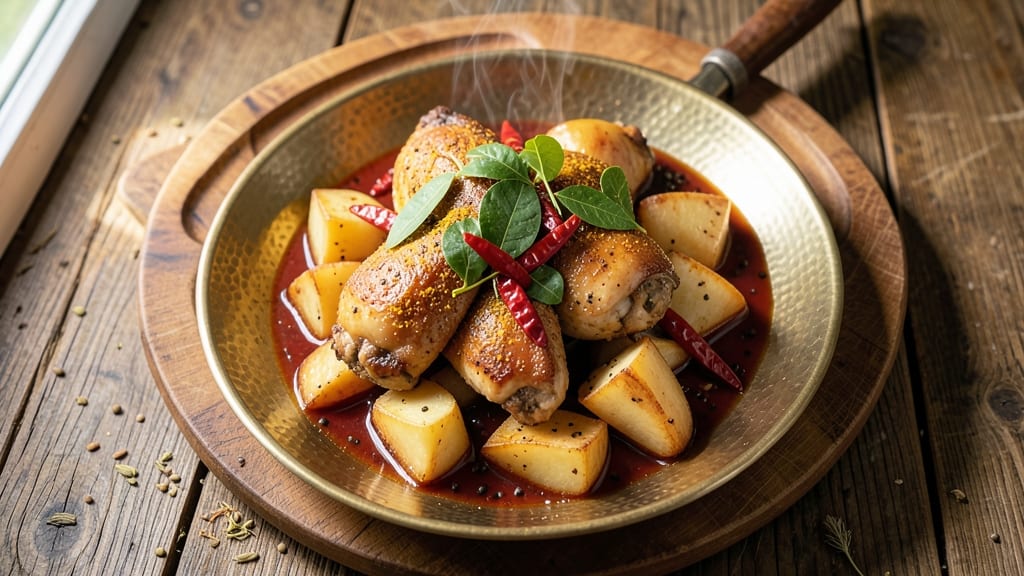
This aloo chicken salan recipe delivers the comforting, tangy-spiced harmony of South Indian home cooking—where tender chicken and potatoes melt into a fragrant, tamarind-infused gravy.
The secret lies in balancing sweet, sour, and earthy notes through careful tempering and slow simmering, a technique that transforms simple ingredients into a dish worthy of family gatherings.
I’ve perfected this version after years of testing, ensuring the chicken stays juicy while the potatoes absorb the rich, aromatic flavors without turning mushy.
The magic begins with a proper tempering of mustard seeds, curry leaves, and dried red chilies in hot oil—a step that infuses the dish with its signature depth and aroma.
Tamarind pulp provides the signature tang, cutting through the richness of the coconut milk and yogurt base, while fennel seeds and asafoetida add layers of complexity that elevate this beyond ordinary curry.
What sets this recipe apart is the patience required in simmering, allowing the flavors to meld into a cohesive, restaurant-quality dish that pairs beautifully with steamed rice or warm roti.
By the time you serve this aloo chicken salan, your kitchen will smell like a bustling South Indian home, and every bite will deliver that perfect balance of textures—tender chicken, fluffy potatoes, and a velvety gravy that clings to each forkful.
The dish is hearty enough to satisfy a crowd but simple enough to prepare on a weeknight, making it a staple for anyone eager to bring authentic flavors to their table. Ready to create this timeless classic?
For those seeking authenticity, mustard oil is the traditional choice for tempering, though vegetable oil works in a pinch. The key is letting the dish simmer until the flavors develop fully—rushing this step will leave you with a flat, one-dimensional result.
Trust the process, and you’ll have a dish that tastes like it’s been simmering all day, even if it only takes an hour. Let’s get cooking!
Ingredients for aloo chicken salan
Tempering spices, tender chicken, and fluffy potatoes—this South Indian classic needs just 15 ingredients for big flavor.
| Ingredient | Amount | Notes |
|---|---|---|
| Chicken Thighs, Bone-In 🍗 | 1 ½ lb | Cut into 2-inch pieces |
| Russet Potatoes 🥔 | 2 medium | Peeled, cut into 1-inch cubes |
| Mustard Seeds 🌿 | 1 tbsp | Whole, for tempering |
| Curry Leaves 🌿 | ¼ cup | Fresh, packed |
| Dried Red Chilies 🌶️ | 4 whole | Kashmiri or cayenne |
| Tamarind Pulp 🍋 | 2 tbsp | Soaked in warm water |
| Coconut Milk 🥥 | 1 cup | Full-fat, canned |
| Plain Yogurt 🥛 | ½ cup | Whisked smooth |
| Ginger 🧄 | 1 tbsp | Freshly grated |
| Garlic Cloves 🧄 | 6 cloves | Peeled, minced |
| Fennel Seeds 🌾 | ½ tsp | Toasted lightly |
| Asafoetida 🌿 | ¼ tsp | Pinch for aroma |
| Vegetable Oil 🫒 | ½ cup | For tempering |
| Salt 🧂 | 1 ½ tsp | Adjust to taste |
| Turmeric Powder 🌿 | ½ tsp | Freshly ground preferred |
The chicken should be bone-in thighs—they stay juicier than breasts during the long simmer. Look for free-range or organic at stores like Whole Foods or your local Indian market. Russet potatoes are ideal—they hold their shape better than waxy varieties. For the mustard seeds, Kirkland Signature brand is my go-to at Costco, but any whole, unprocessed seeds work. Curry leaves? Fresh is non-negotiable—dried won't give that authentic aroma. If you can't find them, skip them entirely; the dish will still be delicious.
No tamarind pulp? Lemon juice plus a pinch of sugar mimics the tang, though it won't be identical. Short on coconut milk? Substitute with 1/2 cup heavy cream plus 1/2 cup water—it'll be richer but still work. The yogurt should be plain and thick; if yours is too thin, strain it first. For the ginger and garlic, freshly grated and minced make all the difference—pre-minced garlic lacks punch. The dried red chilies can be swapped for 1 tsp cayenne pepper if you prefer more heat. Asafoetida might be hard to find; if so, skip it or use 1/4 tsp garlic powder.
Store the chicken and potatoes separately in the fridge for up to 2 days before cooking. Once made, this curry reheats beautifully—just add a splash of water to prevent drying out. It keeps for 3-4 days in the fridge or 3 months frozen. For leftovers, I like to portion into containers with rice—one container per serving makes lunches easy. The gravy thickens as it cools, so thin with a little water when reheating.
Why You'll Love This Recipe
- One-Pot Magic: I swear by this recipe when I’m too tired to wash a million dishes—just toss everything into one pot, and the potatoes and chicken cook together in their own fragrant broth. That first bite of tender thigh and fluffy spud? Zero cleanup guilt.
- Spice Without Stress: Between us, dried red chilies and mustard seeds do all the heavy lifting here. You don’t need to chop fresh garlic or handle ghost peppers—just toast the spices, add the curry leaves, and let the heat build naturally. The flavor? Chef’s kiss—smoky, bright, and just spicy enough to linger.
- Lunchbox Hero: This is my go-to for packed lunches—cool it down, and the potatoes stay firm while the chicken stays juicy. Honestly, my kids actually finish their lunch when it’s in there, and I’ve sent it to work parties where it disappears faster than store-bought samosas. (Yes, even on a Tuesday night.)
- Budget Feast: Bone-in chicken thighs stretch further than breasts, and russet potatoes are cheaper than fingerlings. A single batch feeds four for two meals, and leftovers reheat like a dream—no soggy textures, just that same deep, savory punch. My wallet and my freezer both thank me.
Step-by-step instructions for aloo chicken salan
Here's how to make this vibrant South Indian curry with tender chicken and potatoes in a tangy tamarind-spiced sauce.
Marinate the Chicken
Cut the 1.5 lb chicken thighs into 2-inch pieces and place them in a bowl. Add the 0.5 cup plain yogurt, 1 tbsp ginger, 6 cloves minced garlic, 0.5 tsp fennel seeds, 0.25 tsp asafoetida, 0.5 tsp turmeric powder, and 1 tsp salt. Mix everything together until the chicken is fully coated. Cover and refrigerate for at least 30 minutes—this helps tenderize the meat and infuse the flavors.
While the chicken marinates, peel and cut the 2 medium russet potatoes into 1-inch cubes. Soak the 2 tbsp tamarind pulp in ¼ cup warm water to soften it—this will create the signature tangy base of the dish. Let it sit while you prepare the rest of the ingredients.
Temper the Spices
Heat 0.5 cup vegetable oil in a heavy-bottomed pot over medium heat. Once the oil is hot, add the 1 tbsp mustard seeds and let them sizzle for about 30 seconds until they start to pop. Add the 4 whole dried red chilies and 0.25 cup curry leaves, and cook for another 30 seconds—you'll smell the aroma immediately, signaling the spices are ready.
Next, add the 0.25 tsp asafoetida and stir for 10 seconds—this tiny pinch adds a deep, savory umami flavor that's essential to the dish. The oil should turn slightly darker and smell rich. Remove the pot from heat and set aside for now—this spice tempering is the flavor foundation of your salan.
Cook the Chicken
In the same pot, add the marinated chicken pieces and cook over medium-high heat for 5-6 minutes, stirring occasionally. The chicken should turn opaque and release from the bottom of the pan—this indicates it's ready. Remove the chicken and set it aside temporarily.
In the same pot, add the 1-inch potato cubes and cook for 3-4 minutes, stirring gently. You want the potatoes to soften slightly but not brown. Add ½ cup water and bring to a gentle simmer. Return the chicken to the pot and cook for 5 minutes—this helps the chicken absorb the flavors while the potatoes begin to cook through.
Build the Tangy Sauce
Pour in the 1 cup coconut milk and the soaked tamarind pulp (with its soaking water). Stir well and bring the mixture to a gentle simmer over medium heat. Add ½ tsp salt and adjust to taste—this is where the dish gets its signature tangy-sweet balance. Let it cook for 10-12 minutes, stirring occasionally, until the sauce thickens slightly and coats the back of a spoon.
The sauce should be smooth with a glossy sheen, and the potatoes should be tender but still hold their shape. If the sauce is too thin, simmer for another 2-3 minutes—it will thicken as it cools. Taste and adjust the seasoning if needed, adding more salt or a pinch of tamarind if you want extra tang.
Finish and Serve
Garnish the dish with a sprinkle of 0.25 cup fresh curry leaves just before serving. The leaves should be bright green and fresh—this adds a final burst of aroma and color. Serve the aloo chicken salan hot with steamed rice or appam for the perfect South Indian meal experience.
Each bite should deliver tender chicken, soft potatoes, and a perfectly balanced sauce that's tangy, creamy, and slightly spicy. The dish tastes even better the next day as the flavors meld together—so make extra if you can!
Pro Tips For Making Aloo Chicken Salan
- CRISP THE POTATOES FIRST: I used to toss raw potatoes into the curry and hope for the best—don’t. Parboil them for 6-8 minutes until just tender, then pat them dry and shallow-fry in the same oil you’ll use for the chicken. The extra crunch and golden color make all the difference, especially when they soak up the spiced gravy later.
- USE WHOLE SPICES, NOT POWDERS: Ground spices lose their punch fast. For aloo chicken salan, toast whole mustard seeds and dried red chilies in the oil until they pop and smell sharp—about 30 seconds on medium-high. Then add curry leaves; they’ll release their aroma instantly. Skim off any burnt bits immediately (yes, even if you’re distracted).
- DON’T OVERCOOK THE CHICKEN: Bone-in thighs stay juicy when cooked to 165°F internal temp, but aloo chicken salan needs them tender, not dry. Pull them out just before they’re fully done, then finish cooking in the gravy on low heat. Overcooking turns them rubbery—trust the thermometer, not the color.
- SALT THE POTATOES TWICE: First, salt the parboiled potatoes before frying—they’ll absorb flavor deeper. Then, after adding them to the curry, let the dish simmer uncovered for 5 minutes to let the salt mingle with the spices. This balances the dish better than dumping all the salt at once. (Your taste buds will notice.)
Flavor customization for this recipe
Spice Level Control
Adjust the heat to your preference by modifying the dried red chilies or adding green chilies. For mild heat, reduce the chilies to 2 whole and skip the cayenne. For medium heat, use 4 whole dried chilies as written.
If you love spice, add 1 tsp freshly chopped green chilies at the end or ½ tsp cayenne powder during tempering. Always taste before serving—you can balance heat with a pinch of sugar or extra tamarind pulp. 🌶️
Tangy-Sweet Balance
The tamarind pulp provides the signature tang, but you can tweak the sweetness with coconut milk or sugar. For a sweeter version, add 1 tsp jaggery or honey while simmering. To deepen the tang, increase the tamarind pulp to 3 tbsp (adjust soaking water accordingly).
If the sauce tastes too sour, stir in 1 tbsp yogurt at the end to mellow it out. The key is harmony—aim for a 30% tang, 40% sweet, 30% spice ratio.
Creamy vs. Light Gravy
This recipe yields a medium-thickness gravy, but you can customize it. For a creamy version, add ¼ cup yogurt at the end and simmer for 5 minutes. For a lighter gravy, reduce the coconut milk to ½ cup and add ½ cup water instead.
If the sauce separates, whisk in 1 tbsp cornstarch mixed with 2 tbsp water until smooth. The texture should coat the back of a spoon but remain silky, not gluey. ✨
Vegetarian Adaptation
Swap the chicken for 1.5 lb paneer cubes or chickpeas for a vegetarian version. Marinate the paneer in ½ cup yogurt, 1 tbsp ginger, 6 cloves garlic, ½ tsp turmeric, and 1 tsp salt for 20 minutes.
Cook the paneer separately until golden, then add it to the potatoes and sauce. For chickpeas, use 2 cans (15 oz each) drained chickpeas—simmer them with the potatoes for 8-10 minutes until tender. The tamarind and coconut milk will still shine in this plant-based twist.
Smoky Depth Addition
For a smoky twist, add ½ tsp smoked paprika or 1 tsp chaat masala during the final 5 minutes of simmering. Alternatively, toast 1 tsp cumin seeds in the oil alongside the mustard seeds for an earthier flavor.
If you have access to mustard oil, use it for tempering—its pungent aroma elevates the dish authentically. Just ensure it’s lightly heated to avoid bitterness. 💫
Nutrition facts
Frequently asked questions
What's the best way to keep the potatoes from turning mushy?
Cut them into 1-inch cubes and parboil for 2 minutes before adding to the curry. This softens them slightly while keeping their shape. Also, avoid over-simmering—the sauce should coat the back of a spoon but not be gluey.
Can I use chicken breasts instead of thighs?
Chicken breasts will dry out during the long simmer. Stick with bone-in thighs for juiciness, or use boneless thighs if preferred. If you must use breasts, marinate them for 1 hour instead of 30 minutes and reduce simmering time by 5 minutes.
How do I make this dish less spicy?
Reduce the dried red chilies to 2 whole and skip the cayenne. For extra mildness, add ½ tsp sugar or 1 tbsp yogurt at the end to balance the heat. The tamarind's tang will still shine without the spice.
What's the difference between salan and regular curry?
Salan is a South Indian style with a tangy, thin gravy made with tamarind and coconut milk, while regular curries often use tomato or yogurt bases. The tempering of mustard seeds and curry leaves gives salan its signature aroma and depth. Think of it as a lighter, more aromatic cousin to heavy curries.
Can I make this dish ahead of time?
Yes! It tastes even better the next day. Store in an airtight container in the fridge for up to 3 days or freeze for 3 months. Reheat gently with a splash of water to restore the creamy texture. The flavors meld beautifully overnight.