
Main Courses
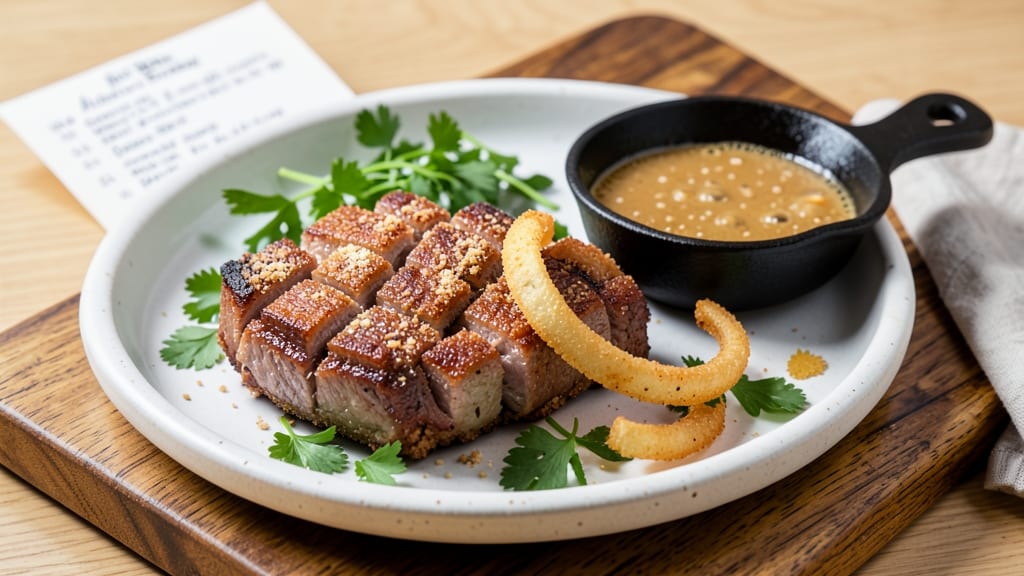
Alton Brown's chicken fried steak delivers the ultimate comfort food experience—crispy triple-layered crust meets velvety buttery gravy in every bite. This classic Southern dish transforms simple beef into a restaurant-quality masterpiece with a foolproof technique that ensures perfect texture every time.
The secret lies in the double-dredging process, where each layer of breading builds that signature crunch while keeping the meat tender inside.
What sets this recipe apart is the buttery gravy, rich and flavorful enough to stand alone as a side dish. Alton Brown's method creates a sauce that's neither too thin nor too thick, perfectly clinging to the steak while soaking into fluffy mashed potatoes or buttered noodles.
The key is patience—allowing the flour to bloom properly and whisking constantly to prevent lumps for that silky, velvety finish.
By the time you're done, you'll have a dish that's crispy on the outside, tender on the inside, and smothered in a gravy so rich it feels like a hug in a bowl.
The triple crust ensures maximum crunch without sacrificing moisture, making each bite a perfect balance of textures. This is the kind of recipe that transforms an ordinary weeknight into a memorable dining experience.
Whether you're serving this as a family dinner or impressing guests, the techniques here guarantee restaurant-quality results at home. The air-fryer adaptation also makes it possible to achieve that crispy crust with less oil, proving that modern twists can still honor tradition. Let's get cooking!
Ingredients for alton brown chicken fried steak
Here's everything you need to make Alton Brown's legendary triple-crusted chicken fried steak with velvety gravy.
| Ingredient | Amount | Notes |
|---|---|---|
| Cube Steak 🥩 | 1 ½ lb | 1-inch cubes, tenderized preferred |
| All-Purpose Flour 🌾 | 2 cups | For breading layers |
| Buttermilk 🥛 | 1 cup | Full-fat for best flavor |
| Large Eggs 🥚 | 2 whole | Room temperature for even coating |
| Vegetable Oil 🫒 | 4 cups | For deep frying (or substitute air fryer oil) |
| Unsalted Butter 🧈 | ½ cup | European-style preferred |
| All-Purpose Flour 🌾 | ½ cup | For gravy roux |
| Beef Broth 💧 | 1 ½ cups | Low-sodium preferred |
| Salt 🧂 | 1 ½ tsp | Kosher or sea salt |
| Black Pepper 🌶️ | ½ tsp | Freshly ground preferred |
| Garlic Powder 🧄 | ½ tsp | For seasoning |
| Onion Powder 🧅 | ½ tsp | For seasoning |
| Paprika 🌶️ | ½ tsp | Smoked variety for depth |
The cube steak is the star—look for 1-inch cubes with good marbling at Costco or your butcher shop. Tenderized cuts (like those pre-marinated in buttermilk) cook faster and stay juicier. If you can't find cube steak, sirloin tips work too—just slice them into 1-inch cubes yourself. The buttermilk soak is non-negotiable; it tenderizes and adds that signature tang. Full-fat buttermilk makes all the difference—skip the low-fat version. For the flour, King Arthur or Gold Medal brands give the best light, airy crust. Pro tip: Let your buttermilk and eggs sit out for 30 minutes before dredging for perfect adhesion.
No buttermilk? Substitute 1 cup milk + 1 tbsp vinegar (let it sit 5 minutes). Running short on beef broth? Chicken broth works too, though it'll be slightly lighter. The gravy's secret is patience—blooming the flour in butter for 2 minutes before adding liquid creates that silky texture. If you're air-frying, reduce oil to 1/4 cup and increase temp to 375°F for crispiness. The smoked paprika adds depth without overpowering; regular paprika works if that's what you've got. For extra crunch, add 1/4 cup crushed cornflakes to the final breading layer. Trust me on this—it's a game-changer for texture.
Keep your buttermilk-soaked steak covered in the fridge for up to 12 hours—this is where the magic happens. The fried steaks stay crispy for about 20 minutes after frying, so work quickly. Gravy reheats beautifully—just add a splash of milk or broth to loosen it up. Store leftovers in the fridge for 3 days or freeze for 3 months. The buttermilk mixture can be prepped a day ahead, saving you time on cooking day. For serving, mashed potatoes or buttered noodles are the perfect partners—dip that gravy in!
Why You'll Love This Recipe
- Pantry-Proof Magic: I swear by this recipe because it turns three pantry staples—flour, buttermilk, eggs—into a restaurant-worthy crunch without a single specialty ingredient. The cube steak soaks up that tangy buttermilk like a sponge, and the double-dredge in flour? That’s the secret to the kind of crispy crust that makes people ask, “What’s in this?”
- Buttermilk Crunch: Here’s what sold me—the buttermilk batter isn’t just flavorful, it’s texturally brilliant. That first bite? Buttery, golden, and snapping with every chew, while the inside stays juicy enough to make you forget it’s just a steak cut. (Yes, even on a Tuesday night.)
- Leftover Reinvention: I make this on Sunday and eat it all week—fried steak sandwiches for lunch, chopped into salads for dinner, or even shredded for tacos. The leftovers reheat like a dream, and the flavor only gets richer. Honestly, I’d argue it’s better the second day.
- Budget Breakthrough: For under $10, I feed four people a meal that feels indulgent. The cube steak is cheap, the ingredients are basic, and the result? A dish that tastes like it belongs on a dinner party menu. Between us, this is how I trick my wallet into thinking I’m fancy.
Step-by-step instructions for Alton Brown's chicken fried steak
Here's the method that delivers that legendary triple-crusted crunch with velvety gravy every time.
Prepare the Steak and Season the Buttermilk
Start by cutting the 1.5 lb cube steak into 1-inch cubes—this size ensures even cooking and maximum crispiness. Pat each piece dry with paper towels to remove any surface moisture, which helps the breading adhere better. In a shallow dish, whisk together the 1 cup buttermilk, 1.5 tsp salt, 0.5 tsp black pepper, 0.5 tsp garlic powder, 0.5 tsp onion powder, and 0.5 tsp paprika. Place the steak cubes in this marinade and let them soak for at least 30 minutes (or up to 2 hours in the refrigerator). This step tenderizes the meat and infuses it with flavor.
I like to press the cubes gently into the buttermilk mixture to ensure they're fully coated. The buttermilk's acidity also helps break down the proteins slightly, creating a more tender final texture. Don't skip this marinating time—it makes all the difference in the crispiness of your final crust.
Create the Triple Breading Stations
Set up three separate bowls for your breading process. In the first bowl, place 1 cup of the 2 cups all-purpose flour along with 1 tsp salt and 0.5 tsp black pepper. In the second bowl, crack the 2 whole large eggs and whisk them lightly with a fork. The third bowl should contain the remaining 1 cup all-purpose flour from the original 2 cups—keep this plain for now. Arrange these bowls in order: flour, egg wash, then flour again.
This triple breading creates that signature layered crunch you crave. The first flour layer provides structure, the egg wash binds everything together, and the final flour layer adds that extra crispy texture. Make sure your eggs are at room temperature for even coating—cold eggs can create a gummy texture instead of a crispy one.
Fry the Steak to Golden Perfection
Heat 4 cups vegetable oil in a deep skillet or Dutch oven to 350°F—use a thermometer to monitor this temperature carefully. Working in batches to avoid overcrowding, remove the steak cubes from the buttermilk and let any excess drip off. First, coat each piece in the seasoned flour from the first bowl, pressing gently to adhere. Then dip into the egg wash, allowing any excess to drip off, and finally coat thoroughly in the remaining flour.
Fry the breaded steak for 3-4 minutes per batch until golden brown and the internal temperature reaches 165°F. You'll know it's ready when the breading is crisp and the steak releases easily from the oil. Use a slotted spoon to transfer the fried steak to a paper towel-lined plate to drain excess oil. Keep the oil at 350°F for the next batch—consistent temperature is key to even cooking.
Make the Buttery Gravy
While the steak is frying, melt the 0.5 cup unsalted butter in the same skillet over medium heat. Once the butter foams, sprinkle in the 0.5 cup all-purpose flour and whisk constantly for 1-2 minutes until you have a smooth, pale roux. This is your gravy base—don't let it brown or it'll develop a bitter flavor.
Gradually whisk in the 1.5 cups beef broth, one ladle at a time, until fully incorporated. Bring the mixture to a gentle simmer and cook for 3-5 minutes until it thickens enough to coat the back of a spoon. Season with additional salt and pepper if needed. The gravy should be rich and velvety, clinging beautifully to each bite of your crispy steak.
Serve Immediately with Gravy
Transfer the fried steak to a serving platter and pour the warm gravy over the top. The contrast of crispy breading with the creamy gravy is what makes this dish legendary. Serve immediately while everything is hot and the breading is at its crispest. I like to arrange the steak pieces on a warm platter and spoon generous amounts of gravy over each serving—this ensures every bite gets that perfect combination of textures and flavors.
This recipe serves 4 generous portions, so you'll have leftovers that reheat beautifully. If storing, keep the steak and gravy separate in the refrigerator and reheat in a skillet over medium heat until warmed through. The crispiness might diminish slightly, but the flavor remains incredible—just add a splash of milk or broth to loosen the gravy if needed.
Pro Tips For Making Alton Brown Chicken Fried Steak
- Pound the Steak First: Alton’s recipe skips this, but I pound mine to ¼-inch thickness—it cooks faster and stays juicier. Use a meat mallet or rolling pin (wrap the steak in plastic first, or it’ll splatter everywhere).
- Use Cold Buttermilk: Chill the buttermilk in the fridge for 30 minutes before dipping. Cold buttermilk clings better to the flour, giving you a thicker, more reliable crust. (Yes, even if you’re impatient like me.)
- Fry in Two Batches: Crowding the pan drops the oil temperature and makes soggy steaks. Fry just two at a time, and don’t rush—let the oil recover between batches. (Your future self will thank you.)
- Rest the Meat Under Foil: After frying, tent the steaks with foil and let them rest for 5 minutes. This keeps the juices inside instead of pooling on the plate—trust me, I’ve seen the mess when I skip this.
Make-ahead tips for this recipe
Prep Ahead
Start your buttermilk marinade 12 hours ahead—this gives the acidity time to tenderize the steak perfectly. Store the cubes in an airtight container in the fridge. The marinade can even sit for 24 hours, though I find 12-18 hours ideal for maximum flavor without over-tenderizing. 💫
Breading Prep
Mix your three breading stations (flour, egg wash, flour) in separate containers and store them covered at room temperature. The flour mixtures stay fresh for 2 days, while the egg wash keeps well in the fridge for 1 day.
This saves you from setting up stations last-minute when your oil is hot.
Air-Fryer Adaptation
For crispy results without deep frying, preheat your air fryer to 375°F and lightly coat steak pieces with 1/4 cup oil (spray or brush). The breading process stays the same, but reduce cook time to 8-10 minutes, shaking the basket halfway.
This method cuts oil use by 90% while keeping that signature crunch. 🌟
Gravy Shortcut
Make your roux a day ahead and store it in an airtight container. When ready to serve, simply whisk in the beef broth and simmer for 3-5 minutes. This saves you from cooking the roux last-minute while keeping the gravy's rich flavor intact. Just reheat gently to avoid lumps.
Reheating Leftovers
Store fried steak and gravy separately in the fridge for up to 3 days. Reheat steak in a skillet over medium heat for 3-4 minutes until warmed through, then add gravy. For extra crispiness, sprinkle with 1 tbsp water and cover for 1 minute to steam the breading slightly.
The gravy reheats beautifully—just whisk in 1-2 tbsp milk or broth to loosen it up.
Freezer-Friendly
Freeze cooked steak (without gravy) for up to 3 months in a single layer before transferring to a freezer bag. Thaw overnight in the fridge, then reheat in a skillet as directed.
The breading stays crispy if you reheat quickly over medium-high heat. Gravy freezes separately—thaw and reheat with a splash of broth to restore its velvety texture. ❄️
Nutrition facts
Frequently asked questions
Why does Alton Brown's recipe use cube steak instead of regular steak?
The cube steak is specifically chosen for its tenderness and lean texture. Unlike traditional steaks, cube steak is cut from the round or sirloin and tenderized with small cuts or marinades, making it perfect for frying. The smaller 1-inch cubes cook evenly and stay juicy while developing that signature crispy crust. Regular steaks would dry out or overcook in the frying process.
Can I use a different type of flour for the breading?
All-purpose flour works best for that classic light, crispy texture, but you can experiment with variations. For extra crispiness, try adding 1/4 cup cornstakes or panko to the final flour layer. Avoid heavy flours like whole wheat—they absorb too much oil and create a dense, gummy crust instead of the signature crunch.
How do I fix soggy breading?
Soggy breading usually happens from steam or reheating improperly. To prevent it, keep fried steaks warm in a 200°F oven while frying the rest. For reheating, use a skillet over medium-high heat for just 2-3 minutes—don't overcrowd the pan. The secret is speed: crispy breading loses its crunch after 20 minutes, so serve immediately or reheat quickly.
What makes this gravy different from regular gravy?
Alton Brown's gravy gets its signature richness from a proper pale roux—cooking the butter and flour together for 1-2 minutes without browning creates that velvety texture. The slow incorporation of beef broth and constant whisking prevent lumps, while the high butter content (half the flour weight) adds unmatched depth. Regular gravy often skips this step, resulting in a thinner, less flavorful sauce.
Can I make this dish ahead of time?
Prep the buttermilk marinade 12-24 hours ahead—it actually improves the texture. For the breading stations, mix the flour and egg wash 1 day ahead and store covered. The roux can be made 1 day in advance too—just whisk in the broth when ready to serve. The only step you shouldn't prep ahead is the final frying, as the breading loses crispiness after 20 minutes.