
Main Courses
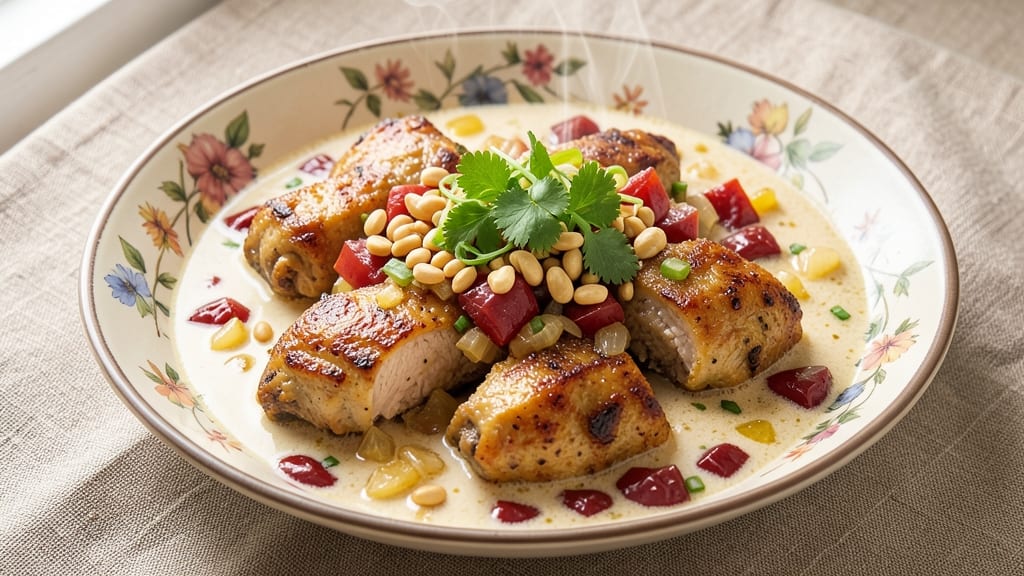
This American chicken curry recipe transforms weeknight dinners with smoky coconut heat that's approachable yet deeply flavorful—no complicated spice blends required. The secret lies in balancing familiar American comfort with aromatic Indian-inspired spices, all simmered into a rich, velvety sauce that clings perfectly to tender chicken pieces.
I developed this one-pot method after years of testing, ensuring home cooks achieve restaurant-quality results without the fuss of traditional curry techniques.
The beauty of this recipe is its adaptability: adjust the heat level to your preference, swap in your favorite vegetables, or keep it simple with just chicken, coconut milk, and a handful of pantry spices.
What you'll end up with is a dish that's creamy yet light, with a perfect balance of smoky depth and bright, citrusy notes from the coconut and tomato base. The chicken cooks until fork-tender while absorbing all that complex flavor, making every bite satisfying and aromatic.
This curry is designed to be your go-to weeknight solution—ready in under an hour, with minimal cleanup thanks to the one-pot approach. Serve it over fluffy basmati rice, with warm naan for dipping, or alongside roasted potatoes for a heartier meal.
The aroma alone will have everyone gathered at the table, and the leftovers reheat beautifully, maintaining that perfect texture and depth of flavor.
Whether you're feeding a family or meal prepping for the week, this recipe delivers consistent, foolproof results. The instructions walk you through every step, from searing the chicken to building the sauce, with tips to ensure success even if you're new to curry-making.
Let's create a dish that's both comforting and exciting, with the perfect balance of smoky, creamy, and tangy flavors.
Ingredients for american chicken curry
Pantry staples meet bold flavors in this one-pot curry—simple ingredients, big results.
| Ingredient | Amount | Notes |
|---|---|---|
| Boneless Chicken Thighs 🍗 | 1 ½ lb | Cut into 1-inch pieces |
| Full-Fat Coconut Milk 🥥 | 13 ½ oz | High quality, canned |
| Crushed Tomatoes 🍅 | 14 ½ oz | San Marzano preferred |
| Yellow Onion 🧅 | 1 whole | Medium size, diced |
| Garlic Cloves 🧄 | 6 cloves | Fresh, minced |
| Ginger Root 🌿 | 1 tbsp | Fresh, grated |
| Tomato Paste 🍅 | 2 tbsp | Smooth, no sugar added |
| Ground Cumin 🌿 | 1 tbsp | Toasted for depth |
| Smoked Paprika 🌶️ | 1 tbsp | For smoky flavor |
| Ground Coriander 🌿 | 1 tsp | Freshly ground preferred |
| Turmeric Powder 🌶️ | ½ tsp | Bright yellow color |
| Salt 🧂 | 1 tsp | Kosher or sea salt |
| Black Pepper 🌶️ | ½ tsp | Freshly ground |
| Lemon Juice 🍋 | 1 tbsp | Freshly squeezed |
| Olive Oil 🫒 | 2 tbsp | Extra-virgin preferred |
The coconut milk makes this curry sing—full-fat is non-negotiable for that creamy, velvety texture. Trader Joe's or Thai Kitchen brands are my go-tos for consistency, but any high-quality canned coconut milk works. The crushed tomatoes? San Marzano is ideal if you're splurging, but regular crushed tomatoes from Muir Glen are a solid budget pick. For the chicken, thighs stay juicier than breasts during the long simmer—bone-in, skin-on if you can find them, but boneless works too. Fresh ginger and garlic are worth the extra minute to grate and mince; they bring the most flavor, but jarred paste in a pinch is fine.
No smoked paprika? Substitute half the amount of regular paprika plus a pinch of liquid smoke—it's a game-changer for that smoky depth. Running out of cumin? Ground coriander at double the amount gives a similar earthy note. The tomato paste can be skipped if you're using extra tomatoes, but it thickens the sauce beautifully. For heat, add red pepper flakes or cayenne to taste—start with a quarter teaspoon and adjust. The lemon juice brightens everything at the end, so don’t skip it unless you're serving with something tangy like lime wedges.
This curry tastes even better the next day—plan ahead and make extra for leftovers. Store in an airtight container in the fridge for up to 4 days, or freeze for 3 months. The sauce thickens as it cools, so stir in a splash of water or coconut milk when reheating. Serve over jasmine rice or with warm naan for dipping. The flavors meld beautifully overnight, so double the batch if you're feeding a crowd—it reheats like a dream.
Why You'll Love This Recipe
- Here’s what sold me: the full-fat coconut milk turns this into a velvety dream, while the chicken thighs stay juicy with a just-right crispy edge. That garlic-onion base? It’s the secret weapon—deep, savory, and impossible to resist. Honestly, the first time I tasted it, I wondered why I didn’t make it sooner.
- Foolproof Simplicity: I swear by this recipe because it’s the kind of dish that lets you actually enjoy cooking—not stressing. Sear those chicken thighs in one pan, toss in the onions and garlic, then dump in the crushed tomatoes and coconut milk. Stir, simmer, and walk away. That’s it. No chopping mountains of herbs, no balancing five spices—just rich, bold flavor with minimal effort.
- Creamy & Crispy Magic: Here’s what sold me: the full-fat coconut milk turns this into a velvety dream, while the chicken thighs stay juicy with a just-right crispy edge. That garlic-onion base? It’s the secret weapon—deep, savory, and impossible to resist. Honestly, the first time I tasted it, I wondered why I didn’t make it sooner.
- Weeknight to Potluck Hero: This curry is my go-to for lazy nights and when I need to impress. Serve it over rice for a no-fuss family dinner, or spoon it into pita pockets for a picnic. Even my picky eaters ask for seconds—(yes, even on a Tuesday night). The best part? It’s the kind of dish that tastes better the next day, so it’s always a win.
Step-by-step instructions for smoky coconut chicken curry
This one-pot wonder delivers restaurant-quality flavor with minimal effort—just follow these simple steps.
Sear the Chicken Until Golden
Heat the 2 tablespoons olive oil in a large, heavy-bottomed pot over medium-high heat. Once shimmering, add the 1.5 lb boneless chicken thighs cut into 1-inch pieces, working in batches if needed to avoid crowding. Let each piece sear undisturbed for 2-3 minutes until golden brown on all sides.
Here's the thing—don't rush this step. You want that beautiful crust on the chicken, which adds depth of flavor. If the chicken releases easily from the pan, it's ready to move on. Once all pieces are seared, transfer them to a plate and set aside temporarily.
Build the Aromatic Base
In the same pot, reduce heat to medium and add the 1 whole yellow onion (diced) and 6 cloves garlic cloves (minced). Sauté for 3-4 minutes until the onions soften and turn translucent, then add the 1 tablespoon grated ginger root. Cook for another 1 minute until fragrant—this is where all the magic happens.
Next, stir in the 2 tablespoons tomato paste and cook for 1-2 minutes until it darkens slightly. This step creates the flavor foundation that will carry through the entire dish. If you smell something burning, reduce heat immediately—we're aiming for caramelized, not charred.
Toast the Spices for Maximum Flavor
Add the 1 tablespoon ground cumin, 1 tablespoon smoked paprika, 1 teaspoon ground coriander, and 0.5 teaspoon turmeric powder to the pot. Stir constantly for 30-45 seconds until the spices become fragrant and slightly toasted—this releases their essential oils and deepens their flavor profile.
I always add a pinch of salt at this stage to help bring out the spices' natural aromas. The pot should be sizzling but not smoking. Once the spices are toasted, pour in the 14.5 oz crushed tomatoes and stir well to combine with the spice mixture. Let this simmer for 3-4 minutes until slightly thickened.
Simmer with Coconut Milk
Pour in the 13.5 oz full-fat coconut milk and stir to incorporate. Bring the mixture to a gentle simmer over medium-low heat, then reduce heat to maintain a bare simmer. Return the chicken to the pot, nestling it into the sauce. Cover with a tight-fitting lid and let it cook for 20-25 minutes, stirring occasionally.
This is where patience pays off. The coconut milk will slowly infuse with the chicken's flavors, creating a creamy, aromatic sauce. You'll know it's ready when the chicken is tender enough to pierce easily with a fork and the sauce has thickened slightly. If the sauce reduces too quickly, add a splash of water or chicken broth.
Finish with Acid and Serve
Once the chicken is tender, stir in the 1 tablespoon lemon juice, 1 teaspoon salt, and 0.5 teaspoon black pepper. The acid brightens all the flavors and cuts through the richness of the coconut milk. Taste and adjust seasoning if needed—this is your chance to perfect the balance of flavors.
Let the curry simmer uncovered for another 5 minutes to allow the sauce to thicken slightly. Serve immediately over steamed rice or with warm naan bread. The aroma alone will have everyone gathering around the table—this is comfort food at its finest.
Pro Tips For Making American Chicken Curry
- SEAR THE CHICKEN FIRST: After patting the thighs dry (yes, even if they’re boneless), hit them with oil in a hot pan until the edges turn golden—about 3-4 minutes per side. I used to skip this, and the curry always tasted flat; that crust locks in flavor when the coconut milk comes in.
- SAUTE ONIONS LOW AND SLOW: Don’t rush the onions—they’re the flavor base. Cook them on medium-low heat for 10-12 minutes until deep golden, almost caramelized, stirring occasionally. I learned this the hard way: burning them adds bitterness that no amount of garlic can fix.
- STRAIN THE TOMATO JUICE: After adding crushed tomatoes, let them simmer for 5 minutes, then strain out the excess liquid with a fine-mesh sieve. The thickened paste blends better with the coconut milk and keeps the curry from being watery—no one wants a soupy dish when you’re going for rich and velvety.
- USE GARLIC PASTE, NOT MINCED: Mince the garlic cloves into a paste with a splash of water—it distributes evenly and cooks faster without burning. I was skeptical until I tried it; now I double the amount because it actually tastes stronger in the final dish. (Yes, even if you’re impatient like me.)
Dietary considerations for this dish
Gluten-Free Adaptations
This curry is naturally gluten-free, but always double-check your pantry staples. The coconut milk, crushed tomatoes, and spices are typically safe, but some brands of tomato paste or broth may contain hidden gluten. I recommend Muir Glen tomato paste and Imagine Foods gluten-free broth for extra safety.
The naan bread is the only potential gluten risk—opt for gluten-free naan from brands like Schar or serve with cauliflower rice instead. 🌾
Dairy-Free Options
The recipe is dairy-free as written, but you can enhance it further by using coconut yogurt instead of sour cream for serving. I love So Delicious coconut yogurt for its creamy texture.
If you're avoiding coconut, swap the coconut milk for full-fat cashew cream (blend 1 cup soaked cashews with ½ cup water until smooth). The sauce will still be rich and flavorful without dairy.
Lower-Carb Modifications
For a lower-carb version, skip the rice entirely and serve the curry over cauliflower rice or shredded cabbage. I also add ½ cup diced zucchini or bell peppers to bulk up the dish without carbs.
If you're watching calories, use skinless chicken thighs instead of bone-in pieces. The sauce remains the star, so focus on keeping it rich and flavorful while reducing the carb-heavy sides.
Nut-Free Considerations
This recipe is naturally nut-free, but always verify labels on your coconut milk—some brands process in facilities that handle nuts. For extra caution, use SunRype coconut milk, which is processed in a dedicated facility.
If nut allergies are a concern, avoid adding any garnishes like chopped nuts or coconut flakes. The dish still shines with just fresh cilantro or green onions for brightness.
Spice Sensitivity Adjustments
For milder heat, reduce the smoked paprika to ½ tablespoon and omit the cayenne entirely. If you want warmth without spice, add ½ teaspoon ground fennel—it adds a subtle sweetness that complements the coconut beautifully.
For added depth without heat, increase the ground coriander to 1.5 teaspoons. The key is balancing the flavors so the coconut milk remains the creamy star of the dish.
Protein Swaps
Need a different protein? Swap the chicken for chickpeas (simmer for 15 minutes less) or firm tofu (press and cube before searing). For seafood lovers, shrimp cooks in just 5 minutes—add it at the very end to avoid overcooking.
If you're using tofu, marinate it first in 1 tablespoon lemon juice and 1 teaspoon smoked paprika for extra flavor. The sauce adapts beautifully to any protein while keeping the dish cohesive. 🍤
Nutrition facts
Frequently asked questions
Can I use chicken breasts instead of thighs?
Chicken breasts will work, but they're leaner and can dry out during the long simmer. For best results, pound them to ½-inch thickness and add them to the sauce only 10 minutes before serving. You may need to cover with extra sauce or a splash of broth to keep them moist.
How do I adjust the heat level?
Start with the recipe as written for mild warmth. For medium heat, add ½ teaspoon cayenne pepper when toasting the spices. For spicy, increase to 1 teaspoon cayenne or add 1-2 chopped fresh chili peppers with the onions. Always taste before serving—you can't remove heat once added!
What can I serve with this curry?
Classic pairings include jasmine rice or basmati rice, warm naan bread, and simple cucumber raita (yogurt with grated cucumber). For a heartier meal, add roasted potatoes or crusty bread. The creamy sauce also works beautifully with egg noodles for a comforting twist.
Can I make this in an Instant Pot?
Sear the chicken in a separate pan first, then add all ingredients to your Instant Pot. Cook on High Pressure for 10 minutes, then quick-release. Finish with lemon juice and let it sit for 5 minutes before serving. The pressure cooker makes this even easier for busy weeknights.
Why did my curry turn out watery?
Watery curry usually means the sauce didn't reduce enough. Try simmering uncovered for 5-10 extra minutes to thicken it, or stir in 1 tablespoon cornstarch mixed with 2 tablespoons water to bind the sauce. For next time, reduce the coconut milk slightly before adding it to the pot.