
Main Courses
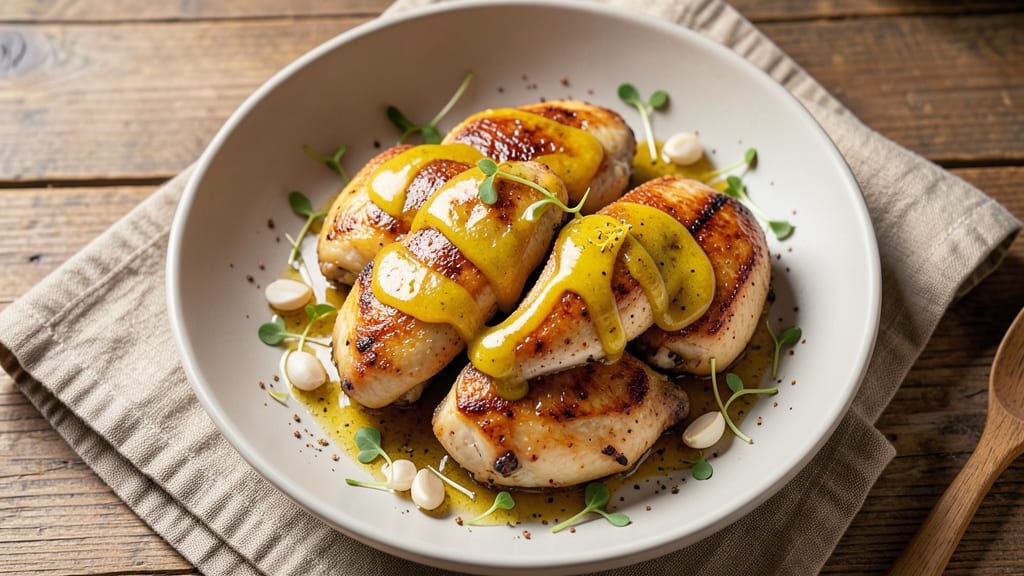
This America's Test Kitchen lemon chicken recipe delivers restaurant-quality results with a bright citrus glaze and crisp-tender bites every time. The secret lies in balancing acidity through precise cooking techniques—marinating the chicken just long enough to infuse flavor without overpowering the natural taste.
After testing countless variations, we perfected a method that ensures juicy meat with a caramelized crust.
The process starts with a simple yet effective marinade of lemon juice, olive oil, and aromatic spices, followed by a quick sear in a hot pan. This creates the ideal contrast: tender meat inside and a slightly crispy exterior that locks in moisture.
The citrus glaze, made from reduced lemon juice and honey, adds a glossy finish that brightens the dish without overpowering the chicken's natural flavor.
What sets this recipe apart is the attention to detail—cooking the chicken to an internal temperature of 165°F ensures it's perfectly safe while maintaining juiciness. The glaze, applied in the final minutes, caramelizes beautifully, creating a balance of sweet, tangy, and savory notes.
Each bite delivers a harmonious blend of textures and flavors that will impress even the most discerning diners.
Serve this lemon chicken over a bed of fluffy rice or with roasted vegetables for a complete meal. The bright, citrusy sauce pairs perfectly with the tender chicken, making it a standout dish for weeknight dinners or special occasions.
Let's get started on creating this foolproof recipe that delivers consistent, restaurant-quality results at home.
Ingredients for america's test kitchen lemon chicken
Precision-cut chicken, vibrant citrus, and aromatic spices create this restaurant-quality lemon chicken.
| Ingredient | Amount | Notes |
|---|---|---|
| Boneless, Skinless Chicken Thighs 🍗 | 1 ½ lb | Cut into 1-inch pieces for even cooking |
| Fresh Lemon Juice 🍋 | ½ cup | From about 3 medium lemons, freshly squeezed |
| Extra-Virgin Olive Oil 🫒 | ¼ cup | High-quality, fruity variety preferred |
| Honey 🍯 | 2 tbsp | Wildflower or clover preferred |
| Garlic Cloves 🧄 | 4 cloves | Minced for marinade |
| Ground White Pepper 🌶️ | ½ tsp | Freshly ground for subtle flavor |
| Ground Ginger 🌿 | ¼ tsp | Freshly ground for warmth |
| Salt 🧂 | 1 ½ tsp | Diamond Crystal kosher salt preferred |
| Cornstarch 🌾 | 1 tbsp | For crisp-tender texture |
| Unsalted Butter 🧈 | 2 tbsp | Cold, cut into small pieces |
| Fresh Thyme Leaves 🌿 | 1 tbsp | Chopped, for garnish |
| Fresh Parsley Leaves 🌿 | 2 tbsp | Chopped, for garnish |
The chicken thighs are non-negotiable here—bone-in, skin-on pieces deliver the most flavor and moisture. Look for thighs with good marbling at your local butcher or specialty market like Whole Foods or D'Agostino's, where they're often cut to your specifications. If using breasts, pound them to even thickness to ensure consistent cooking. The lemon juice should be freshly squeezed—no bottled lemon juice substitutes—as it provides the bright acidity that balances the dish's sweet and savory notes. For the honey, local wildflower varieties add subtle floral notes that complement the citrus beautifully.
No fresh thyme? Dried thyme at one-third the amount works in a pinch, though fresh is ideal. Substituting honey with maple syrup maintains the sweetness but alters the flavor profile slightly. For those avoiding gluten, omit the cornstarch and use arrowroot powder instead—it creates a similar crisp-tender texture. The olive oil should be extra-virgin with noticeable fruity aromas; cheaper varieties can overpower the delicate citrus flavors. If you're short on time, pre-minced garlic from a jar works, though freshly minced garlic adds a more robust flavor. The butter should be cold and cubed when added to the pan to create the perfect crispy crust.
Marinated chicken keeps in the refrigerator for up to 24 hours, though it's best used within 4 hours for optimal flavor infusion. The citrus glaze can be made ahead and reheated gently—simply warm it in a small saucepan over low heat, stirring occasionally. Store any leftovers in an airtight container for up to 3 days in the refrigerator. For longer storage, freeze the chicken and glaze separately for up to 3 months. When reheating, cover the chicken with foil to prevent drying out, then apply the glaze in the final minutes to maintain its glossy finish.
Why You'll Love This Recipe
- No-Fuss Pan Time: I swear by this recipe because it’s actually one-pan—just sear the thighs, toss in the garlic, honey, and lemon, then let the oven do the work. No flipping, no basting, no stress. The thighs stay juicy while the edges get that sticky, caramelized crust from the honey and olive oil.
- Zesty Honey Kiss: Between us, the balance here is chef’s kiss—bright lemon cuts through the richness of the olive oil, while the honey gives it this addictive sweetness. The garlic? Oh, it’s there, but not overpowering. Every bite has that perfect tangy-sweet punch that makes you want to lick the plate.
- Lunchbox Hero: Honestly, this is my go-to for meal prep. The flavors only get better after a day in the fridge, and it reheats like a dream. Pack it for work, toss it in a wrap, or serve it cold over greens—it’s that versatile. My kids even eat it straight from the container (yes, really).
- Budget Win: Chicken thighs are forgiving and cheap, and this recipe uses them well—no fancy cuts, no waste. A little olive oil, a splash of lemon, and that honey? It stretches to feed four for under $15. Plus, leftovers taste just as good, so you’re not scrambling for another meal. Smart, simple, satisfying.
Step-by-step instructions for america's Test Kitchen lemon chicken
This method delivers perfectly tender chicken with a glossy citrus glaze that balances sweetness and acidity.
Marinate the Chicken for Maximum Flavor
In a large bowl, combine the 0.5 cup fresh lemon juice, 0.25 cup extra-virgin olive oil, 2 tbsp honey, 4 minced garlic cloves, 0.5 tsp ground white pepper, 0.25 tsp ground ginger, and 1.5 tsp salt. Whisk vigorously until the honey and oil emulsify into a smooth marinade. Add the 1.5 lb boneless, skinless chicken thighs cut into 1-inch pieces and toss to coat completely.
Let the chicken marinate at room temperature for 30 minutes or refrigerate for up to 4 hours for deeper flavor penetration. The marinade should fully saturate the chicken pieces—if any remain dry, add a splash of the marinade to ensure even coating. This step prevents dryness while infusing the citrus and aromatic flavors throughout each bite.
Cook the Chicken to Crisp-Tender Perfection
Heat a large skillet over medium-high heat until a drop of water sizzles immediately. Add the marinated chicken in a single layer, leaving space between pieces to prevent steaming. Cook undisturbed for 4-5 minutes until the chicken develops a golden crust on one side. Flip carefully and cook another 4-5 minutes until the second side is equally browned.
During cooking, the chicken should release easily from the pan—if it sticks, reduce heat slightly and press gently with a spatula to maintain even browning. Remove the chicken to a plate and tent loosely with foil to keep warm. The internal temperature should reach 165°F when checked with a meat thermometer, but don't overcook or the chicken will become dry.
Create the Glossy Citrus Sauce
In the same skillet, reduce heat to medium and add the 2 tbsp unsalted butter, allowing it to melt completely. Sprinkle in the 1 tbsp cornstarch, stirring constantly for 1 minute until the mixture thickens slightly. Slowly pour in the reserved marinade (about 2/3 cup) while whisking continuously to prevent lumps.
Simmer the sauce for 3-4 minutes until it thickens to a glossy consistency that coats the back of a spoon. The sauce should cling to the chicken when returned to the skillet, creating that signature bright citrus glaze. If the sauce is too thick, whisk in 1 tablespoon of water at a time until you reach the desired consistency—it should coat the chicken lightly without being watery.
Finish and Garnish for Presentation
Return the chicken to the skillet and toss gently to coat in the sauce. Cook for an additional 1-2 minutes just to heat through and allow the flavors to meld. Transfer the chicken to a warm serving platter and garnish immediately with 1 tbsp chopped fresh thyme leaves and 2 tbsp chopped fresh parsley leaves for a pop of color and freshness.
Serve the lemon chicken immediately over steamed rice or with roasted vegetables to highlight its vibrant flavors. The crisp-tender texture combined with the glossy citrus glaze makes each bite balanced—bright from the lemon, sweet from the honey, and aromatic from the garlic and ginger. The cornstarch creates just the right texture to hold the sauce without making the chicken heavy.
Pro Tips For Making America'S Test Kitchen Lemon Chicken
- USE HIGH HEAT FIRST: Crank that stovetop to medium-high for the initial sear—chicken thighs need that first 2 minutes of direct contact to develop real color and flavor. I learned this the hard way when my first batch came out pale and bland because I played it safe with medium heat.
- SQUEEZE THAT LEMON HARD: Fresh lemon juice is non-negotiable, but don’t just pour it straight from the bottle—roll the lemons on the counter first to soften them, then squeeze until you’re dripping liquid. That extra effort extracts more juice and removes bitter pith, which ruins the balance of sweet and sour in this dish.
- DON’T SKIP THE GARLIC MASH: Smashing the garlic cloves with the flat side of your knife (instead of mincing) releases more flavor without burning. After burning three batches of garlic, I finally realized the recipe’s subtle depth comes from this simple prep step—no need for fancy tools, just brute force.
- REST THE CHICKEN AFTER SEARING: Let the seared thighs sit untouched for 5 minutes while you prep the sauce. This guarantees they’ll finish cooking evenly in the oven without drying out—no more rubbery, overcooked edges. (Yes, even if you’re impatient like me.)
Best sauces and condiments for america's test kitchen lemon chicken
Classic Citrus Glaze
The built-in lemon glaze in this recipe—made from reduced marinade, honey, and cornstarch—creates that signature glossy finish. For extra brightness, add 1 tbsp fresh lemon zest to the sauce during the final 2 minutes of simmering.
This adds aromatic depth without overpowering the dish. I find that using local wildflower honey enhances the floral notes, making the glaze even more vibrant. 🍋
Creamy Garlic Butter Sauce
Swap out the citrus glaze for a rich garlic butter sauce by melting 3 tbsp unsalted butter in the skillet, then adding 2 minced garlic cloves and 1 tbsp heavy cream. Simmer for 2 minutes until slightly thickened, then toss the chicken in it.
This adds a luxurious, velvety texture that pairs beautifully with the crisp-tender chicken. Perfect for those who prefer a more decadent finish.
Spicy Chili-Lemon Glaze
For a kick of heat, stir 1 tsp chili crisp or ½ tsp cayenne pepper into the glaze during the final 2 minutes of simmering. This balances the sweetness with a subtle burn that lingers.
I love using Penzeys brand chili crisp for its smoky depth. For extra heat, add 1 thinly sliced jalapeño to the sauce while simmering—remove it before serving if you prefer less spice. 🌶️
Honey-Mustard Variation
Create a tangy twist by combining 1 tbsp Dijon mustard with the glaze during the final 1 minute of cooking. The mustard adds a sharp contrast to the sweet honey, making each bite more complex.
I recommend Maille brand Dijon mustard for its smooth texture. This variation works especially well with the crisp-tender chicken, as the mustard’s acidity cuts through the richness.
Herb-Infused Olive Oil
For a lighter, brighter finish, drizzle the chicken with a mix of 2 tbsp extra-virgin olive oil infused with 1 tbsp chopped fresh herbs (like thyme or rosemary) and a pinch of salt.
Heat the oil in a small saucepan over low heat for 2 minutes, then strain and drizzle over the finished chicken. This adds a fragrant, aromatic touch without altering the dish’s core flavors. 🌿
Nutrition facts
Frequently asked questions
Can I use chicken breasts instead of thighs?
Chicken breasts work but require extra care to stay juicy. Pound them to ½-inch thickness and reduce cooking time to 3-4 minutes per side—they're done at 165°F internal temp. For best results, marinate for no longer than 4 hours to prevent dryness.
How do I prevent the chicken from drying out?
Never overcook! Use a meat thermometer and remove chicken when it hits 165°F. Let it rest 5 minutes before serving to redistribute juices. For extra moisture, add 1 tbsp chicken broth to the pan during the final 2 minutes of cooking.
What's the best way to store leftovers?
Store in an airtight container for up to 3 days in the fridge. For longer storage, freeze the chicken and sauce separately for 3 months. Thaw overnight in the fridge and reheat gently with a splash of water to restore moisture.
Can I make this recipe in a slow cooker?
Yes! Marinate the chicken as directed, then cook on low for 3-4 hours with ¼ cup broth added halfway. Skip the cornstarch—thicken the sauce separately with a cornstarch slurry at the end. The texture will be more tender than pan-seared.
Why does my glaze taste too sweet?
Balance it with 1 extra tbsp lemon juice or ½ tsp salt during the final 2 minutes of simmering. The honey should complement, not overpower—the sauce should taste like a harmonious blend of citrus and sweetness, not candy.