
Main Courses
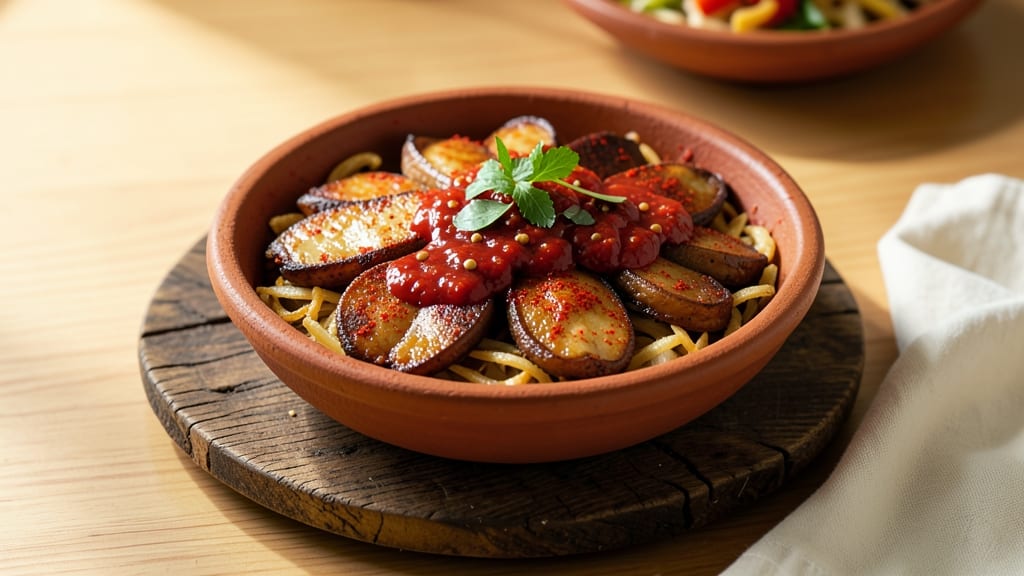
This Andhra chicken liver fry recipe delivers the bold, tangy-spicy flavors of South India in every crispy bite. The secret lies in tamarind's signature tang and red chili powder's fiery kick, balanced perfectly with mustard seeds and curry leaves for authentic depth.
I've perfected this one-pan technique after years of testing, ensuring the livers stay tender while developing that signature crunchy exterior.
The dish starts with a tempering of mustard seeds and curry leaves in hot oil, releasing their aromatic magic before the livers hit the pan. Shallow frying at medium heat creates that irresistible crispiness, while the tamarind-chili marinade infuses each piece with complex flavors.
This isn't just a recipe—it's a taste of Andhra's fiery culinary tradition, where heat and tang dance in perfect harmony.
What makes this recipe special is the balance—spicy enough to satisfy heat lovers but with enough tamarind brightness to prevent overwhelming heat. The livers emerge golden-brown and crispy on the outside while remaining tender inside, coated in a light spice crust that shatters with every bite.
Serve with warm appalam or steamed rice to soak up every last drop of that flavorful oil.
Authentic Andhra cooking relies on fresh ingredients and proper technique, and this recipe delivers both. The shallow frying method ensures maximum crispiness without drying out the livers, while the tamarind-chili marinade transforms simple ingredients into something extraordinary.
This dish proves that bold flavors don't require complicated methods—just the right balance of spices and patience.
Ingredients for andhra chicken liver fry
Bold Andhra flavors meet crispy perfection in this one-pan liver fry, where tamarind's tang and chili's heat create irresistible balance.
| Ingredient | Amount | Notes |
|---|---|---|
| Chicken Livers 🍗 | 1 ½ lb | Fresh, trimmed of connective tissue |
| Tamarind Paste 🍈 | ½ cup | High-quality, unsweetened |
| Red Chili Powder 🌶️ | 2 tbsp | Kashmiri or Andhra variety preferred |
| Mustard Seeds 🌱 | 1 tbsp | Whole, yellow or brown |
| Curry Leaves 🌿 | ¼ cup | Fresh, tightly packed |
| Asafoetida Powder 🌶️ | ¼ tsp | Essential for authentic flavor |
| Turmeric Powder 🧡 | ½ tsp | Freshly ground preferred |
| Salt 🧂 | 1 ½ tsp | Diamond Crystal kosher preferred |
| Vegetable Oil 🫒 | 1 ½ cups | High smoke point, neutral flavor |
| Lemon Juice 🍋 | 1 tbsp | Freshly squeezed |
| Cumin Seeds 🌱 | ½ tsp | Toasted for deeper aroma |
| Garlic Cloves 🧄 | 4 cloves | Minced, freshly peeled |
| Green Chilies 🌶️ | 2 whole | Slit lengthwise, Andhra variety if available |
The chicken livers are the star, so source them from a trusted butcher or specialty market—they should be plump, moist, and bright red. Whole Foods or local Indian grocers often carry the freshest cuts, though regular supermarkets work too. Trim any connective tissue carefully—this ensures tender bites. For the tamarind paste, look for unsweetened blocks at Asian markets; the pulp should be sticky and slightly sour. If using powdered tamarind, soak it in warm water first to restore its tang. The red chili powder is non-negotiable—Kashmiri or Andhra varieties provide that signature depth without overwhelming heat, though you can adjust to taste.
No mustard seeds? Substitute with equal parts ground mustard seed, though the tempering will be less aromatic. Fresh curry leaves are ideal, but dried leaves at half the amount work in a pinch. Asafoetida (hing) is essential—its umami punch can't be replicated, though a pinch of garlic powder adds a hint of depth if unavailable. The tamarind paste can be substituted with equal parts lime juice plus 1 tsp sugar, though the flavor won't be identical. For the oil, avocado or rice bran oil works best due to their high smoke points, but vegetable oil is fine. Preferring milder heat? Reduce the green chilies to 1 and add a pinch more tamarind paste to balance.
Livers brown quickly after cutting, so pat them dry thoroughly before marinating to ensure crispiness. The marinade keeps for 3 days in the fridge, though the livers are best used fresh for optimal texture. Store any leftover oil in a sealed jar—it's packed with flavor and can be reused for shallow frying other proteins. For authenticity, serve immediately with warm appalam or steamed basmati rice to soak up the bold flavors. The dish reheats beautifully, though the crispiness may diminish slightly—best enjoyed fresh from the pan.
Why You'll Love This Recipe
- Fry-Up in Minutes: I swear by this for lazy Sundays—just fry the livers in mustard seeds and curry leaves until golden, then toss them in tamarind and chili. Five ingredients, zero fuss.
- Tangy Kick: That tamarind paste cuts through the richness of the livers like a citrusy wake-up call, while the red chili powder adds heat that lingers. Honestly, it’s the perfect balance of sour and spicy.
- Snack or Side: Between us, this is my go-to for parties (no one expects liver fry, so I always get compliments) or as a quick protein boost with rice. Works just as well cold as hot.
- Budget Powerhouse: Chicken livers are cheap, and this recipe stretches them into something special. I make a big batch, store it in the fridge, and pull it out for days—always delicious, never boring.
Step-by-step instructions for Andhra chicken liver fry
Master this bold Andhra specialty with precise technique and bold flavors.
Prepare and Season the Chicken Livers
Rinse the 1.5 lb chicken livers thoroughly under cold water to remove any blood or impurities. Pat them completely dry with paper towels—this ensures they sear properly rather than steam. Trim away any connective tissue or silverskin using a sharp knife, as these can make the final texture tough.
In a mixing bowl, combine the 2 tbsp red chili powder, 0.5 tsp turmeric powder, 1.5 tsp salt, and 0.25 tsp asafoetida powder. Add the cleaned chicken livers and toss gently to coat evenly with the spice blend. Let them marinate for 15-20 minutes at room temperature while you prepare the remaining ingredients. This step develops the deep, complex flavors that define Andhra cuisine.
Temper the Spices and Oil
Heat 1.5 cups vegetable oil in a heavy-bottomed kadhai or skillet over medium heat. Add the 1 tbsp mustard seeds and let them splutter for 30 seconds—this releases their signature aroma. Immediately add the 0.5 tsp cumin seeds and 4 cloves minced garlic, stirring constantly for 1 minute until the garlic turns golden.
Next, add the 2 whole slit green chilies and 0.25 cup tightly packed curry leaves. Cook for 1-2 minutes until the curry leaves turn crisp and the chilies soften slightly. Remove from heat and set aside—this tempered oil carries the foundational flavors of the dish. Real talk: don't skip this step; it's the soul of Andhra cooking.
Cook the Chicken Livers
Return the kadhai to medium-high heat and add the marinated chicken livers in a single layer. Cook undisturbed for 3-4 minutes until the bottoms develop a deep golden crust. Gently flip each piece and cook for another 3-4 minutes until they're evenly browned and cooked through. The livers should be tender but still hold their shape.
Here's the thing—chicken livers cook fast and dry out easily. Watch them closely and remove any pieces that cook faster than others to prevent overcooking. The internal temperature should reach 160°F when checked with an instant-read thermometer. Once done, transfer the livers to a plate and set aside.
Finish with Tamarind and Lemon
Reduce the heat to low and add the 0.5 cup tamarind paste to the kadhai. Stir continuously for 2-3 minutes until it dissolves completely into the oil. The mixture should thicken slightly and develop a glossy sheen—this is your signature tamarind glaze.
Return the chicken livers to the kadhai and toss gently to coat them evenly in the tamarind mixture. Add the 1 tbsp freshly squeezed lemon juice and cook for an additional 1 minute to brighten the flavors. The acidity from the lemon cuts through the richness of the livers and balances the tamarind's tang. Taste and adjust seasoning with additional salt if needed.
Serve Immediately
Transfer the Andhra chicken liver fry to a serving platter and garnish with a sprinkle of fresh curry leaves for aroma and presentation. Serve immediately while hot—this dish is best enjoyed fresh from the pan. The perfect serving temperature is 185-190°F, where the livers remain tender yet firm.
Pair with steamed rice and a cooling raita to balance the intense flavors. The tamarind glaze should coat each piece with a sticky-sweet contrast to the fiery chili, creating a perfect harmony of textures and temperatures in every bite. Don't let it sit—this dish loses its magic as it cools.
Pro Tips For Making Andhra Chicken Liver Fry
- BLEACH THE LIVERS FIRST: Chicken livers have that iron-rich blood taste, and skipping the bleach step means your dish will taste metallic no matter how much tamarind or chili you add. Soak them in cold water with a pinch of salt and lemon juice for 10 minutes—rinse twice—or they’ll turn your fry into a liver-flavored experiment.
- SLOWLY BUILD THE HEAT: Start with mustard seeds on low heat—if you dump them in hot oil, they’ll burn before they pop. Let them sizzle for 10 seconds, then add curry leaves, and only then crank the heat. That’s when the aroma magic happens, and your kitchen won’t smell like a smoke alarm went off.
- TAMARIND PASTE SHOULD GLAZE: The tamarind paste isn’t just for tang—it’s the glue that makes this dish shine. After adding it, simmer for at least 3 minutes until it thickens into a glossy coat. If it’s watery, reduce it further—this isn’t a soup, and the livers need that sticky, spicy embrace to stick together.
- DON’T OVERCROWD THE PAN: I learned this the hard way—livers release water like crazy, and if you pile them in, they’ll steam instead of fry. Cook in batches, even if it takes longer. Crispy edges and a golden crust? That’s the goal, not sad, greasy clumps. (Yes, even if you’re impatient like me.)
Wine and beer pairings for this dish
Andhra-Style Beer Pairings
For this fiery dish, I recommend a light lager like Kingfisher or Tuborg—their crisp, clean profiles cut through the heat while complementing the tamarind's tang. The subtle malt sweetness balances the chili without overwhelming the dish.
A wheat beer with citrus notes (like Blue Moon) also works beautifully, especially if you prefer a slightly effervescent contrast to the rich livers. 🍺
Indian Craft Beer Options
If you're in India, try pairing with Craft Beer Co.'s Andhra Pale Ale, which mirrors the dish's spicy profile with its own chili and coriander notes. The beer's hoppy bitterness helps cleanse your palate between bites.
For a non-alcoholic option, Papaya Fanta or limca provide a refreshing citrus contrast that enhances the tamarind's brightness.
Wine Pairings for Heat Lovers
A dry Chenin Blanc from India or South Africa is my go-to wine pairing—its crisp acidity and subtle honeyed notes stand up to the chili while enhancing the tamarind's complexity.
For red wine lovers, a Pinot Noir with light tannins (like those from the Nashik region) won't overpower the dish but adds a velvety texture that complements the crispy livers.
Cocktail Pairing: Tamarind-Mint Cooler
For a refreshing non-alcoholic option, blend ½ cup tamarind pulp, 1 tbsp honey, juice of 1 lime, and fresh mint leaves with ice and soda water. The tamarind-mint combo mirrors the dish's flavors while providing a cooling contrast.
Garnish with a lime wedge and serve chilled—this drink is like a liquid version of the dish's essence. 🍹
Regional Pairing: Filter Coffee
In Andhra, this dish is traditionally served with kaapi (filter coffee)—the bold, spiced coffee cuts through the richness of the livers while adding warmth. If you don't have filter coffee, a strong espresso with a pinch of cardamom works as a quick substitute.
The bitterness in coffee helps balance the sweet-spicy-sour trifecta of the dish.
Pro Tip: Temperature Matters
Serve your beer or wine slightly cooler than room temperature—around 40-45°F for lagers and 50-55°F for whites—to enhance their refreshing qualities against the dish's heat.
I always chill my beer for 15-20 minutes in the fridge before pairing, and it makes a noticeable difference in how well the flavors complement the spicy livers. 💡
Nutrition facts
Frequently asked questions
Why do chicken livers need to be patted completely dry before cooking?
Patting the livers dry is critical for achieving that signature crispy exterior. Moisture causes steaming instead of browning, resulting in soggy livers. The dry surface also helps the spices adhere better, creating that perfect spice crust. Always use paper towels and press firmly—don't just wipe!
Can I substitute chicken livers with another type of liver?
While chicken livers work best for this recipe, you can try duck livers for a richer flavor. Beef or pork livers won't work—they have very different textures and fat content. For a non-liver option, try finely chopped chicken thigh meat, but the texture will be less tender. Always adjust cooking times accordingly.
What's the secret to getting that perfect crispy texture?
The secret lies in three things: dry livers, medium-high heat, and single-layer cooking. Use enough oil to coat the bottom of your pan, and don't overcrowd the livers. Cook in batches if needed, and resist the urge to press them down—they'll crisp up perfectly when left undisturbed for those first 3-4 minutes.
How do I adjust the spice level for sensitive palates?
Start by reducing the red chili powder to 1 tbsp instead of 2 tbsp, and omit one of the green chilies. For extra cooling contrast, add 1 tsp yogurt to the marinade. The tamarind's natural sweetness will help balance any remaining heat. Remember—you can always add more spice, but you can't take it out!
What's the best way to store leftovers?
Store in an airtight container with a paper towel on top to absorb any moisture. Leftovers keep for 2-3 days in the fridge and can be reheated gently in a dry pan over low heat for 2-3 minutes. For longer storage, freeze for up to 1 month, but note the texture may be slightly less crispy when thawed.