
Main Courses
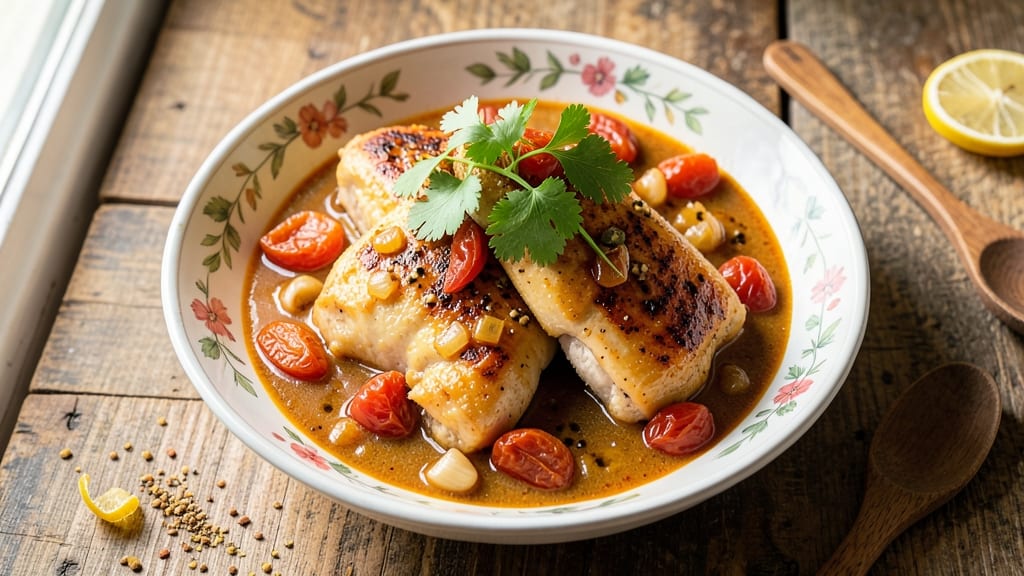
This apricot chicken curry recipe transforms ordinary weeknight dinners into a symphony of sweet, tangy, and aromatic flavors that linger long after the last bite.
The secret lies in caramelizing apricots until they deepen into a luscious, jammy consistency that balances the curry's heat and richness—something you won't find in most takeout versions.
I developed this recipe after years of experimenting with Indian home cooking, where slow-simmered fruits and spices create depth that's impossible to replicate with shortcuts.
The foundation is a foolproof yogurt-based curry that tenderizes the chicken while keeping the sauce velvety, not heavy. Sautéing whole spices like cardamom and cinnamon first unlocks their oils, which form the aromatic base before the apricots and tomatoes join the pot.
This isn't just another chicken curry—it's a dish that builds complexity through layers of flavor, where each ingredient has a purpose. The result? A sauce that's rich yet balanced, with caramelized apricots that add natural sweetness without overpowering the spices.
What makes this curry special is how it evolves as it simmers. The apricots soften into a jam-like texture, their sweetness mellowing into a caramelized depth that complements the yogurt's tang and the spices' warmth.
Served with basmati rice or warm naan, it becomes a complete meal that feels both comforting and sophisticated. The beauty of this recipe is its versatility—adjust the heat to your preference, or add fresh herbs at the end for brightness.
It's the kind of dish that gets better with leftovers, as flavors meld even more overnight.
Pair it with a crisp chilled lager or mint lemonade to cut through the richness, and you've got a restaurant-quality meal that's surprisingly simple to prepare. Let's get started—this curry is about to become your new go-to recipe for impressing guests or treating yourself to something extraordinary.
Ingredients for apricot chicken curry
Sweet, tangy, and aromatic—these ingredients create a curry that's restaurant-quality at home.
| Ingredient | Amount | Notes |
|---|---|---|
| Boneless Chicken Thighs 🍗 | 1 ½ lb | Skin-on for richer flavor |
| Plain Yogurt 🥛 | 1 cup | Full-fat preferred for creaminess |
| Dried Apricots 🍑 | 1 ½ cups | Chopped into small pieces |
| Canned Crushed Tomatoes 🍅 | 14 ½ oz | San Marzano preferred |
| Onion 🧅 | 1 whole | Medium yellow, finely chopped |
| Garlic Cloves 🧄 | 6 cloves | Fresh, minced |
| Fresh Ginger Root 🌿 | 2 tbsp | Grated, about 1 oz |
| Green Cardamom Pods 🌶️ | 8 whole | Lightly crushed |
| Cinnamon Sticks 🌿 | 2 whole | 1 inch pieces |
| Ground Cumin 🌶️ | 1 tbsp | Toasted for depth |
| Ground Coriander 🌿 | 1 tbsp | Freshly ground preferred |
| Garam Masala 🌶️ | 1 tbsp | Store-bought or homemade |
| Salt 🧂 | 1 ½ tsp | Diamond Crystal preferred |
| Black Peppercorns 🌶️ | ½ tsp | Freshly cracked |
| Extra-Virgin Olive Oil 🫒 | ½ cup | For sautéing |
The apricots are non-negotiable here. Look for dried, not canned—they caramelize beautifully and add that jammy depth. Trader Joe's usually has good ones, but any bulk bin works. The chicken thighs? Skin-on gives richer flavor, but boneless saves time. If you can't find boneless, just remove the skin after searing. For the yogurt, full-fat Greek yogurt (like Fage) works best—it's tangy and thickens the sauce perfectly. Skip the low-fat versions; they won't give the same velvety texture.
No cardamom pods? Ground cardamom at half the amount is fine, but it won't have the same aromatic punch. Short on ginger? Galangal or extra lemon juice adds a similar zing. The garam masala can be swapped for a mix of cumin, coriander, and cinnamon if you're feeling adventurous. For the tomatoes, San Marzano cans are worth the splurge—they're sweeter and less acidic. No San Marzano? Any good-quality canned tomatoes work, just add a pinch of sugar to balance the acidity. The olive oil matters too—use something fruity, not the cheap stuff.
This curry tastes even better the next day, so make extra. Keeps for 5 days in the fridge or 3 months frozen. I portion mine into containers with rice so lunches are ready to grab. The spices lose potency after a month, so store them in airtight containers away from light. If you're prepping ahead, sauté the spices and onions first, then freeze the base—just add the chicken and apricots when you're ready to cook.
Why You'll Love This Recipe
- Fridge-to-Table Magic: I swear by this recipe—no fancy prep, just chop an onion, marinate the chicken in yogurt for 15 minutes, and toss in the rest. The dried apricots soften into sweet pockets while the tomatoes thicken into a luscious sauce. That’s how you feed a family without stress.
- Sweet-Savory Balance: Between us, the combo of tart tomatoes, caramelized apricots, and tender chicken is ridiculously good. The yogurt keeps it creamy without being heavy, and the onions add depth that makes every bite feel like a hug. Honestly, it’s the kind of flavor that sticks with you.
- Weeknight Workhorse: I make this when I need something hearty but don’t want to slave away. It reheats beautifully for lunches, freezes like a dream for lazy days, and even impresses guests when I serve it with rice or naan. (Yes, even on a Tuesday night.)
- Budget-Friendly Luxury: Chicken thighs stretch over multiple meals, canned tomatoes cut costs, and dried apricots add gourmet touch without breaking the bank. Leftovers taste just as good cold in wraps or warmed up with a sprinkle of cilantro. My wallet and my taste buds thank me.
Step-by-step instructions for apricot chicken curry
Here's how to build a rich, caramelized curry with tender chicken and sweet-tangy apricot depth.
Marinate and Parboil the Chicken
In a large bowl, combine the 1.5 lb boneless chicken thighs, 1 cup plain yogurt, 1 tbsp ground cumin, 1 tbsp ground coriander, 1 tbsp garam masala, 1.5 tsp salt, and 0.5 tsp black peppercorns. Mix thoroughly until the chicken is fully coated and let it marinate in the refrigerator for at least 30 minutes—this ensures tender, flavorful meat.
Bring a large pot of water to a boil and carefully add the marinated chicken. Parboil for 5 minutes until the chicken is just cooked through but not fully done—this prevents overcooking later. Drain and set aside, reserving 1 cup of the cooking liquid for the sauce.
Build the Spiced Base
Heat 0.5 cup extra-virgin olive oil in a heavy-bottomed pot over medium heat. Add the 1 whole finely chopped onion and cook for 8-10 minutes until soft and golden. Stir in the 6 minced garlic cloves and 2 tbsp grated fresh ginger root, cooking for 1 minute until fragrant.
Add the 8 lightly crushed green cardamom pods and 2 cinnamon sticks, stirring for 30 seconds to toast the spices. Pour in the 14.5 oz canned crushed tomatoes and simmer for 5 minutes until slightly thickened. This aromatic base forms the backbone of your curry.
Simmer with Apricots and Chicken
Return the parboiled chicken to the pot along with the 1.5 cups chopped dried apricots and 1 cup reserved cooking liquid. Bring to a gentle simmer, then reduce heat to low and cover partially. Let it cook for 30-35 minutes, stirring occasionally, until the chicken is fully tender and the sauce has thickened.
Here's the thing—you want the apricots to soften but still retain some texture. If the sauce gets too thick, add 2-3 tablespoons of water to maintain balance. The chicken should fall apart easily when tested with a fork.
Finish and Adjust
Remove the 2 cinnamon sticks and cardamom pods from the curry. Taste and adjust seasoning—add more salt if needed, or a pinch of sugar to balance any tartness from the tomatoes. The curry should be rich, sweet, and tangy with a deep caramelized flavor from the spices.
For serving, garnish with fresh cilantro if desired. This curry pairs beautifully with basmati rice or warm naan bread. The combination of tender chicken, sweet apricots, and aromatic spices creates a dish that's both comforting and sophisticated.
Pro Tips For Making Apricot Chicken Curry
- Marinate Chicken Overnight: I learned this the hard way—rushing the yogurt marinade leaves the chicken bland and rubbery. Even 4 hours in the fridge makes a difference, but overnight? The thighs stay juicy and soak up the tangy sweetness of the apricots like a sponge. (Yes, I know, you’re impatient like me, but trust the process.)
- Sear Chicken in Batches: Crowding the pan steams the chicken instead of browning it, and that’s how you end up with mushy meat. Work in two batches over medium-high heat for 3-4 minutes per side—golden crust first, then the apricot-tomato magic happens later. Doesn’t look pretty, but it works every time.
- Soak Apricots First: Dried apricots straight from the jar? Chewy, bitter, and stubborn. Toss them in warm water for 10 minutes to plump them up—chop them while they’re soft, and they’ll melt into the curry like caramelized fruit. (Skip this, and you’re left with texture that fights the sauce.)
- Simmer Low and Slow: After 20 minutes of cooking, crank the heat down to a bare simmer. The chicken needs time to tenderize, and a rolling boil will turn the yogurt into glue. Cover loosely and let it bubble gently—this is where the flavors marry, not where they burn. (Your future self will thank you.)
Wine and beer pairings for these flavors
Crisp Lager Pairing
A chilled German pilsner like Warsteiner or Spaten Optimator is my go-to for this curry. The crisp, clean maltiness and subtle hop bitterness cut through the richness of the apricot and yogurt sauce beautifully.
The effervescence also helps refresh your palate between bites of the sweet-spiced curry. Serve it at 45-50°F for the best experience—just pop the bottle in the fridge for 30 minutes before serving. 🍺
Mint Lemonade Refresh
For a non-alcoholic option, I love serving sparkling mint lemonade alongside this curry. Mix 1 cup fresh lemon juice, 2 tbsp honey, 10 fresh mint leaves, and 4 cups cold sparkling water. The bright acidity and cool mint complement the warm spices and caramelized apricots perfectly.
Add ice and garnish with a lemon wheel for an elegant touch. This drink also helps balance the richness of the yogurt base. ✨
Spiced White Wine
A dry Gewürztraminer from Alsace is an underrated but fantastic pairing for this curry. The wine's lychee and spice notes harmonize with the apricot and cardamom, while its slight sweetness complements the dish without overpowering it.
Look for a bottle with 12-13% ABV—something like Trimbach Gewürztraminer is a reliable choice. Serve slightly chilled (50-55°F) to enhance its aromatic qualities. 🍷
Hoppy IPA Balance
If you prefer something bolder, a West Coast-style IPA like Stone Ruin or Sierra Nevada Pale Ale works surprisingly well. The citrusy hop notes (especially grapefruit and orange) mirror the bright acidity in the curry, while the malt backbone stands up to the richness.
The carbonation also helps cleanse your palate between bites. Just be mindful—IPAs can be too bitter if paired with overly sweet dishes, so sip mindfully. 🌶️
Rosé for Versatility
A dry rosé with good acidity, like Whispering Angel or Miraval, offers a versatile pairing that works for both casual and formal settings. The red fruit notes in the wine complement the apricot's sweetness, while the wine's acidity balances the yogurt's creaminess.
Opt for a rosé with 12-13% ABV** and serve it well-chilled (45-50°F) to highlight its refreshing qualities. This is my go-to for when I want something crowd-pleasing. 🍷
Nutrition facts
Frequently asked questions about apricot chicken curry
Can I substitute dried apricots with fresh ones?
Fresh apricots won't work the same way—they release too much liquid and won't caramelize properly. For a similar effect, try 1 cup diced fresh apricots (about 3-4 medium) plus 1 tbsp sugar to compensate for their lower natural sweetness. Cook them down longer until they soften into a jammy texture, but expect a slightly lighter sauce.
How do I adjust the heat level in this curry?
This recipe is naturally mild, but you can add heat by including 1-2 tsp cayenne powder or 1-2 fresh red chili peppers (seeds removed for less heat) when sautéing the onions. For a smoky kick, add ½ tsp smoked paprika to the marinade. Always taste as you go—you can reduce heat by adding more yogurt or apricots to balance.
Why does my curry taste too tangy?
Too much yogurt or acidic tomatoes can make the curry taste sharp. Balance it by adding 1-2 tbsp honey or sugar to mellow the acidity, or stir in ½ cup coconut milk to round out the flavors. Simmering uncovered for 5 extra minutes also helps evaporate excess acidity while concentrating the sweetness.
Can I make this curry in an Instant Pot?
Follow the same marinade and parboil steps, then sauté the onions, garlic, and spices in the Instant Pot. Add all remaining ingredients (including apricots and chicken) and cook on High Pressure for 12 minutes. Release pressure naturally, then adjust the sauce consistency with a splash of water if needed. The Instant Pot version finishes in about 30 minutes total.
What's the best way to reheat leftovers?
Reheat gently on the stovetop over low heat with a splash of water or chicken broth to prevent drying out. Avoid microwaving—it can make the sauce watery. For best results, reheat just until warmed through (3-5 minutes) and adjust seasoning with a pinch of salt or sugar before serving. Leftovers actually improve overnight as flavors meld!