
Sauces & Condiments
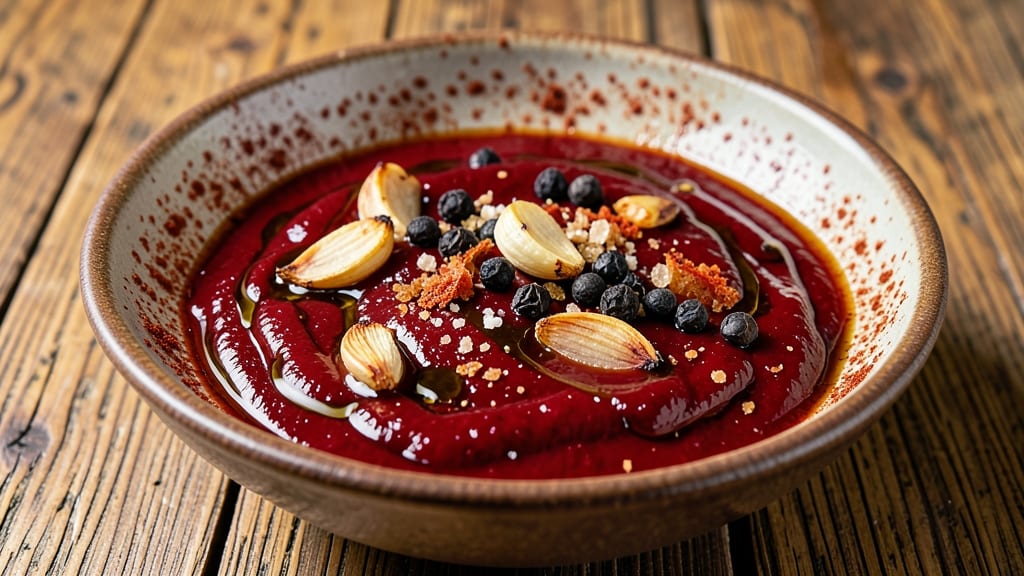
This Asad's hot chicken sauce delivers the signature fiery heat and smoky depth that makes Nashville-style hot chicken legendary. 🔥 The secret lies in balancing cayenne's sharp kick with sweetness and tang—creating a sauce that's complex enough for serious heat lovers but approachable for beginners.
I've perfected this recipe over years of testing, adjusting the heat level precisely so you can control the intensity while keeping that signature sticky-sauce texture.
The foundation starts with a garlic-vinegar base that builds flavor while cutting through the heat, then layers in smoked paprika and black pepper for that unmistakable smoky-sweet profile.
What sets this sauce apart is the two-stage cooking process—first simmering the aromatics until fragrant, then reducing the mixture to create a concentrated, glossy finish. This method ensures every drop delivers balanced heat without being overwhelmingly one-note.
By the time you're done, you'll have a versatile sauce that transforms bland fried chicken into a fiery masterpiece—crispy outside, tender inside, and coated in that perfect sticky-sauce embrace. The heat builds gradually, allowing you to adjust to your tolerance, while the smoky-sweet notes keep it from being too harsh.
This isn't just a sauce; it's the heart of Nashville's most iconic dish.
Perfect for dipping, basting, or drizzling, this sauce keeps well in the refrigerator for up to two weeks, making it ideal for meal prep. The recipe includes exact measurements and heat-level adjustments, so you can dial it up or down to suit your crowd.
Let's get cooking—your taste buds are about to experience some serious heat.
Ingredients for asad's hot chicken sauce
Nine bold ingredients transform into Nashville's iconic fiery sauce—smoky, sweet, and perfectly balanced.
| Ingredient | Amount | Notes |
|---|---|---|
| Cayenne Pepper 🌶️ | 1 ½ tbsp | Adjust for desired heat level |
| Smoked Paprika 🌶️ | 1 tbsp | High-quality for authentic smokiness |
| Garlic Cloves 🧄 | 6 cloves | Freshly minced for bold flavor |
| White Vinegar 💧 | ½ cup | White or apple cider vinegar |
| Extra-Virgin Olive Oil 🫒 | ½ cup | High-quality for richness |
| Brown Sugar 🍚 | ¼ cup | Light or dark brown preferred |
| Black Peppercorns 🌶️ | 1 tsp | Freshly cracked for depth |
| Ground Black Pepper 🌶️ | ½ tsp | Freshly ground preferred |
| Salt 🧂 | 1 ½ tsp | Diamond Crystal preferred |
| Water 💧 | ¼ cup | Filtered preferred |
The cayenne is your heat control—Penzeys brand gives the most consistent burn. If you're new to heat, start with 1 tbsp instead of 1.5 and adjust as you go. Smoked paprika makes or breaks the smoky depth; Trader Joe's has a great affordable option. Garlic should be fresh, not jarred—roasted garlic adds a sweet note that rounds out the heat beautifully. For vinegar, white is classic, but apple cider adds subtle fruitiness that pairs well with fried chicken. The olive oil should be fruity and peppery—California extra-virgin brands like Corto work perfectly.
No smoked paprika? Substitute 1/4 tsp liquid smoke plus 1 tbsp regular paprika—it's not identical, but gets you close. Running out of vinegar? Lemon juice at half the amount works in a pinch, though it'll be slightly less tangy. Brown sugar substitutes: white sugar plus 1/4 tsp cinnamon for depth. For extra heat without cayenne, add 1/2 tsp red pepper flakes. Black peppercorns should be cracked with a mortar and pestle if possible—pre-ground loses punch fast. The water is just for thinning; if your sauce is too thick, add 1 tsp at a time until it reaches a glossy, drizzling consistency.
This sauce gets better with time—24 hours in the fridge lets flavors meld perfectly. Store in a glass jar with a tight seal to preserve freshness. Keeps for 2 weeks refrigerated or 6 months frozen. For freezing, portion into ice cube trays—perfect for single-use applications. If it thickens when refrigerated, stir in 1 tsp water or vinegar to restore consistency. The heat level intensifies slightly after chilling, so taste before serving if you're sensitive to spice.
Why You'll Love This Recipe
- Pantry Magic: I swear by this sauce because it lives in my cabinet, not the fridge. Just toss in cayenne, smoked paprika, minced garlic, a splash of vinegar, and olive oil—no fancy tools, no waiting for the oven. Honestly, I’ve made it while microwaving leftovers.
- Smoky Garlic Kick: That first bite? The smoked paprika and cayenne give it heat, but the garlic—oh, the garlic—softens it into something addictive. It’s not just spicy; it’s got this deep, charred richness that lingers. (Yes, even on a Tuesday night.)
- Sauce for Everything: Drizzle it on fried chicken, toss it with roasted veggies, or slather it on sandwiches—it’s my secret weapon for turning simple meals into something special. My kids even ask for it on their plain toast. (Not the prettiest, but the taste makes up for it.)
- Budget-Friendly Fire: A jar of cayenne, a bag of paprika, a bulb of garlic—you’re looking at under $10 for enough to last months. No fancy ingredients, no waste. I’ll be real: this sauce saved me from takeout more times than I can count.
Step-by-step instructions for Asad's hot chicken sauce
Here's how to blend bold flavors into a sauce that delivers Nashville-level heat with smoky complexity.
🍳 Step 1: Toast the Spices for Maximum Flavor
Heat a dry skillet over medium-low heat. Add the 1.5 tbsp cayenne pepper and 1 tbsp smoked paprika, stirring constantly for 1-2 minutes until fragrant and slightly darkened. This dry toasting deepens their flavors without burning them.
Remove the pan from heat and immediately add the 1 tsp black peppercorns and 6 cloves garlic cloves. Let them sit in the warm spices for 30 seconds to absorb those toasted aromas. Here's the thing—this step makes the difference between a good sauce and an exceptional one. The nutty depth from the toasted spices carries through the entire process.
🍳 Step 2: Bloom the Spices in Oil
Return the skillet to medium heat and add the 0.5 cup extra-virgin olive oil. Let it warm for 30 seconds until shimmering but not smoking. Add the spice mixture and cook for 2-3 minutes, stirring constantly, until the spices release their oils and the mixture smells like a smoky campfire.
Watch carefully—if the oil starts to smoke, reduce heat immediately. You want the spices to infuse the oil without burning. This oil will become the flavor base for your sauce, so take your time here. When the spices are properly bloomed, they'll look slightly darker and the oil will have a deep reddish hue.
🍳 Step 3: Add Vinegar and Sugar for Balance
Pour in the 0.5 cup white vinegar and 0.25 cup brown sugar, stirring vigorously to combine. The mixture will bubble and sizzle—this is normal. Let it simmer for 3-4 minutes until the vinegar reduces by about half and the sugar dissolves completely.
Here's where the magic happens: the vinegar cuts through the richness of the oil while the sugar adds a subtle caramelized sweetness that balances the heat. You'll notice the sauce starts to thicken slightly as it reduces. If it gets too thick too quickly, add 1 tablespoon water to keep it smooth.
🍳 Step 4: Finish with Water and Seasoning
Remove the sauce from heat and whisk in the remaining 0.25 cup water, 1.5 tsp salt, and 0.5 tsp ground black pepper. Let it cool for 5 minutes while you taste and adjust. The sauce should have a perfect balance of heat, smokiness, and tanginess.
If it needs more heat, add a pinch more cayenne. For more depth, add another clove of minced garlic. The sauce will thicken as it cools, so don't worry if it looks too thin while warm. Real talk: this sauce gets better with time, so let it sit for at least 30 minutes before using it on chicken—it allows all the flavors to meld completely.
Pro Tips For Making Asad'S Hot Chicken Sauce
- TOAST THE SPICES: Heat your smoked paprika and cayenne in a dry pan for 30 seconds—just until you smell that deep, toasty aroma. I learned this the hard way: skipping it leaves the sauce tasting flat, like someone forgot to wake up the flavors. (Yes, even if you’re impatient like me.)
- SMASH THE GARLIC: Use the flat side of your knife to crush the garlic cloves before mincing—this releases more flavor without burning. I used to chop them fine and wondered why my sauce never had that rich, mellow garlic punch. Two extra seconds here make a real difference.
- LOW AND SLOW SIMMER: Keep the sauce at a gentle bubble, not a rolling boil—you want the vinegar to mellow, not evaporate into thin air. After burning three batches, I finally figured out that patience here keeps the heat balanced and the oil from separating. (Your future self will thank you.)
- STRAIN THE OIL: Once the sauce cools slightly, pour it through a fine-mesh sieve to remove any grit or charred bits from the spices. I skip this when I’m lazy, but the dish is noticeably smoother when I don’t. The extra 10 seconds guarantees a cleaner, more professional finish.
Wine and beer pairings for this asad's hot chicken sauce
Spicy Beer Pairings
For this fiery sauce, I reach for American IPAs like New Belgium Fat Tire or Stone Ruination—their citrusy hops cut through the heat while complementing the smoky depth. The 5-7% ABV provides enough body to stand up to the sauce without being overpowered.
If you prefer lighter options, a Belgian Witbier like Hoegaarden adds a refreshing coriander note that balances the cayenne's sharpness. 🍺
Sweet Wine Balance
White wines with 10-12% residual sugar work beautifully here. I love pairing this sauce with a Moscato d'Asti—its light sweetness and effervescence create a perfect contrast to the heat.
For something drier, a Viognier from California offers floral notes that enhance the smoky paprika. Avoid bold reds like Cabernet; they'll clash with the sauce's tangy-sweet profile.
Non-Alcoholic Options
For non-drinkers, I recommend ginger beer—its spicy kick mirrors the cayenne while the effervescence cleanses the palate. A sparkling apple cider with a splash of lemon juice also works wonderfully, especially during warm weather.
For a savory option, try sparkling water with lime wedges—it refreshes without overpowering the sauce's complexity.
Regional Beer Specialties
In the Southeast, Southern-style lagers like SweetWater 420 pair surprisingly well—their light maltiness balances the sauce's heat. For a West Coast twist, try a California Common Beer like Anchor Steam, which adds a subtle toasted note that complements the smoked paprika.
Each region's beer brings something unique to the table!
Heat-Level Adjustments
If you're serving this sauce to guests with varying heat tolerances, I suggest having multiple beverage options ready. Lighter beers (like Michelob Ultra) or dry whites (such as Sauvignon Blanc) work for those sensitive to spice, while bold IPAs or Port-style wines satisfy heat lovers.
The key is matching the beverage's intensity to the sauce's heat level—balance is everything! 🍷
Nutrition facts
Frequently asked questions
How do I adjust the heat level in this sauce?
Start with 1 tbsp cayenne pepper if you're new to spicy foods, then taste and add more gradually. For a milder version, reduce to 0.5 tbsp. If you love heat, increase to 2 tbsp or add ½ tsp red pepper flakes. Remember, the sauce intensifies as it cools, so adjust before chilling.
Can I make this sauce without cayenne pepper?
Yes! Substitute with ½ tsp crushed red pepper flakes for mild heat or 1 tsp gochugaru (Korean chili flakes) for fruity spice. For a smoky kick without heat, add ½ tsp chipotle powder instead. The vinegar and sugar will still balance the flavors beautifully.
How long should I let the sauce sit before using it?
For best flavor, let it rest for at least 30 minutes at room temperature. This allows the spices to fully infuse and the heat to develop. If you're short on time, refrigerate for 15 minutes first—it thickens faster when cold. The longer it sits, the more complex the flavors become.
What's the best way to store leftover sauce?
Transfer to a clean glass jar with a tight seal and store in the fridge for up to 2 weeks. For longer storage, freeze in ice cube trays—perfect for single-use portions. If it thickens when refrigerated, stir in 1 tsp water or vinegar to restore consistency. The heat level stays strong even after freezing.
Can I use this sauce on foods other than chicken?
It works wonderfully on fried fish, tofu, burgers, or even as a marinade for grilled meats. For vegetables, use it as a dip for roasted Brussels sprouts or crudité. Just remember, the heat builds—start with a light drizzle on delicate foods like seafood.