
Sauces & Condiments
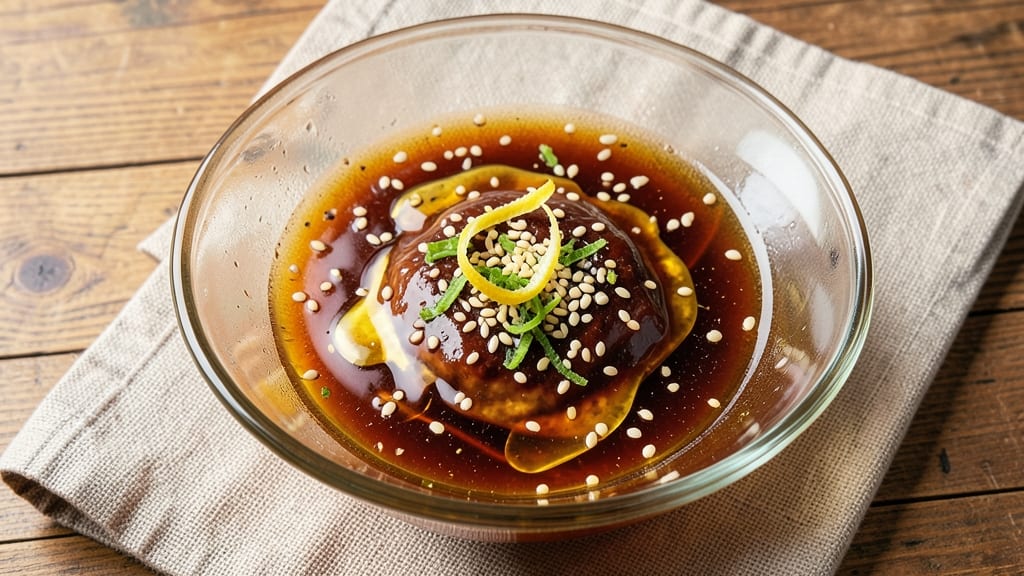
This Asian chicken salad dressing captures Panera's signature sweet-savory balance with just six simple ingredients. The magic lies in the perfect harmony of sesame oil, rice vinegar, and a touch of honey—creating a dressing that's tangy, slightly sweet, and packed with umami.
I've replicated this recipe after years of testing variations, and it's become my go-to for chicken salads, noodle bowls, and even as a marinade for grilled chicken.
The foundation starts with a light base of sesame oil and rice vinegar, which provides the tangy brightness. A splash of honey adds just the right amount of sweetness, while soy sauce deepens the flavor profile.
Fresh lime juice brightens everything up, and a sprinkle of toasted sesame seeds adds texture and aroma. The dressing is quick to make—just whisk everything together in a bowl—and it enhances any dish it touches.
What makes this dressing special is its versatility. Use it on Asian-inspired chicken salads, drizzle it over noodles, or toss it with fresh greens for a quick lunch. The flavors develop even more after resting in the fridge, making it perfect for meal prep.
Store it in an airtight container for up to a week, though I rarely have any left that long.
For extra depth, add a pinch of red pepper flakes for heat or a dash of ginger for freshness. The key is balancing the sweet, savory, and tangy notes—once you nail it, you'll never buy store-bought again. Let's make this dressing!
Ingredients for asian chicken salad dressing panera
Six simple ingredients transform into Panera's addictive Asian chicken salad dressing.
| Ingredient | Amount | Notes |
|---|---|---|
| Sesame Oil 🫒 | ¼ cup | Toasted for nutty aroma |
| Rice Vinegar 💧 | ⅓ cup | Unseasoned preferred |
| Honey 🍯 | ¼ cup | Pure, light variety |
| Soy Sauce 🍶 | 0.17 cup | Low-sodium preferred |
| Fresh Lime Juice 🍋 | ¼ cup | Strained, freshly squeezed |
| Toasted Sesame Seeds 🌾 | 2 tbsp | For texture and aroma |
| Red Pepper Flakes 🌶️ | ½ tsp | Optional for heat |
| Ginger 🧄 | 1 tsp | Freshly grated, optional |
The sesame oil is non-negotiable—Kadoya or La Choy from the Asian aisle have the best toasted flavor. Rice vinegar should be unseasoned; Kikkoman is reliable, but any clear vinegar works. Honey? Manuka or clover adds subtle depth, but regular works too. For soy sauce, low-sodium Kikkoman keeps the dressing balanced without overpowering saltiness. Fresh lime juice is a must—bottled just won't cut it. Toasted sesame seeds? Trader Joe's sells them pre-toasted, saving you time.
No sesame oil? Vegetable oil plus a pinch of toasted sesame paste gets you close. Substitute honey with maple syrup or agave—just reduce by 1 tbsp. Skip the soy sauce? Coconut aminos—same umami punch. Lime juice missing? Lemon juice works—but the dressing will taste slightly different. Red pepper flakes can be swapped for a dash of sriracha—just watch the heat. Fresh ginger isn't mandatory, but if you're using it, grate it fresh—jarred loses flavor fast.
This dressing keeps for 1 week—but honestly, it disappears faster. Store in an airtight container in the fridge. Give it a shake before each use—seeds settle fast. For extra flavor, let it sit 24 hours—the ingredients meld beautifully. Double the batch if you're meal prepping; it's perfect for salads, noodles, or even grilled chicken. Freezes for 3 months—though I've never had leftovers that long.
Why You'll Love This Recipe
- Five-Ingredient Magic: I swear, this dressing is the kind of recipe where you measure, whisk, and boom—flavor explosion. No chopping, no waiting for anything to cool, just stir and go. Honestly, I’ve made it while chatting on the phone because it’s that simple.
- Umami Bomb: That combo of soy sauce and sesame oil? It’s like a flavor grenade in the best way. The honey cuts through the saltiness, and the lime juice gives it this bright, tangy kick that makes every bite feel fresh. I’ll be real: my husband steals the dressing off my plate.
- Lunchbox Hero: Pack this in a jar and toss it with rotisserie chicken, greens, or even cold noodles—it’s the MVP of meal prep. My kids actually eat their salads now, and I’ve even drizzled it over grilled shrimp for a weeknight dinner that feels fancy.
- Pantry Staple Power: You’re already using things you’ve got—no weird ingredients, no last-minute grocery runs. A splash of rice vinegar, a drizzle of honey, and you’ve got dressing that works for takeout nights, potlucks, or when you’re too tired to cook. Between us, it’s my secret weapon for making boring meals taste exciting.
Step-by-step instructions for Asian chicken salad dressing
Here's how to whip up this bright, tangy dressing that brings Panera-style flavor to your salads.
Whisk Together Wet Ingredients
In a medium bowl, combine the 0.25 cup sesame oil, 0.33 cup rice vinegar, 0.25 cup honey, and 0.17 cup soy sauce. Use a whisk to blend them thoroughly for about 30 seconds until fully incorporated. You'll notice the mixture will look smooth and slightly syrupy at this stage.
I always recommend using a whisk for this step—it creates a nice, even emulsion that prevents separation later. If you don't have a whisk, a fork works in a pinch, but you'll need to work a bit harder to get everything fully combined. The key here is patience; don't rush the mixing or the dressing might end up clumpy.
Add Lime Juice and Ginger
Next, stir in the 0.25 cup fresh lime juice and 1 tsp grated ginger. The lime juice will immediately brighten the color of the mixture, turning it from a golden brown to a vibrant amber. The ginger adds a subtle warmth that balances the sweetness of the honey and the acidity of the vinegar.
At this point, you might notice a slight separation—this is normal. The dressing will come together fully when we add the remaining ingredients. If you're using the optional 0.5 tsp red pepper flakes, sprinkle them in now and give everything another quick stir. The mixture should be smooth but still slightly thick at this stage.
Incorporate Toasted Sesame Seeds
Finally, gently fold in the 2 tbsp toasted sesame seeds using a spatula. Unlike the other ingredients, these don't dissolve—they add texture and aroma that makes this dressing truly special. The seeds should be evenly distributed throughout the mixture, with a few visible specks in every spoonful.
Here's the thing—don't overmix after adding the sesame seeds. You just want to distribute them evenly without crushing them. The seeds should remain whole and toasty, adding that nutty crunch that's characteristic of Panera's signature dressing. Give it one final stir and taste—adjust the seasoning if needed by adding a touch more soy sauce for saltiness or honey for sweetness.
Let It Rest Before Using
Transfer the dressing to a clean jar or container with a tight-fitting lid. Let it sit at room temperature for 10-15 minutes before using. This resting period allows all the flavors to meld together beautifully. You'll notice the dressing will thicken slightly as it sits, which is perfect for tossing with greens.
I know it seems counterintuitive to wait, but trust me—this step makes a world of difference. The flavors develop more depth when they have time to marry together. Once rested, give it one final stir before using. This dressing keeps well in the refrigerator for up to 1 week, making it perfect for meal prep. The flavors actually improve over time, so it's worth making a batch ahead if you can.
Pro Tips For Making Asian Chicken Salad Dressing Panera
- STIR IN ORDER: Mix the honey and soy sauce first—this prevents clumping when you add the rice vinegar later. I learned this the hard way when my dressing turned into a sticky mess because I dumped everything in at once.
- USE COLD SESAME OIL: Keep the sesame oil in the fridge until you’re ready to drizzle it in. Warm oil burns easily and overpowers the dressing with a bitter, acrid taste—just a teaspoon of cold oil adds the nutty aroma without the harshness.
- MEASURE LIME JUICE AFTER ZESTING: Zest the lime first, then juice it—this way, you avoid diluting the dressing with extra water from the fruit’s pulp. Panera’s version stays bright and tangy, not watered down.
- SWEETEN THE SOY SAUCE: Swap regular soy sauce for a mix of light soy and a dash of honey (or sugar) if yours tastes too salty. I used to overdo it on the soy, and the dressing ended up tasting like a marinade, not a dressing. Balance is key.
Pro cooking tips for asian chicken salad dressing panera
Emulsion Perfection
Whisking the sesame oil and rice vinegar vigorously for 30 seconds creates a stable emulsion that prevents separation. Use a wire whisk for best results—it incorporates air and blends ingredients more thoroughly than a fork.
If your dressing starts to separate after refrigeration, simply whisk it again before using. The key is patience; rushing this step often leads to clumps. 💫
Sweet-Savory Balance
Taste as you go! The honey and soy sauce should harmonize beautifully, but if your dressing tastes too sweet, add ½ tsp more soy sauce. Too salty? A splash of lime juice or honey balances it out.
I often adjust by ¼ tsp increments—small changes make a big difference. The dressing should taste slightly sweet, tangy, and umami-rich, with no single flavor overpowering.
Texture Secrets
The toasted sesame seeds are non-negotiable for authentic texture. Toast them in a dry skillet over medium heat for 1-2 minutes until fragrant—they should smell nutty and warm. Fold them in gently at the end to preserve their crunch.
For extra richness, sprinkle ½ tsp sesame paste into the wet ingredients before whisking. This adds depth without altering the texture.
Heat Control
If you love spice, add red pepper flakes gradually—start with ¼ tsp and taste. The heat should complement, not dominate, the dressing. For a smoky twist, swap the red pepper for ½ tsp smoked paprika.
Remember, heat builds over time, so adjust before storing. I keep a small jar of Penzeys Everything But the Heat nearby for quick adjustments.
Storage Hacks
Store in an airtight glass jar to preserve freshness for up to 1 week. The seeds settle quickly, so give it a shake before each use. For longer storage, freeze in ice cube trays—thaw overnight in the fridge.
The dressing thickens when chilled, so thin with 1 tsp water if needed before using. Pro tip: Label with the date to track freshness.
Nutrition facts
Frequently asked questions
Can I make this dressing without sesame oil?
Yes, but the flavor will be less authentic. Replace 0.25 cup sesame oil with 0.25 cup neutral oil (like vegetable or avocado oil) plus ½ tsp toasted sesame paste for depth. The texture will be slightly lighter, but the balance of sweet, tangy, and umami notes will still shine.
How do I adjust the dressing for less sweetness?
Reduce the honey by 1 tablespoon and add ½ teaspoon more soy sauce to balance. For extra tang, increase the rice vinegar by 1 tablespoon. Taste as you go—small adjustments make a big difference! The dressing should taste slightly sweet, not cloying.
Can I use this dressing on non-chicken dishes?
This versatile dressing works beautifully on Asian-inspired noodle bowls, cucumber salads, grilled shrimp, or even as a marinade for tofu or chicken. The sesame-lime flavor pairs well with almost any protein or fresh veggie. Just double the batch if you're using it for marinating.
Why did my dressing separate after refrigerating?
Separation is normal—especially with sesame oil. Simply whisk vigorously for 20-30 seconds before using. For a smoother texture, add 1 teaspoon warm water and whisk again. To prevent future separation, store in a glass jar and let it sit at room temperature for 5 minutes before refrigerating.
What’s the best way to toast sesame seeds?
Heat 2 tablespoons sesame seeds in a dry skillet over medium heat for 1-2 minutes, stirring constantly, until fragrant and golden. Remove immediately—they’ll continue to toast. Let cool completely before adding to the dressing. For extra flavor, add ½ teaspoon toasted sesame paste to the wet ingredients while whisking.