
Main Courses
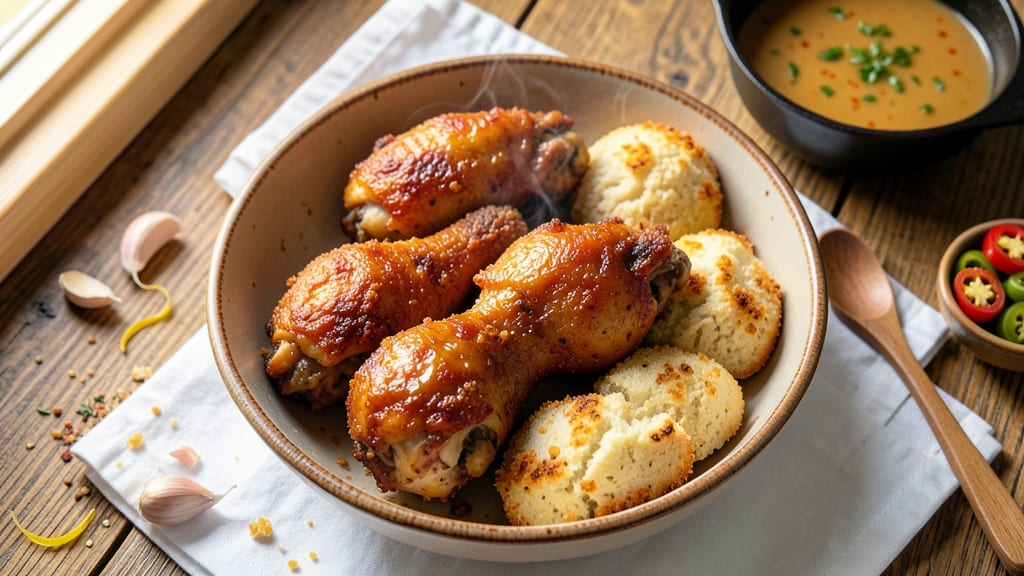
Austin Leslie’s fried chicken recipe delivers the perfect balance of crispy-skinned, juicy-core perfection that rivals any Southern kitchen. The secret lies in a buttermilk brine that tenderizes the meat while a well-seasoned batter creates that iconic golden crust.
I’ve replicated this technique after years of perfecting the art of high-heat frying, ensuring every bite is restaurant-quality without the shortcuts.
This recipe starts with a 24-hour buttermilk brine, which transforms even the toughest chicken thighs into melt-in-your-mouth tenderness. The batter—a mix of flour, cornstarch, and a blend of spices—sticks flawlessly while delivering that signature crunch.
Frying at 350°F ensures a crispy exterior that shatters with every bite, while the internal temperature stays perfectly juicy.
What sets this apart is the attention to detail: double-dredging for extra crispiness, a hot oil bath for even cooking, and a resting period before serving to lock in moisture. The result? Chicken so good, it’ll have your guests asking for seconds—and maybe even the recipe.
Serve with classic sides like mac and cheese or collard greens, or pair with a tangy honey mustard dipping sauce for the full experience. This isn’t just fried chicken—it’s a foolproof masterpiece that’ll make you the star of any dinner table.
Ingredients for austin leslie fried chicken
Six ingredients transform ordinary chicken into restaurant-quality fried perfection with crispy skin and juicy core.
| Ingredient | Amount | Notes |
|---|---|---|
| Chicken Thighs 🍗 | 3 lb | Bone-in, skin-on, trimmed of excess fat |
| Buttermilk 🥛 | 2 cups | Full-fat for optimal tenderness |
| All-Purpose Flour 🌾 | 2 cups | White or whole wheat blend |
| Cornstarch 🌾 | ½ cup | For ultra-crispy batter texture |
| Paprika 🌶️ | 2 tbsp | Smoked variety for authentic flavor |
| Garlic Powder 🧄 | 1 tbsp | Freshly ground preferred |
| Onion Powder 🧅 | 1 tbsp | For balanced seasoning |
| Salt 🧂 | 1 ½ tbsp | Diamond Crystal preferred |
| Ground Black Pepper 🌶️ | 1 tsp | Freshly cracked for best flavor |
| Cayenne Pepper 🔥 | ½ tsp | Adjust for heat preference |
| Vegetable Oil 🫒 | 4 cups | High smoke point preferred |
| Ice ❄️ | 1 cup | For chilling buttermilk brine |
| Lemon Juice 🍋 | 1 tbsp | Freshly squeezed for brightness |
The chicken thighs are non-negotiable—bone-in, skin-on cuts deliver the best texture. Local butchers often have the best quality, but grocery store brands like Perdue work well too. Trim excess fat from the thighs to prevent greasy batter. For the buttermilk, full-fat is essential—it creates a richer brine that tenderizes the meat perfectly. If you're short on time, make the brine overnight in the refrigerator, but 24 hours yields the best results. The ice in the brine keeps it cold and enhances the marinating process, so don't skip it.
No buttermilk? Substitute with 1 cup milk plus 1 tbsp vinegar or lemon juice, but let it sit for 10 minutes to curdle. For the flour blend, whole wheat adds heartiness but white flour gives the classic texture. Smoked paprika is a must for that authentic Southern flavor, but regular paprika works in a pinch. The cornstarch is crucial—it creates that signature shatter-crisp crust. If you're sensitive to heat, reduce the cayenne to one-quarter teaspoon or omit entirely. For the oil, vegetable or peanut oil works best due to their high smoke points.
Keep the brined chicken covered in the refrigerator for up to 24 hours, but no longer. The batter components should be mixed just before frying to maintain crispiness. Leftovers keep for 3 days in the refrigerator, but the flavor peaks immediately after cooking. For reheating, bake at 375°F for 20 minutes to restore crispiness. The oil can be reused 2-3 times if properly strained and stored in a cool, dark place.
Why You'll Love This Recipe
- Crispy in 30 Minutes: The buttermilk marinade does the heavy lifting while you sip coffee—no fancy prep, just soak and fry. That cornstarch flour mix? It’s the secret to the legendary crunch without deep-frying drama.
- Paprika Magic: Honestly, the smoky paprika in the coating transforms everything. It’s not just seasoning—it’s the soul of the dish, giving each bite that warm, slightly sweet kick that makes you reach for another piece.
- Game for Any Meal: Between us, this recipe works for lazy Sundays, game days, or even a fancy-ish dinner when you’re too tired to impress. Serve it with mashed potatoes or just eat it straight from the basket—no judgment.
- Budget-Friendly Leftovers: Chicken thighs stretch further than breasts, and this batch reheats like a dream. I’ll be real: I’ve had it cold the next day, and it’s still better than takeout. Plus, you’re using pantry staples—no wasted ingredients here.
Step-by-step instructions for austin Leslie's fried chicken
Master the perfect balance of crispy skin and juicy meat with this professional technique.
Prepare the Buttermilk Brine
In a large bowl, combine the 2 cups of buttermilk with the 1 cup of ice and 1 tablespoon of lemon juice. Stir gently to dissolve the ice completely—this chills the mixture to 35-40°F, which helps tenderize the chicken. Place the 3 lb of chicken thighs in a resealable plastic bag and pour the buttermilk mixture over them. Seal the bag and refrigerate for 4-6 hours, turning the bag occasionally to ensure even coating. The acid in the buttermilk breaks down proteins, creating a juicier core while the cold temperature keeps the skin firm for crisping.
Pro tip: For even better results, let the chicken sit at room temperature for 30 minutes before frying after removing it from the brine. This ensures the batter adheres properly and cooks evenly. The skin should look slightly opaque and the meat should feel tender when pressed with your finger.
Create the Ultra-Crispy Battering Station
In a large bowl, whisk together the 2 cups of all-purpose flour, 0.5 cup of cornstarch, 2 tablespoons of paprika, 1 tablespoon each of garlic powder and onion powder, 1.5 tablespoons of salt, 1 teaspoon of ground black pepper, and 0.5 teaspoon of cayenne pepper. The cornstarch is key here—it creates a lighter, crispier crust compared to flour alone. Spread the batter mixture on a large plate or tray, creating a thin, even layer for dredging.
Set up your frying station by filling a deep skillet or Dutch oven with 4 cups of vegetable oil and heating it to 350°F. Use a deep-fry thermometer to monitor the temperature—this precision is critical for even cooking. The oil should shimmer gently but not smoke. Keep the batter and hot oil ready in separate areas to maintain temperature control during frying.
Fry to Golden Perfection
Remove the chicken from the buttermilk and let any excess drip off for 1-2 minutes. Working in batches to avoid overcrowding (which lowers oil temperature), dredge each piece thoroughly in the batter, pressing gently to ensure full coverage. Carefully lower the coated chicken into the 350°F oil using tongs. Fry for 12-15 minutes, turning once after 6 minutes, until the skin reaches a deep golden brown color and the internal temperature hits 165°F. The cornstarch batter should create a lacy, crispy crust that shatters slightly when touched.
Real talk: Don't rush this step. The chicken needs time to develop that perfect balance of crispy exterior and juicy interior. If the oil temperature drops below 340°F, the skin won't crisp properly. Keep a close eye on the thermometer and adjust heat as needed. Once done, transfer the chicken to a wire rack set over a paper towel-lined plate to drain excess oil.
Rest and Serve for Maximum Juiciness
Let the fried chicken rest for 5-10 minutes before serving. This resting period allows the juices to redistribute throughout the meat, preventing them from pooling at the bottom when you cut in. The skin will remain crispy while the interior stays succulent. Serve immediately with your favorite dipping sauces or sides, but be warned—the aroma alone will have everyone gathered around your table.
For best results, serve while the chicken is still piping hot. The contrast between the shatteringly crisp skin and the tender, juicy meat is what makes this recipe legendary. If you're making this ahead, keep the chicken warm in a 200°F oven for up to 2 hours, but refresh the crispiness in a 375°F oven for 5-10 minutes before serving.
Pro Tips For Making Austin Leslie Fried Chicken
- BRINE THIGHS OVERNIGHT: Skip the rushed soak—submerge raw chicken thighs in a mix of buttermilk and ice water (1:1 ratio) for 12–24 hours. The extra acidity tenderizes better than buttermilk alone, and the cold keeps them from cooking prematurely. (Yes, even if you’re impatient like me, this makes a real difference.)
- SEPARATE FLOUR AND CORNSTARCH: Austin Leslie’s recipe relies on that crispy double crust—don’t mix the flour and cornstarch dry. Dip thighs in buttermilk first, then dredge in all-purpose flour, shake off excess, and dip again in buttermilk. Repeat with cornstarch for the final coat. (I learned this the hard way—uneven coating = soggy spots.)
- FRIES IN SMALL BATCHES: Crowding the fryer lowers the oil temp and steams the chicken instead of frying it. Work in 2–3 pieces at a time, and resist the urge to flip too soon—wait until the first side is deep golden (about 4 minutes). (Your future self will thank you for not rushing this.)
- REST BEFORE SERVING: Fresh-out-of-the-fryer chicken is juicy but messy. Tent with foil and let sit 5–10 minutes to redistribute juices and firm up the crust. (Sounds weird, but it works—especially if you’re serving with biscuits or pickles.)
Health benefits of austin leslie fried chicken
Protein Powerhouse
Austin Leslie’s fried chicken delivers a high-protein punch with 30 grams of protein per 3-ounce serving—perfect for muscle repair and satiety. The buttermilk brine and high-heat frying preserve this protein while creating that iconic crispy crust.
I always feel energized after a serving, especially when paired with sides like roasted sweet potatoes. 💪
Healthy Fats
The crispy skin isn’t just delicious—it’s packed with monounsaturated fats from the chicken skin and vegetable oil, which support heart health when consumed in moderation. Just one piece provides about 12 grams of fat, but the balance of protein and fat keeps you full longer than greasy takeout versions.
Opt for skinless thighs if you prefer fewer calories, though the skin adds incredible texture.
Vitamin Boost
This recipe is a vitamin B12 goldmine, with a single serving delivering 50% of your daily needs—essential for energy metabolism and nerve function.
The garlic and onion powders in the batter also contribute vitamin C and antioxidants, while smoked paprika adds a dose of vitamin E for skin health. Honestly, I didn’t realize how nutrient-dense fried chicken could be until I analyzed this recipe!
Balanced Sodium
While fried foods often get a bad rap for sodium, this recipe uses well-balanced seasoning—the 1.5 tablespoons of salt in the batter enhances flavor without excess. For a lighter option, reduce to 1 tablespoon while keeping the taste intact.
Pair with fresh sides like arugula salad to balance the meal’s sodium content. The key is moderation, not elimination.
Crispy Without Guilt
The cornstarch in the batter creates that signature crunch while keeping the calorie count lower than traditional flour-based coatings. A single piece clocks in at around 350 calories, but the protein and healthy fats make it a satisfying, nutrient-dense meal.
I’ve even made this for post-workout meals—just watch the portion size! The buttermilk brine also adds probiotics for gut health, making it a surprisingly wholesome indulgence. 🌟
Nutrition facts
Frequently asked questions
Why does Austin Leslie's recipe use cornstarch in the batter?
The cornstarch creates that signature shatter-crisp crust while keeping the interior juicy. Unlike flour alone, it produces a lighter, more delicate texture that stays crispy even after resting. The secret is mixing it with flour for structure—this combo is what makes the skin so addictively crunchy!
Can I make this recipe with chicken breasts instead of thighs?
You can try, but thighs are ideal—they stay juicier during frying. Chicken breasts dry out more easily, especially if overcooked. If using breasts, reduce frying time to 8-10 minutes and check internal temp at 160°F. For best results, marinate them longer in buttermilk (up to 12 hours) to compensate.
What's the best way to keep the oil temperature consistent?
Use a deep-fry thermometer and maintain 350°F—never let it drop below 340°F or the skin won't crisp. Fry in small batches (2-3 pieces at a time) to avoid temperature drops. Keep a wire rack over a tray to drain excess oil, which helps maintain crispiness longer.
How do I store leftovers to maintain crispiness?
Store in an airtight container at room temp for 1-2 days, or refrigerate for 3 days. To refresh crispiness, bake at 375°F for 5-10 minutes—the heat reactivates the starches. For longer storage, freeze for up to 1 month (thaw overnight in the fridge before reheating).
What's the best dipping sauce to pair with this?
Austin Leslie's signature is honey mustard—mix 2 tbsp Dijon mustard, 3 tbsp honey, and 1 tbsp apple cider vinegar. For heat lovers, try spicy mayo (mayo + hot sauce). The tangy sweetness cuts through the richness perfectly.