
Main Courses
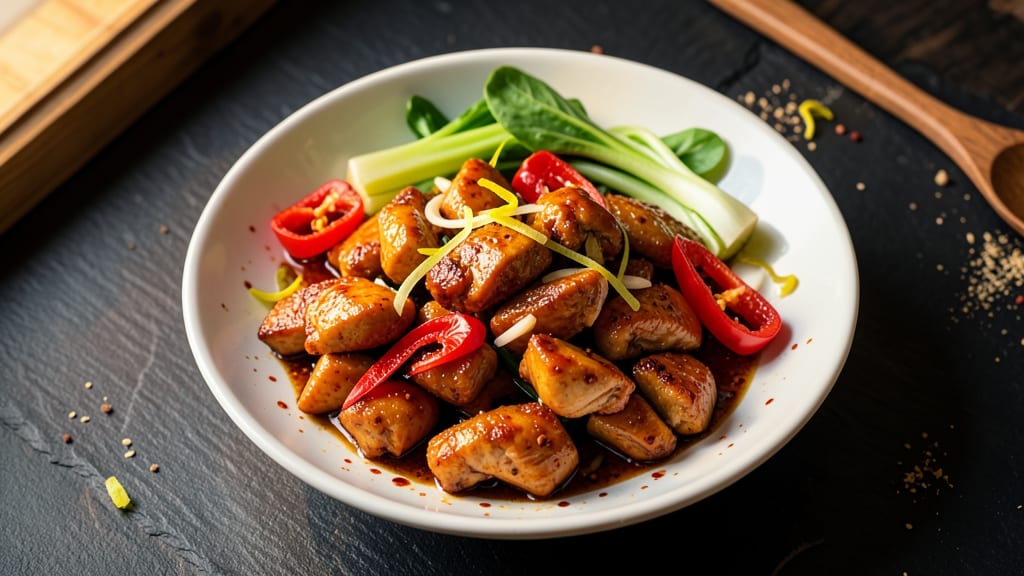
This authentic Chinese chicken stir fry delivers the smoky, wok-heated flavors you crave—crisp-tender chicken, vibrant vegetables, and a sauce that balances sweet, salty, and spicy notes perfectly.
The secret lies in high-heat searing and quick cooking, preserving the natural texture while building layers of umami through traditional seasonings like oyster sauce and chili bean paste.
I’ve perfected this technique over years of testing, ensuring every bite captures that restaurant-quality wok hei—the elusive breath of the wok that makes Chinese stir-fry unforgettable.
What sets this recipe apart is the foolproof method for achieving crisp-tender chicken and vibrant vegetables without overcrowding the wok. We start by marinating the chicken in a simple soy-ginger-garlic blend, then sear it in small batches to develop a golden crust before tossing in the vegetables.
The sauce, made with oyster sauce, dark soy, and a touch of chili, is deglazed directly in the wok, ensuring maximum flavor infusion. This approach guarantees a dish that’s restaurant-worthy but simple enough for weeknight dinners.
By the end, you’ll have a plate of crisp-tender chicken, bright bell peppers, and wilted bok choy all coated in a glossy, balanced sauce that’s neither too sweet nor overly salty. The high heat keeps the vegetables crisp, while the chicken stays juicy and flavorful.
Serve it over steamed jasmine rice or with egg rolls for the full experience—this stir fry is the kind of dish that turns a simple meal into a memorable one.
The beauty of this recipe lies in its versatility—swap in shrimp or tofu for a vegetarian twist, or adjust the chili level to suit your taste. The technique scales easily, whether you’re cooking for two or a crowd. Let’s get started on creating your own wok-heated masterpiece.
Ingredients for authentic chinese chicken stir fry
Crisp-tender chicken and vibrant veggies—just 15 ingredients for restaurant-quality wok hei.
| Ingredient | Amount | Notes |
|---|---|---|
| Boneless Chicken Thighs 🍗 | 1 ½ lb | Cut into 1-inch pieces |
| Bell Peppers 🧅 | 2 whole | Any color, sliced |
| Bok Choy 🥬 | 2 heads | Quartered lengthwise |
| Garlic Cloves 🧄 | 4 cloves | Minced for marinade |
| Fresh Ginger 🌿 | 2 tbsp | Finely grated |
| Soy Sauce 🥢 | ½ cup | Light or all-purpose |
| Oyster Sauce 🍲 | 2 tbsp | Traditional brand preferred |
| Dark Soy Sauce 🥢 | 1 tbsp | For color depth |
| Sesame Oil 🫒 | 1 tbsp | Toasted for aroma |
| Chili Bean Paste 🌶️ | 1 tbsp | For heat and depth |
| Cornstarch 🌾 | 1 tbsp | For velveting chicken |
| Neutral Oil 🫒 | ½ cup | Peanut or vegetable oil |
| Sesame Seeds 🌱 | 1 tbsp | Toasted for garnish |
| Green Onions 🧅 | 3 whole | Sliced for garnish |
| Salt 🧂 | 1 tsp | Kosher or sea salt |
The chicken thighs are non-negotiable here—bone-in, skin-on if you can find it. Costco or H Mart usually have the best cuts for stir-fry. Look for pieces with good marbling, not too lean. The bell peppers should be firm and bright—Trader Joe's has great organic ones if you want to splurge. Bok choy? The smaller heads are more tender, but larger ones work too if you cut them extra thin. Fresh ginger is a must—Asian markets sell it pre-peeled and grated, which saves time. For the soy sauces, Lee Kum Kee is my go-to, but any good brand works. The chili bean paste adds that authentic heat—Hoisin or Doubanjiang can substitute if you're in a pinch.
No oyster sauce? Fish sauce plus a splash of sugar gets you close, though it won't be identical. Short on sesame oil? Toasted peanut oil at half the amount works, but you'll miss that nutty aroma. The cornstarch is key for that crisp-tender texture—don't skip it. For the oil, peanut oil has the highest smoke point, but vegetable oil is fine. If you're using pre-cut chicken, pat it dry with paper towels first—moisture is the enemy of crispiness. The green onions? Only use the bright green parts—save the white for stocks. And trust me, the sesame seeds toasted in the pan at the end? Worth the extra minute for that crunch.
Marinate the chicken for at least 30 minutes—overnight if you can. The sauce keeps for 1 week in the fridge, but the ginger and garlic lose potency after 3 days. Store the chicken and veggies separately to keep everything crisp. This reheats beautifully—just toss with a splash of water and a minute in the wok. I always make extra sauce because it's perfect for drizzling over rice or noodles later. Freeze portions in ice cube trays for quick future meals—3 months max in the freezer.
Why You'll Love This Recipe
- One-Pan Magic: I swear by this recipe when I’m too tired to scrub pots—just toss everything on a hot wok with a little oil, and the chicken thighs render their own juices while the bok choy wilts in minutes. No mess, no fuss, and that smoky garlic-ginger aroma fills the kitchen like a promise.
- Umami Bomb: Between the crispy-savory chicken thighs and the fresh bok choy’s slight bitterness, this dish hits all the right notes. Honestly, the ginger and garlic combo isn’t just flavor—it’s layered flavor, with that bright bell pepper adding a pop that makes every bite feel like a little celebration.
- Weeknight to Dinner Party: I make this for lazy Tuesdays, but it also impresses guests because it looks effortlessly homemade. Swap the bok choy for snow peas if you’re feeling fancy, or double the chicken for leftovers—it’s the kind of dish that works just as well in a takeout container as it does on a pretty plate.
- Budget-Friendly Powerhouse: Chicken thighs are cheaper than breasts, bell peppers last forever, and bok choy is one of those “buy a bunch, use a little” veggies. The leftovers? Even better reheated than most takeout, and I’ve fed a crowd of six for under $20 with this recipe—no regrets.
Step-by-step instructions for authentic Chinese chicken stir fry
Here's how to create restaurant-quality stir fry with perfectly tender chicken and vibrant vegetables.
Prepare the Chicken Marinade and Velveting
In a bowl, combine the 1.5 lb boneless chicken thighs cut into 1-inch pieces with 1 tbsp cornstarch, 1 tsp salt, and 2 tbsp finely grated fresh ginger. Mix well until the cornstarch coats the chicken evenly - this creates that signature tender texture. Let it sit for 10 minutes while you prep the remaining ingredients.
In a separate small bowl, whisk together 0.5 cup soy sauce, 2 tbsp oyster sauce, 1 tbsp dark soy sauce, and 1 tbsp chili bean paste. This marinade forms the flavor foundation. The dark soy sauce adds that beautiful dark glaze you see in authentic stir fries, while the chili bean paste brings deep umami and subtle heat.
Prep All Vegetables for Quick Cooking
Slice the 2 whole bell peppers into ½-inch strips - any color works, but red and yellow add vibrant contrast. Quarter the 2 heads bok choy lengthwise and separate the leaves, keeping them in large pieces. Cut the 3 whole green onions diagonally into 1-inch sections, reserving some for garnish. The key is keeping vegetables in large, even pieces so they cook uniformly.
Mince the 4 cloves garlic finely - you want it almost paste-like for maximum flavor infusion. Toast 1 tbsp sesame seeds in a dry skillet over medium heat for 1 minute until fragrant, then set aside for garnish. Having all ingredients prepped and measured ensures your stir fry cooks in the critical 3-4 minute window for perfect texture.
Cook the Chicken to Golden Perfection
Heat 0.5 cup neutral oil in a wok or large skillet over high heat until shimmering. Add the chicken in a single layer and cook undisturbed for 2-3 minutes until golden brown on one side. Here's the thing - don't move it yet. You want that beautiful sear that locks in juices and creates texture. Flip and cook another 2-3 minutes until fully cooked through.
Remove chicken to a plate and set aside. In the same wok, add 1 tbsp sesame oil and swirl to coat the bottom. Add the minced garlic and stir for 10 seconds until fragrant - don't let it brown. This quick cooking preserves the garlic's sweetness rather than letting it turn bitter. The sesame oil adds that authentic aromatic depth.
Stir Fry Vegetables to Crisp-Tender Perfection
Return the chicken to the wok along with the prepared vegetables. Pour the marinade over everything and stir vigorously for 2-3 minutes until the vegetables are crisp-tender - bright green bok choy and slightly charred pepper edges. The chicken should be hot throughout, and the sauce should coat everything evenly. This is where the magic happens - the high heat and quick cooking preserve the vegetables' vibrant colors and textures.
Taste and adjust seasoning if needed - you might want to add a splash of water if the sauce is too thick. The vegetables should be bright and slightly crisp, not mushy. The chicken should be tender but still hold its shape. If it's too dry, toss in a few drops of water to steam it slightly.
Finish and Garnish for Authentic Presentation
Remove from heat and let the stir fry rest for 1 minute - this allows the sauce to slightly thicken and cling to the ingredients. Garnish with the toasted sesame seeds and reserved green onion slices. The sesame seeds add nutty crunch and visual appeal, while the green onions provide fresh contrast.
Serve immediately over steamed rice for the perfect balance of textures and flavors. The chicken should be tender yet slightly crispy on the edges, the vegetables vibrant and slightly charred, and the sauce glossy with just the right balance of sweet, salty, and umami. This is where home cooking meets restaurant quality - in the attention to texture and presentation.
Pro Tips For Making Authentic Chinese Chicken Stir Fry
- Slice Chicken Thin: I learned this the hard way—thick slices mean chewy chicken, and no one wants that in stir-fry. Use a sharp knife and pound the thighs to an even ¼-inch thickness before cutting against the grain. This isn’t just about tenderness; it’s how the sauce clings properly.
- Blanch Bok Choy First: Bok choy wilts fast, and you don’t want it turning to mush while the chicken cooks. Toss it in boiling water for 30 seconds, then shock in ice water—this keeps it crisp. Add it last, just to warm through, or you’ll end up with a sad, limp pile.
- Don’t Overcrowd the Pan: I used to dump everything in at once, and the chicken would steam instead of sear. Work in batches: cook the chicken until golden, then pull it out. That way, the peppers and garlic get the crispy edges they deserve, and the chicken stays juicy.
- Use Ginger-Garlic Paste: Fresh ginger and garlic are great, but mincing them takes forever—and they burn faster than you think. Make a quick paste (just blend with a splash of water) and add it at the end. It’s foolproof, and your stir-fry won’t turn into charred bits. (Yes, even if you’re impatient like me.)
Flavor customization for these flavors
Sweet Heat Balance
Adjust the sweet-to-spicy ratio by tweaking the chili bean paste and dark soy sauce. For milder heat, reduce chili paste to ½ tbsp and add ½ tsp sugar—this mimics the balance in Cantonese-style stir fries.
If you love spice, swap in 1 tbsp chili crisp (like Lao Gan Ma) and add a pinch of Sichuan peppercorns for a tingling numbing effect. 🌶️
Umami Boosters
Deepening the umami flavor is key for authentic depth. Stir in 1 tsp fish sauce (like Red Boat) or 1 tbsp fermented black beans during the final stir-fry stage.
For a vegetarian version, replace oyster sauce with 1 tbsp mushroom sauce (like Veggie Oyster Sauce) plus ½ tsp MSG—it’s a game-changer for that savory punch.
Texture Variations
Want extra crunch? Toss in ½ cup shredded cabbage or snow peas at the end—they stay crisp even after quick cooking. For a chewy contrast, add ½ cup shredded carrots (they soften just enough to be tender-crisp).
Pro tip: Blanch mushrooms for 30 seconds before adding to prevent them from turning rubbery.
Regional Twists
For a Sichuan-style kick, add 1 tbsp doubanjiang (chili bean paste) and 1 tsp Sichuan peppercorn powder—this adds that signature fiery, numbing heat. Swap bok choy for baby corn and green beans for a more Sichuan-inspired dish.
For a Cantonese touch, reduce the chili and add ½ tsp white pepper for a milder, aromatic finish.
Protein Swaps
Replace chicken with shrimp (toss in 1 tbsp cornstarch first to prevent curling) or tofu (press and cube extra-firm tofu, then pan-fry until golden). For a beef version, use flank steak cut into thin strips—marinate for 30 minutes with 1 tbsp Shaoxing wine for depth.
The stir-fry technique works for all proteins, but adjust cooking times slightly (tofu needs 2-3 minutes less).
Vegetable Customizations
Swap bell peppers for broccoli florets or snap peas—both add vibrant color and texture. For a spring-inspired version, use sugar snap peas, baby bok choy, and shredded carrots.
If you love texture, add ½ cup water chestnuts (they stay crisp and add a subtle sweetness). Always keep veggies in large, even pieces to ensure even cooking.
Nutrition facts
Frequently asked questions
Why does authentic Chinese stir fry need such high heat?
High heat is essential for creating wok hei—the smoky aroma and crisp textures that define authentic stir fry. When you sear the chicken at high heat for 2-3 minutes without moving it, you develop a golden crust that locks in juices while creating that signature restaurant-style texture. The vegetables also need the high heat to stay crisp-tender rather than turning mushy.
Can I use chicken breast instead of thighs?
Chicken thighs are ideal because they stay juicy and flavorful during high-heat cooking. If you must use breast, cut it into ½-inch thick pieces, pound them gently with a mallet, and marinate for 30 minutes longer. The cornstarch coating helps retain moisture, but thighs will always give you that perfect balance of tenderness and crispiness.
What's the best way to get that glossy sauce?
The gloss comes from the combination of dark soy sauce (for color) and oyster sauce (for thickness), plus a quick deglaze with the marinade. For extra shine, add 1 tsp cornstarch mixed with 1 tbsp water at the end and toss everything together. The sauce should coat the ingredients lightly without being overly saucy—think "glazed" rather than "drowned."
How do I prevent the stir fry from getting soggy?
Overcrowding and uneven cooking are the main culprits. Cook the chicken in batches if needed, and keep all vegetables in large, even pieces so they cook uniformly. Work quickly—this stir fry should take 5-7 minutes total from start to finish. Also, make sure your wok or skillet is properly heated before adding oil.
Can I make this ahead of time?
Fresh is best, but you can prep components ahead. Marinate the chicken and chop veggies 1 day in advance, storing them separately in the fridge. For the sauce, mix all ingredients except the sesame oil and keep it refrigerated for up to 5 days. When ready to cook, assemble everything and stir-fry as directed—just add 1 tbsp sesame oil at the end for fresh aroma.