
Main Courses
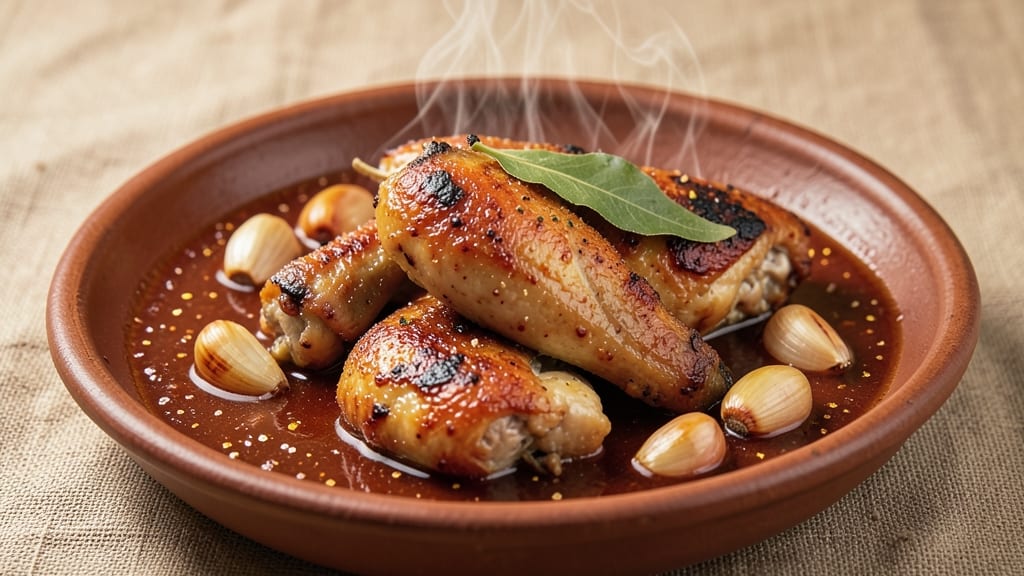
This authentic Filipino chicken adobo recipe transforms tough chicken into melt-in-your-mouth tenderness using the slow cooker's gentle heat. The secret lies in the balance of tangy vinegar, salty soy sauce, and aromatic garlic—traditional flavors that create a sauce rich enough to coat every bite.
I developed this method after years of perfecting adobo, ensuring the slow cooker preserves authenticity while simplifying the process.
The beauty of this recipe is its simplicity: just a few pantry staples and minimal prep. Chicken thighs and drumsticks become fork-tender as they braise in the savory-sour sauce, while garlic and bay leaves infuse deep, earthy notes.
Unlike stovetop methods that require constant attention, the slow cooker does all the work, delivering restaurant-quality results with hands-off ease.
What you'll end up with is a dish that's equally at home on a weeknight table or special occasion—juicy chicken swimming in a glossy, caramelized sauce with just the right balance of tang and umami.
The slow cooker adaptation ensures even the toughest cuts become tender, while the sauce thickens beautifully without burning. Serve it over steamed rice to soak up every last drop of that flavorful broth.
This recipe isn't just about the chicken—it's about capturing the soul of Filipino home cooking in your own kitchen. The slow cooker makes it accessible, while the traditional ingredients deliver authentic flavor.
Whether you're cooking for family or treating yourself, this adobo will become your new go-to comfort dish. Let's get started on creating something truly special.
Ingredients for authentic filipino chicken adobo recipe slow cooker
Pantry staples meet Filipino tradition: just 11 ingredients for restaurant-quality slow-cooked adobo.
| Ingredient | Amount | Notes |
|---|---|---|
| Chicken Thighs and Drumsticks 🍗 | 3 lb | Bone-in, skin-on preferred |
| White Vinegar 🍶 | 1 cup | Distilled preferred for balance |
| Soy Sauce 🍶 | ½ cup | High-quality Filipino brand if available |
| Garlic Cloves 🧄 | 10 whole | Peeled, smashed for deeper flavor |
| Bay Leaves 🍃 | 2 whole | Fresh or dried, aromatic variety |
| Sugar 🍚 | ¼ cup | White granulated preferred |
| Black Peppercorns 🌶️ | 1 tsp | Crushed for texture |
| Salt 🧂 | 1 tsp | Kosher or sea salt preferred |
| Olive Oil 🫒 | 1 tbsp | Extra-virgin for richness |
| Whole Black Peppercorns 🌶️ | 1 tbsp | For garnish, crushed |
| Steamed White Rice 🍚 | 2 cups | For serving, cooked separately |
The chicken is the star—bone-in, skin-on thighs and drumsticks develop the most flavor and stay juicy. Look for fresh cuts at your local Asian market or well-marbled pieces at Whole Foods if you're in the U.S. The skin-on variety crisps beautifully during cooking. For that authentic touch, Filipino brands like Silver Swan or Datu Puti soy sauce elevate the dish, but any good-quality soy sauce works in a pinch. The vinegar needs to be white—apple cider won't give you that same clean tang. If you can't find distilled, use white wine vinegar but reduce to ¾ cup.
No bay leaves? Dried thyme at half the amount mimics the earthiness, though it won't be identical. Running short on garlic? Garlic powder at one-third the amount works, but fresh is non-negotiable for true adobo flavor. The sugar might seem odd, but it balances the acidity beautifully—brown sugar works too, though it'll darken the sauce slightly. For a quicker prep, pre-mince the garlic and store it in the fridge for up to a week. The olive oil might seem like overkill, but it helps emulsify the sauce so it clings to the chicken perfectly.
This sauce gets better overnight, so make a double batch if you can. Store leftovers in the fridge for 5-6 days—the flavors deepen over time. Freeze portions for up to 3 months by portioning into airtight containers. For serving, I always reheat gently on the stove to let the sauce reduce slightly. The rice? Cook it fresh—jasmine rice absorbs the sauce beautifully, but any long-grain white rice works. Leftovers make incredible sandwiches the next day—trust me on that.
Why You'll Love This Recipe
- Umami Bomb: That first bite? The vinegar’s tang cuts through the richness of the chicken while the soy sauce deepens it into something dangerously addictive. The garlic? It melts into every bite, like a hug from my lola’s kitchen.
- Lunchbox Hero: Make a double batch on Sunday, and you’ve got weeknight lunches covered. The flavors only get better the next day—ideal for packed lunches or lazy afternoons when you need something reliable.
Step-by-step instructions for slow cooker adobo
Here's how to make restaurant-style Filipino adobo with melt-in-your-mouth chicken every time.
Prepare the Chicken and Aromatics
Pat the 3 lb chicken thighs and drumsticks completely dry with paper towels—this helps the sauce cling and creates that signature crispy skin. Place them in the slow cooker in a single layer, skin-side up if possible. I like to arrange them with the drumsticks pointing toward the center to ensure even cooking.
In a small bowl, combine the 10 whole garlic cloves (peeled and smashed), 2 whole bay leaves, 1 tsp black peppercorns (lightly crushed), and 1 tsp salt. Scatter this aromatic mix evenly over the chicken, pressing some pieces gently into the meat so they infuse the chicken directly. This step builds the foundation of that complex, layered flavor we're after.
Build the Adobo Sauce
In a measuring cup, whisk together the 1 cup white vinegar, 0.5 cup soy sauce, and 0.25 cup sugar until the sugar dissolves completely. This mixture should be smooth—no graininess. I find it helpful to whisk vigorously for about 30 seconds to ensure the sugar integrates fully, which prevents any gritty texture in the finished dish.
Pour the sauce over the chicken, making sure every piece is coated. Then, drizzle in the 1 tbsp olive oil—this helps create a glossy finish on the sauce and adds richness. The vinegar will initially smell strong, but don't worry; it mellows out beautifully as it cooks.
Slow Cook to Perfection
Cover the slow cooker and cook on LOW for 4-5 hours. This long, gentle cooking time is what transforms tough chicken into fork-tender pieces while allowing the flavors to meld beautifully. I know it's tempting to rush, but patience here is key—rushing leads to rubbery chicken and an unbalanced sauce.
About 1 hour before serving, give the chicken a gentle stir to redistribute the sauce. You'll notice the sauce has thickened slightly and taken on a rich, caramelized hue. The chicken should be falling off the bone when tested with a fork, and the sauce should coat the back of a spoon with a silky consistency.
Finish and Serve
Once the chicken is tender, carefully transfer it to a serving platter, leaving the sauce in the slow cooker. Using a ladle, skim off any excess fat that has risen to the surface—this helps create a cleaner sauce. Return the sauce to medium heat (if using a stovetop-safe slow cooker) and simmer uncovered for 5-7 minutes to reduce it slightly and intensify the flavors.
Crush the 1 tbsp whole black peppercorns in a mortar and pestle or with the flat side of a knife, then sprinkle them over the chicken and sauce. Serve the chicken with the reduced sauce spooned over the top, accompanied by the 2 cups steamed white rice. The contrast of the tender chicken against the slightly tangy, savory sauce makes every bite unforgettable.
Pro Tips For Making Authentic Filipino Chicken Adobo Recipe Slow Cooker
- SEAR THE CHICKEN FIRST: Skip the slow cooker’s gentle start—brown the chicken thighs and drumsticks in a hot pan with oil for 3-4 minutes per side before transferring. This isn’t just for flavor; it builds a crust that keeps the meat from turning rubbery in the vinegar bath later. (Yes, even if you’re impatient like me.)
- USE FRESH GARLIC, NOT MINCED: Whole garlic cloves—peeled but left intact—infuse the adobo with a deeper, sweeter punch than pre-minced garlic. Smash them lightly with the flat side of a knife instead of chopping; this releases their oils without turning the slow cooker into a garlic slurry. (My grandmother swore by this, and she was right.)
- DON’T SKIP THE BAY LEAF SWAP: Tear one bay leaf into quarters and scatter them directly over the chicken in the slow cooker. Whole leaves often float untouched, leaving pockets of bland sauce. This guarantees every bite gets that earthy, aromatic kick without overpowering the dish.
- THIN THE VINEGAR MID-COOK: After 2 hours on low, stir in ½ cup warm water to dilute the vinegar’s sharpness. The slow cooker will concentrate the flavors again, but this prevents the sauce from tasting like a pickling brine. (I learned this the hard way—my first batch was painfully tangy.)
Best sauces and condiments for authentic filipino chicken adobo recipe slow cooker
Classic Adobo Sauce
The core sauce here is a perfect balance of 1 cup white vinegar and ½ cup soy sauce, creating that signature tangy-sweet flavor. The ¼ cup sugar isn't just for sweetness—it helps balance the acidity and creates a glossy, caramelized finish.
I always use distilled white vinegar because it has a cleaner, sharper tang compared to apple cider vinegar, which can add unwanted fruitiness. 🍶
For an extra depth of flavor, I recommend using Filipino-style soy sauce like Silver Swan or Datu Puti if you can find it. These brands have a slightly sweeter, more complex profile that elevates the dish.
If you're using regular soy sauce, look for one with a higher salt content—this helps replicate that authentic umami punch. The sauce should coat the back of a spoon with a silky texture after cooking, not be watery or overly thick.
Garlic and Bay Infusion
The 10 smashed garlic cloves are non-negotiable—they're the heart of adobo flavor. I always smash them with the flat side of a knife rather than mincing them, as this releases more oils and creates a deeper, more aromatic base.
The 2 bay leaves add an earthy depth that's essential for that authentic taste. If you're using dried bay leaves, make sure they're fresh and aromatic—old, brittle leaves won't give the same flavor impact.
For an extra layer of complexity, I sometimes add a pinch of ground coriander or cinnamon to the sauce—just ¼ tsp each. These spices are traditional in some regional variations and add warmth without overpowering the dish.
The key is to add them early in the cooking process so they infuse properly.
Olive Oil Finish
The 1 tablespoon olive oil might seem like a small addition, but it plays a crucial role. It helps emulsify the sauce, creating that glossy finish that clings beautifully to the chicken.
I always use extra-virgin olive oil for its rich flavor profile—it adds a subtle fruity note that complements the vinegar and soy sauce. If you're concerned about the oil separating, don't worry—the slow cooker's gentle heat will help it integrate perfectly.
For a richer finish, you can drizzle in 1 teaspoon toasted sesame oil during the final reduction stage. This adds a nutty aroma that pairs beautifully with the tangy-savory sauce.
Just be sure to add it at the very end, as it has a low smoke point and can burn if added too early.
Optional Flavor Boosters
If you want to take your adobo to the next level, consider adding 1 tablespoon fish sauce (like Red Boat) to the sauce. This adds a deep umami richness that's traditional in many Filipino dishes.
For a smoky twist, add ½ teaspoon smoked paprika along with the black peppercorns. Both additions should be made early in the cooking process to allow the flavors to meld.
For a sweeter, more complex sauce, you can replace ¼ cup of the sugar with 2 tablespoons brown sugar. This will darken the sauce slightly and add a caramelized depth that some people absolutely love.
The trade-off is a slightly thicker, more syrupy consistency, but it's worth it for the extra flavor complexity.
Nutrition facts
Frequently asked questions
Why does authentic adobo need both vinegar and soy sauce?
The vinegar provides that signature tangy brightness that cuts through the richness of the chicken, while the soy sauce adds deep umami and saltiness. Together they create the perfect balance of flavors that defines adobo. The vinegar also helps tenderize the meat during the slow cooking process, making it fall-off-the-bone tender.
Can I use chicken breasts instead of thighs and drumsticks?
You can try, but I don't recommend it for this recipe. Chicken breasts cook faster and can become dry in the slow cooker. If you must use them, reduce the cooking time to 2-3 hours on HIGH and add them to the slow cooker only 1 hour before serving to prevent overcooking. For best results, stick with bone-in, skin-on thighs and drumsticks for maximum flavor and tenderness.
What if my sauce turns out too thin or too thick?
If the sauce is too thin, simmer it uncovered on the stove for 5-10 minutes to reduce it. For a thicker sauce, mix 1 tablespoon cornstarch with 2 tablespoons water and stir it into the sauce at the end of cooking. The sauce should coat the back of a spoon with a glossy, silky texture—not watery or glue-like.
How do I make this recipe in an Instant Pot instead?
Sauté the garlic, bay leaves, and peppercorns in the Instant Pot for 1 minute, then add the chicken. Pour in the sauce and cook on HIGH PRESSURE for 25 minutes, followed by a 10-minute natural release. Finish by skimming fat and reducing the sauce on the sauté function for 3-5 minutes. The pressure cooking time is shorter but achieves the same tender results.
Can I make this adobo with pork or beef instead of chicken?
For pork, use 2 lbs pork shoulder and cook on LOW for 5-6 hours. For beef, use 2 lbs chuck roast and cook on LOW for 6-7 hours. Adjust the cooking time based on the meat's density—it should be fork-tender when done. The sauce ratios remain the same, but you may need to reduce it longer for beef due to its richness.