
Main Courses
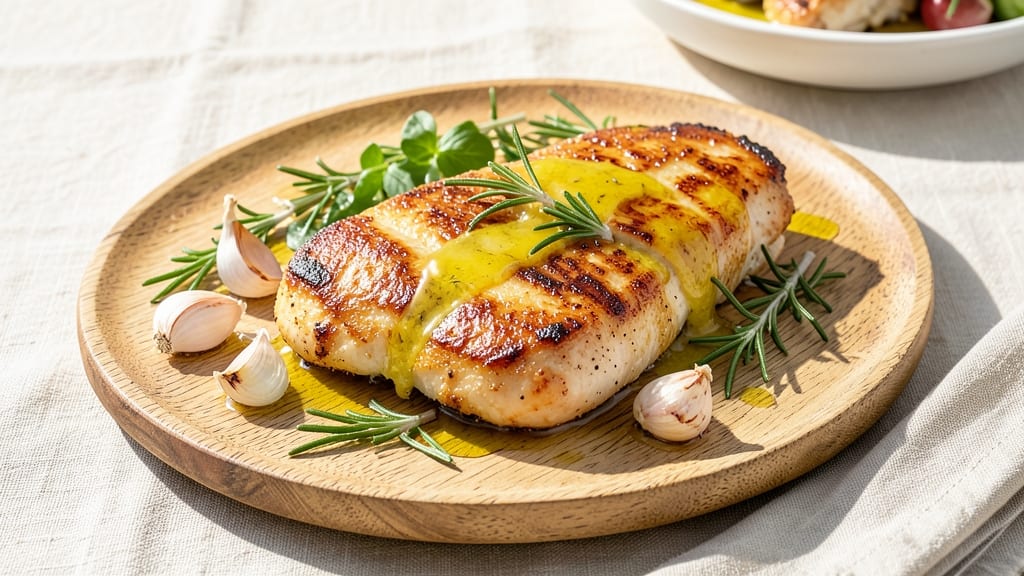
This authentic Italian lemon chicken recipe brings the bright flavors of the Mediterranean to your kitchen with just a few simple techniques. The secret lies in marinating the chicken in lemon juice, olive oil, and fresh rosemary—a classic combination that tenderizes the meat while infusing it with zesty, aromatic notes.
I’ve perfected this method after years of cooking Italian dishes, and it delivers restaurant-quality results at home.
The dish starts with a pan-seared chicken breast, cooked to golden perfection while keeping the inside juicy and tender. A quick white wine reduction with lemon zest and capers transforms into a silky sauce that clings beautifully to the chicken, balancing acidity and richness.
This recipe stays true to Italian traditions without requiring fancy ingredients—just quality components and careful timing.
What you’ll end up with is bright, citrus-infused chicken that’s tender yet flavorful, paired with a sauce that’s tangy, slightly sweet, and deeply aromatic. The rosemary adds an earthy depth that complements the lemon perfectly, while the capers lend a briny contrast.
Serve it with roasted potatoes or a simple arugula salad for a complete Italian-inspired meal.
This method is foolproof and designed for home cooks, with clear steps to ensure success every time. Whether you’re hosting a dinner or treating yourself, this dish delivers the essence of Italian coastal cuisine in a way that’s both authentic and approachable. Let’s get started!
Ingredients for authentic italian lemon chicken
Quality chicken, bright citrus, and aromatic herbs create this restaurant-style Italian dish.
| Ingredient | Amount | Notes |
|---|---|---|
| Boneless, Skinless Chicken Breasts 🍗 | 1 ½ lb | Pounded to even thickness |
| Extra-Virgin Olive Oil 🫒 | ¼ cup | High-quality, fruity variety |
| Fresh Lemon Juice 🍋 | ½ cup | From 2-3 lemons, freshly squeezed |
| Fresh Rosemary 🌿 | ¼ cup | Finely chopped, stems removed |
| Garlic Cloves 🧄 | 4 cloves | Minced into a paste |
| Dry White Wine 🍷 | ½ cup | Pinot Grigio or Sauvignon Blanc |
| Chicken Broth 💧 | ½ cup | Low-sodium preferred |
| Capers 🍯 | 2 tbsp | Rinsed and drained |
| Lemon Zest 🍋 | 1 tbsp | From 1 organic lemon |
| Unsalted Butter 🧈 | 2 tbsp | Cold, cubed |
| Diamond Crystal Kosher Salt 🧂 | 1 ½ tsp | For seasoning |
| Freshly Ground Black Pepper 🌶️ | ½ tsp | Cracked peppercorns |
| All-Purpose Flour 🌾 | 1 tbsp | For dredging |
The chicken breast is the foundation, so choose uniform pieces—thickness matters for even cooking. Whole Foods or your local butcher often carry pre-trimmed cuts, but if buying whole breasts, trim excess fat and pound to ¼-inch thickness with a meat mallet. For the rosemary, fresh sprigs from a trusted grocer (like Trader Joe's) ensure vibrant flavor. The capers should be briny, not vinegary—look for Italian-style in the olive bar section. Lemon juice must be fresh; bottled versions lack the bright acidity needed for authentic flavor. If you can't find organic lemons, conventional is fine—just avoid those with thick skins.
No white wine? Substitute additional chicken broth (reduce by 2 tbsp to maintain balance). Fresh rosemary unavailable? Dried works at one-third the amount, but toast it first in a dry pan for 30 seconds to deepen its aroma. For the butter, European-style (like Plugrá) adds richness without overpowering. If you're avoiding butter entirely, olive oil works in a pinch, though the sauce will be lighter. The flour is purely for dredging—skip if you prefer a completely gluten-free version, though the sauce may cling slightly less. For the garlic, roasted garlic adds sweetness, but raw minced delivers the classic sharpness Italian cuisine relies on.
Marinated chicken keeps 24 hours in the fridge—the longer it sits, the more flavorful it becomes. The sauce reduces quickly, so prepare it just before serving. If making ahead, store components separately: chicken in the marinade (without wine) and sauce ingredients in a separate container. Reheat gently over low heat, adding a splash of water if the sauce thickens too much. The dish reheats beautifully and tastes even better the next day as flavors meld. Leftovers store for 3 days in the fridge or 3 months frozen—portion sauce separately for easy reheating.
Why You'll Love This Recipe
- I swear by this trick: just slice the chicken breasts in half horizontally—no fancy cuts, no stress. The garlic and rosemary get minced in seconds while the olive oil heats, and suddenly you’re halfway to dinner.
- No-Chop Needed: I swear by this trick: just slice the chicken breasts in half horizontally—no fancy cuts, no stress. The garlic and rosemary get minced in seconds while the olive oil heats, and suddenly you’re halfway to dinner.
- Crispy Without Frying: That golden crust? It’s all in the olive oil. Sear the chicken until it’s deep brown, then finish with lemon juice—juicy inside, shatteringly crisp outside. Honestly, my picky husband doesn’t even ask for ketchup anymore.
- Lunchbox Hero: Between us, this is my secret weapon for meal prep. Shred the leftovers, toss with pasta or a fresh salad, and boom—three lunches ready. The lemon keeps it bright for days, and the rosemary adds that chef’s touch even cold.
Step-by-step instructions for authentic Italian lemon chicken
This method delivers restaurant-quality Italian lemon chicken with vibrant citrus notes and aromatic rosemary.
Prepare and Season the Chicken
Begin by pounding the 1.5 lb boneless, skinless chicken breasts to an even ½-inch thickness using a meat mallet or rolling pin. This ensures even cooking and prevents dryness. Pat the chicken dry with paper towels—this step is crucial for achieving crispy edges when searing.
In a small bowl, combine the 1.5 tsp diamond crystal kosher salt, 0.5 tsp freshly ground black pepper, 1 tbsp all-purpose flour, and 0.25 cup finely chopped fresh rosemary. Rub this mixture evenly over both sides of the chicken breasts. The flour creates a light crust while the rosemary infuses its piney aroma. Let the chicken sit at room temperature for 15 minutes before cooking to ensure even heat distribution.
Sear the Chicken Perfectly
Heat 0.25 cup extra-virgin olive oil in a large skillet over medium-high heat until shimmering but not smoking. Add the chicken and cook for 4-5 minutes per side until golden brown and internal temperature reaches 160°F. Press down gently on the chicken during the first minute—this prevents curling and ensures even contact with the pan.
Transfer the seared chicken to a plate and tent loosely with foil to keep warm. The residual heat will carry the chicken to 165°F while you prepare the sauce. If the chicken browns too quickly, reduce heat to medium—uneven browning indicates the pan is too hot.
Build the Citrus-Rosemary Sauce
In the same skillet (no need to clean it—the browned bits add depth), reduce heat to medium and add 2 tbsp unsalted butter. Let it melt completely, then add the 4 cloves minced garlic cloves and cook for 30 seconds until fragrant. Add 0.5 cup dry white wine and scrape up any browned bits from the bottom of the pan—this deglazing captures all the flavor.
Simmer the wine mixture for 2-3 minutes until reduced by half. Stir in the 0.5 cup fresh lemon juice, 1 tbsp lemon zest, 0.5 cup chicken broth, and 2 tbsp rinsed capers. Bring to a gentle simmer and let cook for 5 minutes until the sauce thickens slightly. The capers add a briny contrast that balances the bright citrus.
Finish the Chicken and Sauce
Return the chicken to the skillet and spoon the sauce evenly over the top. Cover and simmer on low heat for 3-4 minutes, allowing the chicken to absorb the citrusy flavors without overcooking. The sauce should coat the chicken but remain slightly glossy—not syrupy.
For the final touch, garnish each serving with an additional sprinkle of fresh rosemary and a squeeze of fresh lemon juice. Serve immediately with crusty bread or over al dente pasta to soak up the vibrant sauce. The chicken should be tender with a golden crust, and the sauce should be bright, balanced, and aromatic—true to Italian tradition.
Pro Tips For Making Authentic Italian Lemon Chicken
- SEAR THE CHICKEN HARD: High heat for 3-4 minutes per side until deep golden brown—this isn’t the time to play it safe. The crust locks in flavor and prevents the chicken from drying out when the lemon hits later. (Yes, it’ll look charred at first, but that’s how you know it’s working.)
- ZEST THE LEMON FIRST: Grate the peel from half the lemon (about 1 teaspoon) and toss it into the pan with the juice—don’t skip this. The zest adds bright, aromatic layers that fresh juice alone can’t match. (And no, bottled zest won’t cut it.)
- DON’T OVERCROWD THE PAN: Cook the chicken in batches if needed—two breasts side by side, not a pile. Overcrowding steams the oil and turns your crispy crust into sad, soggy skin. (I learned this after a particularly greasy cleanup session.)
- FINISH WITH A COLD SPRAY: Once the chicken is off the heat, hit it with a quick spray of water or a splash of ice water. It resets the cooking process, keeps the meat juicy, and lets the lemon marinade cling instead of evaporating. (Sounds weird, but it works—trust me.)
Dietary considerations for this authentic italian lemon chicken
Gluten-Free Adaptations
The original recipe uses a light 1 tbsp all-purpose flour dredge for texture, but you can easily make this gluten-free. Simply omit the flour entirely—this won’t affect the chicken’s flavor but may slightly reduce sauce cling.
For extra adhesion, brush the chicken with 1 tbsp olive oil before searing, or use 1 tbsp cornstarch (mixed with a pinch of salt) as a gluten-free alternative. 🥄
Dairy-Free Options
To eliminate dairy, skip the 2 tbsp unsalted butter in the sauce and replace it with 2 tbsp olive oil or vegetable oil. The sauce will still develop depth from the wine reduction and lemon, though it’ll be slightly lighter.
For richness, stir in 1 tbsp nutritional yeast (adds a cheesy note) or an extra ½ tsp lemon zest to brighten the flavor.
Lower-Carb Adjustments
This recipe is naturally lower in carbs, but you can enhance it further by serving the lemon chicken over cauliflower rice instead of pasta. The chicken’s citrusy sauce pairs beautifully with the neutral flavor of cauliflower while keeping carbs minimal.
For extra protein, add sautéed shrimp or grilled zucchini to the plate. The dish remains satisfying and aligned with low-carb goals.
Allergen-Friendly Swaps
For those avoiding shellfish, ensure your capers are shellfish-free (some brands process them in shared facilities). If capers are off-limits, replace them with 2 tbsp chopped Kalamata olives for a briny alternative.
For soy-free diets, confirm your chicken broth is soy-free (many low-sodium brands are soy-free, but check labels). Always verify ingredient sources to avoid cross-contamination.
Nut-Free Considerations
This recipe is naturally nut-free, but if you’re serving it in a nut-heavy environment, double-check that your olive oil and butter (if using) are processed in nut-free facilities. Some brands of butter or olive oil may have trace nut exposure.
For extra caution, use certified nut-free olive oil brands like Colavita or Bertolli, which are commonly nut-free.
Vegetarian Alternatives
While this recipe centers on chicken, you can adapt it for vegetarians by replacing the chicken with firm tofu or chickpeas. Press the tofu to remove excess water, then marinate and sear it using the same method.
For chickpeas, toss them in the marinade and pan-fry until crispy. The sauce will still shine, though the texture will differ—expect a heartier, plant-based dish with a satisfying bite. 🌱
Nutrition facts
Frequently asked questions
Can I use chicken thighs instead of breasts?
Chicken thighs work beautifully and are more forgiving since they stay juicy longer. Use 2 bone-in, skin-on thighs and adjust cooking time to 6-7 minutes per side until golden and internal temp reaches 175°F. Skip the flour dredge—thighs don't need it for texture. The skin will crisp up naturally, adding extra flavor to the sauce.
How do I prevent the chicken from drying out?
Keep the chicken moist by cooking it to 160°F (not 165°F) before finishing in the sauce. Use a meat thermometer for accuracy. Also, avoid overcrowding the pan—cook one piece at a time if needed. The sauce will carry residual heat to finish cooking while keeping the meat tender. For extra insurance, baste the chicken with sauce during the last 2 minutes of cooking.
What's the best white wine to use if I don't have Pinot Grigio?
Any dry white wine with citrus notes works—try Sauvignon Blanc or Vermentino for brightness. Avoid sweet wines like Riesling. If you're completely out of wine, substitute with ½ cup chicken broth + 1 tbsp lemon juice, though the sauce will be slightly less complex. The key is acidity to balance the lemon flavors.
Can I make this ahead of time?
Yes! Marinate the chicken 24 hours ahead for maximum flavor. For the sauce, make it up to 1 day ahead and store separately. Reheat gently in a skillet over low heat, adding a splash of water if it thickens too much. The chicken reheats best in a 350°F oven for 10 minutes covered with foil, then finish with fresh sauce and lemon zest.
Why does my sauce taste too acidic?
The sauce may be too sharp if you used too much lemon juice or didn't reduce the wine properly. Balance it by adding 1 tsp honey or sugar to sweeten the acidity, or stir in 1 tbsp unsalted butter to add richness. Simmer for an extra 2 minutes to let flavors meld—sometimes the sauce just needs more cooking time to harmonize.