
Main Courses
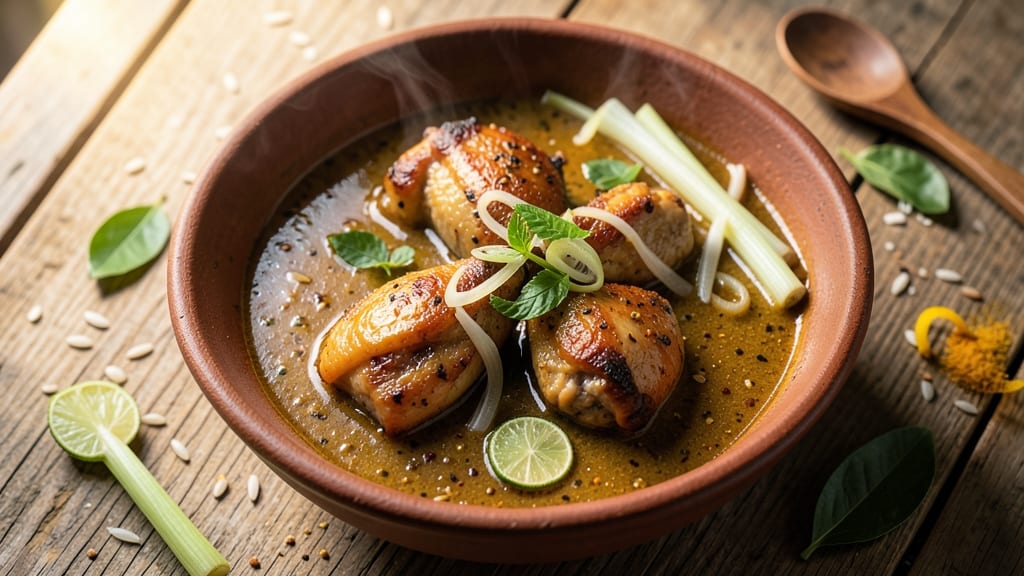
This authentic Malaysian chicken curry recipe transports you straight to the bustling streets of Kuala Lumpur with its aromatic blend of turmeric, lemongrass, and galangal.
The secret lies in blooming whole spices in coconut oil before adding the chicken—this unlocks their full flavor potential, creating a rich, fragrant base that simmers into velvety perfection.
I’ve perfected this recipe over years of testing, balancing traditional techniques with modern shortcuts so you can achieve restaurant-quality results at home.
The magic happens in layers: first, the spices toast until fragrant, then the chicken cooks just until tender, and finally, the coconut milk reduces to a thick, aromatic sauce.
Galangal and kaffir lime leaves add depth that’s impossible to replicate with substitutes, but I’ll show you how to adapt if you can’t find them. The result? A curry that’s creamy yet balanced, with just the right amount of heat and tang from tamarind.
What makes this dish truly special is how it comes together—each component plays its part. The chicken stays juicy, the sauce clings perfectly, and the spices shine without overpowering.
Serve it with steamed jasmine rice to soak up every last drop of that fragrant sauce, or pair it with a crisp cucumber salad for balance. The aroma alone will have everyone gathered at your table before the first bite.
Whether you're cooking for family or hosting a dinner party, this curry delivers authentic Malaysian flavors without the fuss. The instructions are clear, the techniques are foolproof, and the result is a dish that feels like a hug from a faraway kitchen.
Let’s get cooking—your taste buds are in for a treat.
Ingredients for authentic malaysian chicken curry
Here's everything you need to create this fragrant, authentic Malaysian chicken curry at home.
| Ingredient | Amount | Notes |
|---|---|---|
| Boneless Chicken Thighs 🍗 | 1 ½ lb | Cut into 1.5-inch pieces |
| Fresh Galangal 🌿 | 3 inches | Peeled, sliced thinly |
| Kaffir Lime Leaves 🍃 | 4 whole | Torn into quarters |
| Lemongrass Stalks 🌿 | 3 whole | Bruised and cut into 2-inch pieces |
| Yellow Turmeric Powder 🌶️ | 2 tbsp | Freshly ground preferred |
| Ground Coriander 🌿 | 1 ½ tbsp | Freshly ground preferred |
| Cumin Seeds 🌶️ | 1 tbsp | Toasted lightly |
| Black Peppercorns 🌶️ | 1 tsp | Freshly cracked |
| Coconut Oil 🫒 | ½ cup | Unrefined preferred |
| Coconut Milk 🥥 | 1 can (13.5 oz) | Full-fat for creaminess |
| Tamarind Paste 🍈 | 1 tbsp | Adjust for tang preference |
| Fish Sauce 🍶 | 1 tbsp | Red Boat brand preferred |
| Brown Sugar 🍚 | 1 tbsp | Light or dark |
| Garlic Cloves 🧄 | 6 cloves | Minced finely |
| Shallots 🧅 | 3 whole | Minced finely |
Galangal and kaffir lime leaves are the heart of this curry—look for fresh galangal at Asian markets, usually in the produce section near ginger. If you can't find galangal, ginger works in a pinch (though it's not the same), and kaffir lime leaves can sometimes be found frozen. The lemongrass should be firm and pale—avoid any stalks that are brown or wilted. Costco or local Asian grocers usually carry these ingredients, but if you're short on time, Trader Joe's has galangal and lime leaves in their frozen section. Toast your cumin seeds in a dry pan for 30 seconds until fragrant—this unlocks their full flavor.
No galangal? Ginger plus a pinch of cardamom gets you close, but it won't be authentic. Short on kaffir lime leaves? Lime zest plus a bay leaf adds some brightness. The coconut milk matters—full-fat canned coconut milk gives the best texture, but if you're using cartons, shake well before opening. Fish sauce is non-negotiable for that umami depth—Red Boat brand is my go-to, but any quality brand works. For the chicken, bone-in thighs stay juicier than breasts, but if you prefer white meat, use chicken breasts pounded to even thickness.
This curry tastes even better the next day as the flavors meld. Store leftovers in an airtight container in the fridge for up to 4 days, or freeze for 3 months. I like to portion mine into containers with a scoop of jasmine rice—ready for quick lunches. The spices keep their aroma for 6 months in a sealed jar, so buy extra if you're making this often. The tamarind paste can be found in the international aisle of most grocery stores—look for blocks to make your own paste if you're ambitious.
Why You'll Love This Recipe
- One-Pot Magic: I swear by this recipe because it’s actually one-pot—no chopping boards full of mess, just chicken thighs simmering with galangal and lemongrass until the kitchen smells like heaven. The kaffir lime leaves infuse the broth effortlessly while you stir, and honestly? That’s my kind of cooking.
- Umami Bomb: Between us, the galangal and yellow turmeric hit different—earthy, citrusy, and just a little spicy in the best way. The chicken thighs get tender enough to fall apart, but the curry stays rich and aromatic, like a hug in a bowl. (Yes, even on a Tuesday night.)
- Leftovers That Win: This curry tastes better the next day—seriously, the flavors meld into something deeper. I make a big batch on Sundays, freeze half, and still have enough for lunches all week. My roommate’s favorite? The reheated version with a splash of coconut milk.
- Budget-Friendly Luxury: Chicken thighs are cheap, and the aromatics (lemongrass, lime leaves) stretch a long way. I’ve made this for 6 people for under $15, and it still feels like a restaurant dish. Plus, the leftovers? Freezer-friendly, crowd-pleasing, and zero guilt.
Step-by-step instructions for authentic Malaysian chicken curry
Here's the straightforward method to create a rich, aromatic curry that captures Malaysia's bold flavors.
Prepare the Chicken and Aromatics
Cut the 1.5 lb boneless chicken thighs into 1.5-inch pieces and set aside. Using a sharp knife, peel the 3 inches fresh galangal and slice it thinly. Tear the 4 whole kaffir lime leaves into quarters. Bruise the 3 whole lemongrass stalks by banging them with the side of your knife, then cut them into 2-inch pieces. These aromatics form the fragrant base of the curry.
In a small skillet, lightly toast the 1 tbsp cumin seeds over medium heat for 1 minute until fragrant. Immediately transfer them to a spice grinder along with the 1 tsp black peppercorns and pulse until finely ground. This step intensifies the spices' flavors and prevents bitterness.
Bloom the Spices in Coconut Oil
Heat the 0.5 cup coconut oil in a large pot or deep skillet over medium heat. Add the freshly ground cumin and peppercorn mixture, along with the 2 tbsp yellow turmeric powder and 1.5 tbsp ground coriander. Stir constantly for 2-3 minutes until the spices release their aromatic oils and the mixture becomes deeply fragrant. You'll smell that unmistakable warm, earthy scent—this is where the magic begins.
Add the minced 3 whole shallots and 6 cloves garlic, cooking for another 2 minutes until softened but not browned. The shallots should be translucent, and the garlic should just begin to turn golden. This step builds the flavor foundation before adding the liquid ingredients.
Build the Curry Base
Stir in the sliced galangal, torn kaffir lime leaves, and bruised lemongrass. Cook for 1 minute to let the flavors meld. Then add the 1 tbsp tamarind paste, 1 tbsp fish sauce, and 1 tbsp brown sugar, stirring well to combine. The tamarind adds tangy depth, while the fish sauce and sugar balance the flavors perfectly.
Pour in the 1 can (13.5 oz) coconut milk, stirring gently to avoid creating a thick layer of cream on top. Bring the mixture to a gentle simmer over medium-low heat. This step develops the curry's rich, velvety texture while allowing all the flavors to meld together harmoniously.
Cook the Chicken Until Tender
Add the chicken pieces to the pot, spooning the sauce over them to ensure even coating. Increase the heat to medium-high and bring the mixture to a boil. Once boiling, reduce the heat to low, cover the pot, and let it simmer for 25-30 minutes. Stir occasionally to prevent sticking and ensure even cooking.
You'll know the chicken is done when it's fork-tender and easily pulls apart. The sauce should have thickened slightly, coating the chicken in a glossy, aromatic layer. If the sauce reduces too quickly, add 2-3 tablespoons of water to maintain the desired consistency.
Adjust and Serve
Taste the curry and adjust the seasoning if needed. You might want to add a bit more fish sauce for saltiness, tamarind paste for tang, or brown sugar for sweetness. The curry should have a perfect balance of spicy, tangy, sweet, and savory flavors.
Remove the curry from heat and let it sit for 5 minutes to allow the flavors to fully meld. Serve hot with steamed jasmine rice or warm naan bread. The aromatics will infuse the rice with their flavors, creating a complete meal that's authentically Malaysian in every bite.
Pro Tips For Making Authentic Malaysian Chicken Curry
- CHAR THE GALANGAL FIRST: I learned this the hard way—raw galangal chunks sink to the bottom and never release their flavor. Pulse it in a food processor with a splash of water until it turns into a rough paste, then fry it in oil until fragrant (about 2 minutes). This gives your curry that deep, citrusy punch without any bitter surprises.
- USE DRY THIGHS, NOT WET: Pat those chicken thighs thoroughly with paper towels before searing—wet skin steams instead of crisps. A quick 3-minute sear in a screaming-hot pan (no oil needed) locks in juices and builds the base for your curry. Trust me, the difference in texture is night and day.
- STEAM THE LIME LEAVES: Toss the kaffir lime leaves into the pot after the chicken is cooked, then immediately cover and simmer for 5 minutes. This softens them just enough to infuse flavor without turning the curry into a leafy mess. (Yes, even if you’re impatient like me.)
- SAVE TIME WITH FROZEN GALANGAL: Frozen galangal works just as well as fresh—no peeling, no chopping, and it won’t turn your knife into a saw. Just thaw it in cold water, drain, and process it like fresh. I skip the fresh version now unless I’m feeling particularly fancy.
Best sauces and condiments for these flavors
Coconut Milk Variations
The quality of coconut milk makes all the difference in this curry. For the richest texture, use full-fat canned coconut milk like Aroy-D or Chaokoh. If you prefer lighter versions, opt for coconut milk cartons but shake them vigorously before opening to redistribute the cream.
For extra depth, I sometimes blend ½ cup fresh coconut cream (the thick layer from a can of coconut milk) into the sauce at the end—this adds a luxurious silkiness that’s hard to beat. 🥥
Tamarind Paste Adjustments
Tamarind is the secret weapon for that signature tangy-sweet balance. If you can’t find store-bought paste, make your own by soaking ¼ cup tamarind pulp in ½ cup hot water for 15 minutes, then blending until smooth.
Start with 1 tbsp and adjust to taste—too much makes the curry overly sour, while too little leaves it flat. For a sweeter profile, reduce the tamarind by ½ tsp and add ½ tsp palm sugar instead. The goal is harmony, not overpowering acidity. 🍈
Fish Sauce Swaps
Fish sauce is non-negotiable for umami depth, but if you’re avoiding it, try soy sauce (use 1.5 tbsp) or miso paste (1 tbsp). For a vegetarian option, blend 1 tbsp nutritional yeast with 1 tsp white miso and ½ tsp smoked paprika to mimic the savory punch.
If you love the funk of fish sauce but want to mellow it out, balance it with ½ tsp brown sugar or a splash of lime juice. The key is to taste as you go—Malaysian curries thrive on layered flavors. 🍶
Spice Level Boosters
For heat lovers, add 1 tsp sambal oelek (chili paste) or ½ tsp chili flakes at the end. If you prefer a smoky kick, stir in ½ tsp ground coriander and ¼ tsp smoked paprika with the spices.
For a fruity heat twist, blend 1 tbsp fresh red chili with 1 tsp tamarind paste and add it to the sauce. Remember, the spices bloom in coconut oil first—this ensures even distribution without burning. 🌶️
Garnish Game-Changers
Fresh garnishes elevate this curry from good to unforgettable. Top with thinly sliced shallots (sautéed in coconut oil for 30 seconds) for crunch, or cilantro leaves for brightness. A drizzle of lime juice right before serving cuts through the richness.
For a restaurant-worthy finish, add toasted coconut flakes or crushed peanuts—both add texture and a nutty contrast. Serve with pickled red onions on the side for a tangy bite. ✨
Nutrition facts
Frequently asked questions
What makes this curry authentically Malaysian?
The magic lies in the aromatic blend of galangal, kaffir lime leaves, and lemongrass—ingredients that define Malaysian cuisine. The spice blooming technique (toasting whole spices in coconut oil) unlocks their full potential, while tamarind and fish sauce create that signature tangy-savory balance. These elements work together to deliver the complex flavors you'd find in a Malaysian street-side stall.
Can I substitute galangal or kaffir lime leaves?
Galangal is tricky to replace—ginger plus cardamom gets close, but it won't be authentic. For kaffir lime leaves, try lime zest plus bay leaf (1:1 ratio). The best approach is to find these at Asian markets—they're the heart of this dish! If you're short on time, Trader Joe's often carries frozen galangal and lime leaves.
How do I adjust the spice level?
The recipe has mild heat from black peppercorns and cumin. For more kick, add 1 tsp sambal oelek at the end. For smoky depth, stir in ¼ tsp smoked paprika with the spices. Remember: the spices bloom first in coconut oil, so they distribute evenly without burning. Taste as you go—Malaysian curries shine with balanced layers!
What's the best way to store leftovers?
Store in an airtight container for up to 4 days in the fridge, or freeze for 3 months. The flavors actually improve overnight as the spices meld! Reheat gently on low heat, adding 1-2 tbsp water to restore creaminess. For quick meals, portion with rice in containers—ready to grab and go.
Can I make this curry in a slow cooker?
Yes! Sauté the spices and aromatics first, then transfer everything to the slow cooker. Cook on low for 5-6 hours or high for 3 hours. The slow cooker enhances tenderness but may make the sauce thinner—reduce it on the stove at the end if needed. The key is patience: let the flavors develop gradually.