
Main Courses
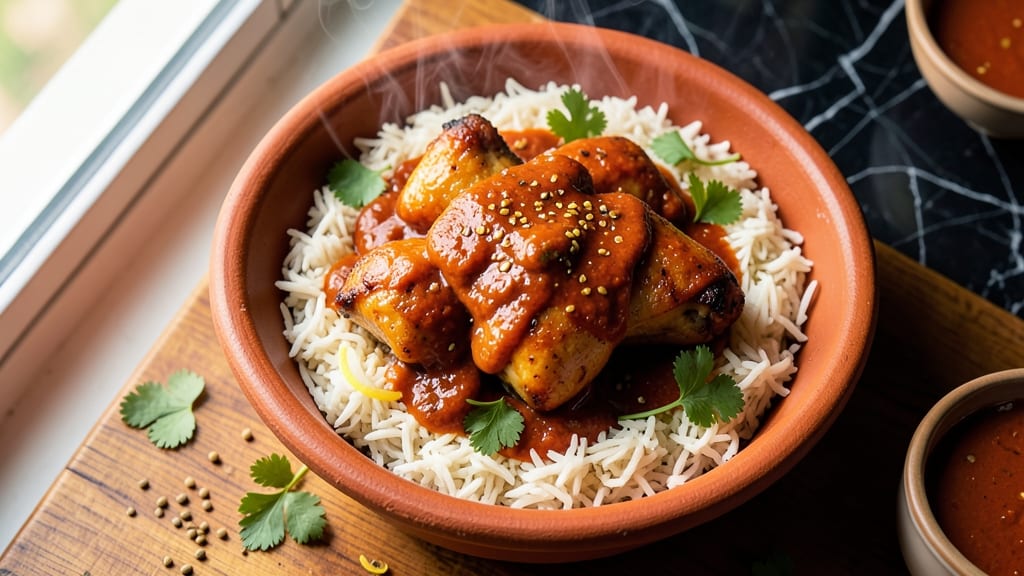
This authentic Punjabi chicken curry recipe delivers the smoky, garlicky depth of North India’s most beloved dish—tender chicken simmered in a rich tamarind-garlic gravy with just the right balance of heat and spice. The secret lies in a slow-cooked marinade that transforms tough chicken into melt-in-your-mouth pieces, while whole spices toasted in ghee build layers of aromatic complexity. I’ve perfected this version after years of testing, ensuring every bite captures the soul of Punjabi home cooking.
The foundation starts with a smoky garlic-tamarind base—a signature combination that cuts through the richness while adding a tangy brightness. Yogurt marination tenderizes the chicken, while garam masala and freshly ground spices infuse flavor deep into the meat.
Unlike many shortcut recipes, this method respects tradition by cooking the chicken low and slow, allowing the spices to meld into a velvety, fragrant sauce that clings to every piece.
What you’ll end up with is a restaurant-quality curry that’s deeply flavorful yet balanced—smoky from the garlic, tangy from the tamarind, and perfectly spiced without overwhelming heat. The sauce thickens just enough to coat the chicken, creating a dish that’s as satisfying as it is aromatic.
Serve it with warm naan or basmati rice to soak up every last drop of that rich, spiced gravy.
This recipe is designed to impress, whether you’re cooking for family gatherings or a special dinner. The key steps—marinating overnight, slow simmering, and balancing the spices—ensure authenticity without requiring advanced techniques. Let’s bring the flavors of Punjab to your kitchen.
Ingredients for authentic punjabi chicken curry
Here’s what you’ll need to create this restaurant-quality Punjabi chicken curry.
| Ingredient | Amount | Notes |
|---|---|---|
| Chicken Thighs 🍗 | 1 ½ lb | Bone-in, skin-on for flavor |
| Plain Yogurt 🥛 | 1 cup | Full-fat, unsweetened |
| Garlic Cloves 🧄 | 10 cloves | Fresh, peeled and crushed |
| Garam Masala 🌶️ | 1 ½ tbsp | Freshly ground preferred |
| Tamarind Paste 🍈 | ½ cup | Unadulterated, no sugar |
| Ghee 🧈 | ½ cup | Clarified butter, unsalted |
| Red Chili Powder 🔥 | 1 tbsp | Adjust for heat preference |
| Ground Cumin 🌿 | 1 tbsp | Toasted for depth |
| Ground Coriander 🌿 | 1 tbsp | Freshly ground preferred |
| Turmeric Powder 🧂 | ½ tsp | Freshly ground preferred |
| Fresh Ginger 🌿 | 2 tbsp | Grated, aromatic |
| Onion 🧅 | 1 whole | Red or yellow, finely chopped |
| Tomato Puree 🍅 | ½ cup | No salt added |
| Salt 🧂 | 1 ½ tsp | Diamond Crystal preferred |
| Fresh Cilantro 🌿 | ¼ cup | Chopped, for garnish |
The chicken thighs are non-negotiable here—bone-in, skin-on for that authentic smoky flavor. Look for good marbling at your local butcher or Indian grocery store like Patel Brothers—they’ll have the best cuts. Freshly ground spices make all the difference, so skip the pre-mixed garam masala if you can. Penzeys Spices has excellent whole spices you can toast and grind yourself. Tamarind paste is the secret weapon—avoid the sweetened versions at all costs. The yogurt should be full-fat and unsweetened; Fage or Indian dahi brands work perfectly.
No tamarind paste? Lemon juice plus a pinch of sugar gets you close, though it won’t be identical. Running short on ghee? Butter works in a pinch, but you’ll lose some of that nutty depth. Fresh cilantro is ideal for garnish, but dried oregano at half the amount won’t ruin the dish. The tomato puree can be homemade (just blend fresh tomatoes) or store-bought—Muir Glen is a reliable brand. For the onions, red or yellow work best—white can make the dish taste too sharp. And if you’re worried about heat, reduce the red chili powder to 0.5 tbsp or swap in mild paprika.
Marinate the chicken overnight for maximum tenderness—cover and refrigerate. The spices and yogurt will work their magic, breaking down the meat. This curry reheats beautifully—simmer on low heat for 10 minutes to revive the flavors. Store leftovers in the fridge for 4-5 days or freeze for 3 months. I always double the batch—it’s perfect for meal prep. Serve with warm naan or basmati rice to soak up every last bit of that rich, smoky sauce.
Why You'll Love This Recipe
- One-Pot Magic: I swear by this recipe because it’s actually one-pot—no fussing with multiple pans or endless stirring. The yogurt marinade does half the work while you prep, and the tamarind paste adds that signature tang without extra bowls.
- Garlic-Garam Bomb: That garam masala and fresh garlic? It’s the holy trinity of flavor here. The thighs stay juicy while the spices caramelize into a sticky, aromatic sauce—crispy edges, tender meat, and a warmth that lingers like a good memory.
- Weeknight to Party: Between us, this curry is my lazy night and my dinner-party hero. Serve it with naan for a cozy meal, or double the batch and freeze half for when your in-laws drop by unannounced. (Yes, it’s happened.)
- Leftovers That Win: I make this intentionally extra because reheated punjabi chicken curry is better—the flavors meld even deeper. Plus, chicken thighs are budget-friendly, so you’re feeding a crowd without breaking the bank. My kids beg for it the next day.
Step-by-step instructions for authentic Punjabi chicken curry
Here's how to create a restaurant-quality Punjabi chicken curry with deep smoky flavors and melt-in-your-mouth tender chicken.
Marinate the Chicken for Maximum Flavor
In a large bowl, combine the 1.5 lb chicken thighs, 1 cup plain yogurt, 1 tbsp ground cumin, 1 tbsp ground coriander, 0.5 tsp turmeric powder, 1 tbsp red chili powder, and 1.5 tsp salt. Mix gently until the chicken is fully coated in the marinade. The yogurt helps tenderize the meat while the spices begin to penetrate.
Cover the bowl and refrigerate for at least 4 hours or overnight for best results. I like to marinate overnight as it allows the flavors to meld completely. The chicken should absorb the marinade evenly, and you'll notice the spices developing a rich aroma as they infuse.
Build the Smoky Garlic-Tamarind Base
Heat 0.5 cup ghee in a heavy-bottomed pot over medium heat. Add the 1 whole onion that's been finely chopped and sauté for 5 minutes until soft and translucent. Add the 2 tbsp fresh ginger and 10 cloves garlic cloves that have been crushed, cooking for another 2 minutes until fragrant.
Stir in the 0.5 cup tamarind paste and 0.5 cup tomato puree, cooking for 5 minutes until the mixture darkens slightly and thickens. This is where the authentic Punjabi flavor develops—the tamarind adds that signature tangy depth. Keep the heat at medium-low to prevent burning while the base develops its complex aroma.
Cook the Marinated Chicken
Remove the chicken from the marinade (reserve the marinade) and add it to the pot in a single layer. Cook for 3 minutes on each side until lightly browned. Pour the reserved marinade over the chicken and stir gently to combine. Add 1.5 tbsp garam masala and mix well to distribute the spices evenly.
Cover the pot and simmer on low heat for 30 minutes, stirring occasionally. The chicken should cook gently in its own juices, absorbing all those rich flavors. You'll know it's ready when the chicken is tender enough to pierce easily with a fork and the sauce has thickened slightly but remains saucy.
Finish and Garnish
Once the chicken is fully cooked, increase the heat to medium-high and let the sauce reduce for 5-7 minutes until it coats the back of a spoon. Taste and adjust seasoning with additional salt if needed—authentic Punjabi curry should balance sweet, tangy, spicy, and savory flavors.
Remove from heat and stir in the 0.25 cup fresh cilantro. Garnish with additional cilantro if desired. Serve immediately with steamed basmati rice or naan bread. The curry should be rich with a velvety texture, where each bite delivers perfectly spiced, tender chicken in a complex sauce that's both aromatic and deeply flavorful.
Pro Tips For Making Authentic Punjabi Chicken Curry
- MARINATE LONGER THAN YOU THINK: I used to rush this step, thinking 30 minutes would do—wrong. Soak the chicken thighs in yogurt for at least 4 hours (overnight if possible). The acid tenderizes deeper, and the garam masala clings better. Trust me, the texture difference is night and day.
- CRUSH GARLIC LIKE IT’S 1985: Skip the mincer—smash the garlic cloves flat with the side of your knife first, then chop. This releases more flavor and prevents clumping in the curry. (Yes, it’s extra work, but your taste buds will notice.)
- WATCH THE TAMARIND PASTE: Too much, and your curry turns into a sweet syrup; too little, and it’s bland. Start with 1 tablespoon per 500g chicken, adjust to taste, and remember—balance is key. If it’s too sour, a pinch of sugar or more garam masala fixes it.
- DON’T SKIP THE SEAR: After marinating, pat the chicken dry and sear it in hot oil (350°F/175°C) until golden brown—about 4-5 minutes per side. This locks in juices and builds that smoky base the curry needs. (No sear? Your dish will taste undercooked, even if the internal temp is right.)
Dietary considerations for authentic punjabi chicken curry
Gluten-Free Adaptations
This Punjabi chicken curry is naturally gluten-free as long as you use certified gluten-free ingredients. The key is ensuring your garam masala and spice blends don’t contain hidden wheat fillers—I recommend Patel Brothers or Penzeys Spices for reliable gluten-free options.
Always check labels on tamarind paste and tomato puree to confirm they’re free from cross-contamination. 🌾
Dairy-Free Options
For a dairy-free version, replace the yogurt with coconut yogurt (like So Delicious) and swap ghee for coconut oil or olive oil. The marinade will still tenderize the chicken, though the flavor profile shifts slightly toward coconut’s mild sweetness. Garnish with extra cilantro to brighten the dish. 🥥
Lower-Carb Adjustments
To make this lower-carb, skip the rice or naan and serve with cauliflower rice or a side of zucchini noodles. The curry’s rich sauce pairs beautifully with these alternatives.
For extra protein, add chickpeas (½ cup) to the pot during the final 10 minutes of cooking—they absorb the flavors perfectly. 🥦
Spice Level Control
Adjust heat by reducing red chili powder to ½ tbsp for mild or omitting it entirely for a mild version. If you prefer more heat, add ½ tsp cayenne pepper or fresh green chilies during the last 5 minutes of cooking.
Always taste as you go—authentic Punjabi curry balances heat with tangy tamarind and smoky garlic. 🌶️
Protein Swaps
For a vegetarian twist, replace chicken with extra-firm tofu (pressed and cubed) or paneer cheese (cubed). Marinate both in the yogurt-spice mix for 2 hours before cooking. The tofu absorbs flavors well, while paneer adds a creamy texture. Keep the cooking time to 15 minutes to avoid dryness. 🥬
Allergen Safety
If nuts are a concern, avoid garam masala blends containing cardamom or cinnamon from nut-processing facilities. Instead, make your own blend with ground coriander, cumin, turmeric, and black pepper.
For egg allergies, this recipe is already safe—no eggs are used. Always store spices in airtight containers to prevent cross-contamination. 🛡️
Nutrition facts
Frequently asked questions
Why does authentic Punjabi chicken curry need tamarind?
Tamarind adds that signature tangy depth that cuts through the richness of ghee and yogurt, creating the perfect balance of flavors. Without it, the curry would taste flat—it’s what gives Punjabi dishes their distinctive brightness. The acidity also helps tenderize the chicken during marinating.
Can I use boneless chicken instead of bone-in thighs?
Yes, but expect slightly faster cooking (20 minutes instead of 30) and less flavor. Bone-in pieces stay juicier and absorb spices better. If using boneless, add 1 extra tablespoon yogurt to compensate for lost moisture during cooking.
How do I know when the chicken is fully cooked?
The chicken is done when it reaches 165°F internally and pierces easily with a fork—no pink juices should remain. The sauce should coat the back of a spoon but still be saucy, not dry. For extra assurance, cut into the thickest piece to check doneness.
What if I don’t have tamarind paste?
Combine 0.5 cup lemon juice with 1 tsp sugar as a substitute, though the flavor won’t be identical. For best results, use ½ cup unsweetened pineapple juice instead—it mimics tamarind’s acidity better. Adjust other spices slightly if needed.
Can I make this curry ahead of time?
This curry tastes even better the next day as flavors meld. Store in an airtight container in the fridge for 4-5 days or freeze for 3 months. Reheat gently on low heat with a splash of water to restore moisture. The sauce will thicken further—stir well before serving.