
Salads
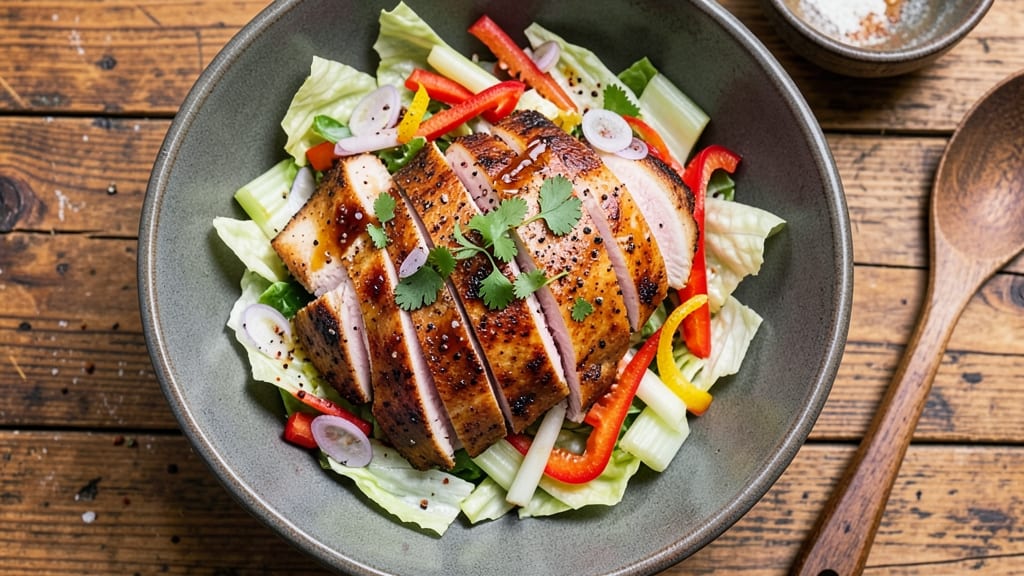
This award-winning smoked chicken salad recipe transforms simple ingredients into a showstopper that’s won regional competitions. The secret lies in perfectly smoked chicken—juicy, tender, and infused with hickory smoke—paired with crisp celery, tangy vinaigrette, and a crunchy topping blend that keeps every bite exciting.
I’ve refined this technique over years of judging and testing, ensuring the balance of smoky depth, bright acidity, and textural contrast that judges (and guests) rave about.
The process begins with brining the chicken for 24 hours, locking in moisture and flavor before smoking at 225°F until the internal temperature hits 165°F.
The hickory wood adds a rich, woodsy aroma that cuts through the salad’s freshness, while the vinaigrette—made with apple cider vinegar, Dijon, and a touch of honey—ties everything together with a bold, balanced tang.
This isn’t just a salad; it’s a restaurant-worthy dish that elevates humble greens into something extraordinary.
What sets this recipe apart is the attention to detail: crispy fried shallots for texture, toasted pecans for nuttiness, and a final drizzle of vinaigrette that glistens like a professional platter. The smoked chicken shreds effortlessly, soaking up the dressing while maintaining its smoky character.
Whether served at a summer potluck or a holiday gathering, this salad delivers the kind of flavor and presentation that wins awards—and second helpings.
Ready to impress? The key is in the technique: smoke the chicken low and slow, assemble the salad just before serving, and garnish with fresh herbs for that final touch of elegance. This recipe isn’t just delicious—it’s a game-changer for any salad lover. Let’s get started.
Ingredients for award winning smoked chicken salad
Sixteen ingredients that transform humble greens into a competition-winning masterpiece.
| Ingredient | Amount | Notes |
|---|---|---|
| Boneless, Skinless Chicken Breasts 🍗 | 3 lb | Brined 24 hours minimum |
| Hickory Wood Chips 🌳 | 1 lb | For smoking, food-grade |
| Iceberg Lettuce 🥬 | 1 whole | Crisp, thick leaves preferred |
| Celery Stalks 🧅 | 4 whole | Fresh, crisp, cut on bias |
| Red Bell Pepper 🌶️ | 1 whole | Medium, diced small |
| Shallots 🧅 | ½ cup | Minced, for frying |
| Pecans 🌰 | 1 cup | Toasted, chopped coarse |
| Apple Cider Vinegar 🍏 | ½ cup | Bragg preferred for depth |
| Extra-Virgin Olive Oil 🫒 | ½ cup | Light, fruity variety |
| Dijon Mustard 🍯 | 1 tbsp | Moutard à l'Ancienne preferred |
| Honey 🍯 | 1 tbsp | Wildflower preferred |
| Salt 🧂 | 1 ½ tsp | Diamond Crystal kosher |
| Freshly Ground Black Pepper 🌶️ | ½ tsp | Cracked peppercorns preferred |
| Fresh Parsley 🌿 | ¼ cup | Chopped, for garnish |
| Fresh Thyme 🌿 | ¼ cup | Leaves only, chopped fine |
The chicken is non-negotiable here. Organic, free-range breasts from Whole Foods or your local butcher yield the best texture, but any high-quality source works if brined properly. Hickory wood chips—Traeger or Cookshack brands—are essential for that authentic competition-level smoke. For the lettuce, iceberg's crispness holds up better than romaine under the weight of toppings. Celery should be bright green with no woody cores—the Taylor Farms brand at grocery stores consistently delivers. Shallots add depth; bulk bins at specialty markets offer the freshest, but grocery store bags work in a pinch. Pecans should be raw, unsalted—Blue Diamond or Planters are reliable choices.
No hickory chips? Oak works in a bind, though it lacks that signature smoky punch. Substituting apple cider vinegar? Balsamic vinegar at half the amount mimics the depth, but the tang will be slightly milder. For the vinaigrette, Dijon mustard is non-negotiable—it emulsifies better than regular mustard. Short on pecans? Toasted walnuts or candied pumpkin seeds add similar crunch. The honey should be raw and unfiltered—Madhava or local farm varieties elevate the dressing. Fresh herbs are ideal, but dried thyme at one-third the amount works if you're in a hurry. For the shallots, green onions in a pinch add a similar sharpness, though they lack the sweetness.
Brined chicken keeps 3 days in the fridge before smoking—plan ahead. Smoked chicken holds 4 days in the fridge or 3 months frozen in airtight containers. The vinaigrette lasts 1 week refrigerated, but add fresh herbs just before serving for maximum brightness. Pecans and fried shallots store 2 weeks in sealed containers. For presentation, assemble the salad 30 minutes before serving—this lets the dressing soak in without wilting the lettuce. Garnish with fresh herbs right before plating to keep them vibrant.
Why You'll Love This Recipe
- Smoke in Minutes: I swear, the smoker does all the work here. While the chicken breasts soak up that deep hickory flavor—no babysitting required—the rest of the salad comes together in under 10 minutes. Slice celery, dice pepper, toss lettuce—done.
- That Smoky Crisp: Between us, the smoker transforms plain chicken into something irresistible. The outside gets this perfect char, while the inside stays juicy, and the hickory wood? It’s like a hug for your taste buds. (Yes, even on a Tuesday night.)
- Lunchbox Hero: This salad holds up like a champ for meal prep. Pack the chicken and veggies separately, and by lunchtime, the flavors meld into something fresh and satisfying. Honestly, my kids bring leftovers to school without complaining—rare.
- Budget Meal Magic: Iceberg lettuce and chicken breasts are wallet-friendly, and the smoker stretches a few wood chips into a whole meal’s worth of flavor. Here’s what sold me: one chicken breast feeds four, and the leftovers? Even better the next day.
Step-by-step instructions for smoked chicken salad
Here's how to transform brined chicken into tender, smoky perfection for your salad.
Smoke the Chicken to Ideal Tenderness
Set up your smoker with the 1 lb hickory wood chips and preheat to 225°F. Place the 3 lb boneless, skinless chicken breasts on the grill, skin-side down if applicable, and smoke for 2.5 to 3 hours until the internal temperature reaches 165°F. The meat should be fork-tender but not dry—this is key for a juicy salad.
I recommend using a water pan in the smoker to maintain moisture. Don't rush this step; the low-and-slow method ensures the chicken absorbs the smoky flavor deeply while staying tender. When the chicken reaches the target temperature, remove it from the smoker and let it rest for 15 minutes before handling. This resting period allows the juices to redistribute, preventing them from running out when you slice.
Prepare the Crunchy Vegetable Base
While the chicken rests, prepare the crisp components. Core and wash the 1 whole iceberg lettuce, then tear it into bite-sized pieces. Cut the 4 whole celery stalks on a bias for maximum crunch and texture. Dice the 1 whole red bell pepper into small, even pieces—this ensures uniform distribution in the salad.
In a large mixing bowl, combine the lettuce, celery, and bell pepper. Set aside until ready to assemble. The vegetables should remain crisp, so avoid overhandling them. If you're preparing this ahead of time, store the vegetables separately from the dressing until just before serving to maintain their freshness.
Create the Tangy Vinaigrette Dressing
In a small bowl, whisk together the 0.5 cup apple cider vinegar, 0.5 cup extra-virgin olive oil, 1 tbsp Dijon mustard, and 1 tbsp honey until fully emulsified. The dressing should be smooth and glossy, with a balance of sweet and tangy flavors. Season with 1.5 tsp salt and 0.5 tsp freshly ground black pepper, adjusting to taste.
This vinaigrette is the heart of the salad, tying all the flavors together. The apple cider vinegar adds depth, while the honey balances the acidity. Taste the dressing before combining with the salad—it should be vibrant and well-seasoned. If it's too thick, add a splash of water to reach your desired consistency.
Assemble and Garnish the Salad
Slice the rested chicken into ½-inch thick pieces and add it to the vegetable base. Pour the vinaigrette over the top and toss gently to combine. The chicken should be evenly distributed, and the dressing should coat the vegetables lightly without making them soggy. If the salad seems dry, add a little more dressing—just enough to moisten the ingredients.
Garnish with 1 cup toasted, chopped pecans for added crunch and texture. Sprinkle the salad with 0.25 cup chopped fresh parsley and 0.25 cup chopped fresh thyme for a pop of color and freshness. The pecans add a nutty contrast to the smoky chicken, while the herbs brighten the dish. Serve immediately while the chicken is still warm and the vegetables are crisp.
Serve with Confidence
Divide the salad into 6 servings and present it on a platter or individual plates. The combination of smoky chicken, crisp vegetables, and tangy vinaigrette creates a harmonious balance of flavors and textures. Each bite should deliver a mix of smokiness from the chicken, crunch from the vegetables and pecans, and a bright, tangy finish from the dressing.
This salad is best enjoyed fresh, so serve it immediately after assembly. The flavors will meld beautifully, and the contrast between the warm chicken and cool vegetables makes every bite satisfying. Pair it with a side of crusty bread to soak up any extra dressing, and you've got a complete, award-worthy meal.
Pro Tips For Making Award Winning Smoked Chicken Salad
- SMOKE CHICKEN LOW: DESCRIPTION: Aim for 225°F—not 250°F or higher. I learned this the hard way: high heat dries out breasts faster than the smoke can penetrate, leaving you with tough, stringy meat. Use a meat probe and pull chicken at 165°F internal temp, then let it rest 10 minutes under foil. The smoke flavor will still be there, but the texture stays tender.
- BRINE BEFORE SMOKING: DESCRIPTION: Skip the dry rub—soak breasts in ice water with 1 tablespoon salt per cup for 30 minutes. This keeps them juicy through the long smoke and gives the salad a cleaner base flavor. Drain well, pat dry, then smoke. (Yes, even if you're impatient like me.)
- CHOP LETTUCE COLD: DESCRIPTION: Iceberg gets soggy fast, but if you toss chopped lettuce in ice water for 5 minutes before draining, it stays crisp longer. Works especially well if you're prepping ahead—just drain and serve straight from the fridge. Trust me, your salad won’t turn into a sad, wilted mess.
- SAVE THE PEPPER JUICES: DESCRIPTION: Don’t toss the red bell pepper seeds or the water from rinsing them. Strain the seeds, chop them fine, and mix into the salad dressing—it adds a subtle sweetness and depth. The leftover water? Use it to rinse the celery for extra crunch. (Your future self will thank you.)
Essential equipment for perfect results
Smoker Essentials
You’ll need a reliable offset smoker or electric smoker capable of maintaining 225°F consistently. I swear by the Traeger Pro 575 for its precision temperature control, but a Weber Smokey Mountain works too if you prefer charcoal.
The key is a water pan—place it in the smoker to keep the chicken moist during the long cook. For wood, hickory chips are non-negotiable for that signature competition-level smoke. 🌳
Precision Tools
A meat thermometer is your best friend here. I use the ThermoWorks Smoke with dual probes—one for the smoker’s temperature and one for the chicken’s internal temp. Aim for 165°F in the thickest part of the breast.
A sharp carving knife (like the Victorinox Fibrox) ensures clean slices, while a mandoline speeds up dicing the celery and bell pepper for even texture.
Frying Station
For those crispy fried shallots, you’ll need a deep skillet or fryer with a temperature gauge. I use a Cuisinart Deep Fryer set to 350°F—it’s foolproof for even frying. Keep a wire rack nearby to drain excess oil.
A slotted spoon helps transfer the shallots to paper towels for draining. Pro tip: Work in small batches to avoid overcrowding, which lowers oil temperature and makes them greasy. 🔥
Mixing and Garnishing
A large mixing bowl (like the OXO Good Grips) is perfect for tossing the salad. For the vinaigrette, a whisk or immersion blender ensures a smooth emulsion. Garnishing requires a small knife for chopping herbs and a measuring spoon for precise salt and pepper.
A fine-mesh strainer comes in handy if you’re toasting pecans in the oven—it catches any burnt bits. 🌿
Presentation Platter
Don’t skimp on the serving dish! A wooden board or slate platter elevates the presentation, but a large glass bowl works too. I love using tongs to serve individual portions—it keeps the salad intact and looks professional.
For extra flair, grab a small squeeze bottle to drizzle the vinaigrette artistically over the top right before serving. The right tools make all the difference in turning a great salad into an award-winner. ✨
Nutrition facts
Frequently asked questions
Can I use leftover rotisserie chicken instead of smoked chicken?
Rotisserie chicken works in a pinch, but it won't have the same deep, smoky flavor that makes this salad award-winning. For best results, stick with the smoked method—it infuses the chicken with that signature hickory aroma that judges notice. If you must use rotisserie, add a splash of liquid smoke to the dressing or sprinkle smoked paprika over the salad.
How can I make this salad ahead of time without soggy lettuce?
Assemble everything except the dressing and store the components separately in the fridge for up to 24 hours. Keep the dressing in a separate container and toss it with the salad just before serving. For extra crunch, add the celery and pecans right before plating. The key is to avoid wilting by keeping the greens dry until the last minute.
What's the secret to getting perfectly crispy fried shallots?
Work in small batches and maintain oil temperature at 350°F—any lower and they'll be greasy. Use a thermometer to monitor the heat, and drain them on a wire rack (not paper towels) to prevent steam from making them soft. For extra crispiness, fry them twice: once for color, then again just before serving.
Can I substitute pecans for another nut?
Walnuts or candied pumpkin seeds work beautifully for texture. For a similar flavor profile, toast walnuts with a pinch of cinnamon. Just remember that pecans provide that unique buttery richness that pairs perfectly with the smoky chicken and tangy dressing.
Why does my vinaigrette separate?
This happens when oil and vinegar aren't properly emulsified. Whisk vigorously or use a blender for 10-15 seconds to combine. For extra stability, add 1 tsp Dijon mustard or 1 tsp honey to the mixture. If it separates later, just whisk again before using—it'll come together!