
Main Courses
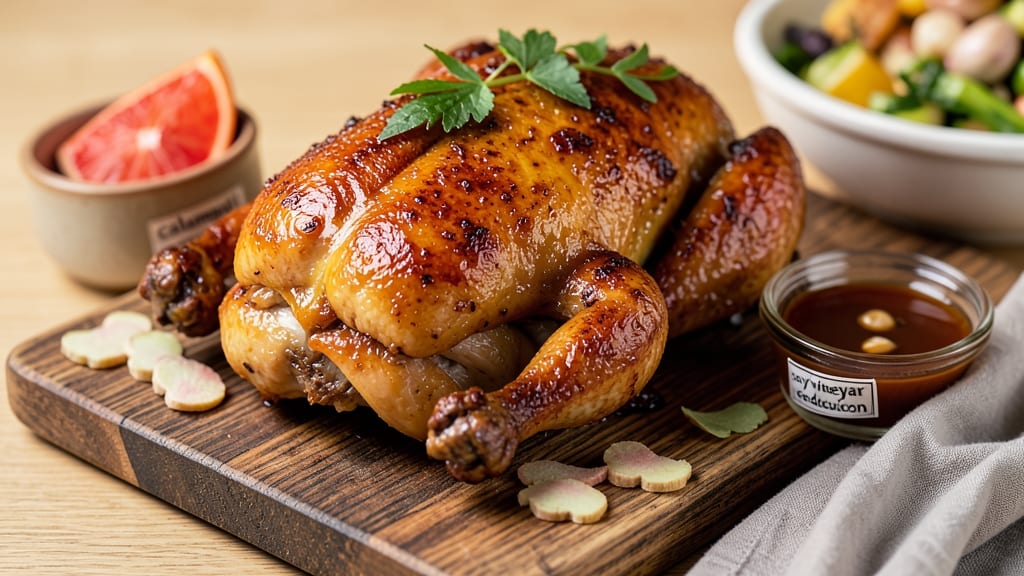
This bake whole chicken recipe panlasang Pinoy delivers restaurant-quality flavor with minimal effort—golden, caramelized skin and a rich soy-ginger gravy all in one pan. 🔥 The secret lies in marinating the chicken overnight with calamansi, soy sauce, and aromatic spices, then baking it uncovered for that signature crispy crust while the juices render into a savory pan sauce.
I've perfected this version after years of testing, ensuring every bite delivers authentic Filipino taste without requiring advanced techniques.
The beauty of this recipe is its simplicity: just a few key ingredients transform an ordinary chicken into something extraordinary. Soy sauce and vinegar create that signature tangy-savory flavor, while ginger and garlic add depth.
The chicken bakes at a moderate temperature, basting itself with its own juices for maximum flavor penetration. No need for complicated basting—just let the oven work its magic while you prepare your favorite Filipino sides like garlic rice or atchara.
What you'll end up with is a crispy, golden-brown chicken with tender, juicy meat that practically falls apart. The pan sauce reduces into a glossy, slightly sticky gravy that clings to every bite, packed with umami from the soy and bright notes from the calamansi.
The aroma alone will have everyone gathering in the kitchen, and the first bite will silence any doubters about homemade being better than takeout.
This recipe works equally well for family dinners or special occasions—just adjust the baking time slightly depending on your chicken's size. Serve with steamed vegetables or a simple salad to round out the meal. The leftovers reheat beautifully, making this a perfect make-ahead option for busy weeks. Let's get cooking!
Ingredients for bake whole chicken recipe panlasang pinoy
Golden skin meets sticky-sweet gravy—here's what transforms ordinary chicken into Filipino magic.
| Ingredient | Amount | Notes |
|---|---|---|
| Whole Chicken 🍗 | 4 lb | Medium-sized, giblets removed |
| Calamansi Juice 🍋 | ½ cup | Or substitute lime juice |
| Soy Sauce 🍶 | ⅓ cup | Light or regular, not low-sodium |
| White Vinegar 🍶 | ¼ cup | For tangy brightness |
| Fresh Ginger 🌿 | 2 tbsp | Finely grated, aromatic |
| Garlic Cloves 🧄 | 6 cloves | Minced for deep flavor |
| Brown Sugar 🍚 | ¼ cup | Packed, for caramelization |
| Black Peppercorns 🌶️ | 1 tsp | Freshly cracked for heat |
| Bay Leaves 🍃 | 2 whole | For aromatic depth |
| Olive Oil 🫒 | 2 tbsp | Extra-virgin for richness |
| Water 💧 | ½ cup | For marinade consistency |
| Salt 🧂 | 1 ½ tsp | Diamond Crystal preferred |
The chicken is non-negotiable—4 lbs gives you the perfect balance of crispy skin and juicy meat. Look for a medium-sized bird with good marbling near the thighs for extra flavor. Filipino markets or Asian grocery stores often carry whole chickens with better marbling than your average supermarket bird. If you can't find calamansi, lime juice works perfectly—just double the amount for brightness. The soy sauce should be light-colored (not dark or tamari) for that classic Filipino tang. I always grab the Lee Kum Kee brand when I'm at Trader Joe's—it's reliable and affordable.
No fresh ginger? Powdered ginger at half the amount gets you close, but fresh is ideal. The garlic can be roasted for a sweeter note—just toss the whole cloves in the oven at 400°F for 10 minutes before mincing. Brown sugar substitutes? White sugar plus 1 tsp molasses mimics the caramel depth. For extra richness, add 1 tbsp of coconut milk to the marinade. The bay leaves add subtle earthiness—don't skip them. If you're using a glass baking dish, lightly oil it first so the sauce doesn't stick like glue.
Marinate the chicken overnight for maximum flavor penetration. The skin crisps best when baked uncovered, so plan for a 1.5-hour bake time at 375°F. Leftovers reheat beautifully—just cover with foil and pop in the oven at 350°F for 20 minutes. The gravy thickens as it cools, so if it's too thin, simmer uncovered for 5 minutes. Store in the fridge for up to 4 days or freeze portions for 3 months. The skin stays crispy even after reheating if you broil it for 2 minutes at the end.
Why You'll Love This Recipe
- One-Pot Magic: Honestly, I dump everything—chicken, ginger, vinegar, soy—into one pan and walk away. No basting, no flipping, just set it and forget it while you chop veggies for the side.
- Citrus-Kissed Crisp: That calamansi juice? It’s the secret weapon—tenderizes the skin into golden perfection while keeping the meat juicy. The vinegar’s tang cuts through the richness, and the ginger adds this warm, spicy depth that makes it ridiculously addictive.
- Leftovers That Shine: Between us, this chicken tastes even better the next day. I’ll slice it thin, toss it with rice, and suddenly it’s a quick lunch or dinner—no reheating drama, just pure satisfaction.
- Budget-Friendly Feast: A whole chicken costs less than two breasts, and this method stretches it to feed four or five without breaking the bank. Plus, the leftovers? They’re my secret weapon for busy nights.
Step-by-step instructions for crispy panlasang pinoy chicken
Here's how to achieve that signature crispy crust and rich soy-ginger gravy—all in one pan.
👨🍳 Step 1: Marinate the Chicken for Maximum Flavor
In a large bowl, combine the 0.5 cup calamansi juice, 0.33 cup soy sauce, 0.25 cup white vinegar, 2 tbsp finely grated fresh ginger, 6 minced garlic cloves, 0.25 cup packed brown sugar, 1 tsp freshly cracked black peppercorns, 2 whole bay leaves, 2 tbsp olive oil, and 0.5 cup water. Stir until the brown sugar dissolves completely—this ensures even distribution of flavors.
Pat the 4 lb whole chicken completely dry with paper towels (this is non-negotiable for crispy skin), then place it in the marinade. Turn it to coat all sides thoroughly. Cover and refrigerate for at least 4 hours or up to 24 hours—the longer it marinates, the deeper the flavor penetration. I like to marinate overnight for maximum tenderness and flavor infusion.
🔥 Step 2: Prep and Preheat for Perfect Browning
Remove the chicken from the marinade (reserve the marinade) and let it sit at room temperature for 30 minutes before cooking. Preheat your oven to 375°F—this temperature gives you that perfect balance between crispy skin and tender meat. Place a rack in a deep baking dish or Dutch oven (I use a heavy oven-safe skillet) and position the chicken on top.
Here's the thing—don't skip the rack. It allows hot air to circulate underneath, preventing steam from turning your crispy crust soggy. Pour the reserved marinade into the bottom of the pan, making sure the chicken is elevated above the liquid. This creates a self-basting effect as the chicken cooks.
🔥 Step 3: Roast Until Golden and Gravy Thickens
Roast the chicken uncovered for 1 hour 15 minutes until the skin is deep golden brown and crispy, and the internal temperature reaches 165°F when measured in the thickest part of the thigh. I check the temperature after 50 minutes—if it's running hot, reduce to 350°F to prevent overcooking.
During the last 30 minutes, the marinade will bubble and reduce, creating a rich, glossy gravy in the pan. This is where all the magic happens—the caramelized sugars from the brown sugar combine with the soy sauce to create that signature sticky, savory sauce. If the pan gets too dry, add 2-3 tablespoons of water to prevent burning.
⏰ Step 4: Rest and Serve with Pan Sauce
Transfer the chicken to a cutting board and tent loosely with foil. Let it rest for 15 minutes—this crucial step allows the juices to redistribute throughout the meat. While it rests, place the baking dish on the stovetop over medium heat and simmer the pan sauce for 5-7 minutes until it thickens slightly and coats the back of a spoon.
Slice the chicken against the grain for maximum tenderness, then serve immediately with the pan sauce spooned generously over each portion. The result should be crispy, golden skin that shatters slightly when you cut into it, paired with that irresistible soy-ginger gravy that clings to every bite. Save any leftover sauce for drizzling over rice or noodles!
Pro Tips For Making Bake Whole Chicken Recipe Panlasang Pinoy
- USE HIGH HEAT FIRST: Start your chicken at 400°F (200°C) for the first 20 minutes—this sears the skin and locks in moisture before the marinade does its work. I learned this the hard way after ending up with a soggy, flavorless bird that tasted more like stew than panlasang pinoy.
- PEEL THAT GINGER THIN: Skip the grating or mincing—peel the ginger into paper-thin slices (about 1/16-inch thick) and place them directly on the chicken’s cavity and skin. It infuses flavor without turning the marinade into a muddy paste, and yes, even if you’re impatient like me, it’s worth the extra 30 seconds.
- DON’T OVERMARINATE: The calamansi-soy-vinegar mix is potent—30 minutes max is enough to brighten the chicken without making it taste like a pickle jar. I once left mine in overnight, and the result was a sad, overly sour bird that needed a whole rice bowl to fix.
- BASTE WITH THE DRIPPINGS: Every 15 minutes, pull the chicken out and spoon the pan’s sticky, caramelized drippings over the skin—this builds a glossy crust and deepens the umami. Sounds weird, but it works: the first time I did this, the skin actually crackled like a proper roast, not just dried out.
Flavor customization for this recipe
Sweet-Savory Balance
Adjust the brown sugar to soy sauce ratio for your preferred sweetness level. For a more pronounced caramelized crust, increase brown sugar to ⅓ cup while keeping soy sauce at ⅓ cup.
If you prefer tangier flavor, add 1 tbsp calamansi juice or extra white vinegar—this brightens the sauce beautifully. I find 1:1 ratio of brown sugar to soy sauce works perfectly for that classic Filipino sweet-savory harmony. 🍯
Spicy Kick Options
For heat lovers, add 1 tbsp chopped siling labuyo (Filipino chili) or ½ tsp cayenne pepper to the marinade. If you want smoky depth, include 1 tsp smoked paprika or ½ tsp ground annatto for that signature Filipino "achuete" color.
For a milder spice, try 1 tsp ground black pepper instead—it adds warmth without overpowering the soy-ginger base.
Herb Variations
Swap out bay leaves for cilantro stems or thyme sprigs for a different aromatic profile. Fresh lemongrass (2 inches, bruised) adds a citrusy note that pairs wonderfully with the calamansi.
I also love adding 1 tbsp chopped shallots to the marinade for a milder onion flavor that doesn't overpower the dish. These herbs infuse subtle complexity without altering the core flavors.
Creamy Twist
For a richer sauce, stir in 2 tbsp coconut milk during the final simmering step. This creates a velvety texture that balances the soy sauce's saltiness. Another option is to add 1 tbsp cream cheese to the pan sauce after removing the chicken—it melts beautifully into the gravy.
For a lighter approach, use 1 tbsp Greek yogurt instead. These additions work especially well with milder chicken varieties.
Umami Boosters
Enhance the savory depth by adding 1 tbsp fish sauce (like Red Boat) to the marinade. For a vegetarian option, use 1 tbsp soy sauce reduction** (simmer ¼ cup soy sauce until thickened).
I also recommend adding 1 tsp oyster sauce to the pan sauce during the final simmer—it adds a luxurious umami richness that elevates the dish to restaurant quality. 💫
Regional Filipino Twists
For a Tagalog-style version, add 1 tbsp vinegar and ½ tsp ground white pepper to emphasize the tangy profile. Visayan cooks often include 1 tsp ground coriander for a citrusy aroma.
In Mindanao, they might add 1 tsp ground nutmeg for warmth. Each regional variation keeps the core soy-ginger foundation while adding subtle local character—experiment to find your favorite! 🗺️
Nutrition facts
Frequently asked questions
Can I use a different citrus instead of calamansi?
If you can't find calamansi, use lime juice (double the amount) or a mix of lemon juice and a pinch of salt. The key is the acidity—it tenderizes the chicken and balances the soy sauce's saltiness. For extra authenticity, add a few drops of calamansi extract if available at Asian markets.
How do I know when the chicken is fully cooked?
Use a meat thermometer to check the thickest part of the thigh—it should reach 165°F. The skin will be deep golden brown and crispy, while the juices should run clear when pierced. If you're unsure, cut into the thigh joint to check for pink meat (none should remain). The pan sauce should also thicken noticeably by the end of cooking.
What's the best way to crisp up the chicken skin?
Pat the chicken completely dry before marinating—this is the #1 secret for crispy skin. After baking, broil for 2-3 minutes to intensify the color and crispiness. For extra crunch, place the chicken skin-side up on a wire rack over a baking sheet during the last 10 minutes of cooking. Avoid covering it with foil during baking.
Can I make this recipe without a rack in my baking dish?
Yes, but your chicken might not get as crispy. Place the chicken on a bed of chopped vegetables (like onions or carrots) or crushed potatoes to elevate it slightly. Another trick: use a wire cooling rack placed over a sheet pan—just make sure it fits safely in your oven. The extra airflow prevents steam buildup under the skin.
How do I store leftovers to keep the skin crispy?
Let the chicken cool completely, then store it in an airtight container with the pan sauce spooned over the top. Reheat in the oven at 350°F for 15-20 minutes, then broil for 2 minutes to restore crispiness. For extra crunch, sprinkle a little water on the skin before reheating and cover with foil. Leftovers keep well for 4 days in the fridge or 3 months frozen.