
Main Courses
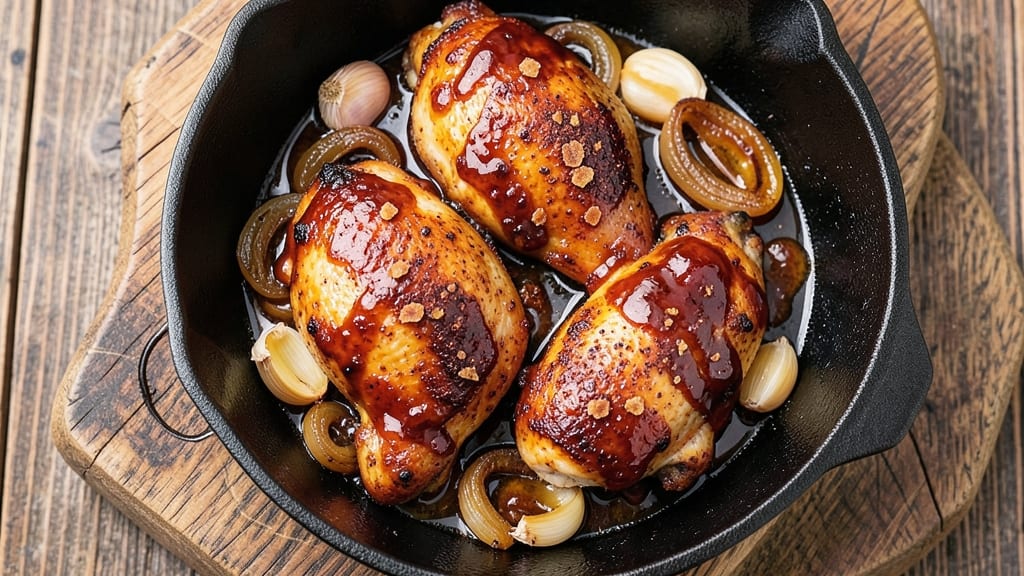
This baked barbecue chicken quarters recipe delivers restaurant-quality flavor without the smoky grill—just a honey-smoke glaze that caramelizes into irresistible richness.
The secret lies in a perfect balance of sweetness and smokiness, achieved through a simple marinade and baking technique that keeps the meat tender and juicy while developing a deep, complex flavor profile.
I've perfected this method over countless summer cookouts, ensuring every bite has that signature barbecue taste with crispy, caramelized edges.
What sets this recipe apart is the honey-smoke glaze, which transforms ordinary chicken quarters into finger-licking masterpieces. You'll start with a dry rub of spices that penetrate the meat, followed by a marinade that infuses flavor deep into the muscle fibers.
The baking process allows the glaze to caramelize beautifully, creating a sticky, flavorful crust that's impossible to resist. This method delivers consistent results every time—no guesswork, no overcooked chicken, just perfectly seasoned, tender meat with that unmistakable barbecue aroma.
The end result is chicken quarters that are golden brown and glistening with caramelized glaze, offering a perfect balance of sweet, smoky, and savory flavors. The meat stays juicy and tender, with crispy edges that add texture and depth.
This recipe is designed to impress whether you're hosting a backyard gathering or simply craving a satisfying weeknight meal. The glaze can be adjusted to suit your taste—more honey for sweetness, more smoke for depth, or a perfect blend of both.
Serve these barbecue chicken quarters with classic sides like cornbread, coleslaw, or roasted potatoes to complete the meal. The rich, smoky flavor pairs beautifully with these accompaniments, creating a full barbecue experience without the need for a grill.
Once you try this recipe, you'll never settle for anything less than homemade barbecue chicken again.
Ingredients for baked barbecue chicken quarters
This honey-smoke glaze transforms simple chicken quarters into restaurant-worthy barbecue masterpieces.
| Ingredient | Amount | Notes |
|---|---|---|
| Chicken Quarters 🍗 | 2 lb | Bone-in, skin-on for best flavor |
| Honey 🍯 | ½ cup | Raw or pure for optimal caramelization |
| Smoked Paprika 🌶️ | 2 tbsp | For authentic smoky depth |
| Brown Sugar 🍚 | ¼ cup | Light or dark works equally |
| Apple Cider Vinegar 🍎 | ¼ cup | Enhances tangy balance |
| Garlic Cloves 🧄 | 4 cloves | Minced for even distribution |
| Onion Powder 🧅 | 1 tbsp | Freshly ground preferred |
| Ground Black Pepper 🌶️ | 1 tsp | Freshly cracked for intensity |
| Salt 🧂 | 1 ½ tsp | Diamond Crystal kosher salt |
| Olive Oil 🫒 | 2 tbsp | Extra-virgin for richness |
| Mustard Powder 🍯 | 1 tsp | Adds subtle tang |
| Cayenne Pepper 🔥 | ½ tsp | Adjust for heat preference |
| Fresh Rosemary 🌿 | ¼ cup | Chopped, for aromatic depth |
| Fresh Thyme 🌿 | ¼ cup | Leaves only, finely chopped |
The chicken quarters are the foundation—bone-in, skin-on pieces give you that crispy, caramelized crust you crave. Look for uniform-sized quarters at your local butcher or grocery store's meat department, as even cooking is key. I always grab mine from Whole Foods or Costco when I can—they handle the meat with more care. Freshness matters here, so use within 3 days of purchase. If you're prepping ahead, store the raw chicken in a sealed container in the coldest part of your fridge. The glaze ingredients? Penzeys or bulk bins for spices, and always opt for raw honey—it caramelizes better than processed versions.
No smoked paprika? Regular paprika plus a dash of liquid smoke works in a pinch, though it won't be identical. The honey can be swapped for maple syrup if you're avoiding it, but the flavor profile shifts slightly. Fresh herbs are ideal, but dried thyme at half the amount gets you close. For extra smokiness without cayenne, add a pinch of smoked salt. The brown sugar can be light or dark—dark adds more molasses flavor. And if you're short on time, the dry rub can be made a day ahead and stored in an airtight container. Just shake it up before using to distribute the spices evenly.
This glaze is magic after baking—it thickens beautifully and creates that perfect sticky crust. For best results, let the chicken rest 10 minutes after baking before serving, so the juices redistribute. The glaze keeps well in the fridge for 1 week in a sealed jar, so you can make extra for future meals. If you're serving a crowd, double the recipe—it reheats beautifully in the oven at 300°F for 10 minutes. I always make a big batch and freeze portions of the glaze separately to save time later. The chicken itself? 3 days max in the fridge, or freeze cooked portions for 3 months.
Why You'll Love This Recipe
- One-Pan Magic: I swear by this recipe when I’m too tired to scrub pots—just toss the quarters on a sheet pan, slather them with that sticky-sweet honey-brown sugar glaze, and let the oven do the work. The vinegar keeps it from drying out, and the paprika gives it that smoky depth without any fuss.
- Sweet-Smoky Obsession: That first bite? Crispy skin, tender meat, and a glaze so perfectly balanced between smoky paprika and caramelized honey—it’s like a BBQ restaurant in my kitchen. The apple cider vinegar cuts through the sweetness just enough to make it ridiculously addictive.
- Tailgate or Tuesday: Between us, this is my go-to for game days and lazy nights. The quarters are big enough to share but easy enough to eat with one hand—no forks required. Double the batch, and you’ve got leftovers for lunch the next day (trust me, they reheat like a dream).
- Budget Win: Chicken quarters are cheaper than breasts, and this recipe stretches them further with that rich, flavor-packed glaze. I’ll be real: I’ve made this for $10 and fed four people—plus, the leftovers turn into the best chicken salad the next morning. Minimal cost, maximum satisfaction.
Step-by-step instructions for honey-smoke glazed chicken quarters
This method delivers restaurant-quality caramelized glaze with tender, juicy meat every time.
Prepare the Chicken and Dry Rub
Pat the 2 lb chicken quarters completely dry with paper towels—this is crucial for crispy skin. Remove any excess fat but leave the skin intact for maximum flavor. In a small bowl, combine the 2 tbsp smoked paprika, 1 tbsp onion powder, 1.5 tsp salt, 1 tsp ground black pepper, 1 tsp mustard powder, and 0.5 tsp cayenne pepper. Rub this mixture all over the chicken quarters, pressing it into the skin and crevices.
Next, mix the 0.25 cup chopped fresh rosemary and 0.25 cup chopped fresh thyme with the remaining seasoning. Sprinkle this herb blend evenly over the chicken, letting the aromatics adhere to the skin. Place the seasoned chicken quarters on a wire rack set over a baking sheet and refrigerate uncovered for 30 minutes. This resting time allows the seasoning to penetrate and the skin to dry further, setting the stage for that perfect caramelized crust.
Create the Honey-Smoke Glaze
In a small saucepan, combine the 0.5 cup honey, 0.25 cup brown sugar, 0.25 cup apple cider vinegar, and the 4 minced garlic cloves. Bring to a gentle simmer over medium heat, stirring constantly to dissolve the sugar completely. This should take about 3-4 minutes—watch carefully as the mixture will bubble vigorously.
Once dissolved, reduce the heat to low and let the glaze simmer for 5-6 minutes until it thickens slightly and coats the back of a spoon. The color should deepen to a rich amber hue, and you'll notice a complex aroma combining sweet, tangy, and smoky notes. Remove from heat and stir in the 2 tbsp olive oil, which will help create a glossy finish on the chicken. Let the glaze cool slightly while you preheat your oven.
Bake the Chicken to Juicy Perfection
Preheat your oven to 375°F. Once hot, place the seasoned chicken quarters on a baking sheet lined with aluminum foil (for easy cleanup) and brush them generously with the honey-smoke glaze, coating all sides. Bake for 45 minutes, then flip the quarters and brush with another layer of glaze. Return to the oven and bake for another 30 minutes, or until the internal temperature reaches 175°F when measured in the thickest part of the meat.
During the last 10 minutes of baking, increase the oven temperature to 425°F. This broil step creates that beautiful caramelized crust we're after. Watch closely as the glaze bubbles and darkens—you'll see it develop a deep mahogany color and thicken into a sticky glaze. The chicken skin should be crispy and the meat should pull away from the bone easily when tested with a fork.
Rest and Serve with Glazed Grandeur
Remove the chicken from the oven and transfer it to a cutting board. Let it rest for 10-15 minutes before serving—this crucial step allows the juices to redistribute throughout the meat, ensuring each bite is moist and flavorful. During this time, you can brush any remaining glaze from the baking sheet onto the chicken for maximum flavor impact.
Slice the chicken quarters through the joints and serve immediately with the rich, caramelized glaze pooling over each piece. The combination of tender, juicy meat with the complex sweet-tangy-smoky glaze creates a dish that's perfect for family dinners or special occasions. The crispy skin contrasts beautifully with the sticky glaze, making every bite an experience worth savoring.
Pro Tips For Making Baked Barbecue Chicken Quarters
- CRANK THE HEAT FIRST: Start your chicken quarters at 425°F (220°C) for the first 15 minutes—this caramelizes the brown sugar and honey fast, giving you that deep, sticky glaze before the oven cools down. I used to bake at 375°F the whole time, and the sauce just turned into a sad syrup clinging to the tray.
- PAT THE DRY CHICKEN: Wipe the raw quarters thoroughly with paper towels before seasoning—moisture is the enemy of that crispy, caramelized crust. I learned this the hard way when my first batch turned out sticky and pale instead of golden. Trust me, this step makes a real difference.
- DON’T SKIP THE VINEGAR REST: Let the chicken marinate in the apple cider vinegar mixture for at least 30 minutes (or overnight if you’re patient). The acid tenderizes the meat and balances the sweetness—skipping it means tougher chicken and a sauce that tastes one-note. Yes, even if you’re impatient like me.
- BAKE TWO RACKS AT ONCE: Use two wire racks on baking sheets instead of crowding the tray—this lets hot air circulate so the quarters crisp up instead of steaming. I was skeptical until I tried it: the skin gets crackling, and the sauce doesn’t turn into a watery mess. (Your future self will thank you.)
Troubleshooting this dish
Dry Skin Woes
If your chicken quarters emerge with dry, unappetizing skin, you likely didn't dry them thoroughly before seasoning or baked them too long. Pat the chicken extremely dry with paper towels before applying the dry rub—this removes moisture that prevents crisping.
For extra insurance, chill the seasoned chicken uncovered on a wire rack for 30 minutes before baking. This dries the surface further and helps the skin render fat properly. 🌡️
Another common mistake is overcrowding the baking sheet. Leave at least 1 inch of space between quarters so hot air circulates freely. If using a broiler, reduce heat to high (not maximum) to avoid burning the glaze before the skin crisps.
For stubborn dryness, brush with 1 tbsp olive oil before applying the glaze—this adds moisture while still allowing crisping.
Glaze Too Thin
A runny glaze usually means insufficient reduction time or too much liquid. Always simmer the glaze until it coats the back of a spoon—this typically takes 5-6 minutes on low heat.
If your glaze is still watery after baking, return the chicken to the oven at 350°F for 5-10 minutes uncovered to thicken it further. For next time, reduce the apple cider vinegar by 2 tbsp or increase simmering time by 2 minutes.
If the glaze separates or looks oily, your honey may have been processed (not raw). Raw honey contains more moisture and natural enzymes that create a thicker, more stable glaze.
For an emergency fix, whisk in 1 tsp cornstarch mixed with 1 tsp water and simmer for 1 minute to restore thickness. I keep a small jar of raw honey from Local Honey Co-op on hand specifically for this recipe—it makes all the difference. 🍯
Undercooked Chicken
Chicken quarters need to reach 175°F internal temperature in the thickest part (not just the breast). Use a meat thermometer inserted into the thigh—this is the last part to cook.
If your chicken hits 165°F but feels underdone, return it to the oven for 5-10 minutes at 325°F with a fresh glaze brush. The 175°F target accounts for carryover cooking during resting.
For even cooking, consider starting with smaller quarters (about 6-8 oz each) if your oven runs hot. If you're using a dark baking sheet, transfer to a light-colored foil-lined pan halfway through cooking to prevent overheating.
I always bake mine on perforated parchment for better airflow—this helps distribute heat evenly and prevents hot spots. 🔥
Uneven Glaze Coverage
Uneven glaze often results from not brushing thoroughly enough or using too little glaze. After the first 45 minutes of baking, flip the quarters and generously reapply glaze to all sides—don't skip the underside!
For stubborn spots, use a pastry brush for precision. If your glaze is too thick to spread easily, warm it gently in the microwave for 10-15 seconds to loosen it.
For next time, make extra glaze—you'll need about ¼ cup total for two quarters. Store any leftover glaze in an airtight container in the fridge for up to 1 week.
I double the recipe when cooking for a crowd and freeze half in ice cube trays for single-use portions later. The glaze reheats beautifully in the microwave or oven, making it perfect for last-minute touches. ✨
Nutrition facts
Frequently asked questions
Can I use chicken thighs instead of quarters for this recipe?
Chicken thighs work beautifully with this honey-smoke glaze. Use 4 bone-in, skin-on thighs (about 2 lb total) and adjust baking time to 50-55 minutes at 375°F, flipping halfway. Thighs stay juicier longer and develop even more flavor from the glaze. The cooking time increases slightly because thighs have more fat and connective tissue.
How do I make this recipe spicier?
For extra heat, add 1-2 tsp cayenne pepper to the dry rub or 1 tbsp hot sauce to the glaze. You can also sprinkle ½ tsp crushed red pepper flakes over the chicken before the final broil step. For a smoky kick, swap ½ tsp smoked paprika for ½ tsp chipotle powder in the glaze. Always taste as you go!
Can I prepare this ahead of time for a meal?
Yes! Marinate the chicken quarters overnight for deeper flavor. For make-ahead convenience, bake the chicken 2 days ahead, let it cool, then refrigerate in an airtight container. Reheat in a 350°F oven for 15-20 minutes with a fresh glaze brush. The glaze reheats beautifully—just warm it gently in the microwave for 30 seconds before brushing.
What's the best way to serve these chicken quarters?
These glazed quarters shine with classic barbecue sides like creamy coleslaw, cornbread, or roasted sweet potato wedges. For a complete meal, add pickled jalapeños or sliced avocado for freshness. Serve with warm dinner rolls and buttermilk biscuits to soak up the sticky glaze. The smoky-sweet flavor pairs perfectly with tangy drinks like iced tea or light beer.
Why did my chicken skin turn rubbery instead of crispy?
Rubbery skin usually means the chicken wasn't dried properly before seasoning or baked too long. Always pat the chicken extremely dry with paper towels before applying the rub. For extra crispiness, chill the seasoned chicken uncovered on a wire rack for 30 minutes before baking. If the skin still seems tough, try brushing with 1 tbsp olive oil** before applying the glaze next time.