
Main Courses
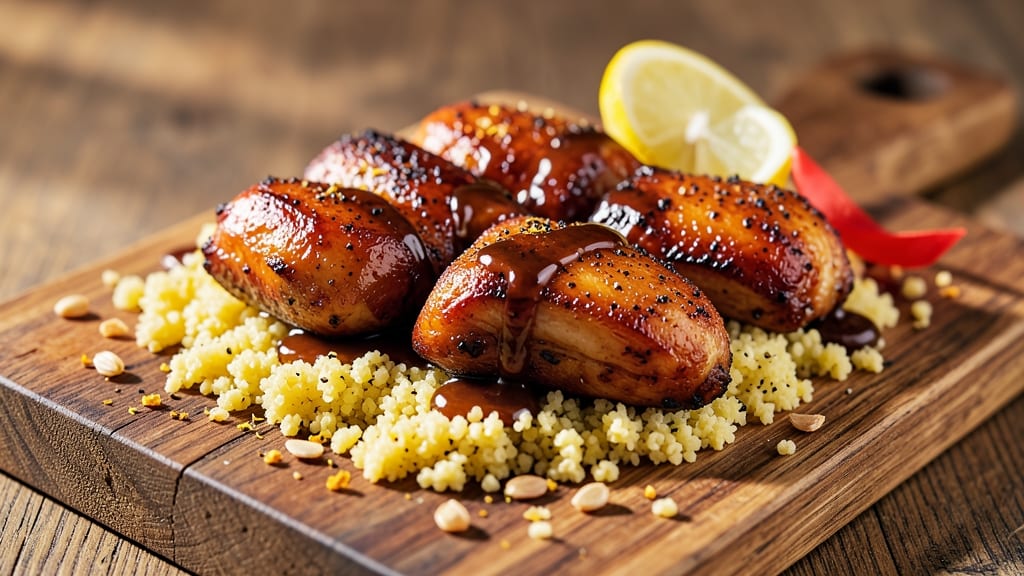
This baked chicken gizzard recipe transforms tough gizzards into a crispy, juicy centerpiece with the right technique—one that eliminates gamey flavors while maximizing texture contrast. This baked chicken gizzard recipe delivers a restaurant-worthy dish with tender interiors and golden, crackling exteriors, all achieved through precise preparation and seasoning balance.
The key lies in thorough cleaning and a marinade that transforms tough offal into something irresistibly savory.
Most home cooks avoid gizzards due to their strong flavor, but this method neutralizes that characteristic taste while preserving the meat's natural richness. You'll start with a foolproof cleaning process that removes bitterness, followed by a marinade that tenderizes and infuses flavor.
The baking technique ensures even cooking—no more dry, rubbery results. With just 45 minutes of active prep and 30 minutes in the oven, you'll have a dish that impresses even skeptical guests.
What sets this recipe apart is the dual-texture outcome: crispy, caramelized edges that shatter with each bite and moist, melt-in-your-mouth centers. The seasoning blend—garlic, paprika, and lemon—creates a bright, aromatic crust that cuts through the richness.
Serve with a tangy dipping sauce or alongside roasted potatoes for a complete meal. This isn't just offal; it's a transformed protein with restaurant-quality appeal.
The beauty of this method is its versatility. Use it as a main course for game day or a special dinner, or incorporate it into salads and sandwiches for a protein-packed twist. Leftovers reheat beautifully, making it perfect for meal prep.
Whether you're a seasoned cook or new to offal, this recipe delivers professional results with simple techniques. Let's get started—your taste buds will thank you.
Ingredients for baked chicken gizzard
Transform tough gizzards into crispy, restaurant-quality bites with these carefully chosen ingredients.
| Ingredient | Amount | Notes |
|---|---|---|
| Chicken Gizzards 🍗 | 1 ½ lb | Fresh, thoroughly cleaned |
| Extra-Virgin Olive Oil 🫒 | ¼ cup | High-quality, fruity variety |
| Fresh Lemon Juice 🍋 | ½ cup | Freshly squeezed, strained |
| Garlic Cloves 🧄 | 6 cloves | Peeled, finely minced |
| Smoked Paprika 🌶️ | 1 tbsp | For deep, smoky flavor |
| Ground Black Pepper 🌶️ | 1 tsp | Freshly ground preferred |
| Diamond Crystal Kosher Salt 🧂 | 1 ½ tsp | For balanced seasoning |
| Fresh Thyme Leaves 🌿 | ¼ cup | Finely chopped, stems removed |
| Fresh Rosemary 🌿 | ¼ cup | Finely chopped, fresh preferred |
| All-Purpose Flour 🌾 | ½ cup | For dredging, light coating |
| Cornstarch 🌾 | 2 tbsp | For extra crispiness |
| Butter 🧈 | 2 tbsp | Melted, unsalted preferred |
| Fresh Parsley 🌿 | ¼ cup | Chopped, for garnish |
The foundation starts with fresh chicken gizzards—never frozen for this recipe, as they retain too much moisture. Source from a trusted butcher or poultry counter where they're cleaned on-site (look for bright red color, not grayish or slimy). Whole Foods Market or local specialty butchers often carry the best quality, though standard grocery stores like Kroger or Publix will have them too. Cleaning is critical: rinse thoroughly under cold water, then soak in lemon juice for 20 minutes to neutralize bitterness. Pat completely dry before proceeding—any moisture will prevent crispiness. For the herbs, fresh thyme and rosemary from the grocery's produce section (not the dried aisle) provide the most aromatic punch, but if you're in a pinch, dried works at half the amount.
No smoked paprika? Sweet paprika plus a pinch of liquid smoke mimics the depth, though the flavor won't be identical. Substituting lemon juice? White wine vinegar works in a 1:1 ratio, but it adds a sharper tang. For the dredge, cornstarch is non-negotiable—it creates that signature shatter. If you're out, all-purpose flour plus an extra tablespoon of cornmeal gets close. The butter should be unsalted (trust me on this) to avoid over-salting the final dish. As for the parsley, it's purely decorative, but cilantro makes a bright alternative if you're feeling adventurous. Store-bought gizzards? Avoid pre-marinated varieties—their added sugars caramelize too quickly and mask the natural flavor transformation we're aiming for.
Freshly cleaned gizzards keep in the fridge for up to 2 days before marinating, but work with them as soon as possible for peak texture. The marinade components (olive oil, lemon, herbs) can be prepped 1 day ahead and stored in an airtight container. Once breaded, gizzards lose crispiness after 2 hours at room temperature, so bake immediately. Leftovers reheat best in a 350°F oven for 10-12 minutes on a wire rack—this prevents sogginess. For meal prep, portion into single-serving containers with a sprinkle of salt to maintain texture. The crispy crust freezes beautifully for up to 3 months if sealed in a ziplock bag with parchment paper between layers.
Why You'll Love This Recipe
- One-Pan Wonder: I swear by this recipe when I’m short on time—just gizzards, flour, and a few herbs on a single sheet pan. No frying, no mess, and the oven does all the work while I sip my coffee.
- Smoky-Citrus Magic: That combo of smoked paprika and lemon juice? It’s like a flavor explosion in your mouth. The crispy crust gives way to tender meat with a bright, herby finish that’s impossible to resist.
- Budget Crowd-Pleaser: A pound of gizzards feeds four easily, and they’re way cheaper than chicken thighs. My college roommates used to fight over these—turns out, everyone loves a crispy, flavorful bite that doesn’t break the bank.
- Weeknight Workhorse: Between us, this is my go-to when I’m too tired to fuss. The marinade can sit overnight, and the baking? Set it and forget it. Even my picky husband asks for seconds—now that’s a win.
Step-by-step instructions for baked chicken gizzards
Transform tough gizzards into tender, aromatic bites with this method designed for maximum flavor extraction.
Prepare the Gizzards for Maximum Flavor Extraction
Begin by thoroughly cleaning the 1.5 lb chicken gizzards under cold running water, ensuring all connective tissue is removed. This step is critical—any remaining membrane will prevent proper tenderness. Pat them completely dry with paper towels, pressing firmly to eliminate all moisture. Transfer them to a bowl and add the 0.5 cup fresh lemon juice. Let them marinate for 30 minutes at room temperature. The acidity begins breaking down the proteins, reducing gamey flavors while tenderizing the meat.
While they marinate, prepare the aromatic paste by combining the 6 cloves garlic cloves (finely minced), 0.25 cup fresh thyme leaves, and 0.25 cup fresh rosemary in a food processor. Pulse until you achieve a coarse paste with visible texture—this ensures even distribution of flavor. Transfer this mixture to a small bowl and set aside. The garlic's intensity will mellow during baking but remains essential for depth.
Create the Crispy Coating and Seasoning
In a shallow dish, whisk together the 0.5 cup all-purpose flour and 2 tbsp cornstarch—this combination creates a lighter, crispier crust than flour alone. Add the 1 tbsp smoked paprika, 1 tsp ground black pepper, and 1.5 tsp diamond crystal kosher salt, mixing thoroughly. The cornstarch acts as a binder while promoting that coveted crunch.
Remove the gizzards from the lemon juice, shaking off excess liquid, and pat them dry once more. Working in batches, toss each gizzard in the flour mixture until fully coated, pressing gently to adhere. The coating should be even but not thick—approximately 1/8-inch—to ensure crispiness without blocking heat penetration. Transfer coated gizzards to a plate and set aside while you prepare the baking setup.
Bake with Dual Heat Sources for Even Cooking
Preheat your oven to 425°F with the rack positioned in the lower third of the oven. Place a wire rack on a baking sheet lined with parchment paper. Arrange the coated gizzards on the rack in a single layer, leaving 1 inch between each piece for proper air circulation. This spacing prevents steaming, which would soften the crust.
In a small saucepan, heat the 0.25 cup extra-virgin olive oil and 2 tbsp butter over medium heat until the butter melts and the mixture reaches 350°F. Using a pastry brush, generously coat the tops of all gizzards with this oil-butter mixture. Immediately transfer the baking sheet to the oven and bake for 20 minutes. The high heat initiates browning while the fat bastes the meat.
Finish with Aromatic Infusion and Crisping
After 20 minutes, remove the gizzards from the oven and increase the oven temperature to 450°F. Spread the prepared garlic-herb paste evenly over each gizzard, pressing gently to ensure contact with the meat. Return the baking sheet to the oven and bake for an additional 12-15 minutes, or until the gizzards reach an internal temperature of 165°F and the crust is deep golden brown with visible crisping.
The high finish temperature ensures the crust achieves maximum crispiness while the internal temperature guarantees juiciness. Watch closely during the final minutes—overcooking can dry out the gizzards. Remove from the oven and let rest for 5 minutes before serving, allowing juices to redistribute.
Garnish and Serve for Optimal Presentation
Transfer the gizzards to a serving platter and sprinkle generously with the 0.25 cup fresh parsley, chopped finely. The parsley adds freshness that cuts through the richness of the crispy crust. Serve immediately with lemon wedges on the side, allowing diners to accentuate the bright citrus notes if desired.
Each gizzard should yield to gentle pressure with a fork, indicating proper tenderness, while maintaining a crisp exterior that shatters slightly. The garlic-herb paste should be visible beneath the crust, signaling successful flavor infusion. Pair with crusty bread to soak up any accumulated juices and complete the presentation.
Pro Tips For Making Baked Chicken Gizzard
- Press the Crust Hard: That 1/8-inch flour coating won’t stick if you’re shy with the pressing—gizzards are slippery, and the crust needs grip. Work in batches, use your fingers, and don’t hesitate to press firmly into every crevice. I learned this the hard way when half my batch lost its coating mid-bake.
- Don’t Skip the Wire Rack: Crowding gizzards on a sheet pan turns your crispy dream into a soggy nightmare. The wire rack lets hot air circulate underneath, so the bottom gets golden too. If you’re short on racks, use a baking sheet with slits cut into the parchment—it’s not perfect, but it’s better than nothing.
- Strain That Lemon Juice: A pulp-filled marinade sounds rustic, but it’s a flavor disaster. Straining the lemon juice removes seeds and fibrous bits that’ll make your gizzards taste bitter. Trust me, your mouth will notice the difference—especially when paired with the smoky paprika.
- Brush Fat After Preheating: The oil-butter mix needs to hit the gizzards hot—right after the oven’s preheated. If you brush them earlier, the fat cools and soaks into the coating instead of basting. Wait until the last second, then work fast. The first 20 minutes of baking are when the magic happens.
Dietary considerations for this recipe
Gluten-Free Adaptation
The crispy coating relies on all-purpose flour and cornstarch, but you can easily adapt this for gluten-free diets. Replace the 0.5 cup flour with 0.5 cup gluten-free all-purpose flour blend (like Bob's Red Mill 1:1) and add 1 tbsp cornstarch to maintain crispiness.
For extra crunch, use almond flour—mix 0.3 cup almond flour with 0.2 cup cornstarch. The texture will differ slightly but still deliver that satisfying crunch. 🌾
Low-Carb/Keto Version
This recipe is naturally low-carb, but you can optimize it further by eliminating the flour coating entirely. Instead, coat the gizzards in 2 tbsp cornstarch mixed with 1 tbsp smoked paprika and 1 tsp salt.
Skip the flour step—cornstarch alone creates a crispy, golden crust. For extra flavor, brush with 2 tbsp olive oil before baking. The result is a keto-friendly dish with less than 3g net carbs per serving.
Dairy-Free Modifications
The recipe includes butter, but you can easily make it dairy-free. Replace the 2 tbsp butter with 2 tbsp dairy-free butter (like Miyoko's or Earth Balance) or 2 tbsp olive oil.
The olive oil adds a subtle fruity note that pairs beautifully with the garlic-herb paste. For the coating, ensure your flour blend is certified dairy-free if you're avoiding all dairy traces.
Allergen Considerations
Gizzards are naturally nut-free, soy-free, and egg-free, making them a safe protein for many allergies. However, always check your flour blend for cross-contamination warnings if you're avoiding gluten or other allergens.
For a nut-free kitchen, use a dedicated flour dredge station or clean surfaces thoroughly between uses. If you're avoiding corn (common in cornstarch), substitute with arrowroot powder in equal amounts.
Vegetarian Substitutes
While chicken gizzards aren't vegetarian, you can recreate the crispy texture using hearts of palm or king oyster mushrooms. Slice the mushrooms into ½-inch thick rounds and follow the same marinade and breading process.
For hearts of palm, cut into ½-inch chunks and marinate for 45 minutes in the lemon-herb mixture. The result mimics the tender, juicy texture of gizzards with a meaty bite. 🌱
Nutrition facts
Frequently asked questions
Why do chicken gizzards need marinating before cooking?
The 30-minute lemon juice marinade works magic by breaking down tough proteins and neutralizing any gamey flavors. The acidity tenderizes the meat while the citrus brightens the final taste. Skipping this step risks a tough, bitter result—don't skip it!
Can I use frozen chicken gizzards for this recipe?
No—fresh gizzards are essential for this method. Frozen ones retain too much moisture, preventing the crispy crust. If you must use frozen, thaw them overnight in the fridge first, then follow the cleaning steps exactly. The texture difference is noticeable!
How do I know when the gizzards are fully cooked?
They're done when the internal temperature hits 165°F and the crust is deep golden brown. Use a meat thermometer to check—overcooking dries them out. The 12-15 minute final bake at 450°F ensures perfect doneness every time.
What's the best way to reheat leftover gizzards?
Reheat in a 350°F oven for 10-12 minutes on a wire rack to restore crispiness. Microwaving makes them soggy—this method keeps the texture intact. For extra crunch, broil for 2-3 minutes at the end.
Can I make this recipe ahead of time?
Prep the marinade 1 day ahead and store it in an airtight container. For best results, bake fresh—coated gizzards lose crispiness after 2 hours at room temperature. If you must prep ahead, bread them just before baking.