
Main Courses
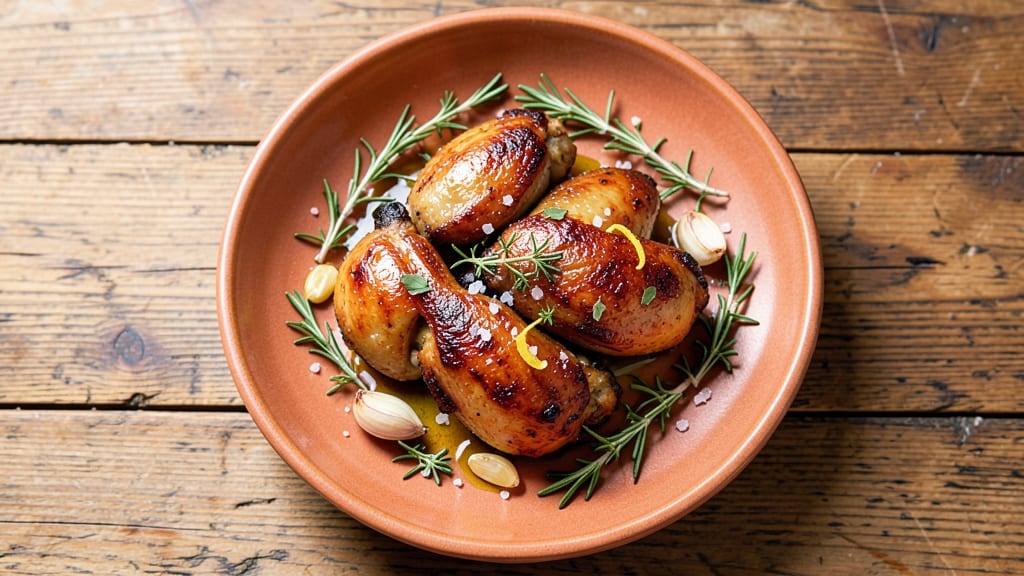
This baked chicken hearts recipe transforms a often-overlooked cut into crispy, umami-packed bites that rival any appetizer. The secret lies in their unique texture—tender yet firm—paired with a savory crust that locks in rich, meaty flavor. Perfect for zero-waste cooking, these hearts deliver restaurant-quality results with minimal effort.
What sets chicken hearts apart is their concentrated flavor and satisfying bite, far more intense than breast or thigh meat. The key technique involves brining for tenderness and a high-heat bake to achieve that crispy exterior while keeping the interior juicy.
This method ensures every bite delivers bold, savory satisfaction without the guesswork.
By the time they emerge from the oven, your chicken hearts will be golden-brown and irresistibly crispy on the outside, with a tender, flavorful interior that practically melts in your mouth.
The aroma alone transforms any meal into something special, making this a standout dish for dinner parties or weeknight dinners alike.
Pair with a bright citrus dip or fresh herbs to balance the richness, or serve alongside roasted vegetables for a complete, zero-waste meal. The versatility of this recipe makes it equally at home as an appetizer or main course—proving that even lesser-known cuts can shine with the right technique.
Ingredients for baked chicken hearts
Transform overlooked chicken hearts into crispy, umami-rich bites using these carefully selected ingredients.
| Ingredient | Amount | Notes |
|---|---|---|
| Chicken Hearts 🍗 | 1 ½ lb | Fresh, trimmed of excess fat |
| Extra-Virgin Olive Oil 🫒 | ¼ cup | High-quality, fruity variety |
| Diamond Crystal Kosher Salt 🧂 | 1 ½ tbsp | For brining and seasoning |
| Garlic Cloves 🧄 | 6 cloves | Minced, for marinade |
| Fresh Rosemary 🌿 | ¼ cup | Finely chopped, fresh preferred |
| Fresh Thyme Leaves 🌿 | ¼ cup | Finely chopped, fresh preferred |
| Smoked Paprika 🌶️ | 1 tbsp | For umami depth |
| Ground Black Pepper 🌶️ | 1 tbsp | Freshly ground preferred |
| All-Purpose Flour 🌾 | ½ cup | For dredging, light coating |
| Cornstarch 🌾 | ¼ cup | For extra crispiness |
| Lemon Juice 🍋 | 2 tbsp | Freshly squeezed |
| Fresh Parsley 🌿 | ⅛ cup | Chopped, for garnish |
| Water 💧 | 1 cup | For brining solution |
The quality of chicken hearts makes all the difference—opt for fresh, trimmed hearts from a trusted butcher or specialty grocer like Whole Foods or Trader Joe's. Look for vibrant color and minimal fat; avoid any with a strong ammonia odor. Costco often carries them pre-packaged in bulk, but if buying whole, trim excess fat for better texture. The brining solution requires precise salt measurement, so use Diamond Crystal kosher salt for accurate dissolution. Fresh herbs like rosemary and thyme elevate the dish, so invest in small bunches at your local market—they make a noticeable difference compared to dried substitutes.
No fresh rosemary? Dried works at one-third the amount, but fresh delivers superior aroma. Substitute dried thyme similarly, though fresh thyme leaves are ideal. For a smokier profile, swap smoked paprika for regular paprika plus a pinch of liquid smoke. The cornstarch ensures maximum crispiness—don't skip it unless you prefer a softer texture. Lemon juice brightens the dish, but bottled is fine if fresh isn't available. When dredging, use a light coating of flour and cornstarch mixture to avoid heaviness. For extra umami, add 1 tsp fish sauce (ensure it's vegetarian if needed) to the marinade, though it's optional.
Chicken hearts can be prepped 1 day ahead—trim, brine, and store in an airtight container in the fridge. For best results, bake immediately after dredging to maintain crispiness. Leftovers reheat beautifully in a 350°F oven for 8-10 minutes until warmed through. Store cooked hearts in the fridge for up to 4 days or freeze for 3 months in a sealed bag. Garnish with fresh parsley just before serving to preserve color and freshness—this herb wilts quickly when exposed to heat, so add it last.
Why You'll Love This Recipe
- Five-Ingredient Magic: I swear, this recipe lives up to its simplicity—just hearts, olive oil, salt, garlic, and rosemary. That’s it. No marinating overnight, no fancy prep; just toss, bake, and boom, flavor.
- Crispy-Garlicky Bliss: The rosemary and garlic cloves caramelize right on the sheet pan, giving those hearts a crust that’s ridiculously satisfying. Honestly, I didn’t think chicken hearts could taste this good—until now.
- Game for Any Meal: Need a quick lunch? Toss them into a salad. Hosting a dinner party? Serve them as a side with crusty bread. Even my picky teen devours these—(yes, even on a Tuesday night).
- Budget Boost with Leftovers: A pound of hearts stretches across three meals for my family, and they reheat like a dream. Between us, this is my secret weapon for stretching groceries without sacrificing taste.
Step-by-step instructions for baked chicken hearts with umami crispiness
Transform humble chicken hearts into restaurant-quality bites with this foolproof baking method.
Prepare the Brine for Maximum Flavor
In a medium bowl, combine the 1 cup water with 1.5 tablespoons diamond crystal kosher salt and stir until completely dissolved. Add the 1.5 lb chicken hearts and ensure they're fully submerged. Let them brine for 30 minutes at room temperature - this draws out impurities and seasons the meat deeply.
After brining, rinse the hearts under cold water and pat them thoroughly dry with paper towels. This drying step is critical for achieving that coveted crispy exterior. I like to work in batches if needed, making sure each heart gets equal attention. The dry surface allows the seasonings to adhere properly and creates the perfect canvas for crisping.
Create the Seasoning Paste
In a separate bowl, mix together 0.25 cup extra-virgin olive oil, 0.25 cup finely chopped fresh rosemary, 0.25 cup finely chopped fresh thyme leaves, 1 tablespoon smoked paprika, 1 tablespoon freshly ground black pepper, and 2 tablespoons freshly squeezed lemon juice. This aromatic blend will infuse the hearts with complex Mediterranean flavors.
Transfer the seasoning paste to a resealable plastic bag and add the drained chicken hearts. Massage the paste into each heart, coating them evenly. Let them marinate for at least 30 minutes in the refrigerator - this allows the flavors to penetrate deeply. For best results, I recommend marinating overnight, though even 30 minutes makes a noticeable difference in flavor development.
Set Up the Baking Pan for Perfect Crispiness
Preheat your oven to 400°F and position a rack in the middle position. Line a large baking sheet with parchment paper and lightly coat it with 0.25 cup extra-virgin olive oil using a paper towel. This prevents sticking and adds to the crispy texture.
In a shallow dish, combine 0.5 cup all-purpose flour and 0.25 cup cornstarch. This dredging mixture creates the perfect crispy crust. Working in batches, shake off any excess marinade from the chicken hearts and then press each one into the flour mixture, coating them evenly. Arrange the coated hearts on the prepared baking sheet, leaving about 1 inch of space between each piece for proper air circulation.
Bake to Golden Perfection
Bake the chicken hearts for 20-25 minutes, flipping them halfway through the cooking time at the 12-minute mark. You're looking for deep golden brown color with crispy edges - this indicates they're cooked through. The internal temperature should reach 165°F when measured with an instant-read thermometer.
For that extra touch of freshness, sprinkle the baked hearts with 0.125 cup chopped fresh parsley immediately after removing them from the oven. The parsley not only adds vibrant color but also a bright contrast to the rich, umami flavors. Serve these crispy bites immediately while they're at their peak texture and temperature.
Pro Tips For Making Baked Chicken Hearts
- CRACK THE HEARTS FIRST: Chicken hearts have a tough outer membrane that won’t soften no matter how long you bake them. Use kitchen shears to slice a shallow X on the thick side of each heart before seasoning—this lets the garlic and rosemary penetrate deeper and cuts cooking time by 10 minutes.
- SALT LIKE IT’S WORTH IT: Diamond Crystal kosher salt is flaky, so don’t eyeball it. Use twice what you’d use for table salt—about 1½ teaspoons per pound of hearts—and rub it into the cracks after cracking. The salt draws out moisture, which caramelizes into a crust when baked.
- DON’T SKIP THE ROSEMARY WASH: Fresh rosemary sprigs are great, but their needles can taste bitter if they’re dusty or old. Toss the sprigs in a bowl with ½ cup hot water for 10 seconds, then drain and pat dry. This removes debris and makes the aroma hit harder when baked—trust me, your dish will smell like a Mediterranean holiday.
- BAKE IN TWO BATCHES: Crowding the pan turns hearts soggy. Split them into two sheets, even if it means two oven loads. The first batch gets a head start while you prep the second, and you’ll end up with crispy edges instead of a sad, greasy mess. (Yes, even if you’re impatient like me.)
Health benefits of these flavors
Rich Protein Boost
Chicken hearts are a protein powerhouse, delivering about 30 grams per 3.5-ounce serving—that's more than breast meat! They contain all nine essential amino acids, making them a complete protein source perfect for muscle repair and immune support.
The high protein-to-fat ratio (about 18 grams fat per serving) means you get satisfying protein without excessive calories. 💪
Iron for Energy
These hearts pack 3.5 milligrams of iron per 3.5-ounce serving—nearly 20% of your daily needs—helping combat fatigue and support oxygen transport in your blood. The iron in chicken hearts is heme iron, which your body absorbs more efficiently than plant-based iron sources.
Pair them with vitamin C (like lemon juice in this recipe) to boost absorption even further!
Heart-Healthy Fats
Unlike fatty cuts of meat, chicken hearts contain heart-healthy fats, including omega-3 fatty acids (about 1.5 grams per serving). These fats help reduce inflammation and support cardiovascular health.
The low saturated fat content (around 5 grams per serving) makes them a smart choice compared to red meats. Just watch portion sizes to balance their rich flavor.
Zero-Waste Nutrition
Using chicken hearts reduces food waste while maximizing nutrition—every bite delivers B vitamins (especially B12) for energy metabolism and zinc (about 3 milligrams per serving) to support immunity.
The umami-rich flavor comes from naturally occurring glutamates, which satisfy cravings without needing heavy seasoning. It’s a guilt-free way to enjoy bold, meaty satisfaction! 🌱
Digestive Benefits
Chicken hearts contain gelatin and collagen (from connective tissue), which support gut health and joint function. The low glycemic index makes them ideal for blood sugar control, and their high protein content helps stabilize blood sugar levels.
For a gut-friendly boost, serve with fermented foods like sauerkraut or kimchi to enhance digestion.
Versatile Nutrition
These hearts are naturally low in carbs (about 2 grams per serving) and gluten-free, making them a great fit for keto, paleo, or low-carb diets. The high mineral content (including selenium and phosphorus) supports thyroid function and bone health.
Whether you're fueling workouts or maintaining a balanced diet, chicken hearts deliver big nutrition in small packages!
Nutrition facts
Frequently asked questions
Why do chicken hearts need brining before baking?
Brining tenderizes the hearts and removes impurities that can cause a bitter taste. The 30-minute saltwater soak also helps them retain moisture during baking, resulting in juicier bites. Skipping this step can lead to tough, dry hearts—especially important since they're denser than breast meat.
Can I use dried herbs instead of fresh?
Yes, but reduce the amount by one-third. For example, use 1 teaspoon dried rosemary instead of 1 tablespoon fresh. Fresh herbs provide more vibrant flavor, but dried works in a pinch. Just be sure to crush them between your fingers to release their aroma before mixing into the marinade.
How do I know when chicken hearts are fully cooked?
They're done when they reach an internal temperature of 165°F and have a deep golden-brown color. The edges should be crispy while the center remains tender. Cut into one to check—juices should run clear, not pink. Overcooking can make them tough, so aim for 20-25 minutes total baking time.
What's the best way to reheat leftover baked chicken hearts?
Reheat in a 350°F oven for 8-10 minutes on a baking sheet lined with parchment paper to restore crispiness. Avoid microwaving—they'll turn soggy. For extra crunch, broil for 1-2 minutes at the end, watching closely to prevent burning.
Can I substitute chicken hearts with another protein?
While chicken hearts have a unique texture, you could try chicken livers (soaked in milk first) or ground turkey for a similar umami experience. However, the flavor and cooking method will differ significantly. Chicken hearts' concentrated taste and firm texture make them ideal for this crispy baking technique.