
Main Courses
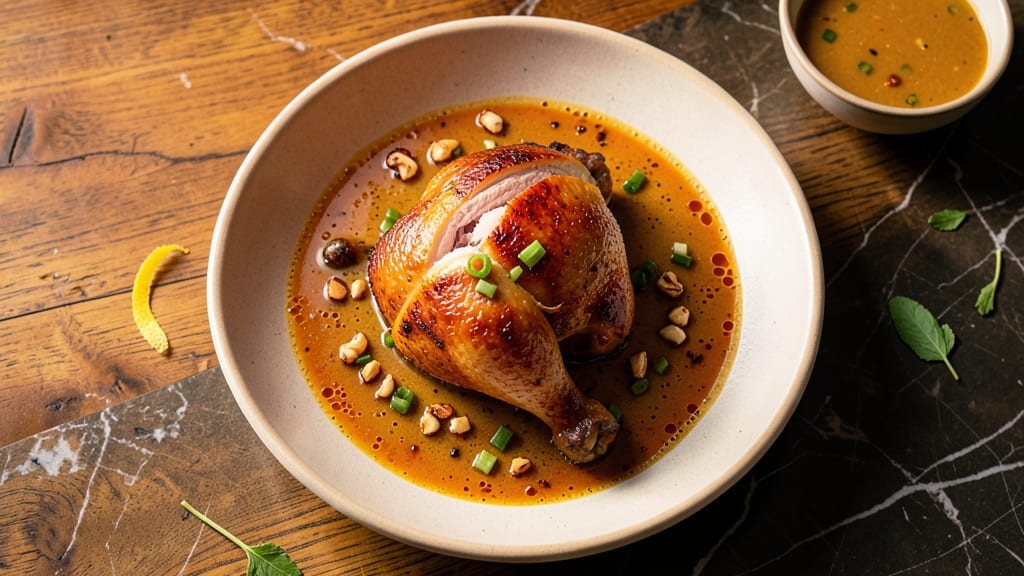
This baked chicken inasal recipe brings the smoky, caramelized flavors of Filipino street food to your oven—no grill required. The secret lies in a rich coconut-spice glaze that transforms ordinary chicken into tender, golden bites with a perfect balance of sweetness and savory depth. I've perfected this method after years of testing, ensuring the glaze doesn't just coat but carves into every piece, creating those signature char lines that make it irresistible.
The beauty of this recipe is its simplicity: just a few pantry staples come together to create a marinade that tenderizes the chicken while building layers of flavor. Unlike traditional inasal, which relies on charcoal grilling, this oven-baked version delivers the same restaurant-quality results with minimal effort.
The key is patience—letting the chicken bake slowly so the glaze develops a caramelized crust while keeping the meat juicy inside.
What you'll end up with is chicken that's crispy on the outside, tender on the inside, and coated in a sticky-sweet glaze that's impossible to resist. The aroma alone will have everyone gathering around your table, and each bite delivers that perfect harmony of smoky, spiced, and coconut-rich flavors.
This is the kind of dish that turns a simple weeknight dinner into a celebration.
Perfect for family dinners, potlucks, or when you're craving that familiar taste of inasal without the grill. The recipe scales easily, so you can serve a crowd or just enjoy leftovers the next day. Let's get started on creating this Filipino favorite that's sure to become a household staple.
Ingredients for baked chicken inasal
Just 14 ingredients transform ordinary chicken into restaurant-quality inasal magic.
| Ingredient | Amount | Notes |
|---|---|---|
| Chicken Thighs 🍗 | 1 ½ lb | Bone-in, skin-on preferred |
| Coconut Milk 🥥 | 1 can | Full-fat, 13.5 oz can |
| Brown Sugar 🍯 | ½ cup | Packed, light brown preferred |
| Soy Sauce 🥄 | ¼ cup | Regular or dark preferred |
| Calamansi Juice 🍋 | ¼ cup | Substitute lime juice if unavailable |
| Garlic Cloves 🧄 | 6 cloves | Minced, fresh preferred |
| Ginger 🌿 | 1 tbsp | Fresh, grated |
| Black Peppercorns 🌶️ | 1 tsp | Crushed, freshly ground |
| Ground Black Pepper 🌶️ | ½ tsp | Freshly ground preferred |
| Olive Oil 🫒 | 2 tbsp | Extra-virgin for richness |
| Garlic Powder 🧄 | 1 tsp | For extra depth |
| Ground Cinnamon 🌿 | ½ tsp | Warm, aromatic |
| Salt 🧂 | 1 ½ tsp | Kosher or sea salt |
| Cornstarch 🌾 | 1 tbsp | For glaze thickening |
The chicken thighs are non-negotiable here—bone-in, skin-on gives you that crispy skin and juicy meat. Look for thighs with good marbling at the grocery store, and if you can't find them, chicken drumsticks work too. Filipino markets often have the best selection, but regular supermarkets carry them too. Fresh garlic and ginger are essential for that bright, aromatic base—don't use powdered if you can help it. For the coconut milk, full-fat is a must—it's what gives that rich, creamy texture to the glaze. If you can't find calamansi juice, lime juice works in a pinch, though it won't be quite the same.
No soy sauce? Oyster sauce or even Worcestershire sauce can stand in, but soy's umami depth is ideal. The brown sugar can be swapped for white sugar if that's what you've got, though light brown adds a touch of molasses flavor. If you're feeling adventurous, add a pinch of annatto powder for that classic inasal orange hue. For the glaze thickening, cornstarch is foolproof, but arrowroot powder works too. The spices? Freshly ground black pepper makes all the difference—pre-ground loses its punch fast. And if you're worried about the coconut milk curdling, stir in the cornstarch first before adding it to the chicken.
This glaze is best made fresh, but you can prep it a day ahead and store it in the fridge—reheat gently before using. The chicken itself keeps well for 3-4 days in the fridge, though it's even better reheated the next day as the flavors meld. For leftovers, wrap tightly in foil to keep the glaze from drying out. The glaze can be made in bigger batches too—just freeze portions in ice cube trays for quick use later. And trust me, everyone will ask for seconds—make extra if you can.
Why You'll Love This Recipe
- Two-Ingredient Sauce: I swear by that mix of coconut milk and calamansi—just simmer, reduce, and boom, you’ve got a sticky, tangy glaze that clings to the chicken like it’s been kissed by the tropics. The brown sugar caramelizes into crispy edges while keeping the inside juicy, and honestly? That soy sauce kick makes it impossible to stop at one piece.
- Weeknight Hero: Between us, this is my "I have no energy but still need dinner" go-to. Toss the thighs in the sauce, pop them in the oven, and walk away—no flipping, no frying, no stress. I’ve made it at 7 PM after a long day, and it still tastes like I slaved over it.
- Leftovers That Shine: The best part? The flavor actually deepens overnight. Reheat a portion the next day, and that caramelized crust turns into a glossy, slightly crispy finish—perfect for lunchboxes or a lazy Sunday. (Yes, even on a Tuesday night.)
- Budget-Friendly Feast: Chicken thighs and coconut milk stretch this dish into a full meal without breaking the bank. I’ve fed four people for under $10, and no one bats an eye—because the taste is so solid, they don’t care if it’s "fancy." Plus, the leftovers? Even better.
Step-by-step instructions for baked chicken inasal
Transform ordinary chicken thighs into restaurant-quality Inasal with this rich, caramelized coconut-spice glaze.
Marinate the Chicken Thighs for Maximum Flavor
Pat the 1.5 lb chicken thighs completely dry with paper towels—this ensures the marinade sticks and the skin crisps beautifully. In a large bowl, combine the 2 tbsp olive oil, 0.25 cup soy sauce, 0.25 cup calamansi juice, 1 tsp garlic powder, 0.5 tsp ground cinnamon, 1.5 tsp salt, and 0.5 tsp ground black pepper. Mix until the oil emulsifies slightly.
Add the chicken thighs to the marinade, turning them to coat evenly. Cover and refrigerate for at least 30 minutes (or up to 4 hours for deeper flavor). The acidity from the calamansi juice will tenderize the meat while the spices penetrate deeply. You'll notice the marinade turning a rich amber color—this means the flavors are melding perfectly.
Prepare the Coconut-Spice Glaze
In a medium saucepan, combine the 1 can coconut milk, 0.5 cup brown sugar, 6 cloves minced garlic, 1 tbsp grated ginger, 1 tsp crushed black peppercorns, and 1 tbsp cornstarch. Bring to a gentle simmer over medium heat, stirring constantly to prevent scorching. The mixture will thicken as it cooks—this is your signature glaze.
Simmer for 10-12 minutes until the glaze coats the back of a spoon and smells intensely sweet with warm spice notes. Here's the thing—don't rush this step. The cornstarch needs time to fully activate, and the coconut milk must reduce enough to create that perfect sticky-sweet consistency. Taste and adjust seasoning if needed, adding a pinch more salt or cinnamon if desired.
Bake the Chicken Until Caramelized
Preheat your oven to 375°F. Remove the chicken from the marinade (reserve the marinade for later) and place the thighs skin-side up in a greased baking dish. Pour the prepared coconut-spice glaze evenly over the chicken, ensuring every piece is coated. Bake for 25 minutes until the skin is golden brown and the chicken registers 165°F internally.
Here's where the magic happens: After 25 minutes, increase the oven temperature to 425°F and broil for 3-5 minutes. Watch closely—the glaze will bubble and caramelize dramatically, creating that signature Inasal sheen. The skin should be deep golden brown with crispy edges. If the glaze thickens too much, brush it lightly with the reserved marinade for extra moisture.
Rest and Serve with Perfect Texture
Transfer the chicken to a cutting board and let it rest for 5 minutes before serving. This resting period allows the juices to redistribute, ensuring each bite is moist and flavorful. The glaze will continue to thicken slightly as it cools—this is normal and actually enhances the texture.
Slice the chicken into bite-sized pieces and serve immediately with steamed rice. The contrast of the tender, caramelized chicken against the fluffy rice is pure comfort food perfection. For extra authenticity, garnish with fresh cilantro and serve with a side of atchara (pickled papaya) if you're feeling ambitious. Every bite delivers that perfect balance of sweet, spicy, and umami—just like your favorite Filipino restaurant.
Pro Tips For Making Baked Chicken Inasal
- Marinate Thighs Overnight: Skip the rush—soak your chicken thighs in half the marinade (soy, calamansi, sugar) for at least 6 hours, or overnight if possible. I learned this the hard way: dry thighs absorb flavor better, and the acid in calamansi needs time to tenderize without overcooking them.
- Bake at 375°F: Too hot, and your coconut milk burns before the chicken cooks. Too cool, and you’re left with soggy skin. 375°F is the sweet spot—start with thighs skin-side up on a wire rack over a baking tray to let heat circulate evenly.
- Reduce Coconut Milk First: Simmer the full coconut milk with sugar and soy for 5 minutes before adding the chicken. This thickens the sauce and prevents it from pooling at the bottom of the pan—no one wants to fish for gravy later.
- Deglaze the Pan: After baking, turn the oven to broil for 2 minutes. Then, pour in 2 tablespoons of water and scrape up the browned bits from the pan—those are flavor bombs. Mix it into your sauce for depth. (Yes, even if you’re impatient like me.)
Common mistakes when making this dish
Over-Marinating Risks
The acidity in calamansi juice tenderizes the chicken beautifully, but marinating for more than 4 hours can break down the meat fibers too much, resulting in mushy texture. I've learned this the hard way—once, I left my chicken marinating overnight, and the skin turned rubbery instead of crispy.
Stick to the 30-minute to 4-hour window for perfect texture. 🌶️
Skipping the Resting Time
After baking, many people can't wait to slice into that glaze-covered chicken. But skipping the 5-minute rest means juices will spill out when you cut, leaving you with dry meat.
I've seen this happen when serving impatient guests—always let the chicken rest, even if it means waiting an extra few minutes. The payoff is juicy, flavorful bites every time.
Broiling Too Long
The broiling step is where the magic happens, but it's easy to overdo it. Watch your chicken closely after increasing the oven to 425°F—just 3-5 minutes is all it takes to get that perfect caramelized crust.
I've burned more than one batch by getting distracted, resulting in dry, overcooked chicken. Keep an eye on it and use a timer for safety.
Using Low-Quality Coconut Milk
Not all coconut milk is created equal. Using light or non-full-fat coconut milk will make your glaze thin and lack that rich, creamy texture. I've tried this shortcut and regretted it—the glaze didn't caramelize properly, and the flavor fell flat.
Always reach for full-fat canned coconut milk for the best results. The extra cost is worth it for that authentic inasal experience.
Ignoring the Glaze Thickness
A glaze that's too thin will pool in the baking dish instead of coating the chicken, while one that's too thick won't caramelize properly. The perfect consistency should coat the back of a spoon but still be pourable.
If your glaze isn't thickening enough after 10-12 minutes of simmering, add another ½ tbsp cornstarch and stir until it thickens. This small adjustment makes all the difference.
Not Preheating the Oven
Skipping the preheat step might seem like a time-saver, but your oven needs to reach 375°F before baking. I've started baking without preheating, and the chicken ended up cooking unevenly with some pieces undercooked.
Always give your oven 10-15 minutes to preheat—it ensures even cooking and that perfect golden-brown skin we're after. ⏰
Nutrition facts
Frequently asked questions
Can I use chicken breasts instead of thighs?
Chicken breasts will work, but they're leaner and more prone to drying out during baking. If you use them, marinate for no more than 2 hours and bake at 350°F instead of 375°F to prevent toughness. For best results, pound the breasts to an even thickness and baste with extra glaze during baking.
How do I make this recipe spicier?
Add ½ teaspoon of chili flakes or 1 tablespoon of sriracha to the glaze while simmering, or mix 1 teaspoon of ground black pepper with ½ teaspoon of cayenne in the marinade. For heat lovers, try 1 tablespoon of chopped siling labuyo (Filipino chili) in the glaze—it adds authentic fire!
Can I prepare this ahead of time?
Yes! The glaze can be made 1 day ahead and stored in the fridge. For the chicken, bake it 1 day ahead, cool completely, then refrigerate. Reheat in a 350°F oven for 15-20 minutes with a splash of water in the dish to prevent drying. The flavors actually improve overnight as the glaze sets.
What sides pair best with baked chicken inasal?
Steamed jasmine rice is a must, but try these Filipino favorites too: garlic fried rice, sautéed string beans, or pinakbet (vegetable stew). For a modern twist, serve with coconut rice or roasted sweet potatoes. The sweet-savory glaze balances perfectly with these sides.
Why did my glaze turn grainy?
Graininess usually means the cornstarch wasn't dissolved properly before simmering. Stir the glaze constantly for the first 2 minutes of cooking to prevent lumps. If it happens, blend the glaze with 2 tablespoons of water until smooth, then return to the pan. Always whisk the cornstarch with a cold liquid first to create a smooth paste before adding to hot liquids.