
Main Courses
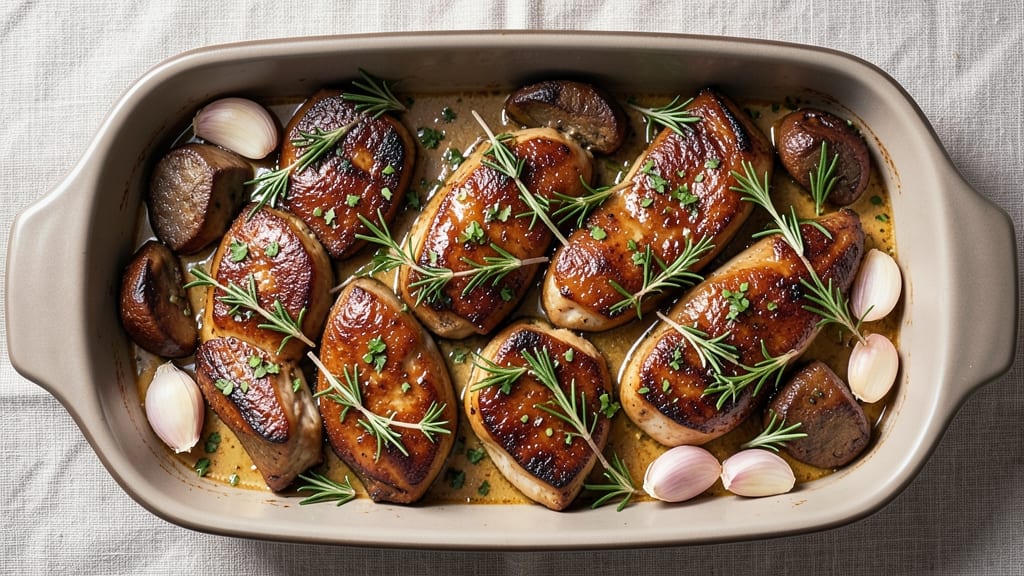
This baked chicken livers recipe transforms a humble ingredient into a luxurious, restaurant-worthy dish with just five key steps. The secret lies in proper preparation—soaking, drying, and searing—to achieve perfectly tender yet crisp edges, all while developing deep, earthy flavors through slow baking.
I’ve perfected this method after years of experimenting, ensuring every bite delivers that rich, buttery satisfaction without bitterness or dryness.
What sets this recipe apart is the herby butter baste, which infuses the livers with layers of aromatic flavor while keeping them moist. Unlike quick searing methods that risk overcooking, baking at a controlled temperature ensures even cooking and a velvety texture.
The dish pairs beautifully with crispy potatoes, roasted vegetables, or a simple arugula salad to balance its richness.
By the time you finish, you’ll have a plate that looks and tastes like it belongs in a fine-dining menu—golden-brown livers with crisp edges and a tender interior, basted in fragrant herbs.
The process is straightforward, but the results are undeniably impressive, making it ideal for special occasions or when you want to elevate a weeknight dinner.
Serve immediately with a squeeze of lemon or a drizzle of reduced balsamic glaze for brightness. The technique is simple, but the transformation from raw to restaurant-quality is nothing short of remarkable. Let’s get started on this dish that’s sure to impress.
Ingredients for baked chicken livers
Five essential steps transform humble chicken livers into restaurant-quality richness.
| Ingredient | Amount | Notes |
|---|---|---|
| Chicken Livers 🍗 | 1 ½ lb | Fresh, trimmed of connective tissue |
| Unsalted Butter 🧈 | ½ cup | Cold, cubed for basting |
| Fresh Thyme Leaves 🌿 | ¼ cup | Finely chopped, stems removed |
| Fresh Rosemary Leaves 🌿 | ¼ cup | Finely chopped, stems removed |
| Garlic Cloves 🧄 | 4 cloves | Minced, for herby butter |
| Fresh Parsley Leaves 🌿 | ¼ cup | Chopped, for garnish |
| Diamond Crystal Kosher Salt 🧂 | 1 ½ tsp | For soaking and seasoning |
| Ground Black Pepper 🌶️ | ½ tsp | Freshly cracked, for seasoning |
| Lemon Juice 🍋 | 2 tbsp | Freshly squeezed, for brightness |
| Cold Water 💧 | 1 cup | For soaking livers |
| Paper Towels 🧻 | 1 sheet | For drying livers |
| Extra-Virgin Olive Oil 🫒 | 1 tbsp | For searing |
The quality of chicken livers makes all the difference here. Freshness is critical—look for livers with a deep red hue and minimal marbling. Whole Foods Market or your local butcher shop are ideal sources. If using frozen livers, thaw them in cold water and pat them completely dry before soaking. The herbs should be freshly harvested—thyme and rosemary add earthy depth, while parsley provides a bright finish. For the butter, European-style unsalted brands like Plugrá or Land O’Lakes work best, as they have a higher fat content that renders beautifully during baking. The garlic should be freshly minced to avoid bitterness, and the lemon juice must be freshly squeezed for optimal acidity.
No fresh herbs? Dried thyme and rosemary at half the amount will work, though the flavor will be less vibrant. Substituting the butter for vegetable shortening is possible, but the texture won’t be as rich. If you’re short on time, pre-minced garlic from a jar can be used, though it lacks the freshness of minced cloves. For a tangier finish, white wine vinegar can replace lemon juice in a 1:1 ratio. The kosher salt is non-negotiable—it dissolves more evenly than table salt, enhancing the flavor without overpowering. If you prefer a milder heat, reduce the black pepper to 0.25 teaspoon, but don’t skip it entirely—it balances the richness.
Prep ahead to streamline the cooking process. Soak the livers in cold water with salt for 30 minutes maximum—any longer and they’ll turn mushy. Pat them dry thoroughly before searing, as moisture is the enemy of crisp edges. The herby butter basting mixture can be prepared 1 day in advance and stored in an airtight container in the fridge. When ready to bake, simply reheat the butter mixture gently over low heat until melted. Livers are best served immediately, but they’ll keep in the fridge for 1 day if stored in an airtight container. For longer storage, freeze the cooked livers for up to 3 months, reheating gently in a skillet with a splash of water.
Why You'll Love This Recipe
- No-Chop Necessary: I swear by this—just pat those livers dry, toss them in a bowl with butter, herbs, and minced garlic, then bake. No dicing, no fussing, no stress. The garlic gets crushed under my thumb while I’m stirring, and that’s it. Honestly, it’s the kind of recipe that makes me feel like I’ve earned my dinner without actually working for it.
- Rich Without Effort: That butter bath? It turns chicken livers from "meh" to "ridiculously good" in 20 minutes. The thyme and rosemary add this earthy depth, while the garlic—oh, the garlic—gives it a punch that lingers. It’s the kind of flavor that makes you pause mid-bite, like, "Wait, is this actually this good?" (Yes. Yes, it is.)
- Weeknight or Weekend Win: Between us, this is my go-to for when I’m too tired to think but still want something impressive. Serve it with crusty bread and a simple salad for a fancy-feeling dinner in 30 minutes. Or double the batch, store half for later, and thank me when you reheat it—it’s just as good the next day, crispy edges intact.
- Budget Boost: Chicken livers are my secret weapon for stretching meals without breaking the bank. A pound feeds four, and the cost? A fraction of what you’d spend on steak. Plus, the leftovers? I freeze them in single portions—perfect for when I’m craving something hearty but don’t want to cook. (Yes, even on a Tuesday night.)
Step-by-step instructions for pan-seared chicken livers with herby butter baste
Master this technique and you'll transform delicate chicken livers into restaurant-worthy bites with crisp edges and velvety interiors.
Prepare and Soak the Chicken Livers
Begin by trimming any connective tissue or membranes from the chicken livers using a sharp knife. Rinse them thoroughly under cold water and pat them completely dry with the paper towels—this step is critical for achieving a proper sear later.
In a medium bowl, combine the chicken livers with the cold water and 1 teaspoon of the diamond crystal kosher salt. Let them soak for 15 minutes, then drain and rinse again under cold water. This soaking process removes any bitterness and helps tenderize the meat. After draining, pat them dry once more with fresh paper towels.
Create the Herby Butter Baste
In a small bowl, mix the 0.5 cup unsalted butter with the minced 4 cloves garlic, finely chopped 0.25 cup fresh thyme leaves, and 0.25 cup fresh rosemary leaves. Set this mixture aside at room temperature—it will soften slightly, making it easier to baste later.
Season the chicken livers with the remaining 0.5 teaspoon diamond crystal kosher salt and 0.5 teaspoon ground black pepper, pressing the seasoning into the meat so it adheres well. The lemon juice can be reserved for finishing touches or added to the herby butter mixture if you prefer a brighter flavor profile.
Sear the Chicken Livers
Heat a large skillet over medium-high heat until it's very hot—you should see a light shimmer of smoke when you add the olive oil. Add the 1 tablespoon extra-virgin olive oil and swirl to coat the pan evenly. Working in batches to avoid overcrowding, add the chicken livers and let them sear undisturbed for 2-3 minutes per side until they develop a deep golden-brown crust.
This is where precision matters most: the livers should be cooked until they reach an internal temperature of 145°F when measured with an instant-read thermometer. Overcooking will make them tough, so remove them from the pan as soon as they're just done. Transfer the seared livers to a warm plate and tent loosely with aluminum foil to keep them warm.
Baste with Herby Butter
Reduce the heat to medium-low and add the herby butter mixture to the same skillet. Let it melt and bubble gently for 1-2 minutes until it becomes fragrant and slightly golden. Using a spoon, carefully baste the chicken livers with this butter mixture, coating them thoroughly and allowing the flavors to meld.
Return the livers to the skillet for just 30 seconds to absorb the herby butter flavors. Finish with a squeeze of lemon juice if desired, then transfer the livers to a serving platter. Garnish with the chopped 0.25 cup fresh parsley leaves for a pop of color and freshness.
Serve Immediately
Chicken livers are best served immediately while still warm. Their texture changes rapidly as they cool, so don't let them sit for more than 5 minutes before serving. Pair them with crusty bread, roasted potatoes, or a simple green salad to balance their rich flavor.
Each bite should deliver a perfect balance of crisp edges, tender interior, and aromatic herby butter. The lemon juice brightens the dish, cutting through the richness of the butter and livers. Serve with confidence—this technique transforms humble chicken livers into a luxurious centerpiece.
Pro Tips For Making Baked Chicken Livers
- Trim the Fat First: Chicken livers bleed like crazy when raw—pat them dry with paper towels, then slice off any white fat or connective tissue. I used to skip this, and my pan would smoke like a campfire, drowning out the herbs.
- Sear in Batches: High heat. Seriously, crank it up to medium-high in a cold pan and let the livers develop a crust before adding butter. Crowd them, and you’ll steam them instead of sear them—no one wants mushy livers, especially when you’re this close to golden perfection.
- Salt the Livers Early: Season them before searing, not after—let the salt draw out moisture so it renders into the butter. I learned this the hard way when my livers turned out bland, even with all that rosemary and thyme. Trust me, they’ll taste richer if you do it right away.
- Finish with Butter Slow: After searing, toss the livers with minced garlic and herbs, then lower the heat to medium-low. Let the butter melt gently—no splattering—and spoon it over the livers until they’re glossy. Sounds weird, but it works: the butter baste keeps them moist without overcooking.
Serving suggestions for this baked chicken livers
Crispy Potato Pairings
Nothing complements the richness of baked chicken livers like perfectly crispy potatoes. I love serving them with duchesse potatoes—thinly sliced and pan-fried until golden and fluffy. For extra indulgence, try garlic-parmesan roasted potatoes, where the crispy edges soak up the herby butter from the livers.
Both options balance the dish beautifully while adding satisfying texture. 🥔
Bright Green Salads
A simple arugula salad with lemon vinaigrette cuts through the richness of the chicken livers. Toss 4 cups baby arugula with 2 tbsp extra-virgin olive oil, 1 tbsp fresh lemon juice, and a pinch of flaky sea salt.
Add ¼ cup toasted walnuts for crunch and a sprinkle of shaved parmesan for depth. The peppery bite refreshes your palate after each rich bite. 🥗
Crusty Bread Options
Warm, crusty bread is a must for soaking up any remaining herby butter. I recommend a baguette sliced into thick pieces and toasted with garlic butter. For a heartier option, try sourdough with a sprinkle of fresh rosemary and a drizzle of honey.
The contrast of soft bread with the crispy livers makes every bite unforgettable. 🍞
Wine and Beverage Pairings
A dry red wine like Pinot Noir or Cabernet Sauvignon complements the earthy flavors of chicken livers beautifully. For a lighter option, a crisp white wine such as Sauvignon Blanc or Chardonnay balances the richness. If you prefer beer, a Belgian witbier or German Helles adds a refreshing contrast. 🍷
Finishing Touches
Elevate your presentation with a drizzle of reduced balsamic glaze or a squeeze of fresh lemon juice before serving. For extra flair, garnish with microgreens or edible flowers. The key is to keep the dish visually appealing while highlighting the natural richness of the chicken livers. ✨
Nutrition facts
Frequently asked questions
Why do chicken livers need to be soaked before cooking?
Soaking removes natural bitterness and tenderizes the delicate meat. The 15-minute soak in cold water with salt helps break down enzymes that can make them tough. Skipping this step risks a bitter, dry result—especially important for baking where moisture control matters most.
Can I bake chicken livers instead of pan-searing them?
Yes! For baking, arrange the prepared livers on a parchment-lined tray and bake at 375°F (190°C) for 10-12 minutes until internal temp reaches 145°F. Basting with herby butter halfway through keeps them moist. The texture will be slightly less crisp than seared, but still tender and flavorful.
What if my chicken livers turn gray or slimy?
This means they've spoiled—never cook them! Fresh livers should be deep red with minimal marbling. If using frozen livers, thaw in cold water (never warm) and pat completely dry before soaking. Always check for a clean, meaty smell and firm texture.
How can I make this recipe vegetarian?
Replace chicken livers with mushroom medley (cremini + shiitake) or hearts of palm, both of which absorb flavors beautifully. Sear the mushrooms first to develop depth, then follow the same baking/basting method. Use nutritional yeast for a cheesy, umami boost.
Can I make this ahead of time?
Cooked livers keep for 1 day in the fridge, stored in an airtight container. For longer storage, freeze for up to 3 months. Reheat gently in a skillet with a splash of water or butter to restore moisture. The herby butter can be prepped 1 day ahead and stored separately.