
Main Courses
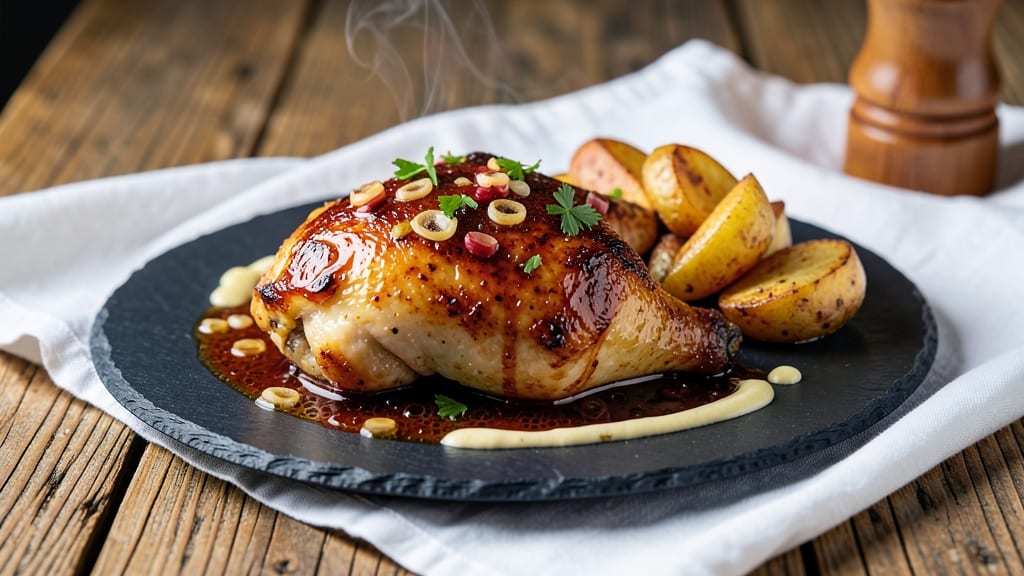
This healthy baked chicken Marsala recipe delivers all the rich, wine-infused flavors you love without the heavy cream or excessive butter. The secret lies in a lighter wine reduction—using just enough olive oil to create crispy skin while keeping the sauce velvety and complex.
After years of perfecting this dish, I’ve found the right balance: tender chicken with a golden crust, paired with a sauce that’s bold but not overpowering.
The key to this version is reduced-fat techniques that don’t compromise flavor. We’ll use chicken thighs for juiciness, a splash of dry white wine for brightness, and a touch of Dijon mustard to deepen the sauce without added calories.
The result? A dish that’s restaurant-quality but with half the saturated fat of traditional recipes. Plus, the crispy skin adds texture that keeps it satisfying.
By the end, you’ll have golden-brown chicken with a crisp exterior and moist interior, bathed in a glossy, wine-infused sauce that’s rich yet light. The dish pairs beautifully with roasted asparagus or a bed of quinoa, turning a weeknight dinner into something special without the guilt.
This is comfort food reimagined—flavorful, balanced, and foolproof.
Ready in just 45 minutes, this recipe is perfect for meal prep or a quick weeknight dinner. The sauce can be made ahead and reheated, so you can focus on enjoying the meal instead of standing over the stove. Let’s get started—your taste buds (and waistline) will thank you.
Ingredients for baked chicken marsala recipe healthy
Just 13 ingredients for a lighter Marsala that still packs bold flavor and crispy skin—no heavy cream in sight.
| Ingredient | Amount | Notes |
|---|---|---|
| Chicken Thighs (Bone-In, Skin-On) 🍗 | 1 ½ lb | Skin left on for crispy texture |
| Dry White Wine 🍷 | ½ cup | Sauvignon Blanc or Pinot Grigio |
| Dijon Mustard 🍯 | 1 tbsp | For depth without calories |
| Extra-Virgin Olive Oil 🫒 | 1 tbsp | High-quality for crispy skin |
| Shallots 🧅 | 2 whole | Minced, or sub 2 tbsp onion |
| Garlic Cloves 🧄 | 3 cloves | Minced, fresh preferred |
| Chicken Broth 💧 | ½ cup | Low-sodium preferred |
| Unsweetened Almond Milk 🥛 | ¼ cup | For creaminess without dairy |
| All-Purpose Flour 🌾 | 1 tbsp | For sauce thickening |
| Fresh Thyme Leaves 🌿 | ¼ cup | Or 1 tsp dried thyme |
| Salt 🧂 | 1 tsp | Kosher or sea salt |
| Black Pepper 🌶️ | ½ tsp | Freshly ground preferred |
| Lemon Juice 🍋 | 1 tbsp | Freshly squeezed |
The chicken thighs are non-negotiable here—they stay juicy while the skin crisps up perfectly. Trader Joe's or Costco often have great bone-in, skin-on deals, but any butcher will cut them for you. Look for thighs with good marbling, not too pale. The wine? Sauvignon Blanc or Pinot Grigio work best—avoid sweet varieties. I always grab a bottle I'd drink straight, because you'll use some for cooking and some for drinking (trust me). For the shallots, no need to peel—just trim the ends and mince them finely. Fresh thyme is ideal, but dried works in a pinch if you've got it.
No white wine? Dry sparkling water plus 1 tsp lemon juice mimics the acidity, though it won't have the same depth. Short on almond milk? Greek yogurt at half the amount adds creaminess without dairy. The Dijon mustard is key for that tangy richness—don't skip it. For the olive oil, avoid the cheap stuff—you want something fruity and high-quality to crisp that skin properly. The flour is just for thickening the sauce, so you can use any all-purpose brand. And if you're prepping ahead, make the sauce first and store it separately—it actually tastes better the next day.
Chicken thighs keep 2 days in the fridge before baking, but use them sooner for best texture. The sauce can be made 3 days ahead and reheated gently—just add a splash of water or broth if it thickens too much. For crispy skin that doesn't get soggy, pat the thighs very dry before baking. And if you're meal prepping, bake the chicken, then reheat the sauce separately and toss it with the chicken right before serving. Leftovers? They reheat beautifully—just cover with foil to keep the skin crispy.
Why You'll Love This Recipe
- No-Wine-Snobbery Needed: I use whatever dry white wine’s sitting in my fridge—no fancy labels required. The acidity cuts through the richness of the chicken thighs, and that crispy skin? It’s the best part, honestly.
- One-Pan Magic: Skin-on thighs roast right alongside the shallots and mushrooms (if you add them) while the sauce simmers in the same pan. Less cleanup, more flavor—my lazy Sundays love this.
- Leftovers That Lie: The sauce thickens beautifully overnight, turning reheated slices into a cozy, restaurant-worthy meal. My kids pretend they hate it, but they’re always first in line for seconds.
- Budget-Friendly Feast: Bone-in thighs stretch further and taste richer than boneless cuts, plus the wine and mustard add depth without breaking the bank. A full meal for under $15? Yes, please.
Step-by-step instructions for baked chicken Marsala with crispy skin
Here's how to create restaurant-quality Marsala sauce with juicy chicken and crispy skin—all while keeping it light and healthy.
Prepare the Chicken for Perfect Crispy Skin
Preheat your oven to 425°F and position a rack in the middle position. Pat the 1.5 lb chicken thighs (bone-in, skin-on) completely dry with paper towels—this is crucial for crispy skin. I like to press firmly, especially under the skin where moisture tends to hide.
Season both sides generously with 1 tsp salt and 0.5 tsp black pepper, then rub the skin with 1 tbsp extra-virgin olive oil. The oil helps create a barrier that prevents the skin from drying out too quickly while promoting browning. Place the thighs skin-side up on a wire rack set over a baking sheet—this allows hot air to circulate underneath for even cooking.
Bake Until Golden and Juicy
Bake the chicken for 25-30 minutes until the skin is deep golden brown and crispy, and the internal temperature reaches 165°F when measured in the thickest part of the thigh. I check the skin color first—it should be golden and slightly blistered in spots. If it's browning too quickly, tent loosely with foil to prevent over-browning.
Here's the thing—don't overcook the chicken. It'll continue cooking slightly as it rests, and you want that juicy interior. The skin should be crispy enough to stand up on its own when you press it gently with tongs. Transfer the chicken to a plate and let it rest for 5 minutes while you make the sauce.
Build the Lightened-Up Marsala Sauce
In a large skillet over medium heat, add the 2 whole minced shallots and cook for 3-4 minutes until softened and slightly golden. Add the 3 cloves minced garlic cloves and cook for another 30 seconds until fragrant—this prevents the garlic from burning while still releasing its flavor.
Pour in the 0.5 cup dry white wine and scrape up any browned bits from the bottom of the pan with a wooden spoon. This deglazing step captures all the flavor you've built. Let the wine simmer for 3-4 minutes until reduced by half. Then stir in the 1 tbsp Dijon mustard and 0.5 cup chicken broth, scraping the bottom again to incorporate any stuck bits.
Thicken and Finish the Sauce
In a small bowl, whisk together the 1 tbsp all-purpose flour and 0.25 cup unsweetened almond milk until smooth. Slowly pour this mixture into the skillet while stirring continuously. The sauce will thicken immediately—this creates a velvety texture without the heaviness of traditional cream.
Add the 0.25 cup fresh thyme leaves and simmer for 2-3 minutes until the sauce coats the back of a spoon. Stir in the 1 tbsp lemon juice and taste—adjust seasoning with more salt or pepper if needed. The sauce should be rich but still light enough to coat the chicken without feeling greasy.
Combine and Serve
Return the chicken to the skillet with any accumulated juices. Spoon the sauce over the chicken and let it simmer together for 1-2 minutes to heat through. The chicken will absorb some of the sauce, creating an even more flavorful dish.
Serve immediately over your choice of pasta, mashed cauliflower, or roasted vegetables. The crispy skin will contrast beautifully with the silky sauce, and the almond milk keeps it light and healthy. Each bite delivers perfect balance—crispy, juicy, and full of Marsala flavor without the guilt.
Pro Tips For Making Baked Chicken Marsala Recipe Healthy
- CRISP THE SKIN FIRST: I used to skip this, but browning the thighs skin-side down in a cold pan for 8-10 minutes—no oil needed—gives you that golden crust without frying. The residual fat renders perfectly when baked, and the skin stays crispy instead of rubbery. (Yes, even if you're impatient like me.)
- DEGLAZE WITH WINE IMMEDIATELY: After removing the chicken, pour that same pan over high heat and let the wine sizzle for 30 seconds before scraping up browned bits. Cold wine just dilutes the flavor—you want the alcohol to burn off fast to concentrate the depth. I learned this the hard way when my sauce tasted flat.
- SKIP THE BUTTER IN SAUCE: Healthy version alert: Swap butter for an extra splash of dry white wine (about ¼ cup) and a teaspoon of Dijon mustard to emulsify the pan drippings. The wine adds richness without the calories, and the mustard keeps the sauce glossy. (Your arteries will thank you.)
- REST CHICKEN UNDER FOIL: After baking, tent the thighs with foil and let them sit for 5-10 minutes before slicing. This keeps the juices from pooling on the cutting board—where they belong is inside the meat. I was skeptical until I tried it; the difference in moisture is night and day.
Common mistakes when making perfect results
Overcooking the Chicken
This is the #1 mistake I see—chicken that's dry and tough instead of juicy. The thighs should hit 165°F internal temperature but no higher, and the skin should be crispy but not burnt.
I've ruined many batches by baking too long or at too high a temperature. Use a meat thermometer to avoid this—it's the only reliable way to know when it's done. 🌡️
Skipping the Rest Time
Transferring chicken straight from oven to sauce is a flavor crime. Those 5 minutes of resting let the juices redistribute throughout the meat. When you skip this, you end up with dry chicken that soaks up sauce instead of staying moist.
I learned this the hard way after serving my first batch to skeptical guests who were not impressed.
Using Low-Quality Wine
Cheap wine makes cheap sauce. If your wine tastes like cooking wine, your sauce will too. I always use a dry white wine I'd drink straight—like Sauvignon Blanc or Pinot Grigio.
The alcohol burns off during cooking, but the acidity and flavor remain. Don't be tempted to use cooking wine—it's the fastest way to ruin your dish.
Not Deglazing Properly
Those browned bits on your pan are flavor gold. When you add wine without scraping them up first, you lose half the depth of flavor. Always use a wooden spoon to scrape every last bit from the bottom before adding liquid.
I've made sauce that tasted flat because I rushed this step—don't make my mistake.
Over-Thickening the Sauce
Too much flour makes the sauce gluey. The almond milk mixture should thicken just enough to coat the back of a spoon. If it's too thick, add 1 tbsp water or broth to loosen it.
I've had batches where the sauce was so thick it formed a paste—trust me, you don't want that texture. The sauce should be silky, not pasty. 🥄
Underestimating the Flavor Build
Rushing the sauce development means missing out on layers of flavor. Let the wine reduce by half before adding other ingredients. This concentration step is what gives Marsala sauce its depth. I've made sauce that tasted flat because I didn't let it reduce long enough—patience pays off here.
Nutrition facts
Frequently asked questions
Can I use chicken breast instead of thighs for this recipe?
Chicken breast will work, but thighs are ideal for this dish. Thighs stay juicier with their higher fat content, while breast meat can dry out when baked. If you must use breast, brine it for 30 minutes in salted water before baking, and reduce the oven temperature to 375°F to prevent overcooking.
What's the best way to reheat leftovers without drying out the chicken?
Reheat the chicken and sauce separately in a skillet over low heat for 2-3 minutes, adding a splash of water or broth to keep the sauce loose. Cover with a lid to trap steam. Never microwave—it turns the skin rubbery. For extra crispiness, broil for 1 minute at the end.
How can I make this even lighter without sacrificing flavor?
Swap the almond milk for Greek yogurt (¼ cup) and reduce the flour to ½ tbsp—it adds protein while keeping the sauce creamy. Also, use bone-in, skin-on chicken thighs (they're naturally leaner than breasts) and skip the butter entirely. The wine reduction alone delivers rich flavor.
Can I make this dish ahead of time?
Prep the sauce 1 day ahead and store it in the fridge. Reheat gently, then toss with the chicken just before serving. For the chicken, bake it fresh—skin won't crisp up properly when reheated. If you're short on time, roast the chicken 15 minutes early and keep it warm in a 200°F oven while you finish the sauce.
What's the secret to crispy skin every time?
Pat the chicken thoroughly dry before seasoning—moisture is the enemy of crispiness. Use a wire rack over a baking sheet for even air circulation, and resist the urge to flip the chicken. The skin needs time to render fat and crisp up—25-30 minutes at 425°F is perfect. A light spray of olive oil before baking helps too.