
Sauces & Condiments
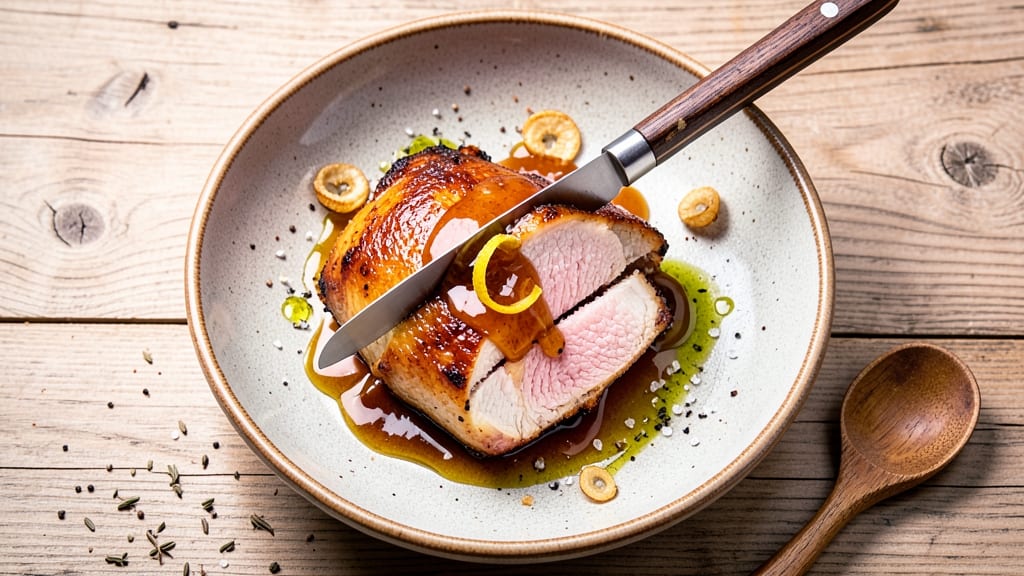
This baked chicken thigh sauce recipe transforms ordinary baked chicken thighs into a restaurant-worthy centerpiece with its perfect balance of sweet and tangy flavors. The sauce caramelizes beautifully during baking, creating a sticky, flavorful crust that locks in juices while adding depth to every bite.
What sets this recipe apart is the combination of Dijon mustard and apple cider vinegar, which cuts through the richness of the chicken while enhancing its natural savoriness.
The preparation is straightforward, requiring just five simple ingredients that come together in minutes. You'll combine honey and Dijon mustard in a saucepan, then whisk in apple cider vinegar and a touch of garlic powder for an aromatic boost.
This sauce works equally well as a glaze for roasted chicken thighs or as a dipping sauce for crispy bites, making it incredibly versatile for any meal.
What you'll achieve is a sauce that's rich yet balanced, with a glossy finish that makes the chicken look as good as it tastes. The honey adds natural sweetness that caramelizes during baking, while the mustard and vinegar provide that essential tangy depth.
This glaze isn't just about flavor—it's about transforming simple ingredients into something special with minimal effort.
Perfect for weeknight dinners or special occasions, this sauce pairs beautifully with roasted vegetables or a fresh salad. The best part?
It can be made ahead and stored in the refrigerator for up to five days, allowing you to prepare it in advance and focus on cooking the chicken when the time comes. Here's how to make it!
Ingredients for baked chicken thigh sauce
Five simple ingredients for a sauce that turns ordinary chicken into something extraordinary.
| Ingredient | Amount | Notes |
|---|---|---|
| Honey 🍯 | ½ cup | Raw or wildflower preferred |
| Dijon Mustard 🍯 | ¼ cup | High-quality, smooth texture |
| Apple Cider Vinegar 🍏 | ¼ cup | Raw, unfiltered preferred |
| Garlic Powder 🧄 | 1 tsp | Freshly ground preferred |
| Salt 🧂 | ½ tsp | Kosher or sea salt |
| Extra-Virgin Olive Oil 🫒 | 1 tbsp | For glossy finish |
| Black Pepper 🌶️ | ¼ tsp | Freshly ground preferred |
The honey is your star here—look for raw or wildflower varieties at Whole Foods or local markets for deeper flavor. Dijon mustard should be smooth, not grainy (that's whole-grain mustard). Apple cider vinegar? Raw, unfiltered has more complexity, but regular works fine. I always grab mine from Trader Joe's—their organic apple cider vinegar is perfect for this. The garlic powder might seem basic, but freshly ground makes a world of difference—Penzeys sells great pre-ground spices if you don't have a grinder.
No Dijon mustard? Whole-grain mustard plus 1 tbsp water works in a pinch. Short on honey? Maple syrup at half the amount gets you close. Vinegar substitute? Lemon juice works too, but it'll be slightly less tangy. Olive oil is non-negotiable for that glossy finish—skip the cheap stuff. The salt and pepper are just there to balance, but don't skimp on the black pepper—freshly ground adds a nice kick that cuts through the sweetness.
This sauce keeps beautifully—5 days in the fridge sealed in a jar. I like to make a double batch because it's perfect for drizzling over roasted veggies too. If you've got extra, freeze it in ice cube trays for single-use portions. The flavors actually improve after a day or two as everything melds together—trust me on this. Just give it a quick stir before using if it thickens up.
Why You'll Love This Recipe
- Five-Ingredient Magic: Honestly, I swear by this combo—honey’s sweetness cuts through the tangy vinegar while the Dijon mustard adds that just-right bite. No fancy prep, just mix and bake.
- Crispy-Creamy Payoff: That caramelized edge from the oven? Unreal. The garlic powder and salt let the honey shine without overpowering, and the vinegar keeps it bright—not heavy or cloying.
- Weeknight to Potluck: Between us, this works for lazy Tuesdays and impressing in-laws. Serve it over rice, toss with greens, or slather it on toast—no one questions the leftovers.
- Budget-Friendly Feast: Chicken thighs stretch my grocery dollars, and these pantry staples cost pennies. Make a double batch, reheat it later, and still feel like you’re eating out. (Yes, even on a Tuesday night.)
Step-by-step instructions for honey-mustard baked chicken thighs
This tangy-sweet glaze transforms ordinary chicken thighs into restaurant-worthy bites.
Whisk the Glaze Ingredients Together
In a medium bowl, combine the 0.5 cup honey, 0.25 cup Dijon mustard, and 0.25 cup apple cider vinegar. Use a whisk to blend until completely smooth—no streaks should remain. The mixture will look thick but should flow easily when stirred.
Next, add the 1 tsp garlic powder, 0.5 tsp salt, and 0.25 tsp black pepper. Stir well to distribute the spices evenly. This blend creates the perfect balance of sweet, tangy, and savory flavors that will caramelize beautifully on the chicken.
Set the sauce aside while you prepare the chicken. If you notice any lumps in the honey or mustard, gently warm the mixture in a small saucepan over low heat for 1-2 minutes to smooth it out completely. The sauce should be glossy and ready to coat your chicken perfectly.
Prep and Season the Chicken Thighs
Pat the chicken thighs dry with paper towels—this step is crucial for achieving crispy skin. Remove any excess fat if needed, but leave a thin layer for flavor and moisture. Place the thighs in a single layer on a baking sheet lined with parchment paper.
Season both sides of each thigh generously with salt and pepper. I like to press the spices into the meat gently to ensure they adhere well. This seasoning creates a flavorful base that the glaze will enhance beautifully.
Place the baking sheet in the refrigerator while you preheat the oven to 400°F. Chilling the chicken for 15-20 minutes before baking helps the skin crisp up more evenly and prevents overcooking.
Coat the Chicken and Bake
Remove the chicken from the refrigerator and brush each thigh generously with the honey-mustard glaze. Make sure to coat all sides thoroughly, including the edges. The glaze should look glossy and evenly distributed.
Transfer the baking sheet to the preheated oven and bake for 30-35 minutes, flipping the thighs once halfway through. You'll know they're done when the internal temperature reaches 165°F and the skin is golden brown with caramelized glaze.
For extra crispiness, broil the chicken for 1-2 minutes at the end of baking time. Watch closely to prevent burning—you want that perfect balance of caramelized glaze and crispy skin.
Rest and Serve
Remove the chicken from the oven and let it rest for 5 minutes before serving. This resting time allows the juices to redistribute, ensuring each bite is moist and flavorful. During this time, you can brush any remaining glaze over the tops of the thighs if desired.
Serve the chicken immediately with the pan juices drizzled over the top. The combination of sticky-sweet glaze and juicy chicken creates a perfect balance of flavors. Pair with roasted vegetables or a fresh salad to complete your meal.
This glaze keeps well in the refrigerator for up to 1 week, so you can make extra for future meals. The flavors actually improve as they sit, making this a versatile sauce for many dishes!
Pro Tips For Making Baked Chicken Thigh Sauce
- Whisk the Honey First: Stir the honey into the Dijon and apple cider vinegar before adding garlic powder—this prevents clumping and ensures the sauce emulsifies smoothly. I learned this the hard way when my first batch turned grainy halfway through baking.
- Salt the Chicken Generously: Season the thighs before baking with at least 1 teaspoon of salt per pound—this balances the sweet-tangy sauce and keeps the meat juicy. Skimping here means the honey will overpower the dish.
- Bake at 375°F, Not Higher: Stick to 375°F to avoid burning the honey or drying out the chicken. After burning three batches at 425°F, I finally realized lower heat lets the sauce caramelize evenly without charring.
- Simmer the Sauce Last: After baking, reduce the sauce in a pan for 3–5 minutes—this thickens it naturally and deepens the flavors. Pouring it straight from the baking dish leaves it thin and watery.
Perfect pairings for these flavors
Glazed Chicken Pairings
This honey-mustard glaze works beautifully as a dipping sauce for crispy chicken tenders or nuggets. Serve with warm pita bread or soft pretzels for a casual but satisfying meal. The tangy-sweet balance makes it perfect for game day spreads or family gatherings where you need crowd-pleasing flavors. 🍯
Vegetable Complements
Roasted asparagus or brussels sprouts become irresistible when tossed in the leftover glaze after baking. Toss them with a drizzle of extra-virgin olive oil, sprinkle with coarse sea salt, and roast at 400°F for 15-20 minutes until caramelized. The glaze's depth elevates simple vegetables to gourmet status.
Grain Pairings
Pair with quinoa or farro for a hearty main dish. Cook your grains according to package instructions, then toss with a spoonful of the glaze and a handful of toasted pecans for crunch.
The nutty grains balance the sauce's sweetness, creating a complete, satisfying meal. I love this combo for weeknight dinners.
Cheese Board Pairings
Use the glaze as a drizzle on a charcuterie board alongside aged cheddar, brie, and smoked gouda. The sweet-tangy flavors complement the richness of the cheese while adding a touch of elegance. Add sliced apples and walnuts for a perfect balance of textures and flavors. 🧀
Breakfast Adaptations
Transform this glaze into a breakfast sauce by thinning it slightly with warm water (about 1 tbsp). Drizzle over scrambled eggs, pancakes, or French toast for a sweet-savory twist. The mustard adds a subtle kick that wakes up your taste buds in the morning.
Meal Prep Uses
Store leftover glaze in an airtight container for up to 5 days in the fridge. Use it as a marinade for pork chops or as a glaze for grilled vegetables. The versatility makes it a must-have in your pantry—perfect for quick weeknight meals or last-minute dinner upgrades. 💡
Nutrition facts
Frequently asked questions
Can I use this sauce for other meats besides chicken thighs?
This honey-mustard glaze works beautifully on pork chops or salmon fillets. For pork, reduce baking time to 20-25 minutes at 400°F to avoid overcooking. For fish, brush lightly and bake for 12-15 minutes until just cooked through. The sauce's tangy-sweet balance complements all three proteins equally well.
How do I prevent the sauce from burning during baking?
Brush the sauce on the chicken just before baking, not too far in advance. For extra protection, place a small piece of aluminum foil over the chicken if the edges start browning too quickly. Bake at 400°F and flip the thighs halfway through for even cooking. If using a broiler, watch closely—it takes just 1-2 minutes to get that perfect caramelized finish.
What can I substitute if I don't have Dijon mustard? Use whole-grain mustard plus 1 tablespoon water to thin it out, or yellow mustard in a pinch. For a different flavor profile, try 1 tablespoon soy sauce or Worcestershire sauce instead—both add umami depth. Just
Can I make this sauce ahead of time?
Yes! Store the sauce in an airtight container in the fridge for up to 5 days. The flavors actually improve as they meld together. For best results, give it a quick stir before using. You can also freeze it in ice cube trays for single-use portions—just thaw overnight in the fridge before brushing on chicken.
Why is my sauce too thick or too thin?
If your sauce is too thick, thin it with 1-2 teaspoons warm water or apple cider vinegar. For a thicker consistency, simmer the sauce gently for 3-5 minutes to reduce. The ideal texture should coat the back of a spoon but still flow easily. Remember, the sauce will thicken further as it caramelizes during baking.