
Main Courses
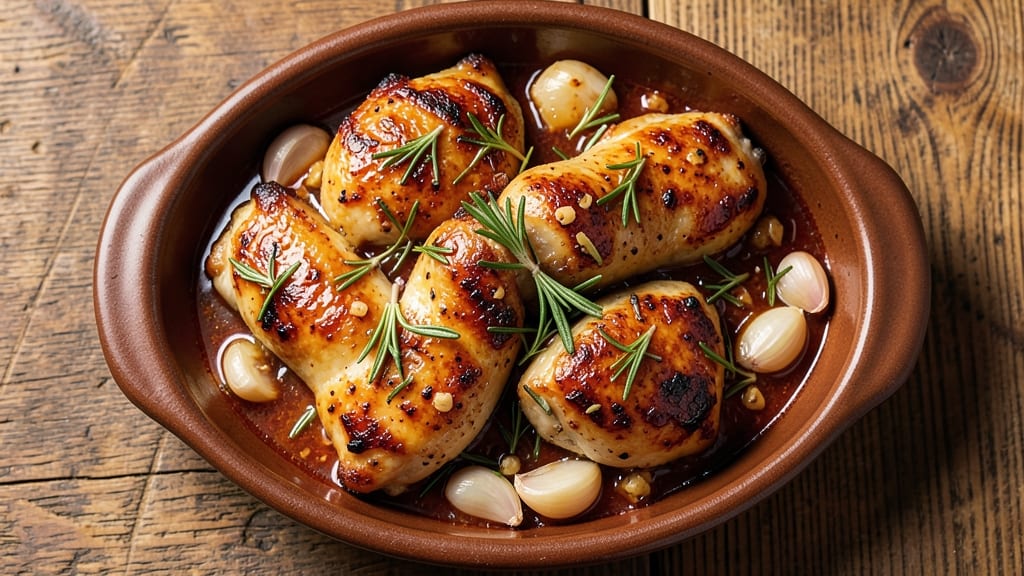
This baked honey Dijon mustard chicken recipe delivers a perfect balance of crispy edges and tender meat, all coated in a tangy-sweet glaze that makes every bite irresistible. The magic happens when Dijon mustard and honey combine to create a sticky, flavorful crust that caramelizes beautifully in the oven.
I developed this recipe after years of experimenting with glazes, and it never fails to impress—whether you're serving it for a weeknight dinner or a special occasion.
The secret to achieving that glazed crunch lies in marinating the chicken first, allowing the flavors to penetrate deeply before baking. Then, brushing on the honey Dijon mixture while it cooks ensures a sticky, caramelized finish that's both visually stunning and packed with flavor.
This method works equally well for thighs, drumsticks, or breasts, making it incredibly versatile for any meal plan.
What you'll end up with is juicy, golden-brown chicken that's perfectly balanced between sweet and tangy, with a texture that's crispy on the outside and tender on the inside. The glaze isn't just for show—it adds a depth of flavor that transforms ordinary chicken into something truly special.
Serve it with roasted vegetables, mashed potatoes, or a fresh salad to round out the meal.
This recipe is designed to be foolproof, with clear steps that ensure consistent results every time. Whether you're a seasoned cook or just starting out, you'll love how simple yet impressive this dish is. Let's get started on creating a meal that's sure to become a family favorite!
Ingredients for baked honey dijon mustard chicken
Juicy chicken thighs meet sticky-sweet glaze—just five pantry staples and fresh herbs transform ordinary chicken into showstopping bites.
| Ingredient | Amount | Notes |
|---|---|---|
| Boneless, Skinless Chicken Thighs 🍗 | 1 ½ lb | Cut into even pieces for consistent cooking |
| Dijon Mustard 🍯 | ½ cup | High-quality for best flavor |
| Honey 🍯 | ½ cup | Wildflower or clover preferred |
| Olive Oil 🫒 | ¼ cup | Extra-virgin for richness |
| Garlic Cloves 🧄 | 4 cloves | Minced for marinade |
| Fresh Rosemary 🌿 | ¼ cup | Chopped, fresh preferred |
| Salt 🧂 | 1 ½ tsp | Kosher or sea salt |
| Black Pepper 🌶️ | ½ tsp | Freshly ground preferred |
| Brown Sugar 🍚 | 1 tbsp | Light or dark variety |
| Apple Cider Vinegar 🍏 | 1 tbsp | For tangy depth |
| Fresh Thyme Leaves 🌿 | ⅛ cup | Chopped, optional garnish |
The chicken thighs are the star, so pick bone-in, skin-on for extra flavor and juiciness. Trader Joe's and Costco often have great deals on family packs. Look for thighs with good marbling—fat equals flavor. If you can't find thighs, breasts work too, but they stay drier. The Dijon mustard matters here—Maille or Whole Foods brand are my go-tos, but any good-quality one will do. Skip the powdered stuff. For the honey, local or raw varieties add subtle floral notes that store-bought can't match, but regular works fine too.
No Dijon mustard? Substitute 2 tbsp regular mustard plus 1 tsp sugar—it won't be identical, but close enough. Fresh rosemary wilt fast, so dried works at one-third the amount if you're in a pinch. The vinegar adds brightness, but lemon juice works too. For extra caramelization, add 1 tsp cornstarch to the glaze. The brown sugar keeps the glaze from getting too sharp—substitute maple syrup if you're avoiding refined sugar. And trust me, the extra 10 minutes marinating makes all the difference for flavor penetration.
Marinate the chicken overnight for maximum flavor, but even 30 minutes helps. Store the marinade in a sealed container in the fridge for up to 2 days. The cooked chicken reheats beautifully—just 5 minutes at 350°F with a splash of water or broth to keep it moist. Leftovers keep for 4 days in the fridge or 3 months frozen. I always make extra—it's perfect for sandwiches or salads the next day.
Why You'll Love This Recipe
- Five-Ingredient Magic: The pantry staples I already own—Dijon, honey, olive oil—do all the heavy lifting. No fancy marinades or last-minute grocery runs.
- Sweet-Savory Balance: That sticky-sweet glaze from the honey and tangy Dijon? It caramelizes just enough to make the chicken thighs addictive—crispy edges, juicy inside, every time.
- Meal Prep MVP: I bake a double batch on Sundays, and it reheats beautifully for lunches or quick dinners. The flavors even get better the next day—honestly, leftovers are my favorite.
- Budget-Friendly Feast: Chicken thighs stretch further than breasts, and this recipe costs me half what takeout does. Plus, the glaze stretches thin, so I get extra servings without extra guilt.
Step-by-step instructions for baked honey Dijon mustard chicken
Here's how to create perfectly glazed, juicy chicken with a crispy exterior and tangy-sweet depth.
Prepare the Glaze and Marinate the Chicken
In a medium bowl, whisk together the 0.5 cup Dijon mustard, 0.5 cup honey, 0.25 cup olive oil, 1 tbsp brown sugar, 1 tbsp apple cider vinegar, 1.5 tsp salt, and 0.5 tsp black pepper until smooth and fully combined. This glaze is the heart of the dish—its balance of sweet, tangy, and savory flavors will transform ordinary chicken into something extraordinary.
Cut the 1.5 lb boneless, skinless chicken thighs into even pieces (about 2-inch chunks) for consistent cooking. Place the chicken in a large resealable plastic bag and pour the glaze mixture over it. Seal the bag and massage it gently to coat the chicken evenly. Let it marinate in the refrigerator for at least 30 minutes—this allows the flavors to penetrate deeply and keeps the chicken incredibly juicy during baking.
Prep the Herb Garnish and Preheat the Oven
While the chicken marinates, finely chop the 4 cloves garlic and 0.25 cup fresh rosemary. In a small bowl, combine these with the 0.125 cup fresh thyme leaves (if using). This herb mixture will add aromatic depth and a fresh finish to your dish. Set it aside for later.
Preheat your oven to 375°F. Line a baking sheet with parchment paper for easy cleanup. Arrange the marinated chicken pieces in a single layer on the prepared baking sheet, leaving about ½ inch of space between them. This ensures even browning and crisping—crowding the pieces will lead to steaming instead of caramelization.
Bake Until Golden and Juicy
Transfer the baking sheet to the preheated oven and bake for 25 minutes. After this initial baking time, the chicken should be mostly cooked through but still need a final crisp. Here's where the magic happens: increase the oven temperature to 425°F and continue baking for an additional 10-12 minutes until the chicken reaches an internal temperature of 165°F and develops a beautiful golden-brown crust.
Watch closely during the last few minutes—this high heat creates that perfect caramelized glaze. If the glaze starts to bubble too aggressively, you can tent the baking sheet loosely with foil to prevent burning while still allowing it to crisp.
Rest and Garnish for Perfect Presentation
Remove the chicken from the oven and let it rest on the baking sheet for 5 minutes. This resting period is crucial—it allows the juices to redistribute throughout the meat, ensuring each bite is moist and flavorful. Don't skip this step; cutting into the chicken too soon will result in dry, disappointing pieces.
Sprinkle the reserved herb mixture evenly over the baked chicken. The combination of rosemary, thyme, and garlic will add a fresh, aromatic finish that complements the sweet-tangy glaze beautifully. Serve immediately with your favorite sides—roasted vegetables, crusty bread, or a simple green salad all pair wonderfully with this dish.
Pro Tips For Making Baked Honey Dijon Mustard Chicken
- Pat the thighs dry: Wet chicken absorbs marinades like a sponge instead of forming that sticky, caramelized crust. Grab paper towels and really press down—no need to go crazy, just enough to remove surface moisture. This isn’t about making them bone-dry; it’s about letting that honey-Dijon glaze cling where it counts.
- Sear first, then bake: After coating the thighs, hit them with high heat in a skillet for 2-3 minutes per side until golden. The Maillard reaction starts early, giving you deeper flavor and a head start on that glossy finish. I used to skip this, and the baked version always tasted like it missed something.
- Balance the sweet and tang: Start with equal parts honey and Dijon, then adjust: if your mustard is strong, add a splash more honey; if the honey’s too dominant, stir in a teaspoon of lemon juice. Taste the glaze before brushing it on—this isn’t a science experiment, but close.
- Bake uncovered, then tent: Let the thighs bake uncovered for the first 20 minutes so the glaze thickens and caramelizes. After that, loosely tent with foil to prevent over-browning if your oven runs hot. I learned this the hard way when my kitchen smelled like burnt honey for an hour.
Troubleshooting this recipe
Glaze Too Thin?
If your honey Dijon glaze isn't sticking to the chicken, it's likely too thin. Simmer the glaze mixture in a small saucepan over medium heat for 3-5 minutes to reduce it slightly. The honey should thicken just enough to cling while still maintaining that glossy finish.
For extra stickiness, whisk in 1 tsp cornstarch mixed with 1 tbsp water until smooth, then return to heat for 1 minute. 💡
Chicken Too Dry?
Overcooked chicken is often the result of skipping the rest time or cutting pieces too small. First, always use a meat thermometer—remove chicken when it hits 165°F internal temperature.
For extra moisture, brush the chicken with 1 tbsp olive oil before marinating, and consider using thighs instead of breasts. If you've already overcooked, try reheating with 2 tbsp chicken broth in a covered dish for 5 minutes at 350°F to restore some juiciness.
Glaze Too Sweet?
The balance between honey and Dijon mustard is key. If your glaze tastes cloyingly sweet, add 1 extra tablespoon of apple cider vinegar or lemon juice to cut through the sweetness.
For a more sophisticated tang, stir in ½ teaspoon of Dijon mustard powder (if you have it) or a pinch of smoked paprika for depth. Taste as you go—adjust gradually to avoid overpowering the honey.
Uneven Browning?
Uneven browning usually means the chicken pieces aren't evenly spaced or the oven temperature fluctuates. Arrange pieces in a single layer with ½ inch between them for proper airflow. For stubborn spots, broil for 1-2 minutes at the end, watching closely to avoid burning.
If your oven runs hot or cold, rotate the baking sheet halfway through cooking and consider using an oven thermometer to verify accuracy.
Glaze Too Thick?
A glaze that's too thick will crack and won't caramelize properly. Thin it with 1 teaspoon of warm water or apple cider vinegar at a time, stirring until smooth. For a smoother finish, strain the glaze through a fine-mesh sieve to remove any lumps.
If the glaze is still too thick after thinning, return it to low heat for 1-2 minutes to warm through—this often helps it flow better when brushing.
Herbs Not Bright?
Fresh herbs can lose their vibrancy if they sit too long in the marinade. Add them to the chicken only in the last 5 minutes of cooking or sprinkle them on top right before serving.
If using dried herbs, increase the amount by 50% and add them to the glaze while it simmers. For extra freshness, garnish with a few thyme sprigs or a rosemary sprig right before serving to maximize their aromatic impact. 🌿
Nutrition facts
Frequently asked questions
Can I use chicken breasts instead of thighs?
Yes, but thighs are ideal for this recipe since they stay juicier during baking. If using breasts, cut them into 1-inch thick pieces and reduce baking time by 5 minutes total. For extra moisture, brush them with 1 tbsp olive oil before marinating.
How do I make this recipe spicier?
Add ½ teaspoon of cayenne pepper or 1 teaspoon of hot sauce to the glaze for heat. For smoky depth, stir in ½ teaspoon smoked paprika. If you like it extra spicy, sprinkle chopped jalapeños on top before serving.
Can I make this recipe ahead of time?
Marinate the chicken for up to 24 hours in the fridge. For make-ahead convenience, bake the chicken completely, then store it in the fridge for 4 days or freeze for 3 months. Reheat gently at 350°F for 10 minutes with a splash of water or broth.
What's the best way to store leftovers?
Let chicken cool completely, then store in an airtight container in the fridge for up to 4 days. For freezing, wrap pieces individually in plastic wrap before placing in a freezer bag. Thaw overnight in the fridge—never at room temperature.
Can I use this glaze on other proteins?
Yes! This honey Dijon glaze works beautifully on pork chops, salmon, or even tofu. For fish, reduce baking time to 10-12 minutes at 375°F to avoid overcooking. The sweet-tangy flavor pairs especially well with grilled shrimp too.