
Main Courses
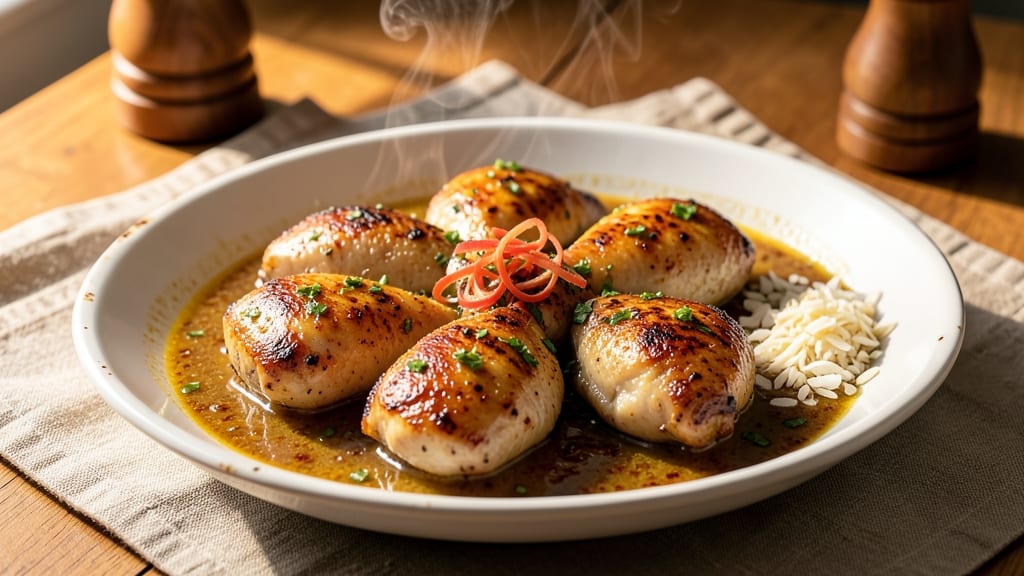
This baked Polynesian chicken recipe brings the flavors of the South Pacific to your dinner table with a tropical coconut-lime crust that's impossible to resist. 🌺 The secret lies in marinating the chicken in a blend of coconut milk, lime zest, and fresh ginger—creating layers of sweet, tangy, and aromatic depth that transform ordinary chicken into a showstopper.
What sets this dish apart is the slow-baked technique, where the chicken develops a golden, caramelized crust while staying juicy inside. The marinade isn't just flavorful—it's functional, tenderizing the meat and infusing it with Polynesian-inspired richness. Pair it with roasted taro or sweet potatoes for a complete island-inspired feast.
The result is a dish that's restaurant-worthy yet simple to prepare, with a balance of textures—crispy edges, tender meat, and a creamy coconut-lime glaze that ties everything together. The aroma alone will have everyone gathering around the table, eager for a taste of the Pacific.
Perfect for family dinners, cultural celebrations, or when you want to impress guests without spending hours in the kitchen. Here's how to bring the flavors of Polynesia to your home.
Ingredients for baked polynesian chicken
Fourteen ingredients, one tropical flavor explosion—this Polynesian chicken is restaurant magic at home.
| Ingredient | Amount | Notes |
|---|---|---|
| Boneless, Skinless Chicken Thighs 🍗 | 1 ½ lb | Trimmed of excess fat for even cooking |
| Full-Fat Coconut Milk 🥥 | 1 can | 13.5 oz can, unsweetened preferred |
| Fresh Lime Zest 🍋 | 2 tbsp | From 2 large limes, finely grated |
| Fresh Ginger 🌿 | ½ cup | Finely grated, peeled root |
| Extra-Virgin Olive Oil 🫒 | ¼ cup | Light variety for delicate flavor |
| Brown Sugar 🍯 | ¼ cup | Light or dark, packed |
| Soy Sauce 🍶 | 2 tbsp | Low-sodium preferred for balance |
| Garlic Cloves 🧄 | 4 cloves | Minced, fresh preferred |
| Fresh Cilantro 🌱 | ¼ cup | Chopped leaves, stems removed |
| Diamond Crystal Kosher Salt 🧂 | 1 tsp | For seasoning, plus extra for crust |
| Ground Black Pepper 🌶️ | ½ tsp | Freshly cracked for best flavor |
| Sweet Paprika 🌶️ | 1 tsp | For color and mild sweetness |
| Honey 🍯 | 1 tbsp | Wildflower preferred for depth |
The coconut milk is non-negotiable here—Thai Kitchen or Goya cans are my go-tos, but any full-fat unsweetened will work. Look for vibrant, creamy color with no separation. Fresh ginger is a must for that island punch, but if you're using powdered, reduce to half the amount. Lime zest should be bright yellow, not dried out. For the chicken, thighs stay juicier than breasts during baking—Trader Joe's has great pre-trimmed ones, or ask your butcher to cut them for you. The brown sugar adds caramel depth, but coconut sugar works too if you want a more authentic touch.
No fresh ginger? Ground ginger at half the amount is fine, though texture will differ. Short on lime zest? Lemon zest works in a pinch, but it's not the same. Soy sauce can be swapped for coconut aminos if you're avoiding soy. The honey adds a subtle sweetness—maple syrup is a great vegan swap. For the cilantro, stems are edible but tough, so chop them separately and add them to the marinade. The olive oil should be light, not extra-virgin—Mazola is perfect for this. If you can't find sweet paprika, smoked paprika at half the amount gives a different but delicious twist.
Marinate the chicken for at least 4 hours—overnight is ideal. Store leftovers in an airtight container for 3 days in the fridge, or freeze for 2 months. The crust gets crispier when reheated, so pop it in the oven for 10 minutes at 375°F before serving. Double the marinade and make extra—it's perfect for rice bowls or stir-fries later. The lime zest keeps for 2 weeks in the freezer if wrapped tightly in plastic.
Why You'll Love This Recipe
- One-Pan Magic: I swear by this—just toss the chicken thighs and coconut milk into a baking dish, add the lime zest and ginger, and let the oven do the work. No chopping, no fussing, and honestly? The cleanup is just rinsing one pan.
- Tropical in Minutes: That first bite of tender chicken with the creamy coconut and bright lime? It’s like a vacation in your mouth. The ginger adds just enough kick to keep it interesting, and the olive oil gives it this rich, golden finish that’s impossible to resist.
- Leftovers That Shine: Between us, this recipe makes way more than I need for one meal, and the leftovers? Even better the next day. I’ll pack it in lunches or reheat it with rice—still juicy, still packed with flavor, and zero takeout guilt.
- Budget-Friendly Feast: Chicken thighs are cheaper than breasts, and coconut milk stretches far with the lime and ginger. I’ve fed six people for under $15, and everyone’s still asking for seconds. Plus, it’s a great way to use up fresh ginger before it goes bad.
Step-by-step instructions for baked Polynesian chicken
Here's how to create that perfect tropical crust with juicy chicken every time.
🍳 Step 1: Marinate the Chicken for Maximum Flavor
In a large bowl, combine the 1 can full-fat coconut milk, 2 tbsp fresh lime zest, 0.5 cup fresh ginger, 2 tbsp soy sauce, 4 cloves minced garlic, 1 tbsp honey, 0.25 cup extra-virgin olive oil, 1 tsp sweet paprika, 1 tsp diamond crystal kosher salt, and 0.5 tsp ground black pepper. Whisk vigorously until the mixture is completely smooth and all ingredients are fully incorporated.
Place the 1.5 lb boneless, skinless chicken thighs in a resealable plastic bag and pour the marinade over them. Seal the bag and gently massage the marinade into the chicken, ensuring every surface is coated. Let it marinate in the refrigerator for at least 4 hours, or ideally overnight. This step is crucial—it infuses the chicken with tropical flavors and tenderizes the meat for perfect baking.
👨🍳 Step 2: Prepare the Coconut-Lime Crust
Preheat your oven to 400°F and line a baking sheet with parchment paper. In a small bowl, mix together 0.25 cup brown sugar, 0.25 cup fresh cilantro, and an additional 1 tsp diamond crystal kosher salt. This forms the sweet-savory crust that will caramelize beautifully during baking.
Remove the marinated chicken from the refrigerator and pat it dry with paper towels—this helps the crust adhere better. Place the chicken thighs on the prepared baking sheet and sprinkle the brown sugar-cilantro mixture evenly over the top. Press gently to ensure the crust sticks to the chicken. The sugar will help create that signature caramelized crust while the cilantro adds a fresh finish.
🔥 Step 3: Bake to Juicy Perfection
Bake the chicken for 35-40 minutes, or until the internal temperature reaches 165°F when measured with a meat thermometer. You'll know it's ready when the crust is deep golden brown and slightly crispy, while the chicken underneath is tender and juicy. For best results, avoid opening the oven door during baking—this helps maintain even heat and prevents the crust from becoming soggy.
Here's the thing—if you see the crust browning too quickly, tent the baking sheet loosely with aluminum foil to prevent burning while still allowing the chicken to cook through. The coconut-lime marinade will create a fragrant aroma that fills your kitchen, signaling that dinner is almost ready.
⏰ Step 4: Rest and Serve with Tropical Flair
Once the chicken reaches the proper temperature, remove it from the oven and transfer it to a cutting board. Let it rest for 10 minutes before serving. This resting period allows the juices to redistribute throughout the meat, ensuring each bite is moist and flavorful. During this time, you can prepare your favorite sides—think tropical salads, steamed vegetables, or coconut rice to complement the dish.
Slice the chicken against the grain for maximum tenderness and serve immediately. The contrast of the crispy coconut-lime crust with the juicy chicken inside creates a restaurant-quality experience that's perfect for a tropical-inspired meal. Don't forget to drizzle any remaining marinade from the baking sheet over the top for extra flavor!
Pro Tips For Making Baked Polynesian Chicken
- Preheat Like It’s Hot: Crank your oven to 425°F (220°C) and let it scream for 10 minutes before adding the chicken. I used to skip this, and the coconut milk would just simmer instead of caramelize—now the thighs get that golden crust while the sauce thickens properly.
- Grate Ginger Fine: Use the smallest holes on your grater for the ginger—no, a microplane isn’t cheating. Lumpy ginger sits at the bottom of the pan like sad little rocks, while fine ginger dissolves into the coconut milk and actually flavors every bite. (Yes, even if you’re impatient like me.)
- Don’t Crowd the Pan: Space those thighs at least 1 inch apart or they’ll steam instead of brown. I learned this the hard way—my first batch came out soggy because I crammed them in like sardines. If your pan is small, bake in two batches.
- Deglaze with Lime First: After browning the chicken, splash in the lime zest and juice before adding coconut milk. The acid cuts through the fat and gives the sauce a bright start—skip this, and you’ll end up with a dull, heavy sauce. (Your future self will notice.)
Health benefits of this recipe
Protein Powerhouse
This Polynesian chicken delivers a whopping 40 grams of complete protein per serving, making it an excellent choice for muscle repair and growth. The coconut milk and chicken combination provides all nine essential amino acids your body needs, while being lower in saturated fat than traditional fried chicken. 💪
Tropical Fat Benefits
The full-fat coconut milk in this recipe contains medium-chain triglycerides (MCTs), which are metabolized quickly for an energy boost. These healthy fats also support brain function and may help reduce cravings.
Just ½ cup of coconut milk per serving provides about 10% of your daily fat needs—the good kind!
Vitamin C Boost
The fresh lime zest and ginger in the marinade pack a powerful vitamin C punch. One serving contains roughly 30% of your daily vitamin C needs, which supports immune function, collagen production, and skin health. The ginger also adds anti-inflammatory benefits that help with digestion and recovery.
Electrolyte Balance
This dish naturally contains potassium from the coconut milk and chicken, plus magnesium from the brown sugar and ginger. These electrolytes help maintain proper muscle function and hydration—perfect after a workout or on hot days when you're sweating more. 💧
Low-Carb Flexibility
While this recipe isn't inherently low-carb, you can easily adapt it by reducing the brown sugar to just 1 tbsp or omitting it entirely. The natural sweetness from the coconut and lime still shines through, making it a great option for those monitoring carb intake while still enjoying tropical flavors.
Digestive Aid
The ginger and cilantro in the marinade and crust act as natural digestive aids. Ginger helps reduce nausea and bloating, while cilantro contains compounds that may help with food sensitivities. The slow-baked method also makes the chicken easier to digest than fried versions, which can be heavy on the stomach.
Nutrition facts
Frequently asked questions
Can I use chicken breasts instead of thighs?
You can, but thighs are ideal for this recipe! Chicken breasts cook faster and can dry out if baked too long. If using breasts, reduce baking time to 25-30 minutes and check at 230°F internal temp. For extra moisture, marinate them for 6-8 hours instead of 4.
What sides pair best with this Polynesian chicken?
Think tropical flavors! Serve with coconut rice, roasted taro, or sweet potato mash. For a fresh contrast, add a simple mango-avocado salad or steamed greens with lime dressing. The sweetness of the crust balances perfectly with tangy sides.
How do I prevent the crust from getting soggy?
Pat the chicken completely dry before adding the crust, and bake at 400°F without opening the oven. If browning too fast, tent loosely with foil. The sugar in the crust needs dry heat to caramelize properly—don't skip this step!
Can I make this recipe ahead of time?
Marinate the chicken for 1-2 days ahead for deeper flavor. Bake it a day before serving, then reheat at 350°F for 15 minutes to crisp the crust. Store leftovers in an airtight container for 3 days or freeze for 2 months.
What if I don't have fresh ginger?
Use ½ tsp ground ginger per 0.5 cup called for, but fresh is best for authentic flavor. If you have ginger paste, measure 1:1**—it's more concentrated. The marinade will still work, though the texture will differ slightly.