
Main Courses
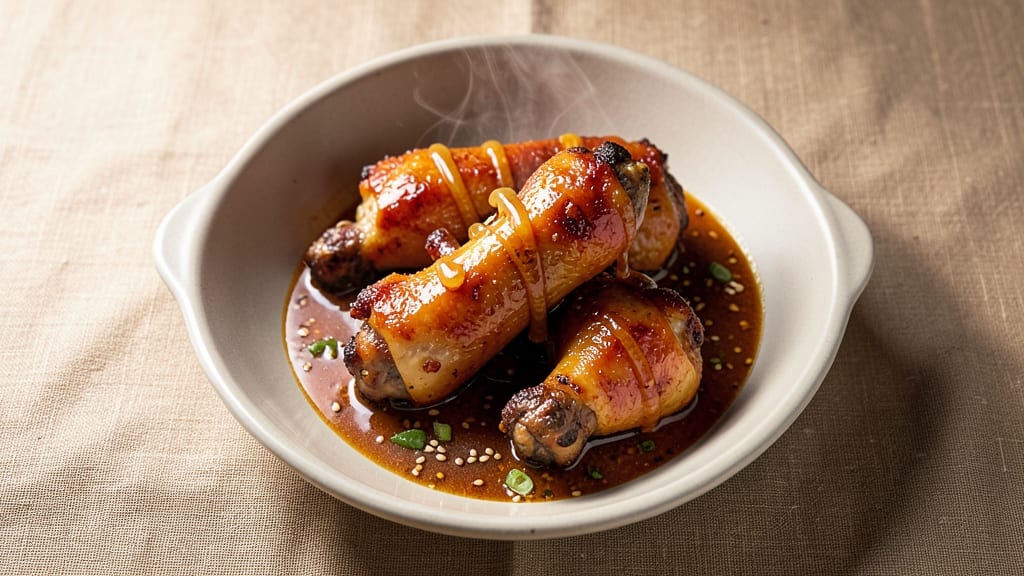
This baked teriyaki chicken legs recipe delivers restaurant-quality results with a glazed caramelized crunch that'll have everyone asking for seconds. The secret lies in marinating the chicken overnight, then baking until the teriyaki sauce caramelizes into a sticky, sweet glaze that clings to every bite.
I perfected this technique after years of experimenting with different glazing methods—this one consistently delivers that perfect balance of tender meat and irresistible sauce.
The beauty of this recipe is its simplicity: just a few pantry staples come together to create a dish that's foolproof and impressive. You'll start with bone-in chicken legs (their natural juices keep the meat moist), then coat them in a marinade of soy sauce, ginger, garlic, and brown sugar.
After baking, the sauce thickens into a glossy glaze with deep caramelized edges, while the chicken stays juicy and flavorful all the way through.
What you'll end up with is golden-brown chicken legs glistening with that perfect teriyaki glaze—crispy on the outside, tender on the inside, and packed with sweet-savory flavor. The aroma alone will have your whole house smelling like a Japanese izakaya, but the taste is where it truly shines.
This dish pairs beautifully with steamed rice or roasted vegetables, making it a complete meal that's perfect for weeknight dinners or weekend gatherings.
Best of all, this recipe scales effortlessly—whether you're feeding a family of four or hosting a crowd. The marinating process can be done ahead of time, and the baking requires minimal attention, so you'll have more time to enjoy the results.
Let's get started on creating these unforgettable teriyaki chicken legs!
Ingredients for baked teriyaki chicken legs
These restaurant-quality ingredients create that perfect teriyaki glaze you crave—crunchy, caramelized, and sticky-sweet.
| Ingredient | Amount | Notes |
|---|---|---|
| Bone-In Chicken Legs 🍗 | 4 whole | Thighs and drumsticks, skin-on preferred |
| Soy Sauce 🥄 | ½ cup | Low-sodium preferred for balance |
| Brown Sugar 🍯 | ½ cup | Packed, light or dark variety |
| Garlic Cloves 🧄 | 6 cloves | Minced for marinade |
| Fresh Ginger 🌿 | 2 tbsp | Grated, not powdered |
| Honey 🍯 | 2 tbsp | Wildflower or clover preferred |
| Rice Vinegar 🍶 | 2 tbsp | Seasoned or white vinegar |
| Sesame Oil 🫒 | 1 tbsp | Toasted sesame oil for aroma |
| Cornstarch 🌾 | 1 tbsp | For glaze thickening |
| Vegetable Oil 🫒 | 1 tbsp | For greasing baking pan |
| Salt 🧂 | 1 tsp | Kosher or sea salt |
| Black Pepper 🌶️ | ½ tsp | Freshly ground preferred |
| Sesame Seeds 🌾 | 1 tbsp | Toasted for garnish |
The chicken legs are the star—look for bone-in, skin-on at Trader Joe's or your local butcher for the best flavor. Thighs and drumsticks work together perfectly, with the thigh's richness balancing the drumstick's crispiness. If you can't find bone-in, skin-on, bone-in skinless is the next best thing. The freshness matters here: chicken should smell clean and have a pale pink color. For a crowd, double the batch—these disappear fast! Pro tip: pat them dry before marinating for better glaze adhesion.
No sesame oil? Toasted peanut oil works in a pinch, though the flavor will differ slightly. Swapping honey for maple syrup keeps it vegan-friendly, but the caramelization won't be quite as dramatic. The brown sugar can be swapped for white sugar plus 1 tsp molasses if you're out, though the color will be lighter. For extra depth, add 1 tsp grated lemon zest to the marinade—trust me, it elevates everything. And if you're using low-sodium soy sauce, skip adding extra salt unless your water is particularly soft.
Marinate the chicken overnight for maximum flavor, but if you're short on time, at least 4 hours works. The sauce thickens beautifully during baking, but if you want extra glaze, brush on a little more after the first 20 minutes. These reheat wonderfully—350°F for 10-15 minutes brings them back to perfection. Store leftovers in the fridge for up to 4 days or freeze for 3 months. Garnish with toasted sesame seeds right before serving—they add that crunchy contrast that makes this dish unforgettable.
Why You'll Love This Recipe
- One-Pan Magic: I swear by this—just toss the chicken legs on a sheet pan, drizzle with soy sauce and brown sugar, and let the oven do the work. No pots, no pans, no stress. The garlic and ginger caramelize right into the skin while you’re scrolling through your phone.
- Sweet-Savory Balance: That sticky teriyaki glaze? It’s the kind of flavor you’ll lick off your fingers. The brown sugar cuts through the saltiness of the soy sauce, and the garlic-ginger punch makes every bite feel like a little flavor explosion. Honestly, my kids fight over the last piece.
- Meal Prep MVP: Make a big batch on Sunday, and you’ve got lunch or dinner covered all week. The leftovers reheat like a dream—crispy edges stay crispy, and the sauce doesn’t turn to mush. (Yes, even on a Tuesday night when you’re too tired to cook.)
- Budget-Friendly Feast: Bone-in chicken legs are cheaper than breasts, and this recipe stretches them into a full meal. Plus, the ingredients? Basic pantry stuff. You’re feeding a crowd for the price of takeout, and it’s way better than frozen nuggets.
Step-by-step instructions for glazed baked teriyaki chicken legs
Here's how to create restaurant-quality teriyaki chicken with irresistible caramelized edges and sticky-sweet glaze.
Prepare the Teriyaki Marinade and Glaze
In a medium bowl, combine the 0.5 cup soy sauce, 0.5 cup packed brown sugar, 2 tablespoons honey, 2 tablespoons rice vinegar, 1 tablespoon sesame oil, 1 teaspoon salt, and 0.5 teaspoon black pepper. Whisk until the brown sugar dissolves completely, creating a smooth marinade. This mixture should coat the back of a spoon with a rich, glossy consistency.
In a separate small bowl, mix the 6 cloves minced garlic and 2 tablespoons grated fresh ginger with 1 tablespoon cornstarch. This creates a flavor-packed thickening agent that will give the glaze its signature glossy finish. Set both mixtures aside—the marinade will tenderize the chicken while the glaze will create that coveted caramelized crust.
Marinate the Chicken Legs
Pat the 4 whole bone-in chicken legs dry with paper towels to remove any moisture—this helps the marinade adhere better and promotes crispier skin. Place them in a large resealable plastic bag and pour the marinade over them. Gently massage the bag to ensure every inch of chicken is coated, including the skin. Seal the bag and refrigerate for at least 2 hours (overnight works best for maximum flavor penetration).
During marinating, the chicken absorbs the sweet-savory blend while the acid in the rice vinegar begins to tenderize the meat. The longer it marinates, the more flavorful and juicy your chicken will be. Pro tip: If you're short on time, marinate for just 30 minutes—it'll still be delicious, just slightly less tender.
Prep the Chicken for Baking
Preheat your oven to 400°F and position a rack in the middle position. Lightly grease a large baking sheet with 1 tablespoon vegetable oil—this prevents sticking and helps create that perfect caramelized crust. Remove the chicken from the marinade (reserve the marinade for later) and place them skin-side up on the prepared baking sheet.
Brush the chicken legs generously with the reserved marinade, ensuring they're completely coated. Sprinkle the 1 tablespoon sesame seeds evenly over the top—these will toast beautifully during baking and add a delightful crunch. The sesame seeds also help create a textural contrast against the soft, sticky glaze.
Bake Until Caramelized and Juicy
Bake the chicken legs for 45 minutes, then flip them over (skin-side up) and continue baking for another 15-20 minutes until the skin is deep golden brown and crispy, and the internal temperature reaches 175°F in the thickest part of the thigh. The skin should be so crispy it almost crackles when you touch it, while the meat underneath remains juicy and tender.
During the last 5 minutes of baking, keep an eye on the chicken—this is when the magic happens as the sugars in the marinade caramelize into a glossy glaze. If the glaze starts to darken too quickly, tent the baking sheet with aluminum foil to prevent burning while still allowing it to cook through.
Glaze and Rest for Maximum Flavor
Remove the chicken from the oven and immediately brush any remaining pan juices over the top of each leg. Return them to the oven for 2-3 minutes to finish caramelizing the glaze. The result should be a thick, sticky coating that clings beautifully to the crispy skin.
Let the chicken rest for 5 minutes before serving—this allows the juices to redistribute throughout the meat, ensuring each bite is moist and flavorful. Serve immediately with steamed rice and a simple side salad to soak up that delicious teriyaki sauce. The contrast of crispy skin, tender meat, and sweet-savory glaze makes every bite unforgettable!
Pro Tips For Making Baked Teriyaki Chicken Legs
- SAUTE GARLIC GINGER FIRST: Skip tossing raw garlic and ginger straight into the marinade—sauté them in oil for 30 seconds until fragrant. This builds flavor depth that soaking alone can’t match, especially when baking later. (Yes, even if you’re impatient like me, don’t skip this—it’s the thing that makes the sauce taste homemade.)
- USE LESS SOY SAUCE: The recipe probably calls for ½ cup soy sauce, but start with ⅓ cup and taste the marinade. Soy sauce concentrates when baked, so overdoing it makes the sauce bitter. I learned this the hard way after turning my teriyaki into a salty glaze.
- BAKE SKIN-SIDE DOWN FIRST: Place chicken legs skin-side down on the tray for the first 20 minutes at 375°F (200°C). This renders fat slowly, keeping the meat juicy while the skin crisps. Flip only when it’s golden—no peeking, or you’ll dry them out.
- GLAZE IN BATCHES: Don’t drown the chicken in sauce—brush half the teriyaki mixture on first, bake 15 minutes, then add the rest. This prevents soggy skin and lets the sauce caramelize properly. (Your future self will thank you when the skin stays crisp.)
Wine and beer pairings for this dish
Japanese Sake Pairings
For teriyaki chicken, a crisp dry sake like Hakkaisan Junmai Daiginjo (60% ABV) is my go-to choice. The clean, slightly floral notes cut through the sweetness of the glaze while complementing the umami from the soy sauce.
If you prefer something fruitier, try a Koshu—its peach and melon undertones mirror the honey in the marinade beautifully. 🍶
Light Lager Complements
A refreshing Japanese lager like Asahi Super Dry (4.5% ABV) balances the richness of the dish perfectly. The subtle malt sweetness enhances the caramelized edges, while its crisp finish cleanses your palate between bites. For a local option, Sapporo works just as well—both are widely available and budget-friendly.
Red Wine Alternative
If you're serving this with a red wine crowd, a light Pinot Noir from Oregon like Domaine Serene (13.5% ABV) pairs surprisingly well. The red fruit notes harmonize with the teriyaki's sweetness, while the earthy tannins stand up to the crispy chicken skin. Avoid heavy Cabernets—they'll overpower the delicate flavors.
Non-Alcoholic Options
Don't overlook yuzu soda (like Kirin Yuzu Soda) for a refreshing non-alcoholic pairing. The citrusy bubbles cut through the richness, while the yuzu's tartness balances the sweet glaze. For something warmer, try Japanese barley tea (mugicha)—its nutty notes complement the sesame and ginger beautifully. ✨
Beer Style Guide
For craft beer lovers, a Belgian Witbier like Stella Artois** (5% ABV) adds a citrusy contrast that brightens each bite. The coriander notes in these beers play wonderfully with the ginger in the marinade. Avoid hoppy IPAs—they'll clash with the sweet-savory balance of the dish.
Nutrition facts
Frequently asked questions
Can I use boneless chicken thighs instead of bone-in legs?
Yes, but you'll miss that extra juiciness! Bone-in legs stay moist longer thanks to the natural juices trapped inside. If using boneless thighs, reduce baking time by 10-15 minutes since they cook faster. For best results, marinate them 2 hours minimum and check doneness at 165°F internal temperature. The skin won't crisp as dramatically without the bone, but the flavor will still be fantastic!
How do I prevent the teriyaki glaze from burning?
Watch closely during the last 5 minutes of baking—this is when sugars caramelize fastest. If the glaze darkens too quickly, tent with aluminum foil to slow cooking while keeping heat circulating. For extra insurance, bake at 375°F instead of 400°F and add 5-10 minutes to total time. The glaze should be glossy, not charred!
What's the best way to reheat leftovers?
Place leftovers in a 350°F oven for 10-15 minutes on a wire rack (to prevent sogginess). For microwave reheating, cover with a damp paper towel and heat in 30-second bursts until warmed through. Avoid steaming—it turns the skin rubbery. Pro tip: Reheat skin-side down for crispier results!
Can I make this recipe ahead of time?
Marinate the chicken up to 2 days ahead and store in the fridge. For best texture, bake fresh, but you can refrigerate cooked chicken for 4 days or freeze for 3 months. The glaze stays sticky when frozen—thaw overnight in the fridge before reheating. For parties, assemble the marinade and prep chicken the night before!
Why is my chicken skin not crispy?
Crispy skin requires 3 key things: dry chicken (pat thoroughly!), high heat (400°F minimum), and skin-side up for most of baking. If your oven runs hot, reduce temp to 375°F. For extra crunch, sprinkle 1 tsp cornstarch on the skin before baking. The glaze should caramelize while the skin crisps—don't flip too early!