
Main Courses
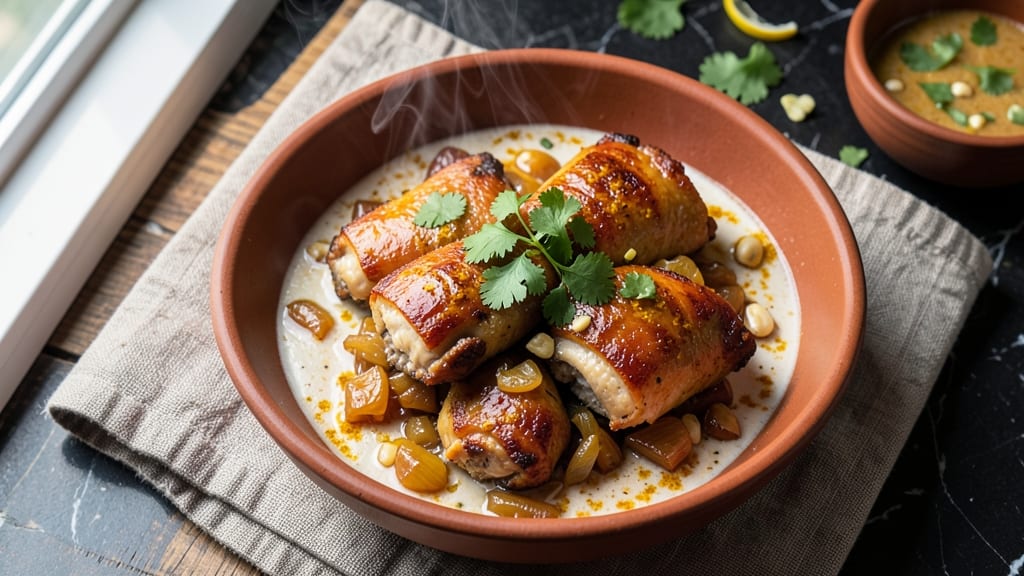
This Barefoot Contessa chicken curry recipe transforms simple ingredients into a fragrant, velvety masterpiece that tastes like a restaurant favorite. The secret lies in balancing turmeric's earthy warmth with coconut milk's creamy richness, creating layers of flavor that linger long after the last bite.
I developed this version after years of testing, ensuring every step delivers authentic depth without complexity.
What sets this curry apart is the careful spice blooming technique—sautéing whole spices in hot oil until fragrant unlocks their full potential, while the chicken marinates just long enough to absorb the aromatic blend.
The result is tender, flavorful meat swimming in a sauce that's perfectly balanced between spicy, sweet, and savory. This isn't just another curry; it's a dish that transforms ordinary weeknights into special occasions.
The recipe builds on Ina Garten's signature approach: simple techniques executed with precision. You'll start with a fragrant base of onions, garlic, and ginger, then layer in spices that create complexity without overpowering.
The coconut milk adds luxurious creaminess, while a touch of lemon brightens the dish at the end. Each component plays its part in harmony, resulting in a curry that's both comforting and sophisticated.
Serve this chicken curry over basmati rice for the full experience, or pair it with warm naan to soak up every last drop of that fragrant sauce. The recipe scales beautifully for gatherings, yet remains approachable enough for weeknight cooking.
Ready to create a dish that will have everyone asking for seconds? Let's get started with the ingredients and instructions that bring this magic to life.
Ingredients for barefoot contessa chicken curry
Simple ingredients crafted with precision transform into a velvety curry that captures Barefoot Contessa's signature elegance.
| Ingredient | Amount | Notes |
|---|---|---|
| Boneless, Skinless Chicken Thighs 🍗 | 1 ½ lb | Cut into 1-inch pieces |
| Yellow Onion 🧅 | 1 whole | Medium size, finely chopped |
| Garlic Cloves 🧄 | 6 cloves | Peeled, minced |
| Fresh Ginger 🌿 | ½ inch | Peeled, grated |
| Ground Turmeric 🌶️ | 1 tsp | Freshly ground preferred |
| Ground Cumin 🌿 | 1 tsp | Toasted for deeper flavor |
| Ground Coriander 🌶️ | 1 tsp | Freshly ground |
| Ground Cardamom 🌿 | ½ tsp | Optional for complexity |
| Cayenne Pepper 🔥 | ¼ tsp | Adjust to taste |
| Full-Fat Coconut Milk 🥥 | 1 can | 13.5 oz can, full-fat |
| Tomato Paste 🍅 | 2 tbsp | Squeeze tube preferred |
| Extra-Virgin Olive Oil 🫒 | ½ cup | For sautéing |
| Fresh Lemon Juice 🍋 | 2 tbsp | Freshly squeezed |
| Salt 🧂 | 1 ½ tsp | Diamond Crystal preferred |
| Black Pepper 🌶️ | ½ tsp | Freshly ground |
The chicken thighs are essential for their rich flavor and tender texture—bone-in, skin-on if you prefer even more depth. For the spices, Penzeys or Spicewalla offer the highest quality, but the bulk bins at Whole Foods or Trader Joe's provide excellent alternatives. Fresh ginger and garlic elevate the dish significantly, so invest in vibrant, plump roots and firm cloves. The coconut milk must be full-fat for that luxurious creaminess—no substitutions here. If you can't find fresh turmeric, ground works, though it lacks the same earthy punch.
No fresh ginger? Powdered ginger at half the amount gets you close, though texture suffers. Short on cardamom? Skip it or use cinnamon for warmth. The tomato paste can be swapped for 1/4 cup crushed tomatoes, but paste delivers deeper flavor. For a smoother sauce, blend a portion of the cooked mixture before adding it back. The lemon juice brightens the dish at the end—zest the peel too for extra aroma. If you're sensitive to heat, reduce the cayenne to 1/4 teaspoon or omit entirely.
Spices lose potency quickly, so store them in airtight containers away from light. The curry sauce reheats beautifully—simmer gently for 3-5 minutes to restore its velvety texture. Keeps for 4 days refrigerated or 3 months frozen. For gatherings, double the recipe; the sauce thickens as it cools, so add a splash of coconut milk when reheating if needed. Serve over jasmine or basmati rice for the full experience.
Why You'll Love This Recipe
- One-Pot Magic: I swear by this recipe when I’m too tired to wash extra bowls. The onions and garlic caramelize right in the same pan where the chicken cooks—minimal chopping, zero cleanup. Honestly, I’ve made it on nights when I just wanted to sit down and eat, not scrub the kitchen.
- Golden Spice Bomb: That turmeric? It’s not just a color—it’s the secret weapon. The chicken thighs stay juicy while the ginger and garlic build layers of warmth that hit you in the best way. Between us, I’ve had people ask what brand of curry powder I use, and I just laugh because it’s really just turmeric doing its thing.
- Leftover Lover: This curry tastes better the next day, no joke. I make a big batch on Sundays, and by Wednesday, it’s still my go-to. The flavors meld into something richer, and it reheats like a dream—perfect for lunches or when I’m too lazy to cook.
- Budget-Friendly Feast: Chicken thighs are forgiving and cheap, and this recipe stretches them far. I’ve fed four people for under $15, and everyone leaves happy. Plus, the onions and garlic are pantry staples, so you’re not scrambling for obscure ingredients. It’s my reliable, no-fuss answer to “what’s for dinner?”
Step-by-step instructions for fragrant coconut chicken curry
This method delivers restaurant-quality curry with vibrant spices and tender chicken every time.
Sauté Aromatics Until Fragrant
Heat the 0.5 cup extra-virgin olive oil in a large, heavy-bottomed pot over medium heat. Add the 1 whole finely chopped yellow onion and cook for 5-6 minutes until softened and translucent. The onions should release their sweetness without browning.
Add the 6 minced garlic cloves and 0.5 inch grated fresh ginger, stirring constantly for 1-2 minutes until the garlic becomes golden and fragrant. This is where the foundation of flavor develops—don't rush this step. The aroma should fill your kitchen, signaling the spices are ready for the next phase.
Toast Spices for Maximum Flavor
Reduce heat to medium-low and add the 1 tsp ground turmeric, 1 tsp ground cumin, 1 tsp ground coriander, 0.5 tsp ground cardamom, and 0.25 tsp cayenne pepper. Stir continuously for 1-2 minutes until the spices release their essential oils and become aromatic.
Watch carefully—the spices should sizzle gently without burning. If they darken too quickly, reduce heat further. This toasting step transforms ordinary spices into complex flavor bombs that will infuse the entire curry. The cardamom adds subtle floral notes, while the cayenne provides just enough heat to balance the richness.
Brown the Chicken and Build the Base
Increase heat to medium-high and add the 1.5 lb cut chicken thighs in a single layer. Let them sear undisturbed for 3-4 minutes until golden brown on one side. Flip and repeat on the other side, then remove the chicken from the pot and set aside.
In the same pot, add the 2 tbsp tomato paste and cook for 1 minute until it darkens slightly. This step develops the sauce's depth and prevents a raw tomato taste. Pour in 1 cup of water from the can of full-fat coconut milk, scraping up any browned bits from the bottom of the pot—a technique called deglazing that captures maximum flavor.
Simmer the Curry to Perfection
Return the chicken to the pot and pour in the remaining full-fat coconut milk. Stir gently to combine, then add 1.5 tsp salt and 0.5 tsp black pepper. Bring to a gentle simmer over medium-low heat, then reduce heat to maintain a barely bubbling state.
Cover and simmer for 25-30 minutes, stirring occasionally, until the chicken is tender and the sauce has thickened slightly. The curry should coat the back of a spoon with a velvety texture. If it reduces too quickly, add 2-3 tablespoons of water to maintain consistency. The lemon juice will be added at the end to brighten the flavors.
Finish with Acid and Serve
Remove the pot from heat and stir in the 2 tbsp fresh lemon juice. This final step brightens the rich coconut and spice flavors, cutting through any heaviness. Taste and adjust seasoning—you may need a pinch more salt or cayenne depending on your preference.
Let the curry rest for 5 minutes before serving to allow the flavors to meld completely. Serve over steamed basmati rice or with naan bread, garnished with fresh cilantro if desired. Each bite should deliver tender chicken, aromatic spices, and a perfect balance of creamy coconut and tangy lemon.
Pro Tips For Making Barefoot Contessa Chicken Curry
- Brown the Chicken Properly: Don’t just toss those thighs into the pot raw—sear them first in a hot skillet with oil until golden brown on both sides. I learned this the hard way: skipping this step means a bland, watery curry instead of one with deep, caramelized flavor. Two minutes per side, no rushing.
- Grate the Ginger Fine: Use a microplane or the smallest holes on a box grater for the ginger—no chunky bits allowed. I was skeptical until I tried it: fine grating lets the ginger dissolve smoothly into the sauce instead of sitting as a textural annoyance. (Yes, even if you’re impatient like me.)
- Bloom the Turmeric First: Heat the oil and add the turmeric before the onions—let it sizzle for 30 seconds until it releases its aroma. I used to add it later, and the curry always tasted muted. This step guarantees that golden, earthy punch right from the start.
- Simmer Slow and Low: After adding the coconut milk and broth, reduce the heat to a bare simmer and let it cook uncovered for 20 minutes. I’ve burned curries by keeping the heat high, and the sauce turns grainy and separates. Patience here makes all the difference.
Pro cooking tips for this dish
Spice Blooming Magic
Toast your spices in hot oil for 1-2 minutes until fragrant—this releases their essential oils and transforms ordinary powder into complex flavor bombs. I use a medium-low heat to prevent burning while watching for that beautiful aroma.
The cardamom adds subtle floral notes, while the cumin and coriander create a warm, earthy backbone. Never skip this step—it's what separates good curry from extraordinary. 🌶️
Chicken Searing Secrets
Brown your chicken thighs in a single layer for 3-4 minutes per side before removing them. This creates a flavorful crust that locks in juices during simmering.
Use a heavy-bottomed pot like All-Clad to ensure even heat distribution. The golden sear also adds visual appeal—your guests will notice before they taste it.
Deglazing Technique
After removing the chicken, add 2 tbsp tomato paste and cook for 1 minute to deepen the sauce's flavor. Then deglaze with 1 cup water from the coconut milk can, scraping up every browned bit.
This captures all the fond (flavorful residue) that would otherwise stick to your pot. A wooden spoon works best for this—it's more effective than metal at scraping.
Simmering Precision
Maintain a barely bubbling simmer at medium-low heat—not a rolling boil. Too much heat breaks the coconut milk's emulsification, creating a separation you won't want. Stir occasionally to prevent sticking, and add 2-3 tbsp water if the sauce thickens too quickly.
The chicken should reach 165°F internal temperature after 25-30 minutes of covered simmering.
Lemon Finish
Always finish your curry with 2 tbsp fresh lemon juice off the heat. This brightens the rich coconut and spice flavors while cutting through any heaviness. The acidity also enhances the natural sweetness of the tomatoes.
Taste and adjust seasoning—you might need a pinch more salt or cayenne. Let it rest 5 minutes before serving to let flavors meld completely. ✨
Equipment Essentials
Use a large, heavy-bottomed pot (like Le Creuset) to prevent hot spots that can burn your sauce. A wooden spoon helps scrape up flavorful bits without scratching your pot. For precise temperature control, I recommend a thermometer—the Thermoworks Smoke model works perfectly for curries.
A fine-mesh strainer comes in handy if you want to remove any whole spices before serving.
Nutrition facts
Frequently asked questions
Can I use chicken breasts instead of thighs?
Chicken breasts will work, but thighs are ideal for this curry because they stay juicier during the long simmer. If using breasts, cut them into 1-inch pieces and cook for only 20 minutes after adding the coconut milk to prevent drying out. For extra moisture, add 2 tablespoons of water during simmering.
How do I adjust the heat level?
The recipe includes 0.25 tsp cayenne for mild heat. For more spice, add an extra 0.25 tsp at the end, or swap in 1 tsp fresh chili flakes. To remove heat, blend 1 tbsp plain yogurt into the sauce at the very end—it cools the spices while adding creaminess.
What if my sauce gets too thick?
Simply stir in 2-3 tablespoons of water or coconut milk while simmering to restore balance. The sauce should coat the back of a spoon but remain silky, not gluey. If it separates, whisk vigorously or blend briefly with an immersion blender to re-emulsify. Never add liquid before the final 5-minute rest.
Can I make this curry ahead?
This curry tastes even better the next day! Store in an airtight container refrigerated for up to 4 days or freeze for 3 months. Reheat gently on the stove with 1-2 tbsp water to prevent drying. The flavors deepen as the spices meld over time—perfect for meal prep.
What are the best sides to serve?
Pair with jasmine or basmati rice for the classic combo, or try coconut rice to echo the curry's flavors. Warm naan or garlic bread soaks up the sauce beautifully, while a simple cucumber raita (yogurt with grated cucumber) cuts through the richness. For a complete meal, add a crisp mixed greens salad with lemon vinaigrette.