
Main Courses
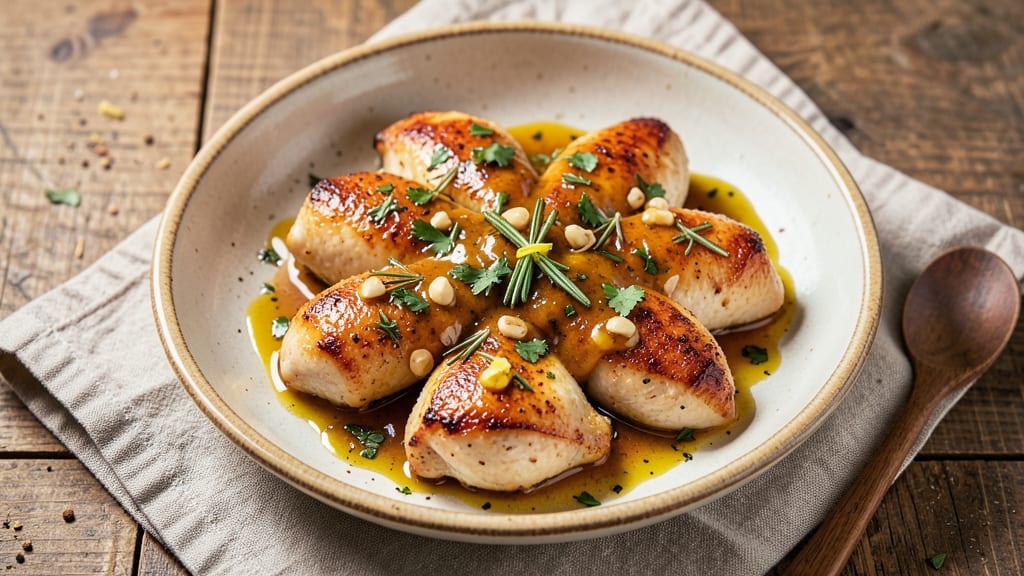
Barefoot Contessa's Tuscan lemon chicken transforms simple ingredients into a restaurant-worthy dish with just a few key techniques. The secret lies in marinating chicken thighs overnight in a bright blend of lemon, garlic, and fresh herbs—creating tender, flavorful meat that practically falls apart.
This isn't just another lemon chicken; it's a dish that balances acidity with richness, delivering that signature Barefoot Contessa elegance.
The magic happens in the pan sauce, where the same marinade reduces into a velvety, herb-infused sauce that clings to every bite. While the chicken roasts to golden perfection, you'll have time to prepare complementary sides like garlic bread or roasted vegetables—keeping the meal cohesive and stress-free.
The result is a dish that feels special without requiring complicated techniques or hours in the kitchen.
What you'll end up with is juicy, herb-kissed chicken thighs served over a pool of that luscious pan sauce, garnished with fresh parsley for a pop of color. The lemon brightens the dish while the herbs add depth, creating a perfect balance that's both comforting and sophisticated.
This is the kind of meal that makes weeknight dinner feel like a celebration.
Serve with crusty bread to soak up every last drop of that incredible sauce, or pair it with a simple arugula salad for a complete Tuscan-inspired feast.
The recipe scales beautifully, making it ideal for both intimate dinners and gatherings with friends. Let's get cooking—this is chicken you'll want to make again and again.
Ingredients for barefoot contessa tuscan lemon chicken
Six aromatic herbs, zesty lemon, and golden thighs—this Tuscan-inspired lineup delivers restaurant magic at home.
| Ingredient | Amount | Notes |
|---|---|---|
| Boneless, Skinless Chicken Thighs 🍗 | 1 ½ lb | Trimmed of excess fat for cleaner sauce |
| Fresh Lemon Juice 🍋 | ½ cup | From 2-3 large lemons, freshly squeezed |
| Garlic Cloves 🧄 | 6 cloves | Minced for marinade and pan sauce |
| Fresh Flat-Leaf Parsley 🌿 | ½ cup | Stems removed, loosely packed |
| Fresh Rosemary 🌿 | ¼ cup | Needles finely chopped |
| Extra-Virgin Olive Oil 🫒 | ½ cup | High-quality, fruity variety |
| Unsalted Butter 🧈 | 3 tbsp | Cold, cubed for pan sauce |
| Diamond Crystal Kosher Salt 🧂 | 1 ½ tsp | For seasoning and sauce |
| Freshly Ground Black Pepper 🌶️ | ½ tsp | Freshly cracked for brightness |
| All-Purpose Flour 🌾 | 1 tbsp | For thickening pan sauce |
| Fresh Thyme Leaves 🌿 | ¼ cup | From 4-5 sprigs, loosely packed |
| Dried Oregano 🍃 | ½ tsp | For depth in marinade |
| Red Wine Vinegar 🍷 | 1 tbsp | For acidity balance |
The chicken thighs are non-negotiable here—bone-in, skin-on for flavor, but boneless for ease. Trader Joe's and Whole Foods carry excellent cuts, but any grocery store's fresh case will do. Look for thighs with good marbling—that white fat is flavor gold. Fresh herbs are a must (the good stuff, not the pre-chopped kind), but if you're in a pinch, dried oregano and thyme work at one-third the amount. The lemons should be bright yellow with a little give when squeezed—no green ends. For the olive oil, California avocado oil or a fruity Tuscan EVOO adds that authentic touch.
No fresh rosemary? Substitute 0.25 cup fresh thyme—it's what I do when I forget to grab it. Running low on butter? Olive oil works in a pinch, though the sauce won't be quite as rich. The red wine vinegar can be swapped for white wine vinegar, but it'll lack that subtle depth. For the flour, all-purpose is fine, but if you've got arrowroot powder, use half the amount for a silkier sauce. The key is balancing acidity—taste as you go. If your marinade tastes too sharp, add a pinch more salt or a drizzle of olive oil to mellow it out. And trust me on the extra lemon juice—it's what makes this dish sing.
Marinate the chicken overnight for maximum flavor, but even 4 hours makes a difference. Store the marinade (with raw chicken) in a sealed container in the fridge. The cooked chicken reheats beautifully—350°F for 15 minutes until warmed through. The pan sauce keeps for 3 days in the fridge, but it's best used fresh. For make-ahead prep, cook the chicken and refrigerate it separately, then make the sauce just before serving. The herbs? Wrap them in damp paper towels and store in a bag—they'll stay fresh for 5 days. Freeze the marinade (without chicken) for 3 months if you want to prep ahead.
Why You'll Love This Recipe
- One-Pan Magic: I swear by this recipe when I’m too tired to scrub pots—just toss the chicken thighs, garlic, and herbs on a sheet pan, drizzle with lemon juice, and let the oven do the work. No chopping, no fuss, and the rosemary infuses the whole kitchen with that fresh, woodsy scent.
- Zesty Garlic Hug: That bright lemon juice cutting through the garlic and rosemary? It’s like a flavor hug for your taste buds. The chicken stays juicy while the edges get just crisp enough—honestly, I’ve made it for picky eaters, and even they ask for seconds.
- Weeknight Workhorse: Between us, this is my go-to when I need something reliable. Double the batch on Sunday, and you’ve got lunch for Tuesday or a last-minute dinner guest covered. The leftovers reheat beautifully, and the lemon keeps it from getting dry.
- Budget-Friendly Luxury: Chicken thighs are forgiving and cheap, but they taste like a fancy restaurant dish here. Fresh herbs might seem like a splurge, but a little goes a long way—plus, the flavor is so rich, you won’t miss overpriced shortcuts. My wallet and taste buds thank me.
Step-by-step instructions for herb-infused Tuscan lemon chicken
Here's how to create Barefoot Contessa's signature dish with vibrant flavors and silky pan sauce.
Create the Herb Marinade and Tenderize the Chicken
In a large bowl, combine the 0.5 cup fresh lemon juice, 6 cloves minced garlic, 0.25 cup finely chopped fresh rosemary, 0.25 cup fresh thyme leaves, 0.5 tsp dried oregano, 1 tbsp red wine vinegar, and 1.5 tsp kosher salt. Whisk until the salt dissolves completely—this ensures even distribution throughout the marinade.
Add the 1.5 lb boneless, skinless chicken thighs to the marinade, turning to coat them thoroughly. Cover and refrigerate for at least 4 hours (overnight works best). The acid in the lemon juice and vinegar will tenderize the chicken while infusing it with bright, herby flavors. You'll know it's ready when the chicken absorbs the marinade and develops a fragrant aroma.
Sear the Chicken for Maximum Flavor
Remove the chicken from the marinade (reserve the marinade for later) and pat dry with paper towels—this step is crucial for achieving crispy skin. Heat a large skillet over medium-high heat and add 0.25 cup extra-virgin olive oil. Once the oil shimmers (about 2 minutes), add the chicken in a single layer, being careful not to overcrowd the pan.
Sear the chicken for 5-6 minutes per side until golden brown and cooked through to an internal temperature of 165°F. The skin should be crispy, and the chicken should release easily from the pan. Transfer the chicken to a plate and tent loosely with foil to keep warm while you prepare the sauce.
Build the Pan Sauce from Scratch
Reduce the heat to medium and add the remaining 0.25 cup extra-virgin olive oil to the same skillet. Pour in the reserved marinade and scrape up any browned bits from the bottom of the pan—these contain concentrated flavor. Bring to a gentle simmer and cook for 3-4 minutes until slightly reduced.
In a small bowl, whisk together 1 tbsp all-purpose flour and 0.5 tsp freshly ground black pepper. Gradually whisk this mixture into the simmering marinade, stirring constantly to prevent lumps. Cook for another 2 minutes until the sauce thickens slightly. Remove from heat and stir in 3 tbsp cold cubed unsalted butter, allowing it to melt and create a rich, velvety texture.
Finish with Fresh Herbs and Serve
Return the chicken to the skillet and spoon the sauce generously over the top. Let it sit for 1-2 minutes to absorb the flavors. Sprinkle with 0.5 cup chopped fresh flat-leaf parsley and serve immediately, drizzled with additional sauce if desired.
The result should be tender, juicy chicken with a crispy exterior, bathed in a bright, herby lemon sauce that's perfectly balanced between tangy and rich. Serve with crusty bread or over polenta to soak up every last drop of that incredible pan sauce.
Pro Tips For Making Barefoot Contessa Tuscan Lemon Chicken
- CRANK THE HEAT FIRST: The recipe calls for browning the chicken, but I used to lowball the heat and end up with steamed thighs instead of golden, crisp edges. Start with your pan on medium-high—you’re not searing steak, but the chicken needs enough heat to develop that crust before the lemon and herbs take over. Once you add the liquid, you can dial it back, but that initial sear makes all the difference.
- ZEST THOSE LEMONS: Fresh lemon juice is non-negotiable, but don’t skip the zest—it’s the citrusy backbone of the sauce. Use a fine grater and get about 1 teaspoon of zest (the yellow part only, no white pith). I learned this the hard way: bottled lemon juice lacks depth, and skipping the zest leaves the dish tasting flat. Do it while the pan’s heating; it’s one less thing to juggle.
- DON’T OVERCROWD THE PAN: Chicken thighs release their own fat, and when you pile them in too tight, you’re basically steaming them in their own juices instead of letting them brown. Work in batches if needed—two thighs per pan at first, then move them to a plate while you finish the sauce. Trust me, the extra 30 seconds saves you from soggy, unevenly cooked meat.
- SAUTÉ THE HERBS FIRST: Toss the garlic, rosemary, and parsley into the pan before adding the lemon juice and chicken stock. Let them bloom for 30 seconds—the garlic should sizzle, and the rosemary should release its piney aroma. This builds flavor layers that just simmering won’t. I was skeptical until I tried it: the sauce tastes richer, like it’s been cooking for hours instead of minutes.
Wine and beer pairings for this barefoot contessa tuscan lemon chicken
Tuscan White Wine
This dish practically begs for a crisp, citrus-forward white wine from Italy's Tuscany region. I reach for Vermentino from Sardinia—its bright acidity and mineral notes mirror the lemon and herbs in the chicken. Grechetto or Trebbiano Toscano also work beautifully, offering that same refreshing lift.
Serve chilled at 48-50°F to complement the dish's brightness without overpowering it. 🍷
Italian Red Options
If you prefer red, go for a light-bodied Tuscan like Chianti Classico or Sangiovese. The acidity in these wines cuts through the richness of the butter sauce while the earthy notes harmonize with the rosemary and thyme.
Decant for 15-20 minutes to soften tannins and enhance fruit flavors. Avoid heavy reds like Cabernet—this dish deserves something elegant and balanced.
Beer Pairings
A crisp Italian lager like Peroni or Moretti cleanses the palate between bites, letting the lemon and herbs shine. For craft beer lovers, try a Belgian witbier with its citrusy coriander notes—it mirrors the dish's bright profile.
Avoid heavy IPAs or malty stouts that would compete with the delicate flavors. Serve beers at 40-45°F for the best experience.
Unexpected Sparkling
For a special touch, serve Prosecco or Franciacorta—their effervescence and apple-like acidity complement the dish's freshness. The bubbles help reset your palate between bites of rich chicken. I like to pour a small glass alongside the meal rather than as a full replacement for wine or beer.
Keep it well-chilled at 38-42°F to preserve its lively character.
Non-Alcoholic Options
Don't overlook sparkling water with lemon slices or a sparkling blood orange soda for a refreshing alternative. The citrus notes enhance the dish's brightness, and the bubbles provide that same palate-cleansing effect.
For something more substantial, try a cucumber-mint infused water—it's hydrating and pairs surprisingly well with the herby chicken. 💧
Nutrition facts
Frequently asked questions
Can I use chicken breasts instead of thighs for this recipe?
Chicken breasts will work, but thighs are ideal because they stay juicier and more tender during cooking. If using breasts, pound them to an even 1/2-inch thickness and reduce the marinating time to 2-3 hours max to prevent drying out. For best results, cook breasts over slightly lower heat (medium) and check for 165°F internal temp sooner.
What's the best way to store leftovers?
Store chicken and sauce separately in airtight containers for up to 3 days in the fridge. Reheat chicken alone in a skillet with a splash of water over medium-low heat until warmed through. For the sauce, reheat gently on the stove, stirring constantly to prevent scorching. Freeze components for 2 months—thaw overnight in the fridge before reheating.
Why did my pan sauce turn out too thick?
This usually happens from over-reducing the sauce or using too much flour. For a silkier texture, whisk in just 2 tbsp flour instead of 1 tbsp and reduce the sauce for only 2-3 minutes. If it's already too thick, thin it with 1-2 tbsp warm water or chicken broth while stirring constantly. The sauce should coat the back of a spoon but still be pourable.
Can I make this recipe in a slow cooker?
Skip the searing step and place marinated chicken in the slow cooker on low for 4-5 hours or high for 2-3 hours. For the sauce, transfer the chicken to a skillet and make the sauce as directed, using the slow cooker juices instead of reserved marinade. The result will be extra tender chicken with the same bright lemon-herb flavor profile.
How can I make this dish vegetarian?
Swap chicken thighs for portobello mushrooms or firm tofu. For mushrooms, slice 8 large caps and marinate for 2 hours before roasting at 400°F for 15 minutes. For tofu, press and cube 1 block extra-firm tofu, then pan-fry until golden. Use the same marinade and sauce method—both alternatives absorb the flavors beautifully while keeping the dish's signature brightness.