
Sauces & Condiments
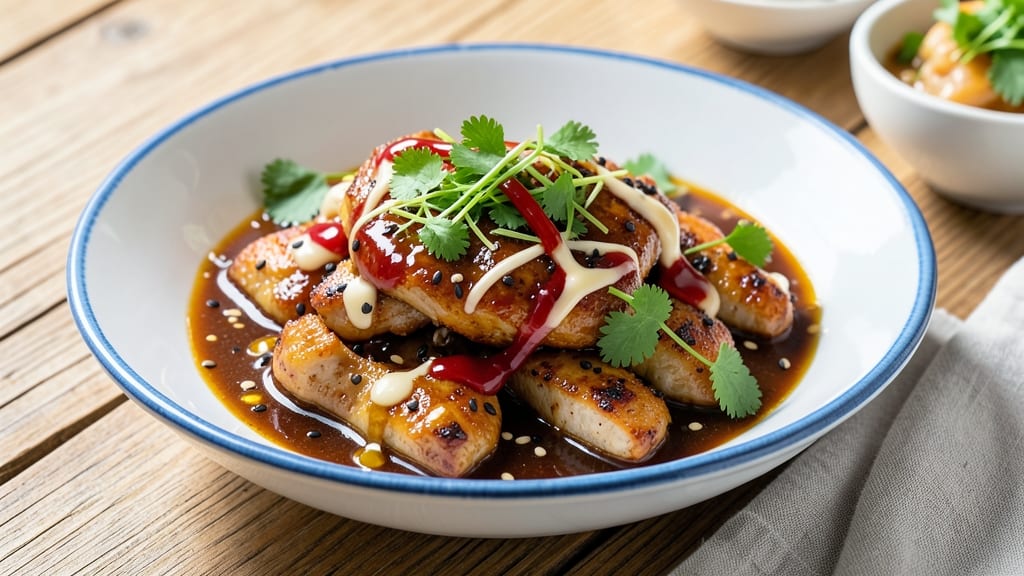
A 5-minute chicken stir fry sauce transforms basic stir-fries into restaurant-quality meals with just five ingredients and a whisk. This umami-packed blend cuts through the richness of chicken and vegetables, delivering that signature balance of salty, sweet, and tangy notes that make stir-fry irresistible.
The secret lies in the ratio of soy sauce to sweetener, which creates depth without overpowering the natural flavors of your protein and veggies.
What sets this sauce apart is its versatility—it works equally well with fresh or frozen chicken, and the flavors actually improve when left to sit for 15 minutes. The combination of garlic, ginger, and a touch of sesame oil adds aromatic complexity that elevates simple stir-fry into something special.
Unlike store-bought versions, this recipe lets you control the saltiness and sweetness to match your exact taste preferences.
By the time you pour this sauce over your stir-fry, you'll notice an immediate transformation: the chicken stays juicy, the vegetables retain their crispness, and every bite is coated in a glossy, flavorful glaze.
The sauce's simplicity means you can make it ahead of time and store it in the fridge for up to two weeks, ready to enhance any stir-fry at a moment's notice.
Whether you're cooking for one or feeding a crowd, this 5-minute chicken stir fry sauce delivers consistent, professional-quality results without the fuss. The best part? It requires no special equipment—just a bowl, whisk, and basic pantry staples. Let's get started on creating your perfect stir-fry companion.
Ingredients for basic chicken stir fry sauce
Five simple ingredients transform any stir-fry into restaurant-quality perfection in minutes.
| Ingredient | Amount | Notes |
|---|---|---|
| Low-Sodium Soy Sauce 🍶 | ½ cup | Use high-quality brand for best flavor |
| Honey 🍯 | ¼ cup | Substitute maple syrup for vegan option |
| Rice Vinegar 🍶 | ¼ cup | White or seasoned variety preferred |
| Fresh Garlic Cloves 🧄 | 4 cloves | Minced finely for aromatic punch |
| Fresh Ginger Root 🌿 | 1 tbsp | Grated finely, about 1-inch piece |
| Toasted Sesame Oil 🫒 | 1 tbsp | Use sparingly for authentic aroma |
| Cornstarch 🌾 | 1 tsp | For thickening sauce consistency |
| Sesame Seeds 🌰 | 1 tsp | Toasted for garnish and crunch |
| Red Pepper Flakes 🌶️ | ½ tsp | Adjust for desired heat level |
| Green Onion 🧅 | 2 whole | Thinly sliced for garnish |
The soy sauce is your flavor foundation—Kikkoman or La Choy are my go-tos, but any quality brand works. Honey adds that signature sweetness, but Trader Joe's maple syrup is my vegan secret weapon. Fresh garlic and ginger are non-negotiable here; the difference between fresh and powdered is night and day. For the ginger, peel and grate it fresh—the zestier, the better. Sesame oil might be just one tablespoon, but it's the aromatic magic that makes this sauce sing. Grab the toasted variety from the international aisle at Whole Foods or Asian markets for that authentic nuttiness.
No honey? Maple syrup or agave works perfectly—just match the amount. Running low on rice vinegar? Apple cider vinegar gives a similar tang. Fresh garlic or ginger unavailable? Powdered versions at half the amount will do in a pinch, though purists will notice the difference. The cornstarch is key for that silky texture—don't skip it. For extra umami, add a dash of fish sauce (if not vegetarian) or soy sauce reduction. And if you're feeling adventurous, swap regular sesame oil for chili oil for a spicy kick.
This sauce keeps beautifully—2 weeks in the fridge sealed in a jar. The flavors actually deepen overnight, so making it ahead is a game-changer. For longer storage, freeze portions in ice cube trays—just thaw and whisk before using. Garnish with toasted sesame seeds and green onions right before serving to keep everything fresh. A little goes a long way, so start with 1-2 tablespoons per serving and adjust to taste. The sauce thickens as it cools, so thin with a splash of water if needed.
Why You'll Love This Recipe
- Five-Ingredient Magic: I swear by this combo—soy, honey, vinegar, garlic, and ginger. That’s it. No confusing spice blends or hard-to-find pantry items. Honestly, I keep a jar of this in the fridge because it’s the only sauce I trust to turn plain chicken into something actually worth eating.
- Umami Bomb: The low-sodium soy and ginger team up for a punch that lingers. That first bite? The garlic hits sharp, then the honey softens it into something sweet-savory, and the vinegar cuts through it like a cool breeze. It’s the kind of flavor that makes you pause mid-bite.
- Weeknight to Potluck: I use this for takeout nights, lazy Sundays, and even packed lunches. Double the batch, store it, and toss it with whatever’s in the fridge—noodles, tofu, or even roasted veggies. My roommates steal it for their own meals, and I don’t even mind.
- Budget Workhorse: A little goes a long way, and the ingredients won’t break the bank. That jar of soy sauce? You’ll use it for everything. The ginger and garlic? Fresh or frozen, it’s always useful. I’ve made this for years, and the cost per serving is laughably low—especially when you’re feeding a crowd.
Step-by-step instructions for umami-packed stir fry sauce
This sauce comes together faster than you can say "stir-fry"—just five minutes of active work for bold, balanced flavor.
Prepare the Aromatics
Peel the 4 cloves fresh garlic cloves and mince them finely—you want tiny pieces that dissolve into the sauce rather than remain visible. For the 1 tablespoon fresh ginger root, use a microplane or fine grater to create a paste-like texture. The reason for this fine texture is simple: you want these aromatics to integrate completely rather than create texture in your sauce.
Set aside the minced garlic and grated ginger in a small bowl while you gather the remaining ingredients. Here's a pro tip: if using fresh ginger that's particularly fibrous, press it through a sieve to remove any stringy bits—this ensures a silky sauce instead of one with unexpected textures.
Combine Wet Ingredients
In a medium saucepan, whisk together the 0.5 cup low-sodium soy sauce, 0.25 cup honey, and 0.25 cup rice vinegar until fully combined. Place the saucepan over medium-low heat and let it warm gently for 2-3 minutes, stirring occasionally. You're not trying to cook this mixture yet—just warm it enough to help dissolve the honey completely.
This is where the magic happens: the heat helps the honey integrate smoothly, preventing any graininess in your final sauce. If you notice the mixture starts to bubble vigorously, reduce the heat slightly—you want a gentle simmer, not a rapid boil that could burn the delicate flavors.
Build the Sauce Base
Add the minced garlic and grated ginger to the warm soy-vinegar mixture. Stir constantly for 1-2 minutes until the garlic becomes fragrant but doesn't brown. Here's the thing—garlic burns quickly at higher temperatures, so keep the heat at medium-low and maintain constant stirring. You'll know it's ready when the raw garlic smell gives way to a sweet, toasted aroma.
Next, stir in the 1 tablespoon toasted sesame oil. This is where the sauce gets its authentic depth—sesame oil carries nutty, toasty notes that balance the acidity of the rice vinegar and the saltiness of the soy sauce. Give it a taste at this point: you should notice a complex interplay of sweet, salty, and slightly tangy flavors.
Thicken and Season
In a small bowl, whisk together the 1 teaspoon cornstarch with 1 tablespoon water to create a slurry. Slowly pour this into the sauce while stirring constantly. The moment you add it, you'll see the sauce begin to thicken—this is normal and exactly what we want. Keep stirring for 1-2 minutes until the sauce reaches a glossy, syrupy consistency that coats the back of a spoon.
Remove the sauce from heat and stir in the 0.5 teaspoon red pepper flakes for a subtle kick. If you prefer more heat, add an extra ¼ teaspoon now. The sauce should now be thick enough to lightly coat a spoon but still flow smoothly. If it's too thick, you can thin it with 1 teaspoon water at a time until you reach your desired consistency.
Finish and Garnish
Let the sauce cool slightly for 2-3 minutes, then transfer it to a serving bowl. Thinly slice the 2 whole green onion and sprinkle them over the surface along with the 1 teaspoon sesame seeds. The green onion adds a fresh, bright contrast to the rich sauce, while the sesame seeds contribute both texture and aroma.
This sauce is best used immediately, but if you need to store it, transfer to an airtight container and refrigerate for up to 5 days. Before using, give it a quick stir and reheat gently if needed—though it's even better served at room temperature. The balance of sweet, salty, tangy, and umami flavors makes this the perfect partner for any stir-fry, grilled proteins, or even as a dipping sauce.
Pro Tips For Making Basic Chicken Stir Fry Sauce
- Mince Ginger Fine: I learned this the hard way—using a big chunk of ginger just sitting there like a rock in your sauce. Grab a microplane or the smallest side of your grater and turn that ginger into a paste. It dissolves completely, so every bite gets that warm, spicy kick instead of just chewy bits.
- Bloom the Garlic: Don’t toss raw garlic into the pan—it burns faster than you can say "disaster." Heat your oil or wok first, then add the minced garlic and let it sizzle for 10-15 seconds until it smells fragrant but isn’t brown. This stops it from turning bitter and makes the whole sauce taste deeper.
- Balance the Sweet-Sour: Start with half the honey and taste before adding the rest. Low-sodium soy sauce is salty enough that too much honey can make the sauce cloying. If it’s too sweet, a splash more rice vinegar cuts through it—just don’t overdo it or you’ll end up with vinegar punch.
- Simmer, Don’t Boil: After mixing everything, let the sauce reduce on low heat for 2-3 minutes. Boiling it turns it thin and watery, and you lose that glossy, clingy texture that makes stir-fry sauce worth its weight. A gentle simmer thickens it up just enough to coat the chicken properly.
Best sauces and condiments for this basic chicken stir fry sauce
Sweet-Savory Balance
The perfect stir-fry sauce hinges on balancing sweet and salty flavors. I start by combining 0.5 cup low-sodium soy sauce with 0.25 cup honey—this creates a foundation where the honey softens the soy's saltiness while adding depth.
If your honey crystallizes, warm it gently in a small bowl to dissolve before mixing. For a vegan option, Trader Joe's maple syrup works beautifully, though it adds a slightly earthier note. 🍯
Acidic Brightness
Rice vinegar is the secret to preventing a flat, one-dimensional sauce. The 0.25 cup rice vinegar I use adds a bright tang that cuts through the richness, making every bite taste fresh.
White or seasoned rice vinegar both work, but avoid apple cider vinegar—its sharper taste can overpower the delicate balance. For an extra umami boost, add 1 teaspoon fish sauce (if not vegetarian) or 1 teaspoon soy sauce reduction to deepen the savory profile.
Spice and Heat
Heat is optional but highly customizable. I begin with 0.5 teaspoon red pepper flakes for a subtle kick, but you can adjust to taste. For a smoky heat, swap in 1 teaspoon chili oil instead of sesame oil, or add ½ teaspoon smoked paprika for depth.
If you're sensitive to heat, omit the pepper flakes entirely—this sauce still delivers bold flavor without spice. 🌶️
Texture and Finish
The 1 teaspoon cornstarch slurry is non-negotiable for achieving that signature glossy, clingy texture. It transforms a thin sauce into one that coats every ingredient beautifully.
For extra crunch, toast 1 teaspoon sesame seeds in a dry pan over medium heat for 1-2 minutes until golden, then sprinkle over the sauce. A final touch of 2 thinly sliced green onions adds freshness and visual appeal, balancing the richness.
Storage and Shelf Life
This sauce keeps for up to 2 weeks in an airtight container in the fridge, with flavors deepening over time. For longer storage, freeze in ice cube trays—thaw and whisk before using.
Before serving, give it a taste and adjust seasonings: a splash of water thins it if it thickens, while a pinch of salt or extra soy sauce can boost flavor.
The sauce reheats beautifully over low heat for 2-3 minutes, but I often serve it at room temperature for the best texture.
Nutrition facts
Frequently asked questions
Can I make this sauce without honey?
For a vegan option, substitute 0.25 cup maple syrup or agave nectar—they work perfectly while keeping the sweet-savory balance. If you're avoiding sweeteners entirely, try 1 tablespoon brown sugar or 1 teaspoon molasses for depth, though the sauce will taste slightly different.
How do I adjust the sauce for spicier stir-fries?
For extra heat, increase the red pepper flakes to 1 teaspoon or add 1 teaspoon chili oil instead of sesame oil. For smoky heat, stir in ½ teaspoon smoked paprika while the sauce is warm. Always taste first—you can always add more, but you can't remove heat once it's in!
Why did my sauce turn out too thick/thin?
If too thick, thin with 1 teaspoon water at a time while whisking. For thin sauce, simmer uncovered for 1-2 minutes to evaporate excess liquid. The cornstarch slurry should create a glossy consistency—if you skipped it, the sauce will be watery. For extra thickness, add ½ teaspoon more cornstarch mixed with water.
Can I use this sauce for other proteins or veggies?
This sauce works beautifully with tofu, shrimp, beef, or pork—just adjust cooking times for different proteins. For veggies, it pairs well with bell peppers, broccoli, or snap peas. The key is balancing the sauce's richness with the dish's natural flavors. Try it on grilled chicken or noodles too!
How do I make this sauce gluten-free?
Replace the soy sauce with 0.5 cup gluten-free tamari or coconut aminos. Tamari has a similar umami profile, while coconut aminos add a slightly sweeter note. Test the flavor first—you may need to adjust the honey slightly if using coconut aminos. Always check labels for hidden gluten.