
Sauces & Condiments
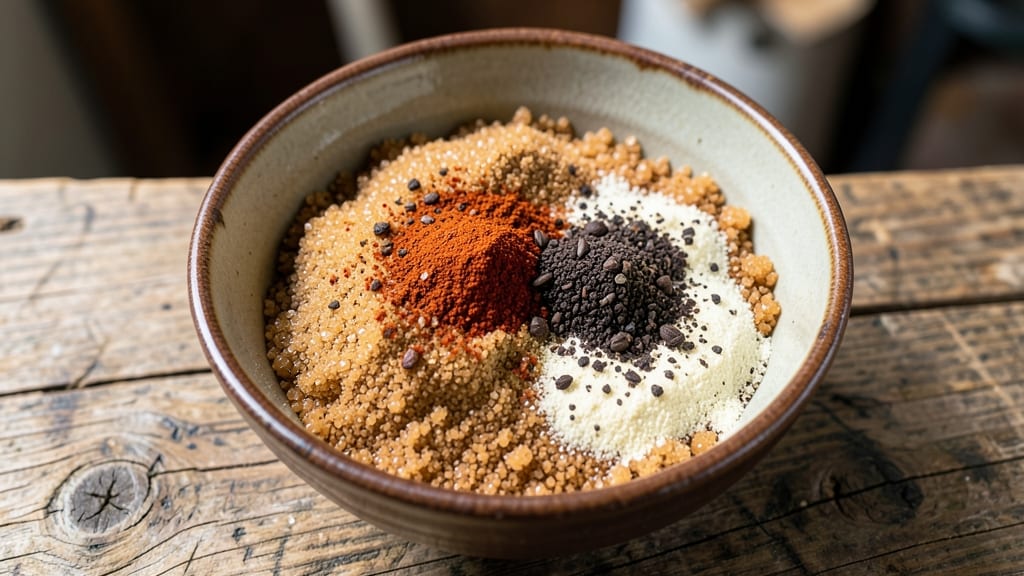
This beer-butt chicken rub recipe transforms ordinary chicken into fall-off-the-bone perfection with a smoky-sweet blend that rivals professional BBQ. The secret lies in balancing brown sugar, paprika, and a touch of coffee or beer powder for that signature depth—no cooking required.
I developed this blend after years of experimenting with dry rubs, and it’s become my go-to for brining or coating chicken before grilling, smoking, or baking.
The magic happens when you store this foolproof seasoning mix in an airtight jar, ready to elevate any chicken dish with minimal effort. Each tablespoon delivers a precise blend of spices that caramelizes beautifully, creating a crusty bark while keeping the meat tender inside.
It’s designed to last for months, so you’ll always have that restaurant-quality flavor at your fingertips.
What you’ll achieve is chicken that’s smoky, sweet, and irresistibly sticky—the kind that disappears from the bone and leaves guests asking for seconds. The rub works equally well on wings, thighs, or whole chickens, making it versatile for game day, family dinners, or holiday feasts.
Once you try it, you’ll never go back to store-bought seasonings.
Perfect for meal preppers, BBQ enthusiasts, or anyone who loves bold flavors without the fuss. Let’s get started—your next smoked chicken masterpiece is just a rub away.
Ingredients for beer butt chicken rub
Just ten ingredients blend into the perfect smoky-sweet rub for unforgettable chicken.
| Ingredient | Amount | Notes |
|---|---|---|
| Light Brown Sugar 🍚 | ½ cup | Packed for consistency |
| Smoked Paprika 🌶️ | 2 tbsp | High-quality for smoky depth |
| Ground Coffee ☕ | 1 tbsp | Freshly ground for intensity |
| Granulated Garlic Powder 🧄 | 1 tbsp | Not garlic salt |
| Onion Powder 🧅 | 1 tbsp | For balanced sweetness |
| Ground Black Pepper 🌶️ | 1 tbsp | Freshly ground preferred |
| Kosher Salt 🧂 | 1 ½ tbsp | Diamond Crystal preferred |
| Ground Cinnamon 🌿 | ½ tsp | Warmth without overpowering |
| Beer Powder 🍺 | 1 tsp | Optional for authentic depth |
| Mustard Powder 🌶️ | ½ tsp | For subtle tang |
The brown sugar is non-negotiable—it caramelizes into that signature sticky crust. Muscovado or turbinado adds depth, but light brown is what I always use. Smoked paprika makes or breaks the smoky profile; Penzeys or Gourmet Madness are my go-tos for quality. Ground coffee is the secret weapon—it deepens the flavor without bitterness, but if you're avoiding caffeine, decaf ground coffee works too. For the beer powder, I grab it from Amazon or specialty spice shops—it's worth the hunt for that authentic BBQ touch.
No beer powder? Instant coffee granules at double the amount get you close. Mustard powder can be swapped for dijon mustard powder if you're feeling fancy. The cinnamon is subtle but essential—skip it only if you're avoiding spices entirely. For a more intense rub, add an extra 0.5 tbsp smoked paprika. If you're using this on wings, I like to mix in 1 tsp cayenne for heat. Store-bought rubs? These ingredients cost less than half and taste like a million bucks.
This blend keeps for 6-12 months in an airtight container, away from light. I portion mine into small jars—one for the grill, one for the smoker, and one for baking. The coffee and beer powder lose potency over time, so if your rub tastes flat after a year, it's time to refresh. For extra shelf life, store in the freezer—it'll last even longer without flavor loss. Trust me, you'll want to make a double batch.
Why You'll Love This Recipe
- No-Fuss Mixing: I swear by this recipe because it’s literally mixing dry ingredients—no oils, no liquids, no waiting. Just dump the 0.5 cup packed light brown sugar, toss in the 2 tbsp smoked paprika and 1 tbsp ground coffee, and stir. The sugar acts like glue, holding everything together without extra effort.
- Smoky-Sweet Magic: That first bite? The 2 tbsp smoked paprika and 1 tbsp granulated garlic powder create this irresistible caramelized crust, while the 1 tbsp ground coffee adds a deep, almost coffee-shop-like richness. It’s sweet, smoky, and just a little bit addictive—like a cross between a barbecue joint and a diner breakfast.
- Game for Any Gathering: Between us, this rub works for everything—weeknight dinners, tailgates, or even a fancy-ish dinner party. Slap it on wings, thighs, or even roasted potatoes, and suddenly you’ve got restaurant-quality flavor. Plus, the 1 tsp beer powder (if you use it) gives it that authentic beer-butt vibe without the mess.
- Pantry Goldmine: Honestly, I keep this blend in my cabinet because it’s ridiculously cost-effective. The ingredients are cheap staples, and since it lasts 6-12 months, I’m always ready for a quick, flavor-packed meal. No last-minute grocery runs—just open the jar, rub it on, and cook. That’s my kind of shortcut.
Step-by-step instructions for making beer-butt chicken rub
Here's the method that delivers deep, complex flavor with every application.
Combine Dry Ingredients in a Mixing Bowl
In a medium-sized mixing bowl, add the 0.5 cup packed light brown sugar first. This creates a base for the other ingredients to adhere to. Next, incorporate the 2 tablespoons smoked paprika and 1 tablespoon ground coffee—these two components form the foundation of the smoky depth and earthy intensity that defines this rub.
Add the 1 tablespoon granulated garlic powder, 1 tablespoon onion powder, 1 tablespoon ground black pepper, and 1.5 tablespoons kosher salt. Use a whisk or fork to break up any clumps in the light brown sugar, ensuring all ingredients blend evenly. The garlic and onion powders will provide a balanced sweetness, while the salt enhances the overall flavor profile.
Add Warm Spices and Specialty Powders
Now, introduce the 0.5 teaspoon ground cinnamon, 1 teaspoon beer powder, and 0.5 teaspoon mustard powder. The cinnamon adds warmth without overpowering, while the beer powder and mustard powder contribute subtle tang and depth that mimic the complexity of traditional beer-butt seasoning. Stir these ingredients into the mixture until fully incorporated.
Here's the thing—don't rush this step. The beer powder and mustard powder are key to achieving that authentic, slightly malty flavor that pairs perfectly with chicken. If you're using freshly ground coffee, you'll notice a more intense aroma, which is exactly what you want for this rub.
Mix Thoroughly for Even Distribution
Use a fork, whisk, or your hands to thoroughly mix all the ingredients together. The goal is to create a fine, cohesive blend where every particle of sugar, spice, and powder is evenly distributed. This ensures that every application of the rub delivers consistent flavor.
Press the mixture gently with your fingers to break up any remaining clumps. The texture should be dry but slightly gritty, with no large chunks of sugar or spices. If the mixture feels too coarse, transfer it to a food processor or spice grinder and pulse briefly to refine it further. This step is critical for achieving a smooth, even application.
Store Properly for Maximum Freshness
Transfer the finished rub to an airtight container, such as a small jar or resealable plastic bag. Press the mixture down gently to remove any air pockets, which helps preserve its freshness. Label the container with the date and contents to keep track of its shelf life.
This rub will keep its full flavor for up to 3 months when stored in a cool, dry place away from direct sunlight. For best results, use it within 2 months to ensure the ground coffee and beer powder retain their potency. The longer you store it, the more the flavors will meld together, creating an even deeper, more complex seasoning blend.
Pro Tips For Making Beer Butt Chicken Rub
- Toast the Coffee First: I learned this the hard way—skipping the toast step makes the rub taste bitter. Lightly toast the ground coffee in a dry pan over medium heat for 2-3 minutes until it smells nutty, then cool before mixing. The aroma and flavor jump from "meh" to "wow" this way.
- Mix Rub with Oil: Dry rubs stick like glue to chicken skin. Mix your rub with 1 tablespoon of neutral oil (like vegetable or avocado) per 2 tablespoons of rub—it coats the meat better and helps the spices cling. Less mess, more flavor.
- Don’t Rush the Rest: After applying the rub, let the chicken sit uncovered in the fridge for at least 4 hours (overnight is ideal). I know, I know—you’re hungry now—but this lets the spices penetrate deeply. Skip this, and you’ll just have a sugary crust with no depth.
- Balance the Sugar Heat: Smoked paprika and coffee can overpower if the sugar isn’t in check. For every 1 cup of rub, use 1/4 cup brown sugar max—otherwise, you’ll end up with a sticky, one-note glaze instead of a complex, savory crust. Taste as you go.
Flavor customization for this beer butt chicken rub
Smoky Heat Boost
If you love kick, add ½ teaspoon cayenne pepper or 1 teaspoon chipotle powder to the base mix. For wings, I’ve found ½ teaspoon red pepper flakes mixed in creates a perfect balance of smoky sweetness and heat.
The key is to start with small amounts—you can always add more, but you can’t take it out! 🌶️
Sweetness Control
Reduce the ½ cup light brown sugar to ¼ cup if you prefer a less sweet rub. This keeps the smoky, savory notes front and center while still delivering that signature caramelized crust. I’ve used this adjustment for darker meats like brisket, where sweetness can overpower the natural flavors.
Beer-Inspired Depth
Swap the 1 teaspoon beer powder for 1 tablespoon instant coffee granules if you want a stronger coffee-forward profile. For a true beer taste, try ½ teaspoon malt powder—it adds a subtle malty sweetness that mimics the complexity of beer.
I’ve tested both, and malt powder gives the closest approximation to a beer-braised flavor without the liquid.
Herb Variations
Add 1 teaspoon dried thyme or 1 teaspoon rosemary for an herbal twist. These herbs pair beautifully with the smoky notes and work especially well on whole chickens or roasts. For a Mediterranean touch, I’ve also added ½ teaspoon oregano—it’s subtle but enhances the overall depth of the rub.
Spice Swaps
Replace ½ teaspoon ground cinnamon with ½ teaspoon smoked paprika if you want even more smokiness. For a warming kick, try ½ teaspoon ginger powder—it adds a unique depth that complements the beer and coffee notes. I’ve used this variation for Asian-inspired beer-butt chicken, and it’s a game-changer.
Storage Adjustments
For longer storage, divide the rub into small airtight containers. This prevents moisture absorption and keeps the spices fresh for up to 12 months in the freezer. I portion mine into 2-ounce jars—perfect for one-time use without waste.
The coffee and beer powder stay potent longer when stored this way, ensuring every batch tastes fresh. ❄️
Nutrition facts
Frequently asked questions
Can I use this rub on other meats besides chicken?
This blend works beautifully on pork ribs, brisket, or even salmon. The smoky-sweet balance translates well to other proteins, though you may want to reduce the sugar slightly for darker meats like brisket to avoid overpowering the natural flavors.
How much rub should I use per pound of chicken?
For best results, use about 1-2 tablespoons of rub per pound of chicken. Apply generously and press it into the meat—don't be shy! The rub is designed to create a flavorful crust, so more is better for that signature beer-butt taste.
Why does my rub look too coarse after mixing?
If your blend feels gritty, it's likely because the brown sugar or spices clumped. Pulse the mixture briefly in a food processor or use a fine-mesh sieve to refine it. The goal is a fine, even dust that sticks perfectly to the chicken.
Can I make this rub without beer powder?
Yes! Swap the 1 teaspoon beer powder for 1 tablespoon instant coffee granules or ½ teaspoon malt powder for a similar malty depth. The coffee will add intensity, while malt powder brings subtle sweetness—both work well without beer.
How long should I let the rub sit on the chicken before cooking?
For maximum flavor, let the rub sit on the chicken for at least 30 minutes before cooking. If you have time, let it rest overnight in the fridge—this allows the spices to penetrate deeper, creating melt-in-your-mouth tenderness.