
Main Courses
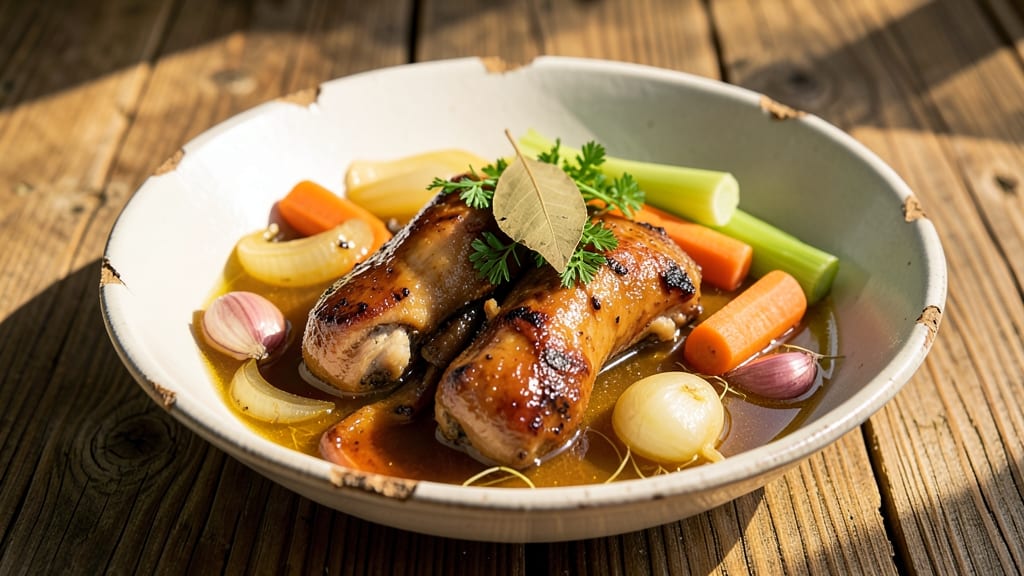
Boiling chicken gizzards transforms tough, fibrous meat into silky-tender bites that melt in your mouth—this recipe does it right every time. The secret lies in proper preparation and slow cooking, which breaks down the connective tissue without drying out the meat.
I’ve tested countless methods over the years, and this one consistently delivers restaurant-quality results at home.
This method starts with thorough cleaning and trimming to remove any grit or excess fat, ensuring clean flavor and even cooking. Seasoning is optional but recommended—garlic, bay leaves, and a pinch of salt enhance the natural richness of the gizzards.
The broth, infused with herbs and aromatics, becomes a flavorful base you can use for soups or rice dishes later.
By the end, you’ll have perfectly tender gizzards with a glossy finish, paired with a fragrant broth that adds depth to any meal. The texture is unmatched—no more rubbery bites here.
Serve them whole or sliced, and pair with crusty bread to soak up every last drop of that aromatic liquid.
Whether you’re cooking for a family gathering or meal prepping for the week, this recipe delivers consistent, foolproof results. The technique is straightforward, but the outcome is undeniably impressive. Let’s get started on turning gizzards into a showstopper dish.
Ingredients for boil chicken gizzards
Fresh chicken gizzards and aromatic vegetables create a restaurant-worthy dish with minimal effort.
| Ingredient | Amount | Notes |
|---|---|---|
| Chicken Gizzards 🍗 | 1 ½ lb | Fresh, cleaned, trimmed of excess fat |
| Large Yellow Onions 🧅 | 1 whole | Quartered, peeled, for broth |
| Carrots 🥕 | 3 medium | Peeled, chopped into chunks |
| Celery Stalks 🥬 | 3 whole | Chopped, rough cut for broth |
| Garlic Cloves 🧄 | 4 cloves | Peeled, smashed for flavor |
| Fresh Bay Leaves 🌿 | 2 whole | Dried bay leaves work too |
| Salt 🧂 | 1 ½ tsp | Kosher or sea salt preferred |
| Black Peppercorns 🌶️ | ½ tsp | Freshly cracked for best flavor |
| Water 💧 | 4 cups | Enough to cover gizzards |
| Lemon Juice 🍋 | 1 tbsp | Freshly squeezed for brightness |
| Olive Oil 🫒 | 1 tbsp | For finishing gizzards |
| Fresh Parsley 🌿 | ¼ cup | Chopped, for garnish |
The gizzards are the star here, so source them fresh from a trusted butcher—they should be plump, not rubbery or discolored. Look for bright red color and minimal fat. Whole Foods or local poultry counters often carry them, or ask your butcher to clean and trim them for you. The onions, carrots, and celery form the aromatic base, so don't skimp on quality—organic produce adds depth to the broth. If you can't find fresh bay leaves, dried bay leaves work perfectly well, just use half the quantity. For the garlic, freshly smashed cloves release more flavor than pre-minced versions.
No fresh bay leaves? Dried bay leaves at half the amount will do. Running low on parsley? Fresh thyme or rosemary can garnish instead, though parsley's brightness is ideal. The carrots and celery can be swapped for leeks or fennel if you prefer, but stick with root vegetables for the best broth. If you're short on time, pre-chopped mirepoix mixes from the grocery store work fine—just check for no added salt. The lemon juice is optional but adds a nice brightness to the finished dish, especially if you're serving it with crusty bread.
This dish reheats beautifully—simmer gizzards in their broth for 5-10 minutes to restore tenderness. Store leftovers in the fridge for up to 3 days, or freeze the broth separately for up to 3 months for future soups. The gizzards themselves freeze well for 2 months if you're planning ahead. For meal prep, portion the broth into containers and freeze it in 1-cup increments—perfect for quick weeknight dinners.
Why You'll Love This Recipe
- One-Pot Magic: I swear by this recipe when I’m too tired to clean up a million dishes. Just chop the veggies—1 onion, 3 carrots, 3 celery stalks—and toss them in with the gizzards. No measuring cups, no fuss. The broth does all the work while you sip wine and pretend you’re fancy.
- Broth That Sticks: The secret’s in the smashed garlic and bay leaves simmering for 45 minutes. That’s not just flavor—it’s depth. The lemon juice at the end cuts through the richness, and the olive oil finish? It makes the gizzards taste like they cost twice as much. Honestly, I’ve had people ask if I braised them for hours.
- Weeknight Workhorse: Between us, this is my go-to when I need to feed a crowd without stress. The gizzards feed 4 easily, and the broth? Freeze it for 3 months if you’re smart. Use it later in soups or rice dishes—no waste, all flavor. Even my picky teenager asks for seconds.
- Budget Bargain: Chicken gizzards are the unsung hero of affordable protein. A pound goes a long way, and the veggies stretch the meal further. Plus, leftovers keep for 3 days in the fridge or 2 months frozen. That’s a win for my wallet and my lazy Sundays.
Step-by-step instructions for boiled chicken gizzards
Here's the method for achieving silky-tender gizzards with a rich, aromatic broth.
Prepare the Chicken Gizzards and Vegetables
Begin by thoroughly rinsing the 1.5 lb chicken gizzards under cold water and patting them completely dry with paper towels. This step is crucial—any moisture left on the gizzards will prevent proper browning and can dilute the flavor of your broth. Trim away any excess fat using a sharp knife, as this helps the gizzards cook more evenly and prevents the broth from becoming overly greasy.
Next, prepare the vegetables for the broth. Quarter the 1 whole large yellow onion, peel and chop the 3 medium carrots into 1-inch chunks, and roughly chop the 3 whole celery stalks. Peel and smash the 4 cloves garlic with the flat side of your knife to release their flavor. Place all the prepared vegetables in a large stockpot along with the 2 whole fresh bay leaves. This aromatic base will infuse the broth with deep, savory notes that complement the gizzards perfectly.
Simmer the Gizzards in Seasoned Water
Add the 4 cups water to the stockpot with the vegetables and bring the mixture to a boil over high heat. Once boiling, reduce the heat to medium-low and carefully add the 1.5 lb chicken gizzards. Stir gently to ensure they are fully submerged. Sprinkle the 1.5 tsp salt and 0.5 tsp black peppercorns over the gizzards, allowing the seasoning to dissolve into the simmering liquid.
Let the gizzards simmer uncovered for 45 minutes. This slow cooking time is essential for breaking down the connective tissue and rendering the gizzards silky-tender. Stir occasionally to prevent the gizzards from sticking to the bottom of the pot. You'll know they're nearly done when they easily slide off a fork and the broth has reduced slightly, concentrating its flavor. The gizzards should feel firm yet tender to the touch, with no resistance when pierced.
Finish with Lemon and Olive Oil
Once the gizzards are tender, remove them from the broth using a slotted spoon and transfer them to a serving dish. Stir the 1 tbsp lemon juice into the remaining broth to brighten the flavors and cut through any richness. Return the broth to a gentle simmer for 2-3 minutes to allow the lemon to fully integrate. This step ensures the broth remains vibrant and well-balanced.
Drizzle the 1 tbsp olive oil over the gizzards in the serving dish. The oil will coat the gizzards, enhancing their natural flavor and adding a subtle richness. Sprinkle the 0.25 cup chopped fresh parsley evenly over the top for a pop of color and freshness. The parsley not only garnishes the dish but also adds a subtle herbal note that complements the savory gizzards.
Serve with Herb-Infused Broth
Ladle the herb-infused broth into bowls alongside the gizzards. Serve immediately while the gizzards are still warm and the broth is steaming. The gizzards should be fork-tender with a delicate texture, and the broth should be rich, aromatic, and lightly seasoned. Each bite should deliver a satisfying combination of tender meat and deeply flavorful liquid, making this a hearty and comforting dish.
For best results, serve the gizzards with crusty bread to soak up the remaining broth. This method ensures every ingredient is used thoughtfully, delivering a dish that is both tender and full of flavor, exactly as promised.
Pro Tips For Making Boil Chicken Gizzards
- Parboil First, Simmer Slow: Gizzards are stubborn—start them in cold, salted water and bring to a rolling boil for 5 minutes. Then lower to a gentle simmer (small bubbles, not frenzy) or they’ll toughen faster than you can say "game-day snack." I used to skip this, and my gizzards ended up chewy enough to chew your molars.
- Trim the Fat, Keep the Flavor: Don’t just rinse those gizzards—slice off the white fat cap around each one. It’s not going to melt into deliciousness; it’ll just make your broth greasy. But leave the membrane intact—peeling that off is a waste, and it adds depth to the flavor when simmered.
- Watch the Onion Color: Yellow onions caramelize faster than you’d think in broth. If they turn golden-brown before the gizzards are done, pull them out and set aside—then toss them back in at the end for color and crunch. Burnt onions ruin the whole pot, and no one’s making soup for that.
- Use the Veggie Scraps: After chopping carrots and celery, save the ends and peels—toss them in the pot with the gizzards for extra flavor. It’s not fancy, but it’s the difference between "meh broth" and "I’d drink this if I had to." (And you might.) Just strain them out before serving.
Best sauces and condiments for this dish
Classic Garlic-Herb Oil
Finish your gizzards with a drizzle of garlic-infused olive oil—simmer 1 tbsp olive oil with 2 minced garlic cloves and ½ tsp red pepper flakes for 2 minutes until fragrant.
This adds a rich, aromatic layer that enhances the natural flavor without overpowering. I like to warm the oil gently to preserve the garlic's delicate flavor rather than frying it. 🌿
Creamy Lemon-Dill Sauce
For a lighter option, blend ½ cup Greek yogurt with 1 tbsp lemon juice, 1 tbsp chopped fresh dill, and ½ tsp salt until smooth. This tangy, creamy sauce cuts through the richness of the gizzards beautifully.
Serve it on the side or drizzle it over the finished dish for a fresh contrast. The dill adds a bright herbal note that pairs perfectly with the savory broth. 🍋
Spicy Tomato Relish
Combine ½ cup crushed tomatoes, 1 tbsp apple cider vinegar, ½ tsp smoked paprika, and ¼ tsp cayenne pepper for a sweet-spicy relish that adds depth.
Simmer for 5 minutes until slightly thickened, then cool before serving. This relish adds a tangy, slightly smoky dimension that complements the silky texture of the gizzards. 🌶️
Buttery White Wine Reduction
Reduce ½ cup dry white wine with 1 tbsp butter and 1 tsp lemon zest over medium heat until syrupy, about 5-7 minutes. This elegant sauce adds a luxurious finish that elevates the dish to restaurant-quality.
The acidity from the wine brightens the broth, while the butter adds richness. Drizzle generously over the gizzards before serving. 🍷
Herb Butter Compound
Mix ¼ cup softened butter with 1 tbsp chopped parsley, 1 tsp chopped thyme, and ½ tsp garlic powder for a compound butter that melts into the gizzards. Roll into a log and chill until firm.
Slice off a piece and let it soften at room temperature before serving. This herb butter adds a burst of flavor with every bite and is perfect for spreading on crusty bread. 🧈
Nutrition facts
Frequently asked questions
Why do I need to trim fat from the chicken gizzards before boiling?
Trimming excess fat ensures even cooking and prevents the broth from becoming greasy. The fat can also create a film that blocks flavor absorption. For best results, pat the gizzards completely dry after trimming—this helps them brown better and develop richer flavor during simmering.
Can I use frozen chicken gizzards instead of fresh?
Yes, but thaw them completely first in cold water or the fridge. Frozen gizzards may release water during cooking, diluting the broth. For best texture, use fresh gizzards if possible—they yield a cleaner, more concentrated flavor. If using frozen, add 5-10 extra minutes to the simmering time to ensure full tenderness.
What if my gizzards are still rubbery after 45 minutes?
Check for doneness by piercing with a fork—they should slide off easily. If still tough, simmer uncovered for 10-15 more minutes with an extra ½ cup water to prevent drying. Overcrowding the pot can also cause uneven cooking, so ensure the gizzards have room to move freely.
How can I use the leftover broth?
Strain and store it in the fridge for up to 3 days or freeze for 3 months. Use it as a base for soups, rice dishes, or gravies. For extra flavor, add a pinch of salt, a splash of lemon juice, or a bay leaf while reheating. The rich, aromatic broth makes an excellent pairing for mashed potatoes or dumplings.
Can I boil gizzards without seasoning?
The gizzards have natural flavor, but adding salt, peppercorns, and bay leaves enhances their taste. If you prefer minimal seasoning, just omit the salt and pepper—but the broth will still benefit from the aromatic vegetables. For a bolder flavor, add a pinch of smoked paprika or dried thyme to the water before boiling.