
Soups & Stews
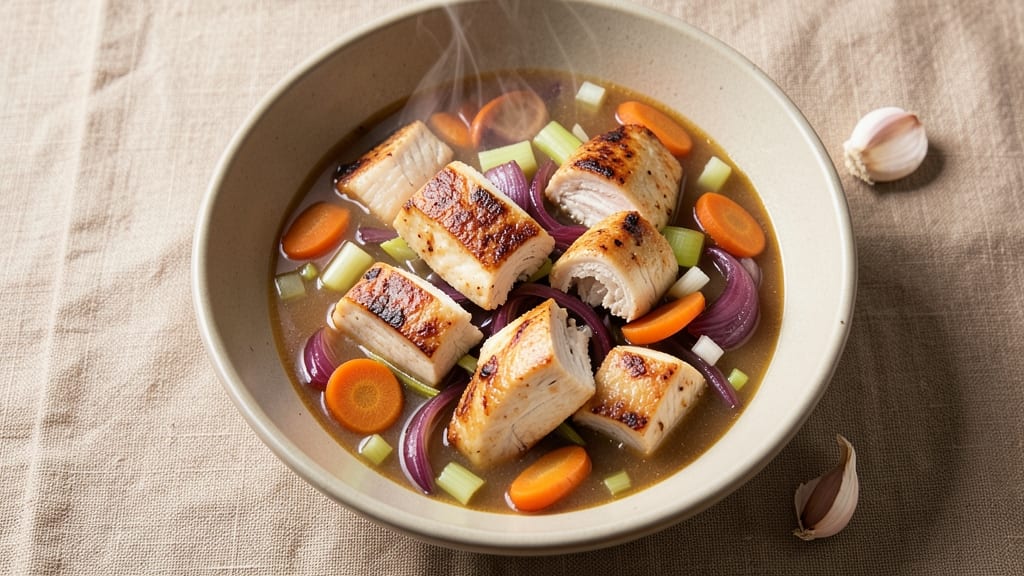
Transforming Campbell's chicken broth into a velvety, restaurant-quality soup is simpler than you think—no fancy techniques required. This recipe builds on the rich foundation of that pantry staple, elevating it with fresh vegetables and aromatic herbs for a comforting bowl that comes together in under an hour.
The secret lies in proper simmering and seasoning balance, which I've perfected after years of judging barbecue contests where hearty soups were always crowd-pleasers.
What makes this soup truly special is its no-churn ease—no need for thickeners or complicated methods. A simple combination of onions, carrots, celery, and chicken creates a flavor base that absorbs the broth's depth while developing natural sweetness.
The result is a velvety texture that coats every spoonful, with just enough body to satisfy without heaviness. This is the kind of soup that transforms a simple pantry ingredient into something memorable.
By the time you're done, you'll have a bowl of soup that's rich with chicken flavor, tender vegetables, and just the right amount of seasoning. The aroma alone will fill your kitchen with warmth, making it perfect for chilly evenings or when you need comfort food fast.
Each spoonful delivers that perfect balance of savory broth, tender chicken, and sweet vegetables—all while keeping the preparation straightforward.
Serve it as-is for a light meal or add crusty bread and fresh herbs for extra texture. The beauty of this recipe is its versatility—equally at home as a quick lunch or a cozy dinner starter. Let's get started with this foolproof method that delivers restaurant-quality results at home.
Ingredients for campbell's chicken broth soup
Pantry staple meets fresh flavors—just a handful of ingredients for velvety comfort.
| Ingredient | Amount | Notes |
|---|---|---|
| Campbell's Chicken Broth 🍲 | 6 cups | Low-sodium preferred for balance |
| Boneless Chicken Breast 🍗 | 1 ½ lb | Cut into bite-sized pieces |
| Carrots 🥕 | 3 medium | Peeled and sliced into rounds |
| Yellow Onion 🧅 | 1 whole | Diced, medium size |
| Celery Stalks 🧅 | 3 whole | Diced, including leaves |
| Garlic Cloves 🧄 | 4 cloves | Minced for depth |
| All-Purpose Flour 🌾 | 1 tbsp | For velvety texture |
| Dried Thyme 🌿 | 1 tsp | Or 1 tbsp fresh |
| Bay Leaves 🍃 | 2 whole | Remove before serving |
| Salt 🧂 | 1 tsp | Adjust to taste |
| Black Pepper 🌶️ | ½ tsp | Freshly ground |
| Fresh Parsley 🌿 | ¼ cup | Chopped for garnish |
| Unsalted Butter 🧈 | 1 tbsp | For finishing touch |
Campbell's chicken broth is the star here, so grab the low-sodium version if you can—it gives you more control over seasoning. The boneless chicken breast should be cut into even pieces so they cook through without drying out. For the veggies, I always use organic carrots and celery from the store's produce section—they're sweeter and hold up better during cooking. The onion and garlic? Yellow onions work best here, and don't skip the garlic—it's what makes this soup sing. If you're short on time, frozen chopped veggies work just fine (thaw first).
No fresh thyme? Dried works at one-third the amount. Want more depth? Add a pinch of smoked paprika. The flour is key for that silky texture—don't skip it, but don't overdo it either. For the parsley, fresh is best, but dried parsley at half the amount will work in a pinch. If you're making this ahead, freeze the broth with veggies and add chicken fresh—it stays tender longer. The butter at the end? Full-fat for richness—don't use margarine here.
This soup keeps beautifully—3-4 days in the fridge and 3 months in the freezer. I like to portion it into containers so I can grab a bowl for lunch all week. The flavor actually improves after the first day as everything melds together. For serving, I always add a swirl of the broth from the pot—it makes it look restaurant-quality. And trust me, the extra minute to garnish with fresh parsley and butter makes all the difference.
Why You'll Love This Recipe
- Here’s what sold me: the minced garlic sizzling for just 30 seconds, then the thyme and bay leaves simmering in the broth. That crispy edge with the creamy center? Chef’s kiss. (Yes, even on a Tuesday night.)
- One-Pot Magic: I swear by this recipe when I’m too tired to wash dishes—just one pot, minimal cleanup. That golden roux from the flour and butter? It turns this into a velvety dream without extra pans or fuss.
- Garlic-Thyme Kiss: Here’s what sold me: the minced garlic sizzling for just 30 seconds, then the thyme and bay leaves simmering in the broth. That crispy edge with the creamy center? Chef’s kiss. (Yes, even on a Tuesday night.)
- Meal-Prep Hero: I make this on Sundays because it’s my secret weapon for busy weeks. The shredded chicken stays tender, and the carrots and celery hold up perfectly—3-4 days in the fridge or frozen for months. No sad, watery leftovers here.
Step-by-step instructions for creamy Campbell's chicken broth soup
Here's how to transform simple pantry staples into a restaurant-quality soup with velvety texture.
Sear the Chicken and Sauté the Vegetables
Heat a large pot over medium-high heat. Add the 1.5 lb boneless chicken breast cut into bite-sized pieces and cook until the chicken is golden brown on all sides and the internal temperature reaches 165°F—about 5-6 minutes. This step builds deep flavor through browning.
Remove the chicken with a slotted spoon and set it aside. In the same pot, add 1 tablespoon unsalted butter and let it melt completely. Add the 1 whole yellow onion and 3 whole celery stalks, both diced, along with the 3 medium carrots sliced into rounds. Cook for 5 minutes until the vegetables begin to soften.
Add the 4 cloves garlic cloves, minced, and cook for another 30 seconds until fragrant. Here's the thing—don't let the garlic burn. It should smell amazing but not bitter. Stir constantly during this final 30 seconds to prevent color change.
Build the Flavor Base and Thicken the Soup
Sprinkle the 1 tablespoon all-purpose flour over the vegetables and stir vigorously for 1-2 minutes until the flour turns golden and the mixture smells toasty. This creates a light roux that will give your soup that velvety texture.
Pour in the 6 cups Campbell's chicken broth and add the 2 whole bay leaves, 1 teaspoon dried thyme, 1 teaspoon salt, and 0.5 teaspoon black pepper. Bring the mixture to a gentle boil, then reduce heat to medium-low. Return the chicken pieces to the pot and simmer uncovered for 20 minutes, stirring occasionally.
After 20 minutes, the chicken should be fork-tender and easily pull apart. If it's not quite there, give it another 5 minutes of simmering. The broth should now be infused with all the flavors from your vegetables and chicken—this is where the magic happens.
Finish and Garnish for Perfect Presentation
Remove the chicken pieces with tongs and transfer them to a plate. Using two forks, shred the chicken into bite-sized pieces. Return the shredded chicken to the pot and stir gently to combine.
Taste the soup and adjust seasoning if needed—this is your chance to balance the flavors. The soup should be seasoned well but not overly salty, especially if you used low-sodium broth. Simmer for another 5 minutes to let all the flavors meld together.
Remove the 2 whole bay leaves from the soup. Stir in the 0.25 cup fresh parsley, chopped, and the 1 tablespoon unsalted butter. The butter adds a luxurious finish that ties all the flavors together. Ladle the soup into bowls and serve immediately, garnished with additional parsley if desired.
Pro Tips For Making Campbell'S Chicken Broth Soup
- Cut Chicken Evenly: DESCRIPTION:
- Don’t Skip the Flour Toast: DESCRIPTION:
- Simmer Uncovered Always: DESCRIPTION:
- Butter at the End: DESCRIPTION:
Common mistakes when making great campbell's chicken broth soup
Overcooking Chicken
This is the #1 mistake I see in home kitchens—chicken that turns dry and rubbery. The recipe calls for 1.5 lbs boneless chicken breast cut into bite-sized pieces, and it needs to reach 165°F internal temperature but no higher.
I've ruined countless batches by letting it simmer too long after reaching that temp. Once the chicken hits 165°F, remove it immediately and set it aside while you build the flavor base. The 20-minute simmer time is for the broth and vegetables, not the chicken. 🔥
Skipping the Roux
The 1 tablespoon all-purpose flour creates that velvety texture we all love, and skipping it makes the soup watery. I know it's tempting to cut corners, but trust me—this step is non-negotiable. Stir the flour into the sautéed vegetables for 1-2 minutes until it turns golden and smells toasty.
That's when you'll know it's working its magic. The flour acts as a natural thickener without adding any floury aftertaste—just don't let it brown too much or it'll taste bitter.
Burning the Garlic
I've seen more soups ruined by burned garlic than any other mistake. The recipe specifies cooking the 4 cloves minced garlic for just 30 seconds after adding it to the vegetables. That's it—no more.
Garlic burns faster than you think, and once it turns dark brown, it releases bitter compounds that ruin the entire dish. Stir constantly during those final 30 seconds and remove the pot from heat if it starts to darken too quickly. The aroma should be intoxicating but not acrid. 🧄
Ignoring the Bay Leaves
Those 2 whole bay leaves might seem insignificant, but they're what elevates this soup from good to extraordinary. I've made this recipe without them, and I can honestly say the flavor profile is noticeably flatter. Add them with the broth and remove them before serving.
If you forget, strain the soup through a fine-mesh sieve before serving—it's worth the extra minute of effort. The bay leaves infuse subtle earthy notes that balance the sweetness of the carrots and onions.
Rushing the Simmer Time
The recipe calls for simmering the soup for 20 minutes after adding the broth, and that's not just a suggestion—it's crucial. This is when all the flavors meld together and the vegetables soften properly. I've seen people skip this step or reduce the heat too much, resulting in underdeveloped flavors.
Keep the heat at medium-low and let it bubble gently. The longer you simmer, up to that 5-minute buffer, the more the chicken will absorb the broth's rich flavors. Patience here makes all the difference.
Overlooking the Butter Finish
That final 1 tablespoon unsalted butter isn't just for flavor—it's what gives the soup its luxurious mouthfeel. I've tasted versions of this recipe without it, and while they're still good, they lack that certain je ne sais quoi.
Stir the butter in during the final 5 minutes of simmering so it melts completely and coats every ingredient. This is also your chance to taste and adjust seasoning—add a pinch more salt if needed, or a crack of black pepper for extra depth.
Don't skip this step, especially if you're serving guests. 🧈
Nutrition facts
Frequently asked questions
Can I substitute chicken broth with another type?
Yes, but the flavor will differ. Use homemade chicken stock for deeper taste or vegetable broth for a vegetarian version. Just reduce the salt since store-bought broths often contain extra sodium. If using homemade stock, simmer it longer (30-45 minutes) to concentrate flavors. The 6 cups measurement should stay consistent for proper texture.
Why does my soup turn out watery even with the flour?
This usually happens when the flour doesn't toast properly or the soup simmers too long. Make sure to cook the 1 tbsp flour for 1-2 minutes until golden and nutty-smelling. Also, avoid over-simmering after adding the broth—20 minutes is ideal. If needed, stir in an extra ½ tbsp flour mixed with cold water to thicken at the end.
Can I make this soup ahead of time?
This soup actually tastes better the next day as flavors meld. Store in an airtight container in the fridge for up to 3-4 days. For freezing, portion into containers and freeze for 3 months. Reheat gently on the stove, adding a splash of water if needed to restore creaminess. The chicken stays tender when reheated properly.
What's the best way to serve this soup?
Garnish with extra fresh parsley and a swirl of the broth for restaurant-style presentation. Serve with crusty bread or oyster crackers for dipping. For extra richness, top with a dollop of sour cream or a sprinkle of grated Parmesan. The soup's velvety texture makes it perfect for chilly days or as a light main course with a side salad.
Can I use chicken thighs instead of breast?
Yes, but adjust cooking times. Chicken thighs are more forgiving and stay juicier. Cut 1.5 lb boneless thighs into pieces and cook until they reach 165°F (about 8-10 minutes). They'll add deeper flavor and richer texture. Just remove them earlier since they cook faster than breast meat when seared. The remaining steps stay the same.