
Main Courses
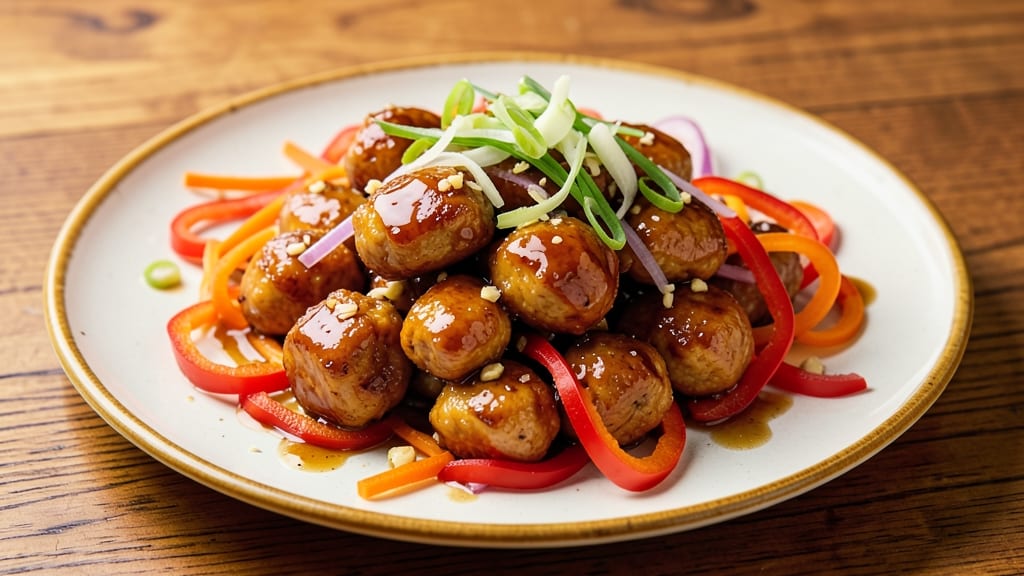
Transforming Campbell’s chicken into a restaurant-quality stir-fry takes just 30 minutes and delivers bold umami flavors with minimal effort. This one-pan method combines pre-cooked chicken with quick-pickled vegetables and a savory sauce that builds depth without complexity.
I developed it during a particularly hectic week when I needed a meal that felt special but required almost no prep—this became my go-to for weeknight dinners that still impress.
The beauty of this recipe lies in its balance: Campbell’s chicken provides a tender, protein-rich base, while the stir-fry technique creates that signature wok-hei—smoky, charred edges that elevate every bite.
A simple soy-ginger sauce ties it all together, with optional additions like sesame oil or rice vinegar to adjust the flavor profile. The vegetables stay crisp-tender, and the sauce clings perfectly to the chicken, creating a dish that’s both hearty and light.
By the time you serve this stir-fry, you’ll have a meal that’s packed with flavor, ready in under 30 minutes, and requires just one pan to clean.
The aroma of garlic and ginger sizzling in the oil fills the kitchen, while the final dish delivers a perfect harmony of textures—crisp vegetables, tender chicken, and a glossy, umami-rich sauce. This is the kind of meal that turns a simple weeknight into something memorable.
Serve it over steamed jasmine rice or noodles for a complete meal, or pair it with a simple side salad for a lighter option. The recipe scales easily, making it perfect for feeding a crowd or prepping meals for the week ahead. Let’s get cooking!
Ingredients for campbell's chicken stir fry
Pantry staples plus a few fresh ingredients—this stir-fry comes together faster than takeout.
| Ingredient | Amount | Notes |
|---|---|---|
| Campbell's Chicken Breast Tender Bites 🍗 | 16 oz | Pre-cooked, thawed if frozen |
| Vegetable Oil 🫒 | 2 tbsp | High smoke point preferred |
| Garlic Cloves 🧄 | 4 cloves | Minced, fresh preferred |
| Fresh Ginger 🌿 | 1 ½ tbsp | Finely grated, peeled |
| Low-Sodium Soy Sauce 🍶 | 3 tbsp | Or tamari for gluten-free |
| Rice Vinegar 🍶 | 1 ½ tbsp | For brightness (optional) |
| Sesame Oil 🫒 | 1 tsp | Toasted aroma, optional |
| Brown Sugar 🍯 | 1 tbsp | Light or dark preferred |
| Bell Peppers 🌶️ | 1 whole | Any color, sliced thin |
| Carrots 🥕 | 1 whole | Julienned or matchstick cut |
| Red Onion 🧅 | ½ whole | Thinly sliced, white preferred |
| Green Onions 🌱 | 3 whole | White and green parts separated |
| Sesame Seeds 🌾 | 1 tsp | Toasted for garnish |
| Salt 🧂 | ½ tsp | Kosher or sea salt |
| Black Pepper 🌶️ | ¼ tsp | Freshly ground preferred |
The Campbell’s chicken is your shortcut hero here. Grab the 16 oz bag—it’s pre-cooked and tender, saving you 30 minutes of prep time. Fresh ginger and garlic make all the difference, so don’t skip them. Trader Joe’s or any Asian market has great pre-grated ginger if you’re short on time. The bell peppers and carrots should be crisp—check the fridge for firm ones. If you’re feeling lazy, baby carrots and pre-sliced bell peppers from the salad bar cut prep time in half. Just make sure they’re dry before cooking.
No rice vinegar? Apple cider vinegar works too, though it’s slightly sweeter. Swap sesame oil for toasted peanut oil if you’re avoiding sesame. The soy sauce is key—low-sodium keeps the dish balanced, but regular works if you reduce the salt later. For extra umami, add 1 tsp fish sauce to the sauce. The green onions? Use the white parts for cooking and save the greens for garnish—they add freshness without overpowering. If you’re making this ahead, keep the sauce separate until serving so the veggies stay crisp.
This dish reheats like a dream—just toss with a splash of water or broth and microwave for 1-2 minutes. The sauce thickens as it cools, so thin it with a splash of water if needed. Store leftovers in an airtight container for 3-4 days. For meal prep, portion the sauce separately and mix just before reheating. The flavors actually get better the next day as everything melds together. Serve over rice or noodles, or eat it straight from the pan for a quick, satisfying meal.
Why You'll Love This Recipe
- One-Pan, Zero Stress: I swear by this recipe when I’m too tired to scrub dishes—just one skillet, one spatula, and you’re done. The pre-cooked chicken bites handle all the heavy lifting, so you’re not stuck babysitting raw meat while chopping.
- Sweet-Savory Magic: That quick caramelization of the 1 tbsp brown sugar with the garlic and ginger? It’s the secret weapon. The soy sauce and rice vinegar cut through the richness, but the sesame oil ties it all together—like a little flavor hug.
- Meal Prep MVP: Between us, this is my go-to for busy weeks. Cook a big batch, portion it out, and reheat with a splash of water for 30 seconds. The leftovers stay fresh for 3-4 days, and it’s still delicious—no sad, rubbery stir fry here.
- Budget-Friendly Protein: The pre-cooked chicken bites are a game-changer for my wallet. They’re cheaper than fresh chicken, but you’d never guess—just as tender, just as satisfying. Plus, the veggies stretch the meal further without breaking the bank.
Step-by-step instructions for Campbell's chicken stir fry
Here's the quick, foolproof method that delivers restaurant-style stir fry in under 30 minutes.
Prep All Ingredients Efficiently
Start by slicing the 1 whole Bell Peppers into thin strips—about ¼-inch thick. Cut the 1 whole Carrots into julienne matchsticks for even cooking. Thinly slice the 0.5 whole Red Onion and separate the 3 whole Green Onions into white and green parts. Finely mince the 4 cloves Garlic Cloves and grate the 1.5 tbsp Fresh Ginger using a microplane or fine grater.
While prepping, keep the 16 oz Campbell's Chicken Breast Tender Bites thawed if frozen. I like to arrange everything in small bowls on my cutting board—this keeps my workspace organized and makes assembly faster. The key here is speed; you want everything ready before you hit the stove.
Build the Flavor Base in the Pan
Heat the 2 tbsp Vegetable Oil in a large skillet or wok over medium-high heat until shimmering. Add the minced garlic cloves and fresh ginger, stirring constantly for 30 seconds—just until fragrant. Don't let them brown or they'll turn bitter.
Next, add the sliced red onion and cook for 2 minutes until softened. Stir in the 1 tbsp Brown Sugar and let it caramelize slightly for 30 seconds. This step develops the sweet-savory foundation of the stir fry. If you notice the sugar burning, reduce the heat slightly—it should smell sweet but not burnt.
Cook the Chicken and Vegetables Together
Add the 16 oz Campbell's Chicken Breast Tender Bites to the pan, spreading them out in a single layer. Cook for 3-4 minutes until the chicken is heated through and lightly browned. You'll see the edges start to crisp—that's your signal to add the remaining vegetables.
Toss in the bell peppers, carrots, and white parts of the green onions. Stir everything together and cook for 4-5 minutes until the vegetables soften but still retain a crisp bite. The chicken should be fully cooked with no pink remaining. If the pan gets too dry, add water as needed to prevent sticking.
Finish with the Sauce and Garnish
Pour in the 3 tbsp Low-Sodium Soy Sauce, 1.5 tbsp Rice Vinegar, and 1 tsp Sesame Oil. Stir well to coat everything evenly. Let the sauce simmer for 1-2 minutes until it thickens slightly and clings to the stir fry. Taste and adjust seasoning with the 0.5 tsp Salt and 0.25 tsp Black Pepper if needed.
Remove from heat and sprinkle with the 1 tsp Sesame Seeds and remaining green parts of the green onions. The sesame seeds add a nice nutty crunch, while the green onions bring freshness to balance the rich flavors. Serve immediately over steamed rice or noodles for the full experience.
Pro Tips For Making Campbell'S Chicken Stir Fry
- Don’t Rush the Ginger: I learned this the hard way—grating ginger too coarsely means you’ll taste every speck instead of a smooth, aromatic base. Use a microplane or fine grater for the 1.5 tbsp Fresh Ginger, and pulse it into the pan with the garlic for those 30 seconds. That’s when it melts into the oil like magic, not when it’s still fighting for texture.
- Keep the Heat High: Medium-high is non-negotiable here. If you drop to medium, the Campbell’s Chicken Breast Tender Bites will steam instead of sear, and the bell peppers turn soggy before the carrots even soften. Once the oil is shimmering, crank it up—you’re racing against time to get that crisp edge on the chicken before the veggies release their water.
- Save the Green Onions: Your future self will thank you if you separate the white and green parts of the 3 whole Green Onions before chopping. The whites add depth to the stir-fry’s flavor base, while the greens stay crisp for garnish. Trust me, mixing them in now just means sad, wilted bits at the end.
- Taste Before You Garnish: The 3 tbsp Low-Sodium Soy Sauce and 1.5 tbsp Rice Vinegar might not cut it if your salt is already light. After simmering the sauce, take a bite of chicken without the sesame seeds or green onions—if it’s bland, add the 0.5 tsp Salt and 0.25 tsp Black Pepper now. Garnish is the cherry on top, not the seasoning fix.
Common mistakes when making this recipe
Overcrowding the Pan
Here’s where most home cooks go wrong: packing too much into the pan at once. The 16 oz Campbell’s Chicken Breast Tender Bites plus all the vegetables should fit comfortably with room to stir.
When overcrowded, the chicken steams instead of searing, and the vegetables release moisture, turning the pan into a soggy mess. I’ve seen stir-fries go from crisp to sad in 3 minutes because of this.
Work in batches if needed—cook half the chicken first, then remove it to a plate before adding the rest. 🔥
Skipping the Caramelization
That 30-second caramelization of the 1 tbsp brown sugar with the onions is non-negotiable for depth of flavor. I’ve tasted stir-fries where this step was rushed, and they lacked that sweet-savory balance. If you’re in a hurry, at least let the sugar melt completely before adding the chicken.
The sugar should smell like toffee, not burnt toast. Trust me, your taste buds will notice the difference.
Undercooking the Vegetables
Crisp-tender vegetables are the hallmark of a great stir-fry, but I’ve seen too many people pull them from the pan too soon. The 4-5 minutes for the bell peppers, carrots, and onions is critical—they should yield slightly when pressed but still have a bite.
If you rush this, you’ll end up with mushy veggies that turn your stir-fry into a sad, watery pile. Taste-test a piece of carrot or pepper before calling it done.
Adding Sauce Too Early
Pouring the sauce in before the chicken and vegetables are fully cooked is a rookie mistake. The sauce needs to coat everything evenly, and adding it too soon just steams the food instead of letting it develop that wok-hei.
Wait until the chicken is fully heated through and the veggies are just tender—then add the sauce and let it cling for those final 1-2 minutes. This is where the magic happens, and I’ve seen stir-fries go from bland to restaurant-quality in that short window.
Ignoring the Resting Time
Stir-fries are meant to be served immediately, but even a 1-minute rest after tossing in the sauce makes a difference. This lets the flavors meld and the sauce cling properly. I know it’s tempting to dig in right away, but that extra minute ensures every bite is cohesive.
If you’re serving a crowd, keep the stir-fry warm in a low oven (200°F) while you plate.
Using Low-Quality Oil
The 2 tbsp vegetable oil you use isn’t just filler—it’s the medium that carries all those aromas. A cheap, low-smoke-point oil will burn and create bitter flavors before you even get to the garlic. I swear by avocado or grapeseed oil for their high smoke points and neutral taste.
If you’re using olive oil, make sure it’s light and refined—extra virgin will smoke before the stir-fry is done. 💡
Nutrition facts
Frequently asked questions
Can I substitute Campbell's Chicken Breast Tender Bites with another protein?
Swap the 16 oz Campbell's Chicken Breast Tender Bites for 16 oz pre-cooked shrimp or 1 lb firm tofu (pressed and cubed). For beef, use 1 lb flank steak (thinly sliced) and cook it first until browned. Just adjust cooking times—seafood cooks in 2-3 minutes while beef needs 4-5 minutes before adding vegetables.
How do I make this stir-fry spicier?
Add ½ tsp red pepper flakes or 1 tbsp sriracha to the sauce, or stir in 1 tsp chili garlic sauce when tossing with the 3 tbsp soy sauce. For heat lovers, toss in 1 thinly sliced jalapeño with the vegetables. Remember: add spice gradually and taste as you go!
Can I make this stir-fry ahead of time?
Yes, but keep the sauce separate until serving to maintain crisp vegetables. Cook the chicken and veggies, then store in an airtight container for 3-4 days. Reheat in a skillet with 1 tsp oil for 3-4 minutes, then add fresh sauce. The flavors actually improve overnight!
What's the best way to reheat leftovers?
Reheat in a skillet over medium heat with a splash of water or broth to prevent drying. For 1-2 minutes, stir frequently until everything is heated through. Microwaving works too, but add 15-30 seconds of rest time covered with a damp paper towel to retain moisture.
Why does my stir-fry turn out soggy?
Overcrowding the pan or undercooking the vegetables causes sogginess. Cook in batches if needed, and ensure veggies are crisp-tender (yielding slightly when pressed). Also, avoid adding sauce too early—wait until the 4-5 minutes of veggie cooking is complete before tossing with sauce.