
Main Courses
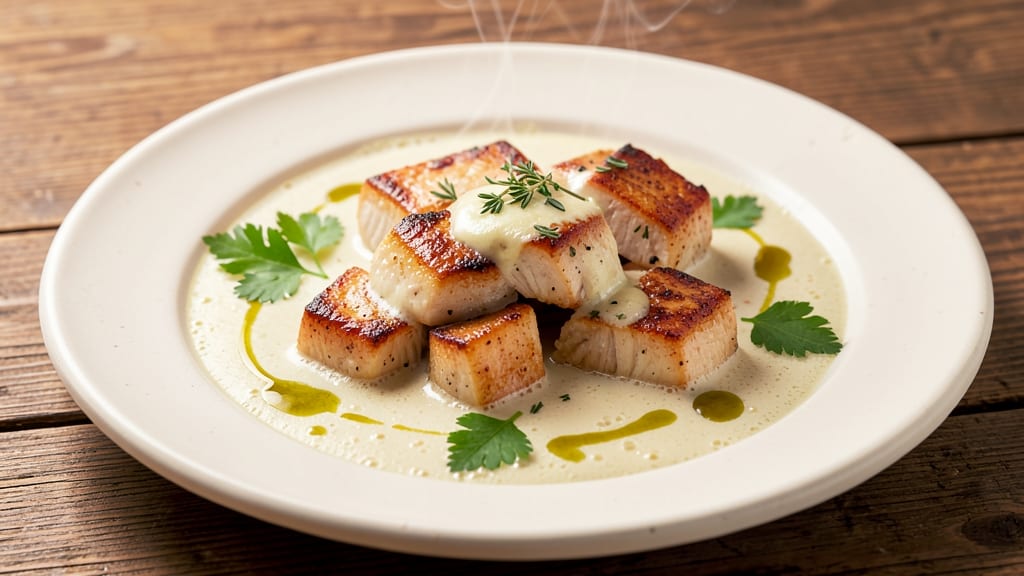
Transforming a pantry staple into a one-pot creamy herb masterpiece, this Campbell's cream of celery chicken recipe delivers restaurant-quality comfort in under an hour. The secret lies in balancing the soup's built-in richness with fresh herbs and tender chicken, creating a velvety sauce that clings to every bite.
Growing up in small-town Georgia, I learned how simple ingredients could become extraordinary when combined thoughtfully—this dish proves that principle every time.
What makes this recipe stand out is its foolproof simplicity: one pot, minimal prep, and no messy sauces to clean afterward. The key technique involves browning the chicken first to develop deep flavor before simmering everything together.
This method ensures the chicken stays juicy while the celery soup transforms into a luscious, herb-infused sauce that coats every ingredient perfectly. Even novice cooks will achieve professional results with this approach.
The final dish delivers creamy perfection with tender chicken pieces floating in a sauce so rich it feels like it's been simmering for hours. The celery notes add a subtle earthiness that balances the creaminess, while fresh herbs bring brightness to each bite.
Serve it over buttery egg noodles or with crusty bread to soak up every last drop of that velvety sauce—this is comfort food at its finest, elevated without complication.
Perfect for weeknight dinners when you crave something hearty but don't have time for elaborate prep, this recipe scales beautifully for families or gatherings. The leftovers reheat just as well, making it an ideal meal to prepare ahead.
Here's how to create this creamy herb masterpiece that tastes like it came from a home-cooked Southern table.
Ingredients for campbell's cream of celery chicken
One can of soup, fresh herbs, and a few pantry staples transform into velvety Southern comfort.
| Ingredient | Amount | Notes |
|---|---|---|
| Campbell's Cream of Celery Soup 🥫 | 1 can | Condensed, not low-fat |
| Boneless Chicken Breast 🍗 | 1 ½ lb | Cut into 1-inch cubes |
| Unsalted Butter 🧈 | ½ cup | Full-fat for creaminess |
| All-Purpose Flour 🌾 | ¼ cup | For thickening |
| Fresh Thyme Leaves 🌿 | ¼ cup | Or 1 tbsp dried thyme |
| Fresh Parsley Leaves 🌿 | ¼ cup | Chopped for garnish |
| Garlic Cloves 🧄 | 4 cloves | Minced for browning |
| Heavy Cream 🥛 | ½ cup | Full-fat preferred |
| Chicken Broth 💧 | 1 cup | Low-sodium preferred |
| Diamond Crystal Kosher Salt 🧂 | ½ tsp | Adjust to taste |
| Freshly Ground Black Pepper 🌶️ | ¼ tsp | For seasoning |
| Egg Noodles 🍝 | 2 oz | Uncooked, for serving |
| Extra-Virgin Olive Oil 🫒 | 1 tbsp | For browning chicken |
The Campbell's Cream of Celery Soup forms the base, but don't skimp on quality for the supporting ingredients. Fresh thyme and parsley from the grocery store's produce section (not the dried herb aisle) add the bright, herbal notes that elevate this dish. For the chicken, look for boneless breasts with good marbling—they stay juicier during browning. The butter and heavy cream ensure that luscious, restaurant-style texture, so avoid low-fat versions. If you're short on time, pre-minced garlic from a jar works, though freshly minced adds depth. The Diamond Crystal kosher salt is a game-changer for seasoning—it dissolves more easily than table salt.
No fresh thyme? Dried thyme at one-third the amount works, but the flavor won't be as vibrant. Running low on heavy cream? Half-and-half plus a splash of milk mimics the richness, though the sauce will be slightly lighter. Substituting chicken breast with thighs or drumsticks adds more flavor but requires longer cooking. For a dairy-free version, replace the heavy cream with coconut milk, though the texture will differ. The egg noodles can be swapped for any pasta, but they're ideal for soaking up that velvety sauce. If you're using jarred minced garlic, drain and rinse it first to remove excess moisture.
This dish reheats beautifully—just add a splash of broth or water to prevent the sauce from thickening too much. Store leftovers in an airtight container for up to 4 days in the refrigerator, or freeze for 3 months. For meal prep, cook the chicken and sauce ahead, then add the noodles fresh when serving. The flavors actually improve overnight as the herbs infuse further. If you're making this for a crowd, double the recipe—it scales perfectly without losing its velvety texture.
Why You'll Love This Recipe
- Here’s what sold me: that first sear with olive oil gives the chicken a crispy edge, but the real magic happens when the butter, thyme, and garlic bloom in the pot. The celery soup adds a subtle earthiness, while the heavy cream makes it velvety—like a hug in a bowl. (Yes, even on a Tuesday night.)
- One-Pot Magic: I swear by this recipe when I’m too tired to scrub three pans. The Dutch oven does all the work—browning the chicken, building the sauce, and cooking the noodles—while I stir maybe twice. That golden crust on the chicken? Happens without flipping it constantly. Honestly, the only cleanup is rinsing the pot and a fork.
- Hidden Depth: Here’s what sold me: that first sear with olive oil gives the chicken a crispy edge, but the real magic happens when the butter, thyme, and garlic bloom in the pot. The celery soup adds a subtle earthiness, while the heavy cream makes it velvety—like a hug in a bowl. (Yes, even on a Tuesday night.)
- Weeknight Workhorse: This feeds four easily, but I often double it for leftovers—my kids ask for it when they’re sick or when I’m hosting friends who “just dropped by.” The noodles make it feel like a meal, not a side dish, and the flavor holds up for days. Freeze it for months if you’re planning ahead.
Step-by-step instructions for creamy celery chicken
This one-pot method delivers velvety herb-infused chicken with minimal cleanup and maximum flavor.
Brown the Chicken for Depth of Flavor
Heat the 1 tablespoon extra-virgin olive oil in a large Dutch oven over medium-high heat. Working in batches if needed, add the 1.5 lb boneless chicken breast cut into 1-inch cubes, spreading them in a single layer. Cook undisturbed for 3-4 minutes per side until the chicken develops a deep golden-brown crust and internal temperature reaches 160°F.
Here's the thing—this browning step creates the Maillard reaction that builds flavor. If you crowd the pan, the chicken will steam instead of sear. I press down gently on the cubes during the first minute to prevent curling, which ensures even contact with the pan. Remove the chicken and set aside on a plate.
Build the Herb-Rich Base
Reduce heat to medium and add the 0.5 cup unsalted butter to the same pot. When the butter foams, add the 4 cloves garlic cloves (minced) and cook for 30 seconds until fragrant but not browned. Immediately stir in the 0.25 cup fresh thyme leaves and 0.25 cup fresh parsley leaves, allowing the herbs to sizzle for 15 seconds—this releases their essential oils.
Sprinkle the 0.25 cup all-purpose flour over the herbs and stir vigorously for 1 minute to cook out the raw flour taste. This creates a roux that will thicken our sauce beautifully. Pour in the 1 cup chicken broth and scrape up any browned bits from the bottom of the pot—these contain concentrated flavor.
Simmer the Creamy Celery Foundation
Return the chicken to the pot and add the 1 can Campbell's Cream of Celery Soup and 0.5 cup heavy cream. Stir gently to combine, then bring to a simmer over medium-low heat. Cover partially and cook for 10-12 minutes, stirring occasionally, until the chicken is fully tender and the sauce has thickened slightly.
The reason we simmer gently is to prevent curdling the cream. You'll know it's ready when the sauce coats the back of a spoon and the chicken is fork-tender. Season with 0.5 tsp Diamond Crystal kosher salt and 0.25 tsp freshly ground black pepper, adjusting to taste. This is where all the flavors meld together—don't rush it.
Finish with Noodles and Fresh Herbs
Increase heat to medium-high and add the 2 oz egg noodles, stirring gently to coat them in the creamy sauce. The noodles will cook quickly in the hot liquid—watch them closely and stir occasionally to prevent sticking. Cook for 4-5 minutes until the noodles are al dente and the sauce has reached your desired consistency.
Here's a pro tip: If the sauce becomes too thick, add 1-2 tablespoons of hot chicken broth from the pot to loosen it. Garnish with additional fresh parsley leaves just before serving. The bright herb notes cut through the richness of the cream and celery, balancing the dish perfectly.
Pro Tips For Making Campbell'S Cream Of Celery Chicken
- Cook Chicken Low: The recipe calls for fully cooked chicken, but I learned the hard way—overcooking it in the pan turns it rubbery. Pull it off the heat at 160°F (it’ll climb to 165°F while resting) and let it sit under foil for 5 minutes. That way, you end up with tender, juicy slices instead of sad, dry ones.
- Bloom the Flour: Skip the quick toss of flour into the pan, and you’ll end up with a gluey mess. Melt the butter first, then add the flour and stir like you’re angry for 30 seconds—until it’s golden and smells nutty. This roux is the flavor foundation, and cutting corners here makes the whole dish taste flat.
- Strain the Soup: Campbell’s soup is convenient, but it’s also packed with little bits that turn your sauce into a textural nightmare. After heating the soup, strain it through a fine-mesh sieve into your roux. Your sauce will be smoother, and you’ll avoid that weird mouthfeel that ruins the creamy texture.
- Add Thyme Last: Fresh thyme burns faster than you’d think, especially when simmering. Tuck the leaves into the chicken at the very end, right before serving. This keeps their bright, herbal flavor intact instead of letting them turn bitter—because nobody wants sad, browned herbs in their creamy chicken.
Pro cooking tips for campbell's cream of celery chicken
Dutch Oven Mastery
That Dutch oven isn't just a pot—it's your secret weapon for even heat distribution and flavor development. I swear by my Lodge 5.5-quart with its pre-seasoned cast iron, but any heavy-bottomed Dutch oven will work.
The deep sides prevent spills when adding noodles, and the weight helps maintain steady temperatures during simmering. If you're using a lighter pot, reduce heat slightly to prevent scorching at the bottom. 🔥
Herb Infusion Hack
Those 15 seconds of sizzling the fresh herbs might seem insignificant, but they're what unlocks maximum flavor. The heat releases essential oils that infuse directly into the butter and garlic. I like to use a microplane to finely chop thyme stems—this adds even more surface area for flavor extraction.
For dried herbs, toast them in the butter first for 30 seconds to wake up their aromatics.
Roux Perfection
The 1-minute roux is where the magic happens—don't rush it. Cook the flour until it's pale golden and smells nutty (not brown). This removes the raw flour taste completely. If your roux starts browning too quickly, reduce heat to medium-low.
I've learned the hard way that a dark roux can make the sauce bitter, so keep your eye on it. Stir constantly with a wooden spoon to prevent lumps.
Cream Control
Adding the heavy cream at the end of the simmering process is crucial—it prevents curdling from the heat. If you notice the sauce starting to separate, immediately whisk in 1 tablespoon cold chicken broth to stabilize it.
For extra richness, I sometimes add 1 teaspoon lemon juice at the end to brighten the flavors and cut through the creaminess.
Noodle Timing
The 4-5 minutes for noodles might seem short, but remember they're cooking in hot sauce, not boiling water. Start checking for doneness at 3 minutes—they should be tender but still hold their shape.
If using wider noodles like fettuccine, add 1 extra minute to the cooking time. I like to reserve ¼ cup of the cooking liquid before adding noodles to thin the sauce if needed.
Garnish Like a Pro
Fresh parsley isn't just decoration—it adds a bright, herbal note that balances the richness. I like to finely chop 1 tablespoon parsley and mix it into the sauce before serving, then sprinkle another tablespoon on top.
For extra flair, add a few toasted breadcrumbs mixed with 1 tsp dried parsley—they add texture and absorb excess sauce. This final touch makes the dish look restaurant-quality. ✨
Nutrition facts
Frequently asked questions
Why does browning the chicken first make such a difference?
The browning step creates the Maillard reaction, which develops deep, savory flavors that can't be replicated by simply cooking the chicken in the sauce. This golden crust adds complexity that transforms this from a basic soup-based dish to something restaurant-quality. Skipping this step means missing out on that rich, caramelized depth.
Can I use chicken thighs instead of breasts?
Yes, but you'll need to adjust the cooking time. Chicken thighs stay juicier and add more flavor, but they require 12-15 minutes of simmering instead of 10-12 minutes to reach 165°F internal temperature. The extra fat also makes the sauce even richer, though you may want to reduce the butter slightly to balance the richness.
What if my sauce gets too thick when reheating?
Simply add 1-2 tablespoons of hot chicken broth or water while reheating and stir until smooth. The sauce should return to its original consistency. For extra insurance, whisk in a splash of heavy cream if the sauce becomes grainy. Never let it boil vigorously, as this can cause separation.
How can I make this dish dairy-free?
Replace the heavy cream with ½ cup full-fat coconut milk and reduce the butter to ¼ cup. The texture will be slightly lighter, but the flavor remains rich. For extra thickness, add 1 teaspoon cornstarch mixed with 1 tablespoon water to the simmering sauce and cook for 2 minutes to thicken it naturally.
What's the best way to serve this creamy chicken dish?
This dish shines with classic pairings: serve over egg noodles as written, or try it with crusty bread** for dipping. For a complete meal, add a simple green salad with lemon vinaigrette or steamed asparagus. The bright acidity cuts through the richness beautifully. Garnish with extra parsley and a sprinkle of black pepper right before serving.