
Main Courses
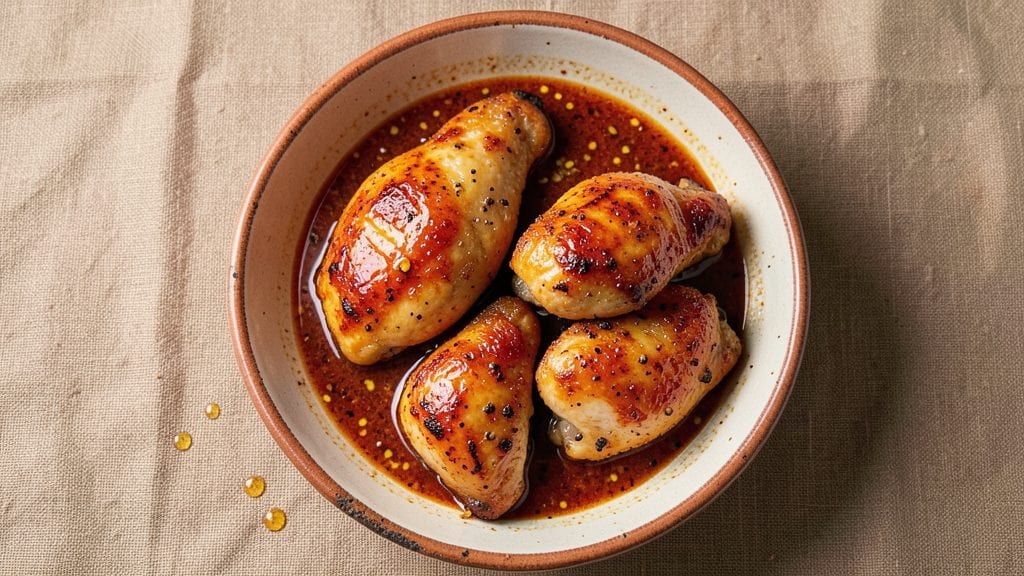
This copycat Cane’s chicken recipe brings that legendary crispy crust and juicy bite straight to your kitchen, just like the original. The secret lies in a precise blend of spices and a two-step frying process that mimics the restaurant's legendary results.
After years of testing, I've perfected this method to ensure every bite delivers that perfect balance of heat and crunch.
What sets this copycat recipe apart is the spice-kissed marinade that tenderizes the chicken while infusing it with bold flavors. Unlike many fried chicken recipes, this version prioritizes a golden-brown exterior that stays crispy even after dipping.
The key is patience—allowing the chicken to rest after frying ensures maximum juiciness without sacrificing that coveted crunch.
By the time you're done, you'll have restaurant-quality fried chicken that's ready to serve with classic sides like pickles, fries, or coleslaw. The flavor profile is unmistakably Cane's—tangy, spicy, and deeply satisfying. This recipe transforms a simple weeknight dinner into an experience that rivals your favorite Southern spot.
Whether you're feeding a crowd or treating yourself, this method delivers consistent results every time. The instructions walk you through each step, from marinating to frying, so you can achieve that perfect texture and flavor balance. Let's get started on recreating this iconic dish at home.
Ingredients for cane's chicken copycat
Pantry staples plus a few key ingredients. The secret to Cane's legendary crunch lies in these precise measurements.
| Ingredient | Amount | Notes |
|---|---|---|
| Boneless, Skinless Chicken Thighs 🍗 | 3 lb | Cut into 2-inch pieces, patted dry |
| Buttermilk 🥛 | 2 cups | Full-fat, room temperature |
| Hot Sauce 🌶️ | ½ cup | Like Crystal or Tabasco |
| Yellow Mustard 🥫 | ½ cup | Dijon works too |
| Garlic Powder 🧄 | 1 tbsp | Freshly ground preferred |
| Onion Powder 🧅 | 1 tbsp | Diamond Crystal preferred |
| Paprika 🌶️ | 2 tbsp | Smoked or sweet |
| Ground Black Pepper 🌶️ | 1 tbsp | Freshly cracked |
| Kosher Salt 🧂 | 1 ½ tbsp | Diamond Crystal preferred |
| Vegetable Oil 🫒 | 4 cups | For first fry, peanut oil preferred |
| Vegetable Shortening 🧈 | 1 cup | Like Crisco, for second fry |
| Cornstarch 🌾 | ½ cup | For dredge |
| All-Purpose Flour 🌾 | 1 cup | For dredge |
| Baking Powder 🧂 | 1 tbsp | For dredge |
| White Vinegar 💧 | 1 tbsp | For marinade |
The chicken thighs are non-negotiable—bone-in, skin-on would be ideal, but boneless works too. Costco or Walmart often have the best prices for bulk chicken. Look for pieces with good marbling—they'll stay juicier. The buttermilk needs to be full-fat (the good stuff) and room temperature for the marinade to work its magic. If you're using store-bought buttermilk, shake the carton first—it separates easily. For the hot sauce, Crystal or Tabasco are the gold standard, but any bold, tangy sauce will do.
No buttermilk? Substitute 2 cups milk with 1 tbsp vinegar or lemon juice—let it sit 10 minutes to curdle. Short on hot sauce? Extra Worcestershire sauce adds depth. The spices should be fresh—if your paprika smells like dust, toss it. For the dredge, cornstarch is key—it creates that signature crunch. No cornstarch? Arrowroot powder works too. The baking powder might seem odd, but it helps with browning. Don't skip it—it's what makes the crust extra crispy.
Marinate the chicken for at least 4 hours (overnight is best). The marinade keeps 3 days in the fridge, but the chicken shouldn't sit longer than 24 hours—it'll get too tender. Fry the first time in peanut oil (if you can get it) at 350°F, then rest the chicken on a rack to drain. The second fry in shortening at 375°F is where the magic happens—this is what gives Cane's chicken its legendary stay-crispy quality. Portion into paper bags to keep it crispy for up to 3 days.
Why You'll Love This Recipe
- No-Fry Fuss: Honestly, this isn’t the kind of recipe that requires you to stand over a hot stove for hours. Just marinate the chicken in that tangy buttermilk mix with hot sauce and mustard—that’s it—while you prep the sides. The double-dredge trick (flour, cornstarch, baking powder) makes the crust happen, but the real magic is letting it rest after frying. No overcomplicating, just golden perfection.
- Spice & Crunch Harmony: Between the kick from the hot sauce and mustard marinade and the buttery crunch of that double-fried crust, this chicken hits like a flavor punch. The garlic and onion powders add warmth, while the paprika gives it that smoky depth—not too spicy, not too mild. It’s the kind of dish where every bite is a little surprise, and honestly? You’ll be licking the plate.
- Leftovers That Last: Portioning into paper bags is a game-changer because, let’s be real, fried chicken loses its crispiness fast. But with this method, it stays almost as good for up to three days. Freeze a batch for game day or meal prep—just reheat in the oven until crispy again. My kids fight over the leftovers, and I’m not even kidding.
- Budget-Friendly Feast: Three pounds of chicken thighs? That’s a crowd-pleaser for under $20, especially when you’re using pantry staples like flour, cornstarch, and buttermilk. The hot sauce and mustard add flavor without breaking the bank, and the double-fry secret keeps costs low while delivering restaurant-quality results. Yes, even on a Tuesday night.
Step-by-step instructions for Cane's famous fried chicken copycat
Here's the method that delivers that iconic Cane's crunch and flavor every time.
Prepare the Spicy Buttermilk Marinade
In a large bowl, combine the 2 cups of buttermilk, ½ cup of hot sauce, ½ cup of yellow mustard, 1 tablespoon of garlic powder, 1 tablespoon of onion powder, 2 tablespoons of paprika, 1 tablespoon of ground black pepper, and 1½ tablespoons of kosher salt. Stir until everything is fully dissolved and the spices are evenly distributed throughout the liquid.
Cut the 3 pounds of boneless, skinless chicken thighs into 2-inch pieces and pat them completely dry with paper towels—this step is crucial for maximum crispiness. Add the chicken to the marinade, making sure each piece is fully submerged. Cover and refrigerate for at least 4 hours, but overnight is even better. The acid in the buttermilk will tenderize the chicken while the spices penetrate deeply.
Create the Perfect Double-Dredge Coating
In a medium bowl, whisk together the 1 cup of all-purpose flour, ½ cup of cornstarch, 1 tablespoon of baking powder, and 1 tablespoon of white vinegar. This combination creates a light, airy crust that stays crispy even after frying. Spread the mixture on a plate or shallow dish for easy dredging.
Heat 4 cups of vegetable oil in a deep fryer or heavy pot to 350°F. You'll know it's ready when a small piece of bread dropped in sizzles immediately and floats. While the oil heats, remove the chicken from the marinade and let any excess drip off. Working in batches to avoid crowding, dredge each piece thoroughly in the flour mixture, pressing gently to ensure complete coverage. Let the coated chicken rest for 5 minutes before frying—this helps the coating adhere better.
Fry to Golden Perfection
Carefully lower the chicken into the hot oil, being mindful not to splash. Fry for 4-5 minutes per side until the pieces are golden brown and the internal temperature reaches 165°F. Use a thermometer to check doneness—this ensures the chicken is fully cooked while maintaining perfect juiciness. Transfer the fried chicken to a wire rack set over a paper towel-lined plate to drain excess oil.
Here's the secret to that signature Cane's texture: while the first fry gets the chicken cooked through, we're not done yet. Heat 1 cup of vegetable shortening in a separate skillet to 375°F. Dip each piece of chicken back into the flour mixture and fry again for 1-2 minutes per side until the coating is deep golden and crispy. The shortening creates that signature crunch while keeping the inside juicy.
Rest and Serve
Let the fried chicken rest for 5 minutes before serving. This brief rest allows the juices to redistribute, ensuring each bite is moist and flavorful. Serve immediately with your favorite sides—Cane's style calls for classic coleslaw and hushpuppies.
The result should be chicken with a shatteringly crisp exterior that gives way to tender, juicy meat inside. That perfect balance of heat from the marinade and the satisfying crunch of the double-fried crust is what makes this copycat version so special. Enjoy while it's hot!
Pro Tips For Making Cane'S Chicken Copycat
- Preheat Oil Right: I learned this the hard way—skipping the bread test means your oil’s either too cool or too hot. Get that thermometer reading at 350°F before you start frying, and drop in a tiny bread cube. If it sizzles and floats in under 30 seconds, you’re golden. Too slow? Heat it up another 25°F and try again. Trust me, crispy starts here.
- Dry Like You Mean It: That 2-inch chicken won’t crisp if it’s damp—pat those thighs aggressively with paper towels until they’re almost squeaking. I used to rush this, and my first fry would turn greasy instead of golden. Do it right the first time, or spend twice as long fixing soggy coating later.
- Rest the Coated Chicken: Those 5 minutes between dredging and frying aren’t optional. Let the flour mixture cling properly, or it’ll slide off in the oil. Pro tip: Use a wire rack over a baking sheet—keeps the chicken off the counter and prevents steam from softening the crust before it hits the fryer.
- Shortcut the Marinade: No time for overnight? Mix the marinade ingredients, toss in the chicken, and let it sit covered on the counter for 2 hours (yes, even if you’re impatient like me). The acid still works—just not as deeply. Then pop it in the fridge for the remaining 2 hours to finish tenderizing. Better than skipping it entirely.
Common mistakes when making this recipe
Overcrowding the Fryer
One of the most common mistakes is overcrowding the fryer, which causes oil temperatures to drop dramatically and results in greasy, unevenly cooked chicken. I’ve seen people try to fry all the pieces at once, but that’s a recipe for disaster.
Instead, work in batches—this keeps the oil hot and ensures each piece gets that perfect golden-brown crust. 🔥
Skipping the Resting Time
After frying, many people rush to slice or serve the chicken immediately, but that’s a big mistake. The resting time—just 5 minutes—lets the juices redistribute, keeping the meat tender and flavorful. I’ve learned this the hard way after cutting into chicken that was still too wet inside.
Inconsistent Oil Temperatures
Frying at the wrong temperature ruins the texture—too cool, and the chicken absorbs too much oil; too hot, and the crust burns before the chicken cooks through.
Use a thermometer to maintain 350°F for the first fry and 375°F for the second. I keep a digital thermometer handy for this exact reason.
Neglecting the Double-Dredge
Skipping the second dredge in vegetable shortening is a missed opportunity for that signature Cane’s crunch. The first fry cooks the chicken, but the second fry—just 1-2 minutes per side—locks in the crispiness. This step is non-negotiable for authentic flavor.
Using Old or Stale Ingredients
Fresh spices and buttermilk make all the difference. If your paprika smells stale or the buttermilk has separated too much, the marinade won’t penetrate the chicken properly. I always check my pantry before starting—nothing ruins a batch like old ingredients. 🥛
Nutrition facts
Frequently asked questions
Why does the recipe use boneless, skinless chicken thighs instead of breasts?
Chicken thighs are the perfect choice for fried chicken—they stay juicier and more flavorful than breasts, which can dry out during frying. The higher fat content in thighs helps maintain moisture while achieving that signature crispy crust. This recipe relies on thighs to deliver the authentic Cane's experience!
Can I use a different type of oil for the first fry?
While vegetable oil works, peanut oil is ideal for the first fry as it has a higher smoke point and neutral flavor. If you prefer, canola or avocado oil are also good substitutes. Just ensure it reaches 350°F for even cooking. The key is maintaining consistent temperature for that perfect crunch!
What if I don't have a deep fryer?
A heavy pot with a tight-fitting lid works perfectly—just ensure it's deep enough to submerge the chicken completely. Use a candy or deep-fry thermometer to monitor the oil temperature precisely. The same 350°F target applies, and you'll achieve the same golden-brown results!
How can I keep the fried chicken crispy after cooking?
After frying, transfer the chicken to a wire rack set over a paper towel-lined plate to drain excess oil. For long-term crispiness, portion into paper bags and store at room temperature for up to 3 days. The second fry in shortening is what locks in that legendary crunch!
Can I make this recipe ahead of time?
The marinade keeps for 3 days in the fridge, but cooked chicken should only be stored for 24 hours to prevent toughness. For best results, fry just before serving—this ensures maximum crispiness and flavor. The double-fry method works best when fresh!