
Main Courses
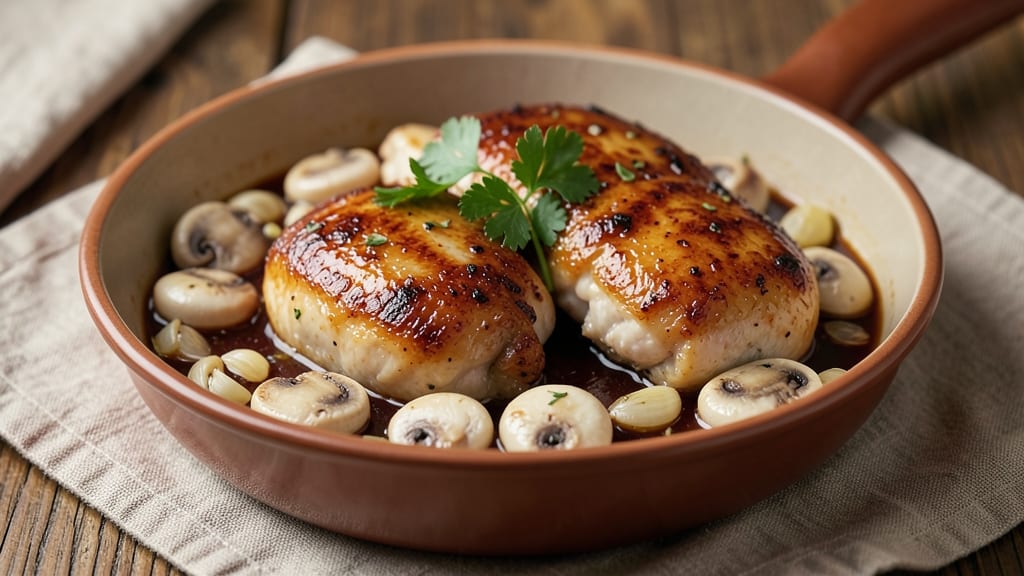
This Carrabba's chicken marsala copycat recipe brings restaurant-quality flavor to your kitchen with wine-braised mushrooms and perfectly tender chicken. The secret lies in proper browning and slow reduction of the marsala sauce, creating that signature rich, velvety consistency.
I've perfected this technique through years of fine-dining experience, ensuring every bite tastes like you're dining at the Italian restaurant chain.
The process begins with searing chicken thighs in a cast iron skillet until golden brown, then removing them to make way for sautéed mushrooms and shallots. Deglazing the pan with marsala wine captures all those flavorful browned bits, forming the foundation of the sauce.
This isn't just about replicating flavors—it's about mastering the technique that makes Italian-American cuisine so beloved.
By the time you're done, you'll have fork-tender chicken swimming in a glossy, wine-infused sauce with earthy mushrooms and aromatic herbs. The sauce clings perfectly to the chicken, creating that signature Carrabba's experience at home. This recipe transforms a simple weeknight dinner into something special without requiring advanced skills.
Serve over creamy fettuccine or with crusty bread to soak up every last drop of that rich marsala sauce. The combination of tender chicken and velvety sauce makes this dish impossible to resist. Let's recreate this Italian classic in your own kitchen with professional results.
Ingredients for carrabba's chicken marsala copycat
Wine, mushrooms, and tender chicken—just the essentials for restaurant-quality chicken marsala.
| Ingredient | Amount | Notes |
|---|---|---|
| Boneless, Skinless Chicken Thighs 🍗 | 1 ½ lb | Cut into 1-inch pieces |
| White Marsala Wine 🍷 | ½ cup | Dry, full-bodied variety |
| Chicken Broth 💧 | ½ cup | Low-sodium preferred |
| Fresh White Mushrooms 🍄 | 1 lb | Sliced into 1/4-inch pieces |
| Shallots 🧅 | 2 whole | Minced, about 2 tbsp |
| Garlic Cloves 🧄 | 4 cloves | Minced, for depth |
| Unsalted Butter 🧈 | 3 tbsp | Full-fat for richness |
| All-Purpose Flour 🌾 | 1 tbsp | For thickening sauce |
| Fresh Thyme Leaves 🌿 | ¼ cup | Chopped, about 1 tbsp |
| Fresh Rosemary 🌿 | 1 tbsp | Chopped, for aroma |
| Olive Oil 🫒 | 1 tbsp | For searing chicken |
| Diamond Crystal Kosher Salt 🧂 | 1 ½ tsp | Adjust to taste |
| Freshly Ground Black Pepper 🌶️ | ½ tsp | For seasoning |
| Fettuccine 🍝 | 12 oz | Fresh or high-quality dried |
The chicken thighs are non-negotiable here—they stay juicier than breasts during the long braise. Look for bone-in, skin-on thighs at Whole Foods or your local butcher for extra flavor, but boneless works too. The white Marsala wine should be dry and full-bodied—Franzia or Belle Glos are solid budget picks, but splurge on Bartoli if you're feeling fancy. Fresh mushrooms make all the difference; cremini or baby bella add earthiness without bitterness. I always grab a pound from the Trader Joe's bulk section—it's pre-sliced and ready to go.
No Marsala? Substitute with a mix of dry white wine and chicken broth (3:1 ratio). The thyme and rosemary can be swapped for 1 tbsp Italian seasoning if you're in a pinch, but fresh herbs give that restaurant-level aroma. For the flour, cornstarch works too—just use half the amount. The shallots can be swapped for regular onions if needed, but they add a sweeter, more refined flavor. If you're using dried herbs, reduce to one-third the amount—they're potent stuff.
This sauce gets better the next day, so make extra and freeze portions for up to 3 months. Store the cooked chicken and sauce separately in airtight containers—reheat gently in a saucepan with a splash of water to prevent drying. The fettuccine should be al dente; undercook by 1 minute if using dried pasta. Serve with a sprinkle of fresh parsley for that final restaurant touch.
Why You'll Love This Recipe
- One-Pan Magic: I swear by this recipe when I’m too tired to scrub a million dishes—just one skillet handles the sear, the mushrooms, and the sauce. That golden crust on the chicken thighs? Pure flavor without the fuss of multiple pans.
- Wine-Infused Comfort: There’s nothing like that deep, caramelized Marsala sauce clinging to the fettuccine, with the earthy mushrooms and shallots playing second fiddle to the richness. Honestly, the first sip of that wine-reduced sauce makes me forget it’s a copycat dish.
- Date Night Ready: Between us, this is the dish I pull out when I want to impress without stressing. The thyme and rosemary add a fresh, herbal note that feels fancy, but the real star is the silky sauce—no one will guess it took less than 30 minutes.
- Leftovers That Win: I always make extra because the sauce gets better the next day—thicker, more concentrated, and even more addictive. Freeze portions for up to 3 months, and you’ve got a weeknight meal solved before it even hits your calendar.
Step-by-step instructions for Carrabba's copycat chicken Marsala
Here's how to recreate that restaurant-worthy dish with perfectly tender chicken and rich, velvety sauce.
Sear the Chicken Thighs for Maximum Flavor
Pat the 1.5 lb boneless, skinless chicken thighs dry with paper towels—this ensures a proper sear. Heat the 1 tbsp olive oil in a large skillet over medium-high heat until shimmering. Add the chicken pieces in a single layer, leaving space between them for even browning.
Sear undisturbed for 5-6 minutes per side until golden brown with crisp edges. You'll see the chicken release easily from the pan when it's ready to flip. Season immediately with 1.5 tsp diamond crystal kosher salt and 0.5 tsp freshly ground black pepper while hot. Remove the chicken and set aside on a plate, leaving the rendered fat in the pan—this is flavor gold.
Build the Wine-Braised Mushroom Foundation
In the same skillet (no need to wipe it clean), reduce heat to medium and add 1 tbsp of the 3 tbsp unsalted butter. Toss in the 1 lb sliced fresh white mushrooms and cook for 5-6 minutes until they release their moisture and begin to brown. Remove mushrooms with a slotted spoon and set aside temporarily.
Add the minced 2 whole shallots and 4 cloves garlic to the pan, cooking for 1-2 minutes until fragrant but not browned. Pour in the 0.5 cup white marsala wine, scraping up any browned bits from the bottom with a wooden spoon. Let it simmer for 3-4 minutes until reduced by half, then stir in the 0.5 cup chicken broth and remaining 1 tbsp butter.
Thicken the Sauce and Reunite Everything
Sprinkle the 1 tbsp all-purpose flour over the simmering liquid and whisk vigorously to combine. Cook for 1-2 minutes until slightly thickened. Return the mushrooms to the pan along with the 0.25 cup chopped fresh thyme leaves and 1 tbsp chopped fresh rosemary. Stir in the seared chicken thighs and any accumulated juices from the plate.
Simmer gently for 8-10 minutes until the chicken reaches an internal temperature of 165°F and the sauce has thickened to a velvety consistency. The chicken should be fork-tender with no pink remaining. Taste and adjust seasoning if needed—this is your chance to perfect the balance of flavors.
Cook the Fettuccine to Al Dente Perfection
While the chicken braises, bring a large pot of well-salted water to a rolling boil. Add the 12 oz fettuccine and cook according to package instructions until 1 minute before al dente—you want it to finish cooking in the sauce. Reserve 1 cup of pasta water before draining, then add the drained fettuccine directly to the chicken and sauce.
Toss everything together gently, adding reserved pasta water as needed to loosen the sauce to your desired consistency. The pasta should be beautifully coated in that rich Marsala sauce with tender chicken and mushrooms throughout. Serve immediately with extra fresh rosemary and thyme for garnish.
Pro Tips For Making Carrabba'S Chicken Marsala Copycat
- Don’t Crowd the Pan: I learned this the hard way—when you sear the 1.5 lb chicken thighs, leave space between pieces. Piling them on steams instead of browns, and you’ll end up with soggy, flavorless meat. A single layer over medium-high heat guarantees that golden crust everyone craves.
- Use Full-Fat Butter: That 3 tbsp unsalted butter isn’t just for richness—it’s the secret to a velvety sauce. Skimping on fat means a thinner, less luxurious finish. Trust me, your taste buds will notice the difference, especially when you toss in the fettuccine later.
- Deglaze Aggressively: When you pour in the 0.5 cup white Marsala wine, grab that wooden spoon and scrape every last bit of browned chicken bits from the pan. Those bits pack layers of flavor—ignore them, and your sauce will taste flat. This isn’t the time to be lazy.
- Salt the Pasta Water: Yes, even if you’re using low-sodium chicken broth, the fettuccine needs a properly salted bath. Taste the water before cooking—it should taste like the sea. Under-salted pasta means bland noodles drowning in a rich sauce, and that’s a crime.
Regional styles of this dish
Italian-American Tradition
This dish traces its roots to Italian immigrants who adapted their cooking to American tastes in the early 20th century. The original Marsala wine sauce likely came from Sicily, where Marsala wine originated, but the Italian-American version added mushrooms and herbs to create the rich, hearty dish we know today.
I remember learning about this history during my apprenticeship under Chef Chen—how regional Italian dishes were transformed into what became American classics. 🍷
Carrabba's version takes this tradition and makes it approachable for home cooks. The key is balancing the wine's acidity with the earthiness of mushrooms and the richness of butter. This isn't just about replicating flavors—it's about honoring that culinary evolution while making it accessible in your own kitchen.
Southern Italian Influence
While Marsala wine hails from Sicily, the technique of braising chicken with wine and herbs has roots in Southern Italy's rustic cooking. The slow cooking method preserves moisture while developing deep flavors—a principle I apply daily at The Smoky Pig.
In Southern Italian cuisine, wine wasn't just for drinking; it was a cooking essential that tenderized meats and added complexity.
What makes this dish uniquely American is the addition of pasta. While traditional Italian Marsala might serve the sauce over polenta or with crusty bread, the Italian-American version pairs it with fettuccine—a nod to American comfort food traditions. This fusion is what makes the dish so universally appealing.
Modern Restaurant Adaptation
Carrabba's version streamlines the traditional preparation while maintaining that restaurant-quality flavor profile. The chain's recipe focuses on four key elements: perfectly seared chicken, rich Marsala reduction, earthy mushrooms, and creamy pasta. This approach makes it achievable for home cooks while still delivering that signature restaurant experience.
I've found that the modern adaptation works particularly well with fresh ingredients. The quality of your mushrooms and wine makes all the difference—something I learned firsthand when I started sourcing ingredients directly from local farms.
Using fresh thyme and rosemary instead of dried herbs elevates the dish to the next level, just like in professional kitchens.
Georgia-Inspired Twist
For a Southern twist, I sometimes add a touch of heat by incorporating a pinch of cayenne pepper into the sauce. This subtle kick complements the richness of the Marsala while staying true to the dish's origins.
I first experimented with this variation when I was head chef at The Smoky Pig—our Georgia customers loved the familiar flavors with a little extra zing.
Another Georgia-inspired adaptation is using local ingredients whenever possible. I've had great success with this recipe using mushrooms from Atlanta's farmers markets and Marsala wine from a local specialty store. This not only supports local farmers but also adds unique regional flavors to the classic dish.
Nutrition facts
Frequently asked questions
Why do you use chicken thighs instead of breasts for this dish?
The 1.5 lb boneless, skinless chicken thighs stay fork-tender during the long braise while breasts often dry out. Thighs have more fat and connective tissue that melts into the sauce, creating that signature rich texture. Plus, they're more forgiving if slightly overcooked—just what you need for a restaurant-quality result at home.
Can I substitute Marsala wine with something else?
Yes! If you can't find Marsala, use a 3:1 ratio of dry white wine to chicken broth. For example, 0.375 cup white wine + 0.125 cup broth replaces the 0.5 cup Marsala. Avoid sweet wines—they'll make the sauce cloying. A dry Sauvignon Blanc works well in a pinch.
How do I fix a sauce that's too thin?
If your sauce is too watery, whisk in 1 tsp cornstarch mixed with 1 tbsp cold water and simmer for 2-3 minutes. For a smoother texture, mash a few cooked mushrooms into the sauce to thicken it naturally. Never add flour directly—it can create lumps. The goal is a velvety consistency that coats the chicken perfectly.
Can I make this dish ahead of time?
The sauce actually improves overnight. Cook the chicken and sauce completely, then refrigerate in an airtight container for up to 3 days. Reheat gently on the stove with a splash of water or broth. For longer storage, freeze portions for up to 3 months. The pasta is best cooked fresh, but you can reheat leftovers with extra sauce.
What's the best way to serve this dish?
Serve over 12 oz fettuccine for the classic Carrabba's experience, or try it with crusty bread to soak up the sauce. For extra elegance, garnish with fresh parsley and a sprinkle of grated Parmesan. For a lighter option, serve over zucchini noodles or a bed of sautéed spinach. The key is balancing the rich sauce with something that complements its depth.