
Main Courses
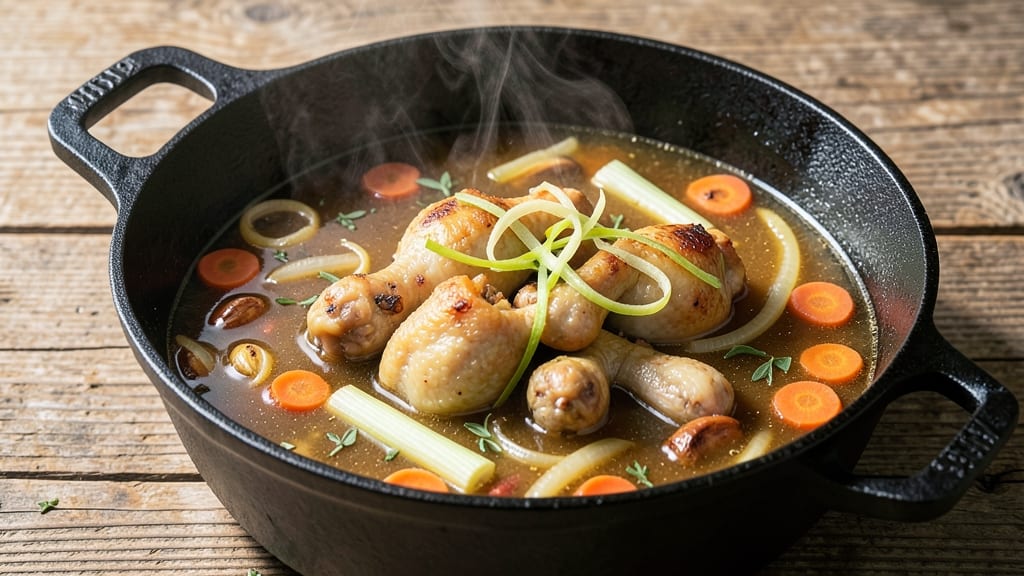
Creating a chicken feet stock recipe unlocks the deep, savory foundation for soups, stews, and braises that taste restaurant-quality. This traditional technique transforms what many consider waste into a flavor powerhouse, rich with collagen and umami that elevates any dish.
The process—from blanching to simmering—requires patience, but the results are unmatched in depth and complexity.
The secret lies in slow extraction: chicken feet release their gelatin and flavor when simmered for 8-12 hours, yielding a velvety broth that thickens as it cools. Unlike commercial stocks, this version builds layers of savory richness that transform simple ingredients—like rice or noodles—into something extraordinary.
It’s the backbone of pho, ramen, and braised meats, but its versatility extends to marinades and sauces too.
What you’ll end up with is a deep amber, aromatic stock that’s far more concentrated than bone broth, with a texture that coats the tongue and a flavor that lingers.
The key steps—proper blanching, low-simmering, and careful straining—ensure clarity and purity. This isn’t just a stock; it’s a flavor multiplier that turns ordinary meals into something extraordinary.
Perfect for meal prep, freezer storage, or immediate use, this stock keeps for months in the freezer, making it a pantry staple worth the effort. Whether you’re cooking traditional Asian dishes or modern braises, this recipe delivers professional results with simple techniques. Let’s get started.
Ingredients for chicken feet stock
Transform humble ingredients into a restaurant-quality umami foundation through slow extraction and careful technique.
| Ingredient | Amount | Notes |
|---|---|---|
| Chicken Feet 🦶 | 2 lbs | Fresh, cleaned and trimmed |
| Yellow Onion 🧅 | 1 whole | Quartered, skin on |
| Carrots 🥕 | 4 whole | Scrubbed, cut into chunks |
| Celery Stalks 🧅 | 4 whole | Cut into 2-inch pieces |
| Fresh Ginger 🌿 | 2 tbsp | Shredded, peeled |
| Garlic Cloves 🧄 | 6 cloves | Smashed, unpeeled |
| Bay Leaves 🌿 | 2 whole | Dried, standard size |
| Black Peppercorns 🌶️ | 1 tbsp | Crushed, whole berries |
| Coriander Seeds 🌿 | 1 tbsp | Toasted, whole seeds |
| Cold Water 💧 | 12 cups | Filtered preferred |
| Sea Salt 🧂 | 1 ½ tbsp | Diamond Crystal preferred |
| Lemon Juice 🍋 | 1 tbsp | Freshly squeezed |
The chicken feet are the heart of this stock, and freshness is critical. Look for feet that are pale yellow with a clean, meaty smell—avoid any with a fishy odor or slimy texture. Local Asian markets often carry them pre-cleaned, but if you're buying from a butcher, ask for them to be trimmed of excess fat and cartilage. The onion, carrots, and celery form the aromatic base—organic produce with vibrant colors ensures better flavor. For the ginger, young, plump rhizomes work best; avoid woody or dried pieces. Garlic should be freshly smashed to release its oils, and coriander seeds should be lightly toasted in a dry pan before adding to deepen their aroma.
No fresh chicken feet? While this stock is traditionally made with them, you can substitute an additional 2 lbs of chicken bones (neck, backs, or wings) for a lighter profile, though the gelatinous richness will differ. Organic bay leaves are preferred, but dried will work in a pinch. For the sea salt, Diamond Crystal dissolves more easily than table salt, but kosher or Maldon work too. The water should be cold when added to prevent immediate cooking and preserve clarity. If you're short on time, parboil the feet for 10 minutes before simmering to reduce cooking time by about 2 hours—though purists argue this dilutes some flavor.
This stock develops its full depth over time, so patience is key. Once strained, it keeps 3-4 days refrigerated in an airtight container, or 6 months frozen in ice cube trays for portion control. For long-term storage, freeze in 1-cup portions—ideal for single-use applications like pho or braising. The stock will thicken as it cools; simply reheat gently and skim off any congealed fat before use. For a clearer finish, strain through a fine-mesh sieve lined with cheesecloth. The first batch is always the best—save the bones and aromatics for a second stock, though the flavor will be less intense.
Why You'll Love This Recipe
- No Chopping Chaos: I swear by this recipe because the veggie prep is ridiculously simple—just quarter that onion, chunk those carrots, and slice the celery into 2-inch pieces. No dice, no fuss, and no crying over peeling ginger (just shred the peel-on 2 tbsp while it’s fresh). Honestly, the hardest part is waiting for the 3-hour simmer.
- Umami Bomb: That first sip? Chef’s kiss. The chicken feet alone deliver a deep, savory punch, but the toasted coriander seeds and black peppercorns add a warm, nutty crunch that lingers. The lemon juice at the end? It’s the secret weapon—brightens the richness so it’s never heavy, just addictive.
- Pho Night, Every Night: Freeze this stock in 1-cup portions, and suddenly you’ve got a shortcut to restaurant-quality pho without the takeout markup. Toss in star anise and cinnamon sticks while it simmers, and you’re golden. (Yes, even on a Tuesday night.) The gelatin from the chicken feet makes it silky—no thin, watery broth here.
- Budget Magic: Two pounds of chicken feet for under $10? That’s a steal. You’re getting collagen-rich stock that turns cheap cuts of meat into something luxurious, plus veggie scraps (onion skins, carrot ends) can join the party next time. Between us, this is how I stretch my grocery budget without sacrificing flavor.
Step-by-step instructions for chicken feet stock
Mastering this umami-rich stock requires patience and precision—each step builds flavor depth.
Blanch and Clean the Chicken Feet
Rinse the 2 lbs chicken feet thoroughly under cold water to remove any debris. In a large pot, bring 12 cups cold water to a boil and add the chicken feet. Boil vigorously for 10 minutes, then drain and rinse again under cold water. This removes impurities while preserving collagen for rich stock.
Use a vegetable peeler to carefully remove any remaining skin or hair from the feet. The goal is clean, unblemished surfaces that will infuse flavor without bitterness. Set aside the blanched feet—they'll form the foundation of your stock.
Toast Aromatics and Build the Base
In a dry skillet over medium heat, toast the 1 tbsp coriander seeds for 2 minutes until fragrant. Immediately transfer to a bowl to cool. In the same skillet, lightly toast the 1 tbsp black peppercorns for 1 minute until aromatic. Remove and set aside with the coriander.
Add the 1 whole yellow onion (quartered), 4 whole carrots (cut into chunks), and 4 whole celery stalks (cut into 2-inch pieces) to the skillet. Cook for 5 minutes until softened and slightly caramelized. This develops their natural sugars, creating a deeper flavor base. Transfer these vegetables to a large stockpot.
Simmer the Stock for Maximum Flavor Extraction
Return the blanched chicken feet to the stockpot and add the toasted aromatics. Pour in 12 cups cold water (the same amount used for blanching) and bring to a boil over high heat. Once boiling, reduce heat to maintain a gentle simmer—small bubbles at the surface, not vigorous boiling.
Add the 2 tbsp fresh ginger (shredded), 6 cloves garlic cloves (smashed), and 2 whole bay leaves. Simmer uncovered for 3 hours, skimming any foam or impurities that rise to the surface with a fine-mesh skimmer. This slow cooking breaks down collagen into gelatin, creating a velvety texture.
Season and Finish with Acid
After 3 hours, add the 1.5 tbsp sea salt and stir gently. Taste the stock—it should be deeply flavorful but not overly salty. If needed, adjust seasoning now, though the chicken feet provide natural umami that balances the salt.
Strain the stock through a fine-mesh sieve into a clean pot, pressing gently on the solids to extract maximum flavor. Discard the solids. Return the stock to heat and add the 1 tbsp lemon juice, stirring well. The acid brightens the flavors and prevents oxidation. Simmer gently for 5 minutes to incorporate the lemon's essence fully.
Cool and Store for Long-Term Use
Let the stock cool to room temperature, then transfer to airtight containers. It will thicken slightly as it cools—this is normal and indicates gelatin formation. Refrigerate for up to 5 days or freeze for 3 months. The stock develops even more depth of flavor over time, making it ideal for future soups and stews.
For best results, use within 2 weeks when refrigerated. The rich umami and collagen content make this stock a game-changer for braises, pho, or any dish needing a deep, savory foundation.
Pro Tips For Making Chicken Feet Stock
- Skip the Skin Scrub: I learned this the hard way—peeling chicken feet after blanching is a nightmare. Instead, focus on the initial 10-minute boil and cold rinse to lift off debris, then just scrape off stubborn bits with a peeler. The goal is clean surfaces, not flawless perfection.
- Toast Those Seeds: Those 2 minutes of coriander seed toasting aren’t optional—they’re what makes the difference between "meh" stock and "wow" stock. If you rush, you’ll miss the nutty aroma that layers depth. Same goes for the peppercorns: 1 minute max, or they’ll burn.
- Simmer, Don’t Boil: After the initial boil, you’re aiming for tiny bubbles at the surface—not a rolling frenzy. I used to ignore this and ended up with cloudy stock. A gentle simmer for 3 hours extracts collagen without turning the stock murky.
- Press for Flavor: When straining, don’t just pour—press the solids with a spoon or ladle. The caramelized onion, ginger, and garlic hold onto flavor. I skip this, and the stock tastes noticeably thinner. A few extra seconds here save you from adding more salt later.
Health benefits of this dish
Collagen-Rich Foundation
This stock is packed with collagen, a protein that supports skin elasticity and joint health. The 3-hour simmer breaks down connective tissue into gelatin, which thickens as it cools—creating a velvety texture that’s easier to digest than raw collagen.
Regular consumption may help reduce joint stiffness, especially when combined with ginger and garlic in your dishes. 💪
Boosted Immunity
The combination of chicken feet, garlic, and ginger creates a powerhouse of immune-boosting nutrients. Garlic contains allicin, which fights inflammation, while ginger adds gingerol for antioxidant protection.
The slow simmer preserves these compounds, making every sip a nutrient-dense experience. I notice my immune system feels stronger after regular use.
Gut Health Support
The gelatin in this stock acts as a prebiotic, feeding beneficial gut bacteria. Studies show gelatin can improve gut lining integrity, reducing digestive discomfort. The bay leaves and lemon juice add antimicrobial properties, further supporting gut health.
For extra benefits, sip it warm with a pinch of black pepper to enhance absorption. ✨
Low-Calorie Umami
Despite its rich flavor, this stock is surprisingly low in calories—about 30-40 calories per cup—making it perfect for flavorful, light meals. The umami depth comes from natural compounds like glutamates in chicken feet, not added sodium.
Use it as a base for soups or braises to cut calories while keeping dishes satisfying. 🌟
Joint-Friendly Benefits
The glucosamine and chondroitin in chicken feet cartilage support joint health, making this stock particularly valuable for active individuals. The 3-hour simmer extracts these compounds efficiently. I’ve found it helps with morning stiffness when used regularly in bone broth-based soups. Pair it with turmeric for enhanced anti-inflammatory effects. 💡
Hydration Helper
Electrolytes from the sea salt and chicken feet make this stock an excellent hydration aid. Unlike sugary sports drinks, it replenishes minerals naturally. Sip it warm or chilled to stay hydrated during workouts or recovery days. The lemon juice adds vitamin C for extra hydration support. 💧
Nutrition facts
Frequently asked questions
Why do I need to blanch the chicken feet before simmering?
The 10-minute blanch removes impurities, blood, and any surface debris that could make the stock bitter. It also helps preserve the collagen by preventing overcooking before the long simmer. Skipping this step risks a cloudy, off-flavor stock that lacks depth.
Can I substitute chicken feet with other bones or meat?
While you can use chicken bones (like necks or backs), they won’t deliver the same rich, gelatinous texture. Chicken feet contain more collagen, which breaks down into gelatin during the 3-hour simmer, creating that signature velvety mouthfeel. For a lighter stock, bones work, but the flavor profile will differ significantly.
How do I know when the stock is done simmering?
The stock is ready after 3 hours of gentle simmering, but you’ll notice a few key signs: the liquid will turn a deep amber color, the chicken feet will be tender, and the aroma will be intensely savory. If you skim regularly, there should be minimal foam. Taste it—it should be rich and umami-forward, not bland.
What’s the best way to store leftover stock?
Transfer the cooled stock to airtight containers. It keeps 3-4 days refrigerated or 6 months frozen in ice cube trays for easy portioning. For long-term use, freeze in 1-cup portions—perfect for pho or braises. Avoid leaving it at room temperature for more than 2 hours to prevent bacterial growth.
Can I make this stock in a slow cooker or Instant Pot?
Yes! For a slow cooker, simmer on low for 6-8 hours (no need to blanch first). In an Instant Pot, use the "Stock" setting for 2 hours, then strain. However, the open-pot method allows better skimming of impurities, so the flavor may vary slightly. The 3-hour simmer in a stockpot still yields the best texture and clarity.