
Sauces & Condiments
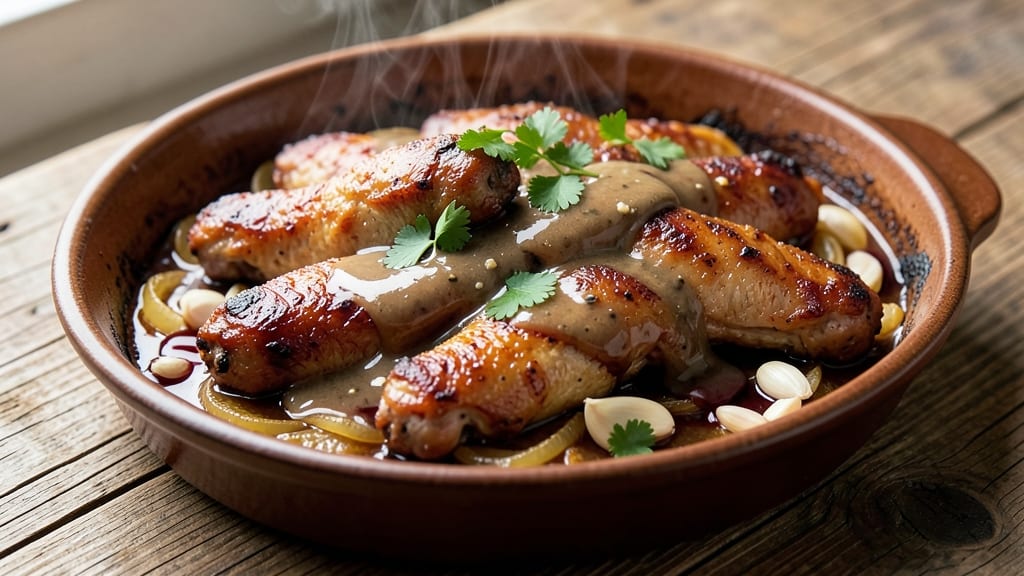
This chicken gizzard gravy recipe transforms humble offal into a rich, velvety sauce that clings to every bite—no fancy techniques required. Professional chefs swear by its depth, and home cooks will appreciate how one pot delivers both dinner and sauce.
The secret lies in proper preparation: cleaning, trimming, and slow cooking until the gizzards dissolve into a savory, pan-dripping masterpiece.
Gizzards may sound intimidating, but with the right method, they yield a gravy so luxurious it rivals store-bought versions—10 times more flavorful. Start by searing the gizzards until golden, then deglaze the pan with broth and aromatics.
As they simmer, the connective tissue breaks down, creating a sauce thick enough to coat mashed potatoes or crusty bread without separation.
The result is a hearty, restaurant-quality gravy that tastes even better the next day. Its deep umami flavor comes from slow reduction, while a touch of vinegar brightens the richness. Serve it alongside roasted vegetables, over biscuits, or as a dipping sauce—this gravy turns simple meals into showstoppers.
Perfect for game day, Sunday suppers, or when you want to impress with minimal effort. The technique is foolproof once you master the prep, and the leftovers reheat beautifully. Ready to elevate your cooking with this one-pot wonder? Let’s get started.
Ingredients for chicken gizzard gravy
Transform humble gizzards into velvety, restaurant-worthy sauce with these essential ingredients—each playing a precise role.
| Ingredient | Amount | Notes |
|---|---|---|
| Chicken Gizzards 🍗 | 1 ½ lb | Fresh, cleaned, trimmed of fat |
| Unsalted Butter 🧈 | 4 tbsp | High-quality, for searing |
| Yellow Onion 🧅 | 1 whole | Medium, finely diced |
| Garlic Cloves 🧄 | 4 cloves | Fresh, minced |
| Chicken Broth 💧 | 2 cups | Homemade or high-quality store-bought |
| Red Wine Vinegar 🍷 | 1 tbsp | For acidity balance |
| Diamond Crystal Kosher Salt 🧂 | 1 tsp | Fine grain for seasoning |
| Fresh Thyme Leaves 🌿 | 1 tbsp | Or 1 tsp dried thyme |
| Fresh Parsley Leaves 🌿 | 2 tbsp | Chopped, for garnish |
| Black Peppercorns 🌶️ | ½ tsp | Freshly cracked |
| All-Purpose Flour 🌾 | 1 tbsp | For thickening |
| Heavy Cream 🥛 | ½ cup | Full-fat for richness |
| Fresh Bay Leaves 🍃 | 2 whole | Removed before serving |
The gizzards are the star, so source them fresh from a trusted butcher—Whole Foods or local poultry farms offer the best quality. Look for vibrant color and minimal fat marbling; trim any excess before cooking. High-quality unsalted butter is non-negotiable here—Plugrá or European-style brands add depth during searing. The chicken broth should be rich and homemade if possible, but Kitchen Basics or Pacific Foods brands work in a pinch. Fresh thyme and bay leaves elevate the umami profile, while red wine vinegar brightens the final sauce. For the flour, King Arthur all-purpose ensures smooth thickening without gluten clumps.
No fresh gizzards? Substitute chicken livers at half the quantity, but increase cooking time. Swap heavy cream for half-and-half if needed, though texture may differ slightly. Dried thyme works at one-third the amount of fresh, but Mexican oregano adds a unique depth. For vinegar, apple cider vinegar offers a milder tang. The flour can be replaced with cornstarch for a gluten-free option, though texture will be thinner. If using store-bought broth, avoid low-sodium versions—they lack the necessary depth. The bay leaves are optional but recommended for authentic flavor, though they must be removed before serving.
This gravy develops flavor over time, so reheat gently on low heat, stirring occasionally. Store in an airtight container in the fridge for up to 5 days, or freeze for 3 months. The sauce thickens as it cools, so thin with a splash of broth if needed. Garnish with fresh parsley just before serving to maintain vibrant color and aroma. For best results, prepare the gravy a day ahead—flavors meld beautifully overnight. Portion into ramekins for elegant serving at game day gatherings or Sunday suppers.
Why You'll Love This Recipe
- One-Pot Magic: I swear by this recipe when I’m too tired to wash extra dishes—just one Dutch oven, and you’re done. That crispy sear from the butter and the slow simmer with bay leaves? All the flavor, none of the fuss.
- Rich, Layered Taste: The red wine vinegar might sound odd, but it’s the secret to cutting through the richness of the heavy cream and butter. One bite, and you’ll taste the caramelized onions, the cracked peppercorns, and that deep umami from the gizzards—like a hug in sauce form.
- Weeknight Workhorse: This gravy turns plain mashed potatoes into a meal or slathers over noodles like a fancy restaurant dish. Honestly, I’ve served it at potlucks, family dinners, and even as a lazy Sunday brunch—it’s that versatile.
- Budget-Friendly Luxury: Gizzards are cheap, but they taste like you spent hours on this. That ½ cup heavy cream and 4 tbsp butter make it feel indulgent, and leftovers? Five days in the fridge or three months frozen—no waste, all satisfaction.
Step-by-step instructions for chicken gizzard gravy
This method transforms humble gizzards into a velvety, restaurant-worthy sauce using just one pot.
Sear the Gizzards for Deep Flavor
Pat the 1.5 lb chicken gizzards thoroughly dry with paper towels—this ensures maximum browning. Heat 2 tablespoons of the unsalted butter in a large Dutch oven over medium-high heat until foaming. Add the gizzards in a single layer and sear undisturbed for 4-5 minutes per side until deeply browned and crisp in spots.
Real talk: Don't crowd the pan or the gizzards will steam instead of develop that golden crust. Once browned, remove them and set aside. In the same pot, melt the remaining 2 tablespoons unsalted butter and immediately add the finely diced yellow onion. Cook for 5-6 minutes until softened and translucent, then add the minced garlic cloves and cook for 30 seconds until fragrant.
Deglaze and Build the Base
Pour in the 1 tablespoon red wine vinegar and scrape vigorously with a wooden spoon to release all those flavorful browned bits from the bottom of the pot. This is called deglazing, and it's where 80% of your gravy's depth comes from. Let the vinegar simmer for 2 minutes until mostly evaporated, then add the 2 cups chicken broth and bring to a gentle boil.
Return the gizzards to the pot, add the 2 whole fresh bay leaves, and reduce heat to medium-low. Partially cover and simmer for 45-50 minutes until the gizzards are fork-tender. Here's the thing—if the liquid reduces too quickly, add a splash of water to keep everything moist. The gizzards should be falling apart easily when pierced with a fork.
Thicken and Finish the Gravy
Remove the gizzards and strain the cooking liquid through a fine-mesh sieve into a clean saucepan, pressing on the solids to extract maximum flavor. Return the strained broth to the same pot over medium heat and whisk in the 1 tablespoon all-purpose flour. Cook for 2-3 minutes until slightly thickened.
Reduce heat to low and stir in the 0.5 cup heavy cream, 1 tbsp fresh thyme leaves, 0.5 tsp freshly cracked black peppercorns, and 1 tsp diamond crystal kosher salt. Simmer gently for 5 minutes to let the flavors meld. Taste and adjust seasoning—you might need a pinch more salt or a splash more vinegar to balance the richness.
Garnish and Serve
Discard the bay leaves and stir in the 2 tbsp chopped fresh parsley leaves just before serving. The parsley not only brightens the dish visually but also adds a fresh herbal note that cuts through the richness. Ladle the gravy over mashed potatoes, buttered noodles, or crusty bread for serving.
For presentation, you can shred the gizzards and mix them back into the gravy, or serve them whole on the side. Either way, the sauce should coat the back of a spoon with a luxurious, silky texture. The gizzards should be tender enough to pull apart with minimal effort, and the gravy should have a glossy sheen with just the right balance of acidity and richness.
Pro Tips For Making Chicken Gizzard Gravy
- Sear in Batches: Gizzards are stubborn—if you overload the pan, they’ll steam instead of brown. Work in two rounds if needed: sear half first, then set aside while you finish the rest. That crispy crust is where all the flavor hides, and skipping it means bland gravy. Trust me, the extra minute saves you from regret later.
- Don’t Rush the Vinegar: That 1 tablespoon of red wine vinegar isn’t just for acidity—it’s for pulling every last bit of caramelized goodness off the pot. Let it simmer for those full 2 minutes, even if it feels like nothing’s happening. Skimp here, and your gravy will taste like it’s missing something. (Yes, even if you’re impatient like me.)
- Strain Like Your Life Depends on It: Press those solids in the sieve with the back of a spoon—don’t just pour. The sediment holds the richest flavor, and lazy straining means a thinner, less luxurious gravy. I used to skip this, and the difference in texture and depth is night and day. Worth the extra 30 seconds.
- Salt the Cream Last: Add that 1 teaspoon of kosher salt after the cream goes in, not before. The acidity in the vinegar and the fat in the cream play off each other, and salting too early can make the gravy taste flat. Taste as you go—you’ll likely need a pinch more, but this way, you’re in control. No guesswork.
Perfect pairings for chicken gizzard gravy
Classic Pairings
This gravy shines when ladled over creamy mashed potatoes—their buttery texture contrasts perfectly with the sauce's richness. For a heartier option, serve over egg noodles tossed with 1 tbsp melted butter and a sprinkle of Parmesan cheese.
I also love it drizzled over crusty sourdough bread for an open-faced sandwich, especially when topped with a fried egg. 🥔
Protein Additions
Shred the cooked gizzards and stir them back into the gravy for a complete one-pot meal. For extra protein, add crumbled bacon (about 4 oz) during the final simmer or top with seared chicken thighs after serving.
If you're feeling adventurous, try adding sautéed mushrooms (about 1 cup) during the deglazing step for an earthy depth. 🍳
Vegetable Sides
Roasted carrots and parsnips (tossed with 1 tbsp olive oil and ½ tsp thyme) absorb the gravy beautifully. For a lighter option, serve with steamed green beans sautéed with garlic and lemon zest.
The acidity from the vinegar in the gravy cuts through the richness of roasted Brussels sprouts—toss them with balsamic glaze before serving. 🥕
Beverage Pairings
A crisp Sauvignon Blanc from New Zealand complements the gravy's acidity and herbal notes. For beer lovers, a Belgian witbier like Hoegaarden adds a refreshing citrus contrast. If you prefer something stronger, a rye whiskey like Bulleit enhances the umami richness.
Serve with a cold glass of sparkling water with lemon for a non-alcoholic option. 🍷
Global Twists
For a Southern-inspired version, stir in ½ tsp smoked paprika during the final simmer and serve with cornbread. In Italy, this gravy would pair with polenta—simmer 1 cup polenta in 4 cups water for a creamy base.
For a spicy kick, add ½ tsp cayenne pepper when adjusting seasonings at the end. 🌶️
Make-Ahead Serving
Prepare the gravy a day ahead and store it in the fridge. Reheat gently with a splash of chicken broth if it thickens too much. Serve in ramekins for game day gatherings or spoon over biscuits and gravy for a Southern brunch.
Garnish with extra chopped parsley and a crack of black pepper just before serving. ✨
Nutrition facts
Frequently asked questions
Why do I need to trim fat from the chicken gizzards?
Trimming excess fat ensures a cleaner-tasting gravy without greasiness. The fat can make the sauce too heavy and cloudy. Plus, browned fat adds depth during searing, but too much creates an unbalanced texture in the final sauce.
Can I use frozen gizzards instead of fresh?
Fresh gizzards yield the best results, but if using frozen, thaw them completely in the fridge overnight. Pat them dry thoroughly before searing—any moisture will prevent proper browning. The texture may be slightly less tender than fresh.
What if my gravy turns out too thin?
Simmer uncovered for 5-10 extra minutes to reduce naturally. If still too thin, mix 1 tsp cornstarch with 1 tbsp cold water, stir into the gravy, and cook for 1-2 minutes until thickened. Avoid over-thickening—it should coat the back of a spoon but remain silky.
How do I know when the gizzards are fully cooked?
They're done when they're fork-tender and flake apart easily (about 45-50 minutes). The internal temperature should reach 165°F. If they're still tough, simmer 10 more minutes with an extra splash of broth. Overcooking can make them dry, so monitor closely.
Can I make this gravy in a slow cooker?
Yes! Brown the gizzards and onions in a skillet first, then transfer everything to the slow cooker. Add broth, vinegar, and bay leaves, then cook on Low for 6-7 hours or High for 3-4 hours. Finish by straining and thickening with flour/cream as directed. The texture will be slightly thinner but still delicious.