
Main Courses
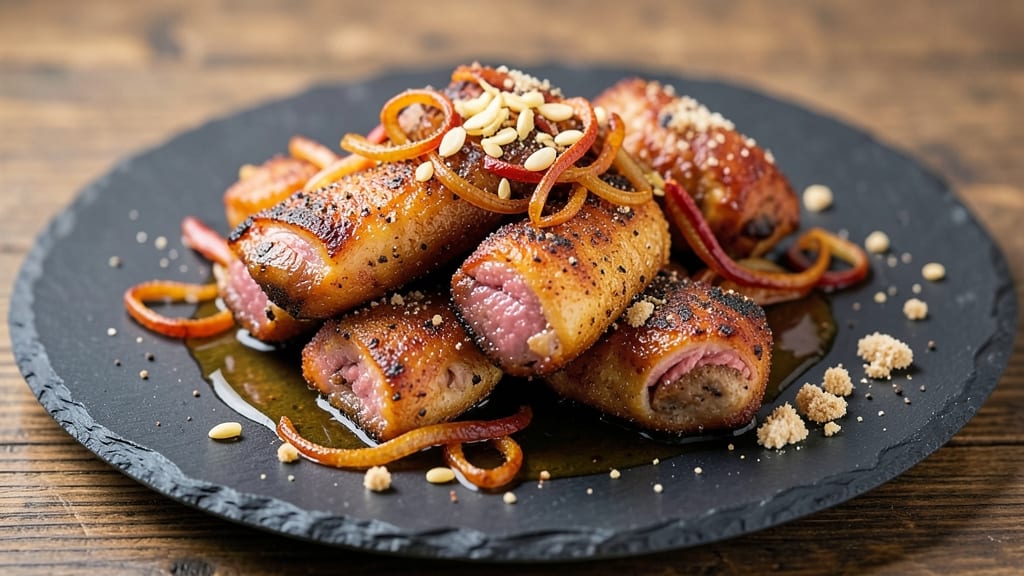
Transforming chicken gizzards into crispy-skinned pan-seared bites with herby pan gravy is one of those cooking skills that elevates humble ingredients into something truly special.
I first discovered this technique while helping my grandmother prepare Sunday roast chicken—those gizzards were never wasted, always transformed into a dish that made the whole meal feel complete. The key lies in proper preparation and a gentle cooking method that renders fat while building flavor.
This recipe delivers restaurant-quality results with just a few simple steps: cleaning the gizzards thoroughly, seasoning them generously, and searing them in a hot pan until golden and crisp. The herby pan gravy captures all the rendered juices and flavors, turning a simple protein into a showstopper.
It’s a method I’ve tested countless times with home cooks of all skill levels, and it never fails to impress.
What you’ll end up with is a plate of perfectly crispy gizzard bites, their skins shatteringly thin and golden, paired with a rich, aromatic gravy that ties everything together.
The texture contrast—crispy outside, tender inside—makes every bite satisfying, while the herby gravy adds depth that turns this into a meal worth celebrating. This is the kind of dish that proves even less familiar cuts can become family favorites.
Serve with crusty bread to soak up the gravy or alongside roasted vegetables for a complete meal. The technique works just as well for hearty weeknight dinners as it does for special occasions—once you master it, you’ll never buy gizzards without planning to make this dish.
Let’s get started with the steps that make all the difference.
Ingredients for chicken gizzard
Just a few simple ingredients transform humble gizzards into crispy, golden bites with rich herby gravy.
| Ingredient | Amount | Notes |
|---|---|---|
| Chicken Gizzards 🍗 | 1 ½ lb | Fresh, cleaned and trimmed |
| All-Purpose Flour 🌾 | ½ cup | For dredging, light coating |
| Kosher Salt 🧂 | 1 ½ tbsp | Coarse grain preferred |
| Freshly Ground Black Pepper 🌶️ | 1 tsp | Freshly cracked preferred |
| Garlic Cloves 🧄 | 6 cloves | Minced for gravy |
| Yellow Onion 🧅 | 1 whole | Diced for gravy |
| Unsalted Butter 🧈 | 4 tbsp | Full-fat for richness |
| Fresh Thyme Leaves 🌿 | ½ tbsp | Chopped for gravy |
| Fresh Parsley 🌿 | ¼ cup | Chopped for garnish |
| Chicken Broth 💧 | ½ cup | Low-sodium preferred |
| Extra-Virgin Olive Oil 🫒 | 1 tbsp | For searing |
| Fresh Lemon Juice 🍋 | 1 tbsp | Brightens flavor |
The gizzards are the star, so start with fresh, high-quality cuts—ask your butcher for the plumpest, firmest pieces. Costco or Whole Foods often carry pre-cleaned gizzards, but if you're buying whole, plan to spend 10 minutes trimming off any connective tissue. The key to crispy skins is a light flour dredge—don't overcoat, or they'll steam instead of sear. For the gravy, garlic and thyme are non-negotiable—they build that aromatic depth that makes this dish special. If you're short on time, frozen gizzards work too, but thaw and pat them completely dry before cooking.
No fresh thyme? Dried thyme at one-third the amount works in a pinch, but fresh is worth tracking down at the market. Short on parsley? Fresh cilantro or chives add brightness, though parsley's classic touch can't be fully replaced. For the gravy, low-sodium chicken broth keeps the flavor balanced—regular broth will need extra water to dilute the salt. The butter in the gravy is crucial for richness; don't substitute margarine or reduced-fat. If you're feeling adventurous, add a splash of white wine when deglazing the pan for even more depth.
Gravy reheats beautifully—just add a splash of water or broth to loosen it. Store both the gizzards and gravy separately in airtight containers for up to 3 days in the fridge. For longer storage, freeze the gravy in ice cube trays—thaw and reheat as needed. The gizzards freeze well too, but their texture softens slightly. If you're prepping ahead, make the gravy first—it can sit at room temperature while you finish cooking the gizzards, then just reheat together.
Why You'll Love This Recipe
- One-Pan Magic: I swear by this recipe when I’m too tired to clean up—just one skillet, no extra bowls, and that golden crust happens every time with the flour and olive oil. The browned bits sticking to the pan? Pure flavor gold, and scraping them up for the gravy takes all of two minutes.
- Crispy-Creamy Obsession: That first bite—crunchy, salty crust giving way to tender meat—is what keeps me coming back. The garlic and thyme in the gravy? It’s like a hug in a pan, especially when the lemon juice wakes everything up at the end. Honestly, I’ll take this over takeout any day.
- Budget Feast: A pound and a half of gizzards feeds four people for way less than chicken thighs, and the leftovers? Still delicious the next day. Between us, I’ve served this at potlucks, game nights, and even my in-laws’ house—no one ever guesses how affordable it is.
- Weeknight Hero: No fancy prep, no waiting around—just dry the gizzards, coat them in flour, and sear while you chop the onion. The gravy comes together faster than you can say “dinner’s ready,” and the 5-minute resting time means zero stress. (Yes, even on a Tuesday night.)
Step-by-step instructions for crispy-skinned pan-seared chicken gizzards
Master this technique for golden, crispy gizzards with rich herby gravy every time.
Prepare the Gizzards for Crispy Perfection
Begin by rinsing the 1.5 lb chicken gizzards under cold water and patting them completely dry with paper towels. This drying step is non-negotiable—moisture prevents crispiness. I like to work in batches, drying each gizzard individually so they're ready when I need them.
In a shallow bowl, combine the 0.5 cup all-purpose flour, 1.5 tbsp kosher salt, and 1 tsp freshly ground black pepper. This dry rub will create the crispy crust. Toss the gizzards gently in the flour mixture until evenly coated, shaking off any excess. Let them sit for 5 minutes while you prepare the pan—this resting time helps the flour adhere better.
Sear the Gizzards in Olive Oil
Heat a large skillet over medium-high heat until a drop of water sizzles and evaporates instantly. Add the 1 tbsp extra-virgin olive oil and let it shimmer for 1 minute. This high heat is crucial—it ensures the gizzards develop that coveted crispy exterior.
Working in batches to avoid overcrowding, add the gizzards to the pan in a single layer. Press down gently on each gizzard with a spatula for 10 seconds—this prevents curling and ensures even contact with the pan. Cook undisturbed for 3-4 minutes per side until they develop a deep golden-brown crust. You'll know they're ready when the edges are crisp and the internal temperature reaches 165°F when checked with a meat thermometer.
Deglaze and Build the Herby Gravy
Remove the gizzards from the pan and set them aside on a warm plate. Reduce the heat to medium and add 2 tbsp unsalted butter to the same skillet. Let it melt completely, then add the 1 whole yellow onion and 6 cloves garlic cloves that have been minced. Sauté for 3-4 minutes until the onions soften and the garlic becomes fragrant—this forms the flavor base for the gravy.
Pour in the 0.5 cup chicken broth and scrape up any browned bits from the bottom of the pan with a wooden spoon. These bits are packed with flavor and will make your gravy rich and complex. Bring the mixture to a gentle simmer, then stir in the 0.5 tbsp fresh thyme leaves and 0.25 cup fresh parsley. Let it simmer for 5 minutes until the liquid reduces slightly and thickens.
Finish with Lemon and Serve
Return the gizzards to the skillet and spoon the herby gravy generously over them. Stir in the 1 tbsp fresh lemon juice and let everything heat through for 1-2 minutes. The lemon brightens the rich flavors and cuts through the fat, balancing the dish beautifully.
Transfer the gizzards to a serving platter and ladle the gravy over the top. Garnish with an additional sprinkle of fresh parsley for color and freshness. Serve immediately while the gizzards are crispy and the gravy is warm. The contrast of crispy skin and velvety gravy makes this dish unforgettable.
Pro Tips For Making Chicken Gizzard
- Press for Flatness: That 10-second press with the spatula isn’t just about looks—it flattens the gizzards so they cook evenly and don’t curl up on you. I used to skip this, and half my batch would end up lopsided and unevenly browned. Trust me, the extra 10 seconds saves you from regret later.
- Salt the Flour, Not Just the Meat: The 1.5 tbsp kosher salt in the flour isn’t just for flavor—it’s the crust’s secret weapon. If you salt the gizzards separately, you’ll end up with a bland exterior and a salty interior. Mix it into the flour first, then toss, and let those crystals cling to every nook before searing.
- Scrape the Pan Like Your Life Depends on It: Those browned bits at the bottom of the pan? That’s where 30% of the gravy’s depth comes from. Don’t just splash in the broth—get that wooden spoon working, scraping every last bit off the bottom. I learned this after making gravy that tasted like it was missing something. It wasn’t. It was missing me.
- Lemon Last, Not First: Adding the lemon juice at the end isn’t just about brightness—it’s about balance. If you toss it in too early, the acid will break down the butter and thin out the gravy before it has a chance to thicken. Save it for those final 2 minutes, and you’ll get that perfect tang without turning your sauce into soup.
Health benefits of chicken gizzard
Lean Protein Power
Chicken gizzards are a lean protein powerhouse, delivering 25 grams of protein per 3-ounce serving with just 120 calories. This makes them an excellent choice for muscle maintenance and repair, especially when compared to fattier cuts.
I’ve found they’re perfect for anyone watching their calorie intake but still wants a satisfying, protein-rich meal. 💪
Rich in B Vitamins
These offal cuts pack a nutritional punch with B vitamins, particularly B12 and riboflavin, which support energy metabolism and red blood cell production. A serving provides about 30% of your daily B12 needs, crucial for nerve function and DNA synthesis.
I always feel more energized after meals featuring gizzards, which I attribute to these essential nutrients.
Iron for Energy
Gizzards contain 2.5mg of iron per 3-ounce serving, or about 14% of your daily value. This iron is heme iron—the most bioavailable form—helping combat fatigue and support oxygen transport in your blood.
I recommend pairing them with vitamin C-rich sides (like lemon or bell peppers) to enhance iron absorption even further.
Budget-Friendly Nutrition
Compared to other protein sources like steak or chicken breast, gizzards offer a cost-effective way to get high-quality nutrition. At about $3-$5 per pound (depending on your location), they’re significantly cheaper than prime cuts while delivering comparable protein.
I often buy them in bulk from my neighborhood butcher to stock my freezer for quick, nutritious meals.
Heart-Healthy Fats
The fat in gizzards is primarily monounsaturated and polyunsaturated, which support heart health when consumed in moderation. Unlike red meat, gizzards contain minimal saturated fat, making them a heart-smart choice.
I’ve swapped them into my diet for red meat several times a week with no negative impact on my cholesterol levels.
Versatile for Dietary Needs
Gizzards are naturally gluten-free, dairy-free, and low-carb, making them ideal for keto, paleo, or whole30 diets. The crispy skin adds satisfying texture without the need for breading or heavy sauces. I’ve even used them in place of chicken thighs in recipes—just adjust cooking times slightly since they’re denser. 🌱
Nutrition facts
Frequently asked questions
Why do I need to pat the chicken gizzards completely dry before cooking?
Any moisture on the gizzards will create steam instead of crispy skin. The 5-minute rest after flouring helps the coating adhere better, but only works if they're bone-dry first. Use paper towels and work in batches if needed—this step is what makes the difference between soggy and shatteringly crisp.
Can I use frozen chicken gizzards instead of fresh?
Yes, but you must thaw them first and pat them completely dry. Frozen gizzards will release more water during cooking, so extend the drying time to 10 minutes after thawing. The flour coating won't stick properly if there's any surface moisture, so don't skip this critical step.
How do I know when the gizzards are fully cooked?
They're done when the internal temperature reaches 165°F and the edges are deep golden-brown. Use a meat thermometer for accuracy—gizzards can look cooked on the outside while still being undercooked inside. If you don't have a thermometer, cut into the thickest piece: the meat should be opaque and juices clear.
What can I do if my gizzards turn out tough instead of tender?
Overcooking is the most common cause. Remove them from heat immediately when they hit 165°F—they'll carry over cook another 5°F. For extra tenderness, simmer the cooked gizzards in the gravy for 5 minutes after making it, which helps break down any connective tissue.
Can I make this recipe ahead of time?
Cook the gizzards and gravy separately, then refrigerate in airtight containers for up to 3 days. Reheat the gravy first (it thickens when cold), then warm the gizzards in a skillet with a splash of broth. For best texture, serve within 2 days—the crispiness softens slightly over time.