
Sauces & Condiments
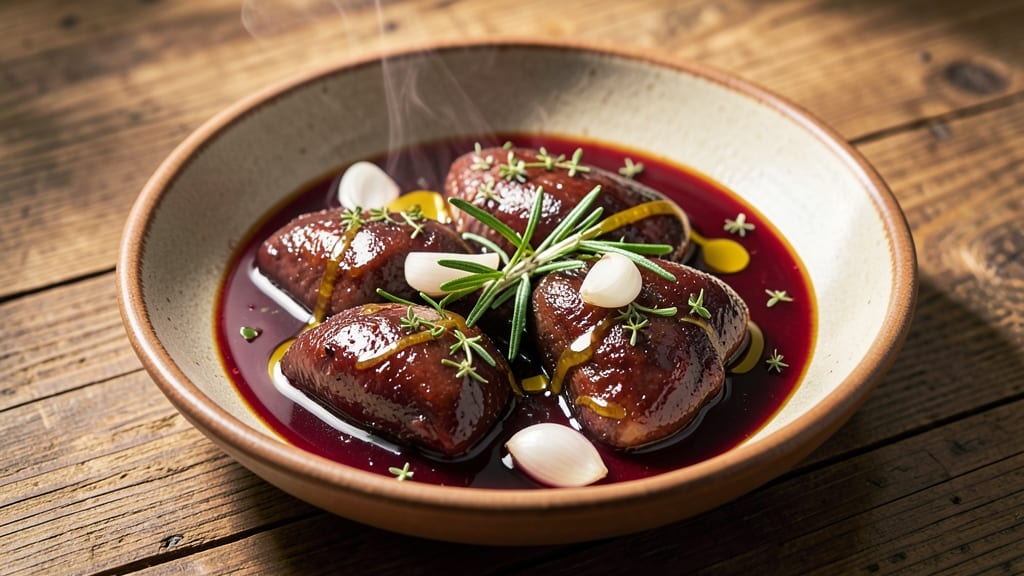
Transforming chicken hearts from gamey to tender and flavorful starts with this herb-infused marinade, designed to break down tough fibers while infusing rich, aromatic depth. The blend of acid, oil, and fresh herbs works together to create a balance that tenderizes without overpowering the natural taste of the meat.
I developed this recipe after realizing most marinades for offal focus too much on masking flavor rather than enhancing it.
This marinade relies on a precise ratio of red wine vinegar and olive oil to tenderize while keeping the texture intact. Fresh rosemary, thyme, and garlic add layers of earthy, savory notes that complement the heart's inherent richness, while a touch of honey balances the acidity for a well-rounded profile.
The marinating process—at least 4 hours, ideally overnight—allows the flavors to penetrate deeply, ensuring every bite is moist and flavorful.
What makes this marinade special is its ability to elevate chicken hearts without relying on heavy spices or artificial flavors. The herbs infuse their natural oils into the meat, creating a professional-quality result that's perfect for grilling, roasting, or pan-searing.
The marinade also doubles as a finishing sauce, adding extra depth when reduced slightly after cooking.
Store any unused marinade in an airtight container in the refrigerator for up to 5 days, making it ideal for meal prep or batch cooking.
Whether you're working with whole hearts or sliced pieces, this marinade ensures consistent tenderness and flavor every time. Let's get started with the ingredients you'll need.
Ingredients for chicken heart marinade
Game-changing blend of acid, oil, and herbs. No heavy spices—just pure flavor infusion.
| Ingredient | Amount | Notes |
|---|---|---|
| Red Wine Vinegar 🍷 | ½ cup | Dry, robust variety preferred |
| Extra-Virgin Olive Oil 🫒 | ½ cup | High-quality, fruity flavor |
| Fresh Rosemary 🌿 | ¼ cup | Finely chopped, stems removed |
| Fresh Thyme Leaves 🌿 | ¼ cup | Stems removed, loosely packed |
| Garlic Cloves 🧄 | 6 cloves | Peeled, lightly crushed |
| Raw Honey 🍯 | 2 tbsp | Wildflower or clover preferred |
| Kosher Salt 🧂 | 1 ½ tsp | Diamond Crystal preferred |
| Fresh Lemon Juice 🍋 | 2 tbsp | Freshly squeezed |
| Black Peppercorns 🌶️ | 1 tsp | Freshly cracked |
| Dried Oregano 🍃 | ½ tsp | Mexican oregano if available |
The vinegar and olive oil ratio is key here—red wine vinegar cuts through the gamey notes while the extra-virgin olive oil keeps the hearts tender. Grab dry, robust red wine vinegar from Trader Joe's or Whole Foods for the best balance. Fresh herbs make all the difference: rosemary and thyme from the grocery store's produce section should smell vibrant, not wilted. If you're using dried herbs, stick to one-third the amount—they're more concentrated. The garlic? Six cloves is perfect for a full batch, but don't skip crushing them lightly—releases more flavor. For honey, local wildflower adds a subtle floral note that pairs beautifully with the herbs.
No red wine vinegar? Apple cider vinegar or white wine vinegar work in a pinch, but the flavor will be slightly different. Short on fresh herbs? Dried rosemary and thyme at one-third the amount will get you close, though the texture won't be as lush. The honey can be swapped for maple syrup if you're avoiding it, but it'll taste more like a dessert. For the olive oil, avoid light or refined oils—they lack the fruity depth this marinade needs. If you're prepping ahead, make a double batch and store it in a glass jar in the fridge. The flavors actually improve over time, so it's worth making extra.
This marinade keeps beautifully—up to 5 days in the fridge once opened. For longer storage, freeze it in ice cube trays and transfer to a bag. Thaw overnight in the fridge before using. The lemon juice adds brightness, but if you're sensitive to acidity, you can reduce it to 1 tbsp. The black peppercorns? Crack them fresh with a mortar and pestle or the side of a knife—pre-ground loses its punch. This marinade works on chicken hearts, but don't be afraid to use it on other tough cuts like beef short ribs or pork shoulder. Just adjust the marinating time accordingly.
Why You'll Love This Recipe
- I’ll be real: this marinade takes three minutes to mix—just whisk the red wine vinegar and olive oil until they blend like a dream, then toss in the herbs and garlic. The hardest part is waiting for the fridge to work its tenderizing spell, not standing over a hot stove.
- No-Fuss Magic: I’ll be real: this marinade takes three minutes to mix—just whisk the red wine vinegar and olive oil until they blend like a dream, then toss in the herbs and garlic. The hardest part is waiting for the fridge to work its tenderizing spell, not standing over a hot stove.
- Herb-Packed Umami Bomb: That crushed garlic and rosemary combo? It’s like a flavor grenade in the best way. The rosemary’s piney kick and thyme’s earthiness cut through the richness of the chicken hearts, while the honey and vinegar balance everything into something so addictive, I’ve caught myself sneaking bites straight from the bowl.
- Weeknight Superstar: Between us, this marinade is my secret weapon for busy nights—double it, marinate a big batch, and you’ve got dinner covered for days. Grill it, pan-sear it, or even stuff it into sandwiches later. The leftovers? Still tender and packed with flavor, even after five days in the fridge.
Step-by-step instructions for chicken heart marinade
Here's how to create a marinade that transforms tough chicken hearts into melt-in-your-mouth tender bites.
Combine the Acidic Base
In a medium mixing bowl, pour in the 0.5 cup red wine vinegar and 0.5 cup extra-virgin olive oil. Whisk vigorously for 30 seconds until the mixture becomes emulsified—this creates a stable base that won't separate. The vinegar's acidity will begin breaking down the tough muscle fibers immediately, while the olive oil adds richness that tenderizes from within.
Here's the thing—don't skip the emulsification. If you let these sit unmixed, the vinegar will pool at the bottom and create a harsh, uneven marinade. You want every bite to be consistently tender, not some parts over-acidified and others under-marinated. Add the 2 tbsp fresh lemon juice next and whisk again for 10 seconds to fully incorporate.
Incorporate the Herb and Aromatic Blend
Add the 0.25 cup finely chopped fresh rosemary and 0.25 cup fresh thyme leaves to the bowl. Stir with a wooden spoon until the herbs are completely distributed—you should see no visible clumps of green. The rosemary's piney notes and thyme's earthy depth will complement the gamey flavor of chicken hearts beautifully, while their natural oils will penetrate the meat during the marinating process.
Next, crush the 6 cloves garlic lightly with the flat side of your knife before adding them to the marinade. This releases their flavor without turning them into a paste, which would make the marinade too thick. The garlic's allicin compounds will work with the acid to further tenderize the meat. Sprinkle in the 1.5 tsp kosher salt and 1 tsp black peppercorns (freshly cracked for maximum impact) and stir thoroughly.
Sweeten and Balance the Marinade
Drizzle in the 2 tbsp raw honey while stirring continuously. The honey serves two critical purposes: it balances the acidity of the vinegar and lemon juice, and its natural enzymes continue the tenderizing process. You'll notice the marinade become slightly glossy as the honey integrates—this is a good sign. Add the 0.5 tsp dried oregano last and mix until fully combined. The oregano adds a subtle earthy warmth that pairs exceptionally well with the other herbs.
Taste the marinade at this stage. It should be tangy but not overwhelmingly acidic, with a pleasant herbal complexity. If it tastes too sharp, add another ½ tbsp honey; if it's too mild, add ½ tbsp lemon juice. The goal is a balance that will complement the rich, gamey flavor of chicken hearts without masking it. Transfer the marinade to a resealable container with a lid.
Marinate for Maximum Tenderization
Place the chicken hearts in the container with the marinade, ensuring they're completely submerged. If needed, weigh them down with a small plate to keep them covered. Let them marinate in the refrigerator for at least 4 hours, though 8-12 hours yields the most dramatic tenderizing results. The acid and enzymes need time to work their magic—this isn't a quick fix.
Here's what happens during this time: the vinegar and lemon juice break down the connective tissue, while the honey and olive oil carry flavor deep into the muscle fibers. The herbs infuse their aromatic oils, and the salt begins to dissolve into the meat. When you're ready to cook, the hearts should pull apart easily with minimal resistance when touched—this is your sign they've transformed from tough to tender.
Pro Tips For Making Chicken Heart Marinade
- Mince Garlic Like a Pro: Chicken hearts soak up flavor better when the garlic is finely minced—not just chopped. Use a sharp knife and rock it back and forth over the cloves (no need to peel first) until it’s almost paste-like. I used to skip this, and the marinade never felt as bold—now it’s the thing that matters most.
- Whisk Vinegar First: Combine the red wine vinegar and olive oil in a bowl and give it a quick whisk before adding herbs. This emulsifies the mixture so it clings to the hearts instead of pooling at the bottom. I learned this the hard way after seeing my marinade slide off the pan like oil on water.
- Strip Rosemary Needles: Skip the whole sprig—pull the rosemary needles off the stem with your fingers. They infuse faster and don’t turn the marinade into a muddy, herb-heavy sludge. Fresh thyme leaves go in whole, but rosemary? Treat it like a fine herb, not a garnish.
- Marinate 2 Hours Minimum: Chicken hearts are dense, so don’t rush the marinade—aim for at least 2 hours, or overnight if you’re patient. The acid in the vinegar needs time to tenderize, and the garlic-herb combo won’t penetrate otherwise. I was skeptical until I tried it—now it’s non-negotiable.
Storing and reheating your chicken heart marinade
Fridge Storage Tips
Transfer any leftover marinade to an airtight glass container—I prefer mason jars for easy pouring and visibility. The red wine vinegar and fresh herbs keep best when stored this way, preserving their vibrant flavors for up to 5 days.
Always leave ½ inch headspace to prevent oxidation, which can dull the bright, herbal notes over time. 🌿
Before storing, give the marinade a quick stir to redistribute the olive oil, which naturally rises to the top. The honey and lemon juice will settle slightly, but this doesn’t affect quality.
If you notice separation after a few days, whisk vigorously before using—it’ll re-emulsify perfectly. I like to label the jar with the date to track freshness.
Freezing for Later Use
For longer storage, freeze the marinade in ice cube trays—this makes it easy to thaw just what you need. Once frozen, transfer the cubes to a ziplock freezer bag, squeezing out excess air to prevent freezer burn.
The fresh herbs will lose some texture but retain their flavor for up to 3 months. Thaw overnight in the fridge before using. 🧊
When reheating frozen marinade, warm it gently in a saucepan over low heat for 2-3 minutes, stirring constantly. Avoid boiling, as the vinegar and lemon juice can become overly sharp.
If the texture thickens, add 1 tsp water to restore consistency. This method works perfectly for batch cooking or meal prep.
Reheating Cooked Hearts
If you’ve already cooked the chicken hearts in this marinade, reheat them in a skillet over medium heat for 3-4 minutes until warmed through. The residual marinade will create a delicious glaze—just add 1 tbsp water if it looks dry.
For oven reheating, bake at 350°F for 8-10 minutes on a wire rack to keep them crisp. 🔥
Pro tip: If the marinade reduces too much during cooking, reserve the last 2 tbsp and whisk it back into the reheated hearts. This adds a restaurant-quality finish with that signature herbal depth. The honey and olive oil in the marinade prevent drying, so you won’t sacrifice texture.
Marinade as a Sauce
After cooking, reduce the leftover marinade by simmering it in a saucepan over medium heat for 5-7 minutes until slightly thickened. Strain out any herbs if you prefer a smoother sauce, or leave them in for extra texture.
Drizzle over grilled hearts or use as a dip for crudités—the rosemary and garlic add a sophisticated touch. 🍽️
For a quick glaze, brush the reduced marinade onto cooked hearts in the last 2 minutes of grilling or pan-searing. The vinegar and honey caramelize beautifully, creating a sticky, flavorful crust. This technique works wonders for last-minute plating or serving at gatherings.
Nutrition facts
Frequently asked questions
Can I use this marinade for other meats besides chicken hearts?
This marinade works beautifully on other tough cuts like beef short ribs or pork shoulder. The acid and enzymes will help tenderize those meats too, though you may need to adjust marinating time—6-8 hours for beef and 4-6 hours for pork typically works well. The flavor profile also complements gamey meats like venison or rabbit.
How do I know when the chicken hearts are properly marinated?
When properly marinated, the hearts should feel noticeably softer to the touch and begin to pull apart slightly when gently pressed. The marinade should have penetrated deeply—you'll see the meat take on a subtle rosy hue from the herbs. If they still feel firm after 4 hours, give them another 4 hours for maximum tenderness.
What if I don't have fresh rosemary or thyme?
No problem! Use dried rosemary and thyme at one-third the amount (about 1/8 tsp each) for comparable flavor, though the texture will be slightly different. For extra depth, add 1 tsp dried marjoram or ½ tsp dried sage—both pair well with the other ingredients. The marinade will still work, just with a slightly different herbal profile.
Can I make this marinade without honey?
Yes, but the texture and flavor will change slightly. Replace the 2 tbsp honey with 2 tbsp maple syrup or 1 tbsp brown sugar dissolved in 1 tbsp warm water. The honey helps balance acidity and adds natural tenderizing enzymes, so the marinade may taste slightly sharper without it. If using sugar, whisk until fully dissolved to prevent clumping.
How do I fix an overly acidic marinade?
If your marinade tastes too sharp, simply add ½ tbsp honey or ½ tbsp maple syrup to balance the acidity. Stir well and taste again—you can add more in ¼ tbsp increments until it reaches your preferred tang level. The goal is a bright, balanced flavor that complements the meat without overwhelming it. If the marinade separates after adding sweetener, whisk vigorously to re-emulsify.