
Side Dishes
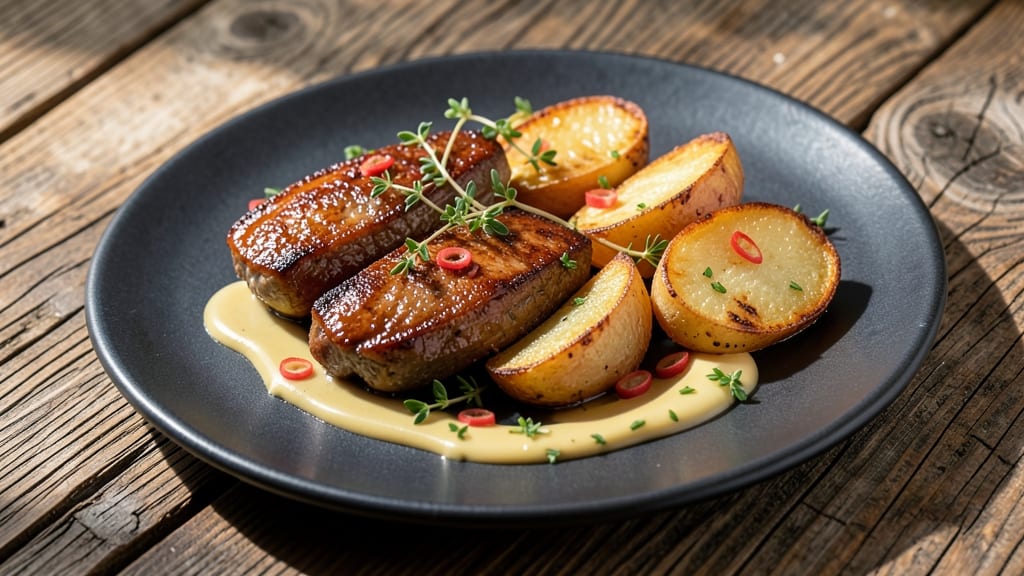
This chicken liver with potato recipe turns simple ingredients into a luxurious, flavor-packed dish that rivals any restaurant favorite. I first learned this technique from my mentor in Charleston, where offal was never wasted—just elevated.
The secret lies in proper preparation and a pan sauce that turns simple potatoes into something extraordinary. This recipe delivers restaurant-quality results with minimal effort, using only a cast iron skillet and a few pantry staples.
What makes this recipe special is the method: chicken livers seared to perfect doneness, then finished in butter with shallots and herbs, while potatoes roast until golden and crisp. The key is timing—cooking the livers quickly over high heat preserves their delicate texture, while the potatoes develop a satisfying crunch.
This dish is a game-changer for anyone looking to use offal without intimidation, turning leftovers into a luxurious meal.
The result is tender, buttery chicken livers with crispy edges, paired with perfectly roasted potatoes that soak up the rich pan sauce. Every bite delivers a balance of savory, herby, and slightly sweet flavors that make this dish feel indulgent.
The sauce alone transforms simple potatoes into something special—creamy, aromatic, and packed with depth.
Serve this dish with a crisp green salad or steamed vegetables to balance the richness, and pair it with a dry white wine like Sauvignon Blanc. The leftovers reheat beautifully, making this an excellent meal for busy weeknights or special occasions. Here's how to make it perfectly every time.
Ingredients for chicken liver with potato
Pantry staples meet offal elegance—transforming humble ingredients into restaurant-worthy perfection.
| Ingredient | Amount | Notes |
|---|---|---|
| Chicken Livers 🍗 | 1 lb | Fresh, trimmed of connective tissue |
| Russet Potatoes 🥔 | 2 lbs | Cut into even 1-inch cubes |
| Unsalted Butter 🧈 | ¾ cup | Cold, cut into 1/2-inch pieces |
| Shallots 🧅 | 6 whole | Minced, about 1/4 cup total |
| Fresh Thyme 🌿 | 2 tbsp | Leaves only, stems removed |
| Fresh Parsley 🌿 | ¼ cup | Chopped, for garnish |
| Dry White Wine 🍷 | ½ cup | Sauvignon Blanc preferred |
| Chicken Stock 💧 | ½ cup | Homemade or high-quality store-bought |
| Diamond Crystal Kosher Salt 🧂 | 1 ½ tsp | For seasoning, adjust to taste |
| Freshly Ground Black Pepper 🌶️ | ½ tsp | Coarsely ground |
| Extra-Virgin Olive Oil 🫒 | 2 tbsp | For potatoes and pan searing |
| Heavy Cream 🥛 | ¼ cup | Full-fat for richness |
| Lemon Juice 🍋 | 1 tbsp | Freshly squeezed |
The chicken livers are the heart of this dish, so source them from a trusted butcher or Whole Foods—they should be bright red and free of yellowing or off-odors. Trim any connective tissue meticulously, as it can make the livers tough. For the Russet potatoes, choose firm, unblemished tubers; Idahoan potatoes work beautifully if available. The unsalted butter must be cold when added to the livers—this ensures a proper sear and prevents a greasy sauce. Penzeys Spices is my go-to for fresh thyme and parsley, but any high-quality herb will suffice. The white wine should be bone-dry, like a crisp Sauvignon Blanc, to cut through the richness without overpowering the delicate flavors.
No fresh thyme? Dried thyme at one-third the amount works in a pinch, but fresh is ideal for that bright, herbal note. Substitute shallots with 1/4 cup finely chopped yellow onion if needed, though shallots lend a subtler sweetness. For the chicken stock, avoid low-quality bouillon cubes—Kitchen Basics or Pacific Foods brands deliver superior depth. If you lack white wine, a mix of chicken stock and 1 tbsp lemon juice mimics the acidity. The heavy cream should be full-fat; Organic Valley or Horizon brands provide consistent quality. For a lighter option, substitute with half-and-half and 1 tbsp extra butter, though the sauce will be slightly less velvety.
Store chicken livers in an airtight container in the coldest part of your fridge, using within 2 days for peak tenderness. Potatoes keep for up to 1 week in a cool, dark place, but refrigerate after cutting to prevent browning. The pan sauce reheats beautifully—simply warm over medium heat, adding a splash of chicken stock if it thickens too much. Portion the livers and sauce into glass containers for leftovers, which stay fresh for 3-4 days in the fridge. For longer storage, freeze the sauce separately for up to 3 months, thawing gently in the refrigerator before reheating.
Why You'll Love This Recipe
- One-Pan Magic: I swear by this recipe when I’m too tired to scrub a million dishes. The livers sear in the same skillet where the sauce comes together—no extra pots, no stress. Just toss in the crispy potatoes at the end, and boom: dinner’s done with one spatula.
- Velvet & Crisp Contrast: That first bite of buttery, golden-brown liver with the creamy wine-thyme sauce? Then the crispy potato edges—it’s like a flavor explosion. The cold butter melting into the pan while the shallots soften? Pure restaurant-quality magic, but at home.
- Weeknight to Weekend: Between us, this is my go-to for both Tuesday nights and Sunday brunches. The wine and cream sauce feels fancy, but the prep is so simple even my college-age kid can handle it. Serve it with a salad for a light lunch or extra crusty bread for a hearty dinner.
- Budget-Friendly Luxury: Chicken livers are cheaper than steak but taste like you splurged. Two pounds of potatoes stretch across meals—roast extras for hash the next day or toss them into salads. And honestly? The butter and cream make it feel indulgent without breaking the bank.
Step-by-step instructions for chicken liver and potatoes with pan sauce
Master this technique for restaurant-quality liver and potatoes where every bite delivers rich, velvety texture.
Prepare and Sear the Chicken Livers
Pat the 1 lb chicken livers completely dry with paper towels, then trim away any connective tissue or silver skin. This step ensures even cooking and prevents bitterness. Season generously with 1 tsp of the 1.5 tsp diamond crystal kosher salt and 0.25 tsp of the 0.5 tsp freshly ground black pepper, reserving the remaining seasoning for later.
Heat 1 tbsp of the 2 tbsp extra-virgin olive oil in a large skillet over medium-high heat until shimmering. Add the chicken livers in a single layer and sear undisturbed for 2-3 minutes per side until they develop a deep golden-brown crust. The livers should be cooked to medium doneness—slightly pink in the center when sliced. Remove them from the pan and set aside on a warm plate, tented with foil to keep warm.
Parboil and Roast the Potatoes
Place the 2 lbs russet potatoes in a large pot and cover with cold water. Add 1 tsp of the remaining 1.5 tsp diamond crystal kosher salt and bring to a boil. Parboil for 5 minutes, then drain thoroughly in a colander. This step pre-cooks the potatoes slightly, ensuring they finish perfectly tender without turning mushy.
Transfer the potatoes to a single layer on a rimmed baking sheet. Drizzle evenly with the remaining 1 tbsp extra-virgin olive oil and toss to coat. Roast in a preheated 425°F oven for 25-30 minutes, flipping halfway through, until the edges are crispy and the potatoes are fork-tender. Remove from the oven and set aside.
Build the Rich Pan Sauce
In the same skillet used for the livers, reduce heat to medium and add the 0.75 cup cold unsalted butter, cut into 1/2-inch pieces. Allow the butter to melt completely, then add the 6 whole minced shallots and cook for 3-4 minutes until softened and translucent. Stir in the 2 tbsp fresh thyme leaves and cook for an additional 30 seconds until fragrant.
Deglaze the pan with the 0.5 cup dry white wine, scraping up any browned bits from the bottom. Simmer for 2-3 minutes until the wine reduces by half. Add the 0.5 cup chicken stock and bring to a gentle simmer, allowing it to reduce by another third. Stir in the 0.25 cup heavy cream and simmer for 1-2 minutes until the sauce thickens slightly. Finish with the 1 tbsp lemon juice and season to taste with the remaining 0.5 tsp freshly ground black pepper and any additional salt if needed.
Combine and Serve
Return the chicken livers to the skillet and gently toss to coat them in the sauce, allowing them to absorb the rich flavors for 1-2 minutes. Add the roasted potatoes to the skillet and toss everything together, ensuring each potato is well-coated with the sauce. The potatoes should be heated through and the sauce should cling beautifully to both the livers and potatoes.
Transfer the dish to a warm serving platter and garnish with the 0.25 cup chopped fresh parsley. Serve immediately, ensuring each portion includes both the tender potatoes and the velvety liver, drizzled generously with the pan sauce. The contrast of textures—crispy potatoes, tender livers, and silky sauce—makes this dish unforgettable.
Pro Tips For Making Chicken Liver With Potato
- Trim the Livers Properly: Skip the silver skin—it’s bitter and chewy. Use a sharp knife to slice off the connective tissue while the livers are still cold, or they’ll slip and tear. I learned this the hard way after serving a guest a mouthful of rubbery bits.
- Parboil Potatoes Cold: Don’t start with hot water—cold water ensures even cooking and prevents uneven doneness. After 5 minutes, drain thoroughly or your roasted potatoes will steam instead of crisp. Trust me, soggy edges ruin the whole dish.
- Butter in Half-Inch Cubes: Cold butter in ½-inch pieces melts slower, creating a silky sauce instead of a greasy mess. If you toss in a whole pat, you’ll end up with separated butter and a thin sauce. Sounds weird, but it works.
- Deglaze While Hot: Add the wine right after removing the livers while the pan is still hot—this lifts all the browned bits (fond) for maximum flavor. If you let the pan cool, you’ll scrape up mostly burnt bits instead of rich, savory depth.
Pro cooking tips for chicken liver with potato
Perfect Sear Technique
Chicken livers cook faster than you think—2-3 minutes per side over medium-high heat is critical. I use a 12-inch Lodge cast iron skillet because it retains heat evenly and prevents sticking. The key is patience: don’t rush the sear or the livers will release bitter juices.
I test doneness by slicing one open—it should be slightly pink in the center (medium doneness), not fully cooked. 🔥
Butter Matters
Never use warm butter for the sauce—cold butter is non-negotiable. Cut it into ½-inch cubes so it melts gradually, creating a velvety emulsion. I swear by Plugrá European-style unsalted butter for its high fat content and neutral flavor.
If your sauce separates, whisk in 1 tsp cold water to re-emulsify it instantly. Honestly, this is where many home cooks fail—don’t skip this step!
Potato Prep Secrets
The 5-minute parboil is non-negotiable—it jumpstarts cooking and prevents uneven roasting. Use even 1-inch cubes (I cut them with a mandoline for consistency) so they cook uniformly. For extra crispiness, I toss the potatoes with ½ tsp smoked paprika before roasting.
The high 425°F oven ensures they develop a golden crust while staying tender inside. 🥔
Wine Reduction Mastery
Don’t just dump the wine and walk away—simmer it until reduced by half to concentrate the flavors. I use a Sauvignon Blanc because its acidity brightens the dish, but a dry Pinot Grigio works too.
Scrape up every browned bit (fond) from the pan with a wooden spoon—this adds 30% more flavor to your sauce. If your wine reduces too quickly, lower the heat to medium-low to avoid burning.
Sauce Thickening Hacks
The heavy cream should thicken just enough to coat the back of a spoon—1-2 minutes of simmering is all it needs. If it’s too thin, whisk in 1 tsp cornstarch mixed with cold water. For extra richness, I stir in 1 tbsp cold butter at the end.
The lemon juice at the finish cuts through the fat, balancing the dish perfectly. Trust me, this is where restaurant-quality sauces shine. ✨
Equipment Upgrades
My must-have tools for this dish: a 12-inch cast iron skillet (for searing), a fine-mesh colander (for draining potatoes), and a wooden spoon (for scraping fond). For precision, I use a Taylor-made meat thermometer to check liver doneness.
If you’re short on time, a microwave-safe bowl works for parboiling potatoes—just cover and microwave for 3 minutes before draining. 💡
Nutrition facts
Frequently asked questions
Why do you parboil the potatoes before roasting?
The 5-minute parboil jumpstarts cooking and creates a head start for even doneness. This prevents uneven roasting where some potatoes might stay raw inside while others burn outside. The parboil also helps develop that perfect crispy crust while keeping the centers tender.
Can I substitute beef liver for chicken liver in this recipe?
Yes, but with adjustments! Beef liver has a stronger flavor and requires slightly longer cooking (3-4 minutes per side instead of 2-3 minutes). Reduce the wine by 2 tbsp since beef liver releases more liquid. The pan sauce technique remains the same, but beef liver pairs beautifully with darker wines like Pinot Noir.
What's the best way to handle chicken livers if they're still frozen?
Thaw them completely in the refrigerator overnight—never at room temperature. Once thawed, pat them thoroughly dry with paper towels and trim all connective tissue. The drying step is critical to prevent bitter juices during cooking. If short on time, you can use frozen livers directly in a cold skillet, but they'll require 1-2 extra minutes per side to cook through.
How do I fix rubbery chicken livers?
Rubbery livers usually mean overcooking or not trimming connective tissue properly. Always cook them over medium-high heat for 2-3 minutes per side—they should be slightly pink inside. For extra tenderness, simmer the cooked livers in the pan sauce for 1-2 minutes off heat. Never overcrowd the pan when searing, or they'll steam instead of sear.
Can I make this dish ahead of time?
Cook the livers and potatoes separately, then store them in airtight containers. Reheat the potatoes in the oven at 375°F for 10 minutes and warm the livers in a skillet with butter. Make the sauce fresh and combine everything just before serving. The sauce reheats beautifully—simmer gently and add a splash of chicken stock if it thickens too much.