
Main Courses
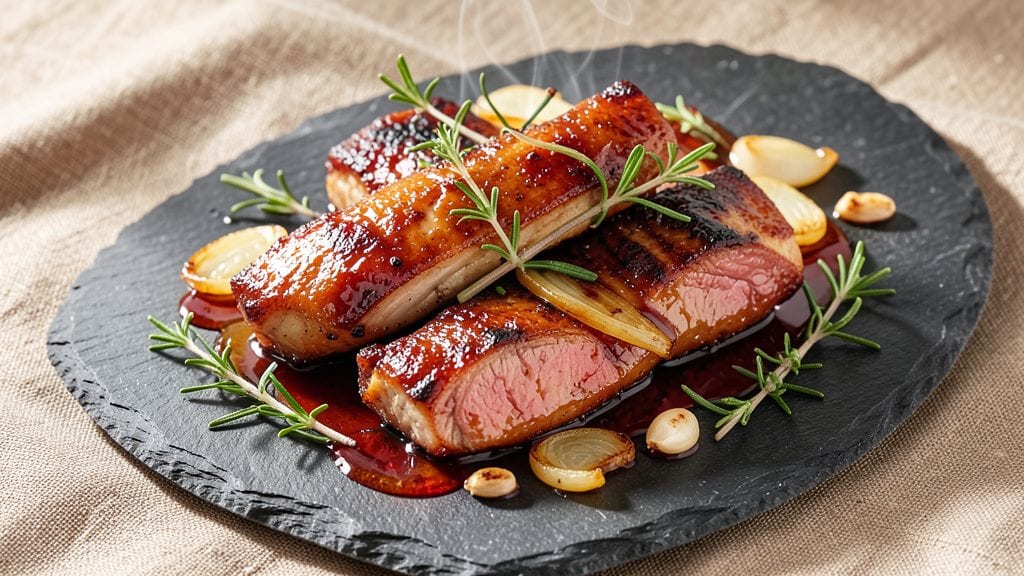
This chicken tongue recipe transforms a less familiar cut into a tender, restaurant-worthy dish with deep umami flavor and satisfying texture. After years of experimenting with offal cuts, I discovered that slow cooking unlocks their full potential—turning tough connective tissue into melt-in-your-mouth bites.
The key lies in proper preparation: blanching to remove impurities and a long, moist cooking process that breaks down the meat while building complex flavor.
The process begins with blanching the tongues to remove any surface impurities, followed by a dry sear to develop a rich crust. Aromatics like garlic, onions, and herbs infuse the cooking liquid, while a touch of vinegar or soy sauce enhances the umami depth.
Unlike quicker cuts, chicken tongues require patience—3 to 4 hours of slow cooking at low temperatures ensures they emerge fork-tender without falling apart.
What you’ll end up with is a dish that’s rich, savory, and deeply satisfying—perfect for serving at dinner parties or family gatherings. The finished tongues have a velvety texture with a slightly crisp exterior, paired beautifully with a tangy reduction or creamy mashed potatoes.
This recipe proves that offal cuts can be just as impressive as traditional favorites when prepared with care.
The versatility of this dish means it works equally well as a main course or part of a larger spread. Serve with roasted vegetables, crusty bread, or a simple green salad to balance the richness.
Once you try this method, you’ll never overlook chicken tongues again—they’re a game-changer for adventurous cooks.
Ingredients for chicken tongue
A few offal cuts and aromatic herbs create restaurant-quality chicken tongues.
| Ingredient | Amount | Notes |
|---|---|---|
| Chicken Tongues 🐔 | 1 ½ lb | Fresh, trimmed of excess fat |
| Yellow Onions 🧅 | 1 whole | Large, sliced into half-moons |
| Garlic Cloves 🧄 | 6 cloves | Fresh, smashed for maximum flavor |
| Fresh Thyme 🌿 | ¼ cup | Leaves only, stems removed |
| Fresh Rosemary 🌿 | ⅛ cup | Needles finely chopped |
| White Wine Vinegar 🍷 | ½ cup | Balsamic works too |
| Low-Sodium Soy Sauce 🥢 | ¼ cup | For umami depth |
| Olive Oil 🫒 | ¼ cup | Extra-virgin for searing |
| Chicken Broth 💧 | 2 cups | Low-sodium preferred |
| Bay Leaves 🌿 | 2 whole | Dried, for subtle flavor |
| Salt 🧂 | 1 ½ tsp | Kosher or sea salt |
| Black Peppercorns 🌶️ | 1 tsp | Freshly cracked |
| Honey 🍯 | 1 tbsp | For glaze finish |
| Fresh Parsley 🌿 | ⅛ cup | Chopped, for garnish |
Chicken tongues are the star here, so source them fresh from a butcher—they’re often sold pre-trimmed, but ask for the fat cap removed if not. Whole Foods or local specialty markets usually carry them, but call ahead. The key is to blanch them first to remove any impurities, which makes all the difference in texture. I’ve used Costco’s bulk pack before—just double-check they’re not frozen solid. Look for tongues that are pale pink, not gray, and have a firm texture. If you can’t find fresh, high-quality frozen tongues work too, but thaw them overnight in the fridge.
No fresh thyme? Dried works at half the amount, but it won’t have the same brightness. Subbing rosemary? Use 0.125 cup of fresh sage instead—it’s a great swap. Short on soy sauce? Fish sauce or Worcestershire sauce adds umami, but reduce the amount to 1 tbsp. The vinegar can be swapped for lemon juice or apple cider vinegar, though white wine vinegar gives the best balance. For the broth, homemade or high-quality store-bought makes a difference—avoid the low-sodium versions with additives. The honey glaze is optional but adds a beautiful finish—maple syrup works in a pinch.
Blanched tongues keep in the fridge for 2 days before cooking, but I recommend using them fresh for best texture. Cooked tongues reheat beautifully—steam or slow-cook for 20-30 minutes until warmed through. Store leftovers in an airtight container with a splash of broth to keep them moist. They’re even better the next day, so make extra for lunches. Freeze cooked tongues for up to 3 months—thaw overnight in the fridge before reheating.
Why You'll Love This Recipe
- No-Fuss Feast: That initial sear takes two minutes of active time—just pat, sear, and set aside. The rest is hands-off slow cooking while you prep sides or even watch TV. Honestly, this is the kind of recipe where you can almost forget it’s cooking.
- Umami Bomb: The combo of low-sodium soy sauce, white wine vinegar, and fresh rosemary turns these humble tongues into something decadent. That crispy exterior with the melt-in-your-mouth center? Chef’s kiss. My date night crowd always asks for seconds.
- Crowd-Pleasing Star: Perfect for game days, holiday feasts, or even a fancy dinner party—it’s the kind of dish that makes guests go, “How did you make this?!” But honestly, it’s just a Dutch oven, pantry staples, and a little patience.
- Budget Flex: For 1.5 pounds of chicken tongues, you’re looking at roughly $12–$15, but it serves 6–8 people with leftovers. That’s less than $2 per serving, and the flavors? Dangerously addictive. Plus, the sauce makes killer sandwiches the next day.
Step-by-step instructions for slow-cooked chicken tongues
Here's how to transform tough chicken tongues into melt-in-your-mouth tender bites with deep umami flavor.
Prepare and Sear the Chicken Tongues
Rinse the 1½ lb chicken tongues thoroughly under cold water, then pat them completely dry with paper towels. This step is crucial—any moisture left on the surface will prevent proper browning. Place the tongues in a large skillet and sear over medium-high heat for 4-5 minutes per side until they develop a deep golden-brown crust. You'll notice the tongues firm up slightly as they cook—this is normal and indicates they're developing that rich exterior color.
While they sear, combine ¼ cup olive oil, 1½ tsp salt, and 1 tsp freshly cracked black peppercorns in a small bowl. After searing, remove the tongues from the skillet and set them aside. This initial sear creates the flavor foundation and prevents the tongues from becoming rubbery during the long cook.
Build the Umami-Packed Marinade
In a large Dutch oven, heat ¼ cup olive oil over medium heat. Add the 1 yellow onion, sliced into half-moons, and cook for 5 minutes until softened and translucent. Add the 6 smashed garlic cloves, ¼ cup fresh thyme leaves, and ⅛ cup finely chopped fresh rosemary, cooking for another 2 minutes until fragrant. Here's where the magic happens—add ½ cup white wine vinegar and ¼ cup low-sodium soy sauce, scraping up any browned bits from the bottom of the pot.
Pour in the 2 cups chicken broth and add the 2 bay leaves. Bring the mixture to a simmer, then carefully return the seared chicken tongues to the pot. The liquid should come about halfway up the sides of the tongues. Cover the pot and reduce heat to low, ensuring the liquid maintains a gentle simmer—not a vigorous boil—which helps prevent the tongues from toughening.
Slow Cook Until Fork-Tender
Let the tongues simmer uncovered for 1½ to 2 hours, turning them occasionally to ensure even cooking. You'll know they're ready when they easily slide off a fork and the meat pulls apart cleanly with minimal resistance. The tongues should be fork-tender but still hold their shape. If the liquid reduces too quickly, add ½ cup hot chicken broth to maintain the moisture level—this prevents the tongues from drying out.
Here's the thing—patience is key. The slow cooking breaks down the collagen in the tongues, transforming them from tough to tender. The aromatics and vinegar create a rich, complex flavor profile that penetrates every bite. Don't rush this step; the reward is worth the wait.
Glaze and Finish with Honey
Once the tongues are tender, remove them from the pot and set them aside. In the same pot, increase heat to medium-high and reduce the cooking liquid by half, stirring occasionally, until it thickens into a glossy sauce. This concentrated flavor will coat the tongues beautifully. Stir in 1 tbsp honey and simmer for 1 minute until the honey is fully incorporated and the sauce has a slight sheen.
Return the tongues to the pot and coat them thoroughly with the honey-glazed sauce. Let them simmer for another 5 minutes to absorb the flavors. The honey adds a subtle sweetness that balances the umami richness from the soy sauce and vinegar. Garnish each serving with ⅛ cup chopped fresh parsley just before serving to add a bright, fresh contrast to the deep flavors.
Rest and Serve
Transfer the chicken tongues to a serving platter and let them rest for 10 minutes. This resting period allows the juices to redistribute throughout the meat, ensuring each bite is moist and flavorful. Serve the tongues with the reduced sauce spooned over the top, accompanied by crusty bread to soak up every last drop of that rich, umami-packed liquid.
Each bite should deliver a perfect balance of tender texture, deep savory flavor, and a touch of sweetness from the honey glaze. The black peppercorns add a subtle heat that cuts through the richness, while the fresh parsley provides a bright finish. This dish is perfect for special occasions or when you want to impress with a unique, flavorful centerpiece.
Pro Tips For Making Chicken Tongue
- Dry Like Your Life Depends On It: I learned this the hard way—skipping the thorough drying of the chicken tongues before searing leads to a sad, pale crust instead of that golden, flavor-packed exterior. Use paper towels, not just a quick wipe, and let them air-dry for 2-3 minutes if you’re really impatient. Trust me, that crispy sear is the difference between "meh" and "wow."
- Smashed Garlic, Not Minced: Those 6 cloves of garlic need to be smashed, not chopped or minced—this releases their oils and flavor into the onions while they cook. If you’re lazy and just mince them, you’ll miss out on that deep, aromatic punch that makes the whole dish sing. (Yes, even if you’re impatient like me.)
- Don’t Boil Like a Maniac: The gentle simmer in Step 3 is non-negotiable—if you let it boil hard, the tongues will toughen up instead of melting into tender perfection. Keep it at a barely there simmer, where tiny bubbles just break the surface. I used to rush this, and the result was chewy disappointment. Slow and steady wins the race.
- Save the Parsley for Last: Chop that ⅛ cup of fresh parsley right before serving—it’s not just for looks. The bright, fresh notes cut through the rich, umami sauce and keep the dish from feeling heavy. If you prep it early, it’ll wilt and lose its pop, no matter how much you love the convenience. (Your future self will thank you.)
Storing and reheating your leftovers
Refrigerator Storage
After cooking, let your chicken tongues cool completely—about 30 minutes—before transferring them to an airtight container. I use glass Pyrex containers with tight-fitting lids to keep flavors sealed in.
Store in the fridge at 40°F or below for up to 4 days. The sauce will thicken slightly, intensifying the umami flavors over time. 💡
Freezing Cooked Tongues
For long-term storage, freeze your cooked tongues in flat freezer bags (quart size works best). Squeeze out excess air before sealing to prevent freezer burn. Label with the date—they’ll stay delicious for 3 months.
Thaw overnight in the fridge for even reheating. I always add a splash of chicken broth to the bag during thawing to keep them moist.
Reheating for Maximum Tender Texture
To restore that melt-in-your-mouth quality, I recommend steam reheating in a covered pot with ½ cup broth and a splash of white wine vinegar (just 1 tbsp) for 20-30 minutes on low heat.
This preserves moisture better than the oven. If using a microwave, cover with a damp paper towel and heat in 1-minute intervals at 70% power—this prevents drying.
Reviving Stale Sauce
If your sauce has thickened too much after refrigeration, simply warm it in the same pot with 1-2 tbsp water and 1 tsp honey until glossy again.
The honey helps restore balance to the umami richness. A quick stir with ½ tsp fresh parsley at the end adds brightness to any cooled-over sauce. ✨
Serving Leftovers Creatively
Don’t limit these tongues to just dinner plates! Slice them thinly for chicken tongue sandwiches on crusty bread with a smear of cream cheese and extra sauce.
They also work beautifully in tortilla wraps with avocado and pickled onions, or as a protein in grain bowls with quinoa and roasted vegetables. The flavors only get better with leftovers! 🔥
Nutrition facts
Frequently asked questions
Why do chicken tongues need to be blanched before cooking?
Blanching removes surface impurities and ensures a cleaner flavor. Rinsing under cold water and patting dry prevents moisture from interfering with the sear, which creates that essential golden crust. Skipping this step can lead to a less flavorful, potentially gritty texture.
Can I substitute dried herbs for fresh thyme and rosemary?
Yes, but use half the amount—¼ cup dried thyme instead of ½ cup fresh, and 2 tablespoons dried rosemary for ⅛ cup fresh. Dried herbs lack the same brightness, so fresh is ideal if available. The flavor depth will be slightly different but still delicious!
How do I know when the chicken tongues are fully cooked?
They’re done when they slide off a fork with minimal resistance and the meat pulls apart cleanly. 1½ to 2 hours of simmering is the target, but check at 1 hour if unsure. The tongues should be fork-tender but still hold their shape—overcooking makes them mushy.
What’s the best way to reheat leftovers without drying them out?
Steam them gently in a covered pot with ½ cup broth and 1 tablespoon vinegar for 20-30 minutes on low heat. Avoid microwaving directly—it can make them rubbery. For extra moisture, add a splash of water while reheating.
Can I make this dish ahead of time for a party?
Cook the tongues 1-2 days ahead and store them in an airtight container with the sauce. Reheat gently with a little broth before serving. The flavors actually deepen overnight, making it perfect for meal prep.